








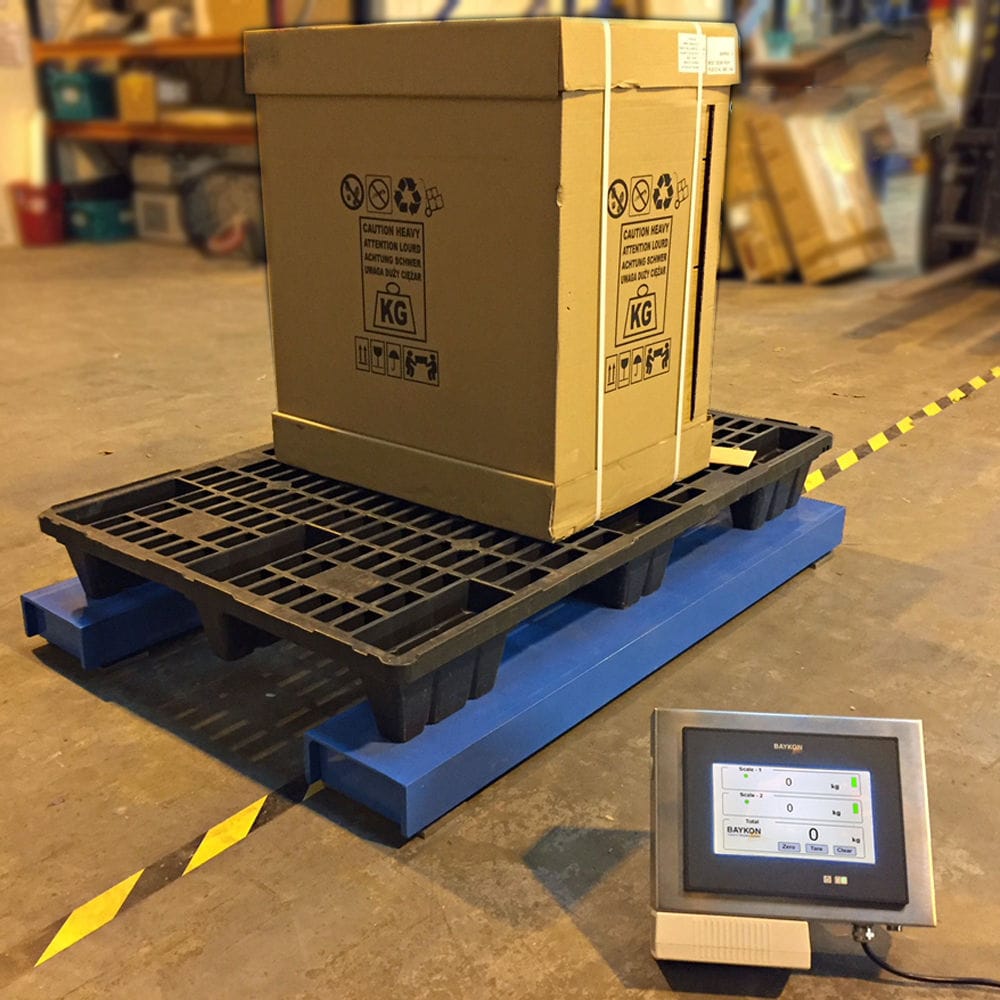


The Intelligent forklift electronic scale integrates the handling and weighing of goods, which can be completed at one time, avoiding the waste caused by extra idle driving, saving time to the maximum extent and improving work efficiency. Load-bearing system used for short-distance transportation and lifting of various materials, by comparing the data obtained by the electronic unit on the platform and the weight of the material by applying pressure to the surface.

 020-34563445
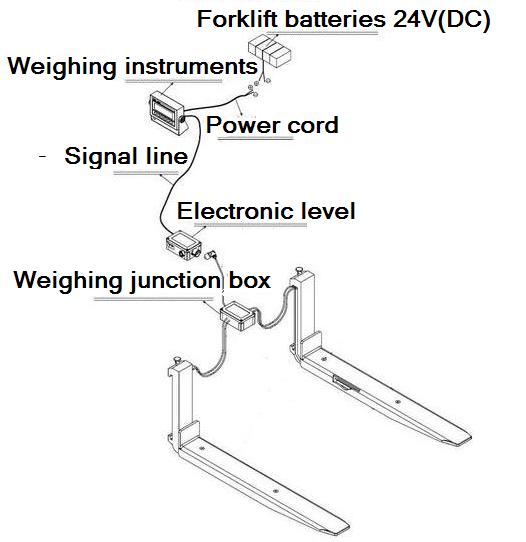
A weighing operation platform is set up on the electric forklift. The digital weighing instrument of the Electronic scale is installed on the operation platform. The electronic scale data cable installed under the support legs of the two forklift forks is connected to the dynamic digital instrument. The real-time data of the electronic scale is wirelessly uploaded to the computer control room by the weighing instrument. Forklift weighing uses a type of programmable memory to store programs internally, execute computer-oriented storage instructions such as logical operations, sequential control, timing, counting and arithmetic operations, and control various types of mechanical action processes through digital or analog input/output. It adopts RS485 digital design technology, is easy to use, convenient to install and maintain, and conforms to the international usage trend.
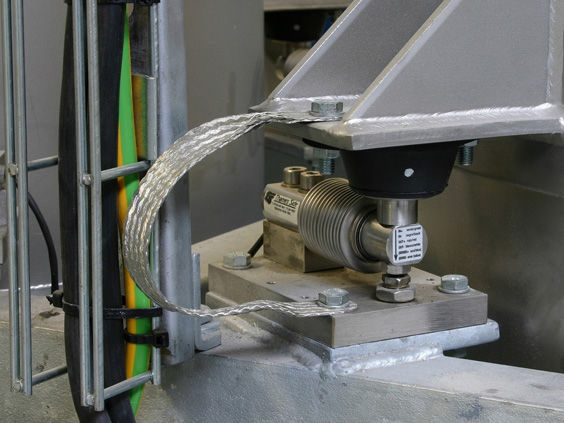
When the elastic body of the intelligent forklift electronic scale, which uses digital weighing, is subjected to a force from the direction of the force (such as gravity), the elastic body undergoes corresponding slight deformation. At this time, the resistance of each bridge circuit of the resistance strain gauge adhered to the elastic body will change accordingly. According to the working principle of the Wheatton bridge, when a constant excitation working voltage is applied to both ends of the resistance strain gauge at this time, Then the voltage difference between the two output terminals of the bridge can reflect the deformation degree of the corresponding resistance strain gauge. By applying a constant excitation voltage to the weighing, the magnitude of the force can be obtained by detecting the difference in the output voltage.
To ensure the measurement accuracy in various environments for forklift weighing, linear compensation, zero point compensation, temperature compensation and other treatments are generally added to the strain gauge bridge circuit for forklift weighing, as well as anti-corrosion treatment on the sensor surface. At the same time, to ensure the accuracy of remote excitation of the sensor, two wires are generally output from both ends of the excitation of the strain gauge to the weight transmitter or weighing terminal, which is used to calculate the loss compensation of the excitation voltage during long-distance transmission.
The replacement or calibration of digital load cells and digital weighing instruments can be carried out directly on the weighing instrument without the need to adjust the Angle difference through the junction box, which greatly improves the convenience of regular weighing inspection and the simplicity of maintenance.
Technical parameters
Maximum weighing capacity: 2000kg, 3000kg, 5000kg
Minimum weighing: 1kg, 2kg, 2kg
Accuracy: ± 0.1%
Measurement section: Electronic scale display instrument and sensor
Power usage: 6-digit LED display
Selection item: Electric forklift dedicated printer (RS-232C)


