









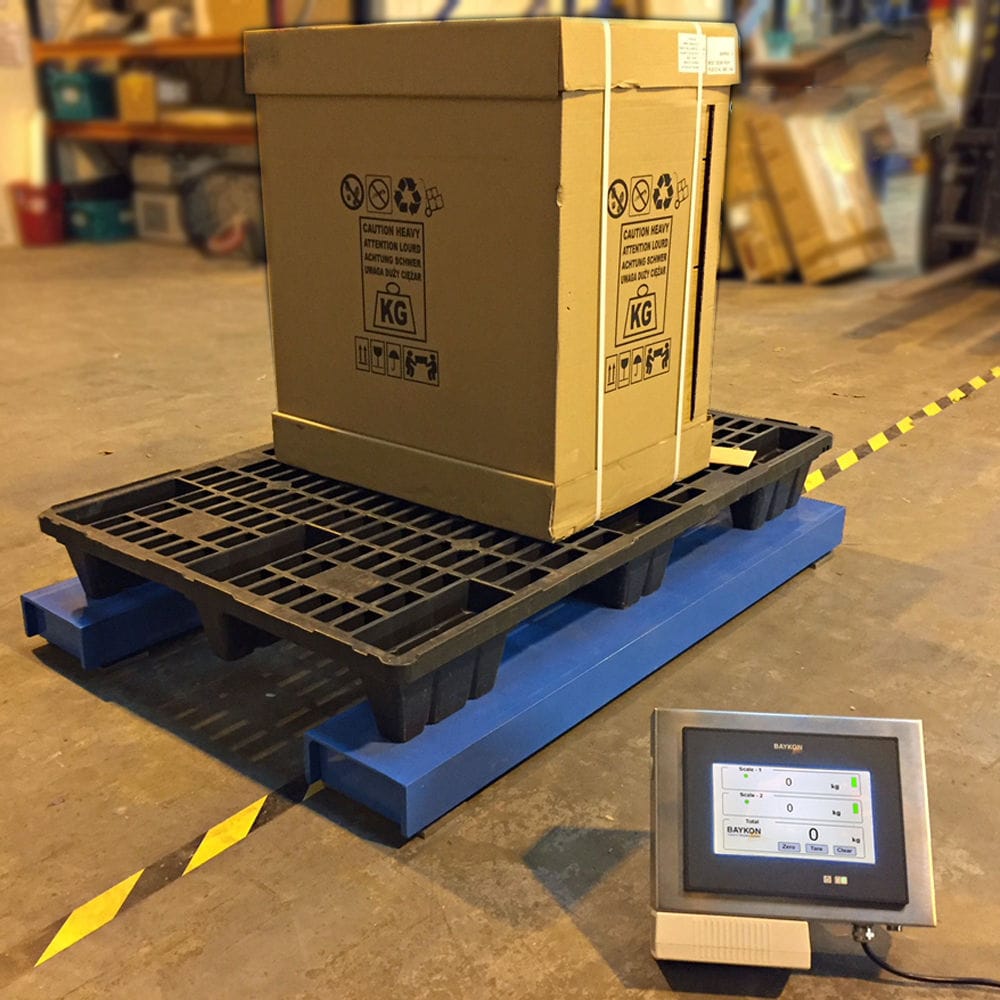


The electronic scale of the Electric Forklift Electronic Scale electric forklift is connected with the vehicle-mounted terminal through a serial port, and the data read by the weighing system will be uploaded to the vehicle-mounted terminal in real time. After processing, the vehicle terminal sends the data to the background database to complete the "loading task" of the forklift. After the forklift completes the "loading task", the reader-writer of the weighing system can load the read tag information to the vehicle-mounted terminal at intervals according to the system requirements, and update the working state of the forklift in real time. At the end of a complete working cycle of the weighing system, the system updates and saves this information in real time, so as to achieve the purpose of real-time supervision of forklift trucks.

 020-34563445
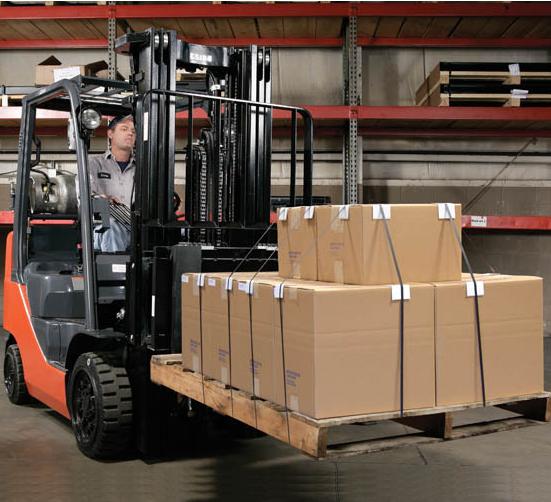
The Electronic scale of the stacker electric forklift integrates the handling and weighing of goods into one, completing the handling and weighing in one go, avoiding the waste caused by additional empty running. It is a load-bearing system used for short-distance transportation and lifting various materials. By comparing the data obtained from the electronic units on the platform with the weight of the material by applying pressure to the surface. Installed on the crossbeams of all forklifts, the goods are weighed while being moved. The wireless display uses Bluetooth technology to view and track the weight of individual goods and the total weight of multiple goods in real time. As a high-precision dynamic real-time measurement and handling device, it can be widely applied in the following scenarios: incoming control, overload prevention, batching, waste management, material picking and inventory management.
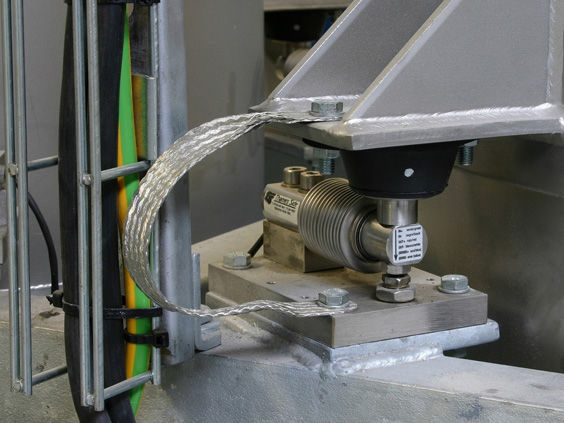
When the elastic body of the forklift weighing uses digital weighing and is subjected to A force from the direction of the force (such as the weight of the goods), the elastic body undergoes corresponding slight deformation. This deformation is transmitted to the digital weighing instrument through the force transmission mechanism. The gravity signal output by the sensor is amplified and filtered, and then sent to the A/D converter to be converted into a digital signal. The microprocessor calculates the weight value based on the mechanical and mathematical model and displays it on the forklift mast In the direct state, the weighing data is prompted for reading. The result is displayed by the digital weighing LED, and the real-time data is wirelessly uploaded to the computer control room by the weighing instrument.
The electronic scale of the electric forklift is connected to the on-board terminal through the serial port, and the data read by the Weighing system will be uploaded to the on-board terminal in real time. After processing, the on-board terminal sends the data to the background database to complete the "loading task" of the forklift. After the forklift completes the "loading task", the weighing system reader can, in accordance with the system requirements, load the read label information onto the on-board terminal at regular intervals to update the working status of the forklift in real time. At the end of a complete working cycle of the weighing system, the system updates and saves this information in real time to achieve the purpose of real-time supervision of forklifts.
Technical parameters
Maximum weighing capacity: 2000kg, 3000kg, 5000kg
Minimum weighing: 1kg, 2kg, 2kg
Accuracy: ± 0.1%
Measurement section: Electric forklift, electronic scale, display instrument and sensor
Power usage: 6-digit LED display
Selection item: Special printer for Electronic Scales (RS-232C)


