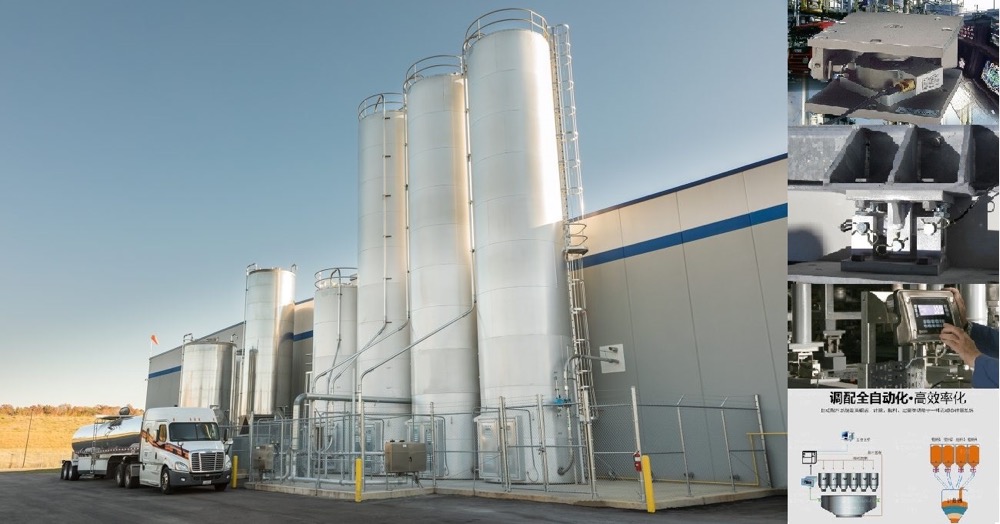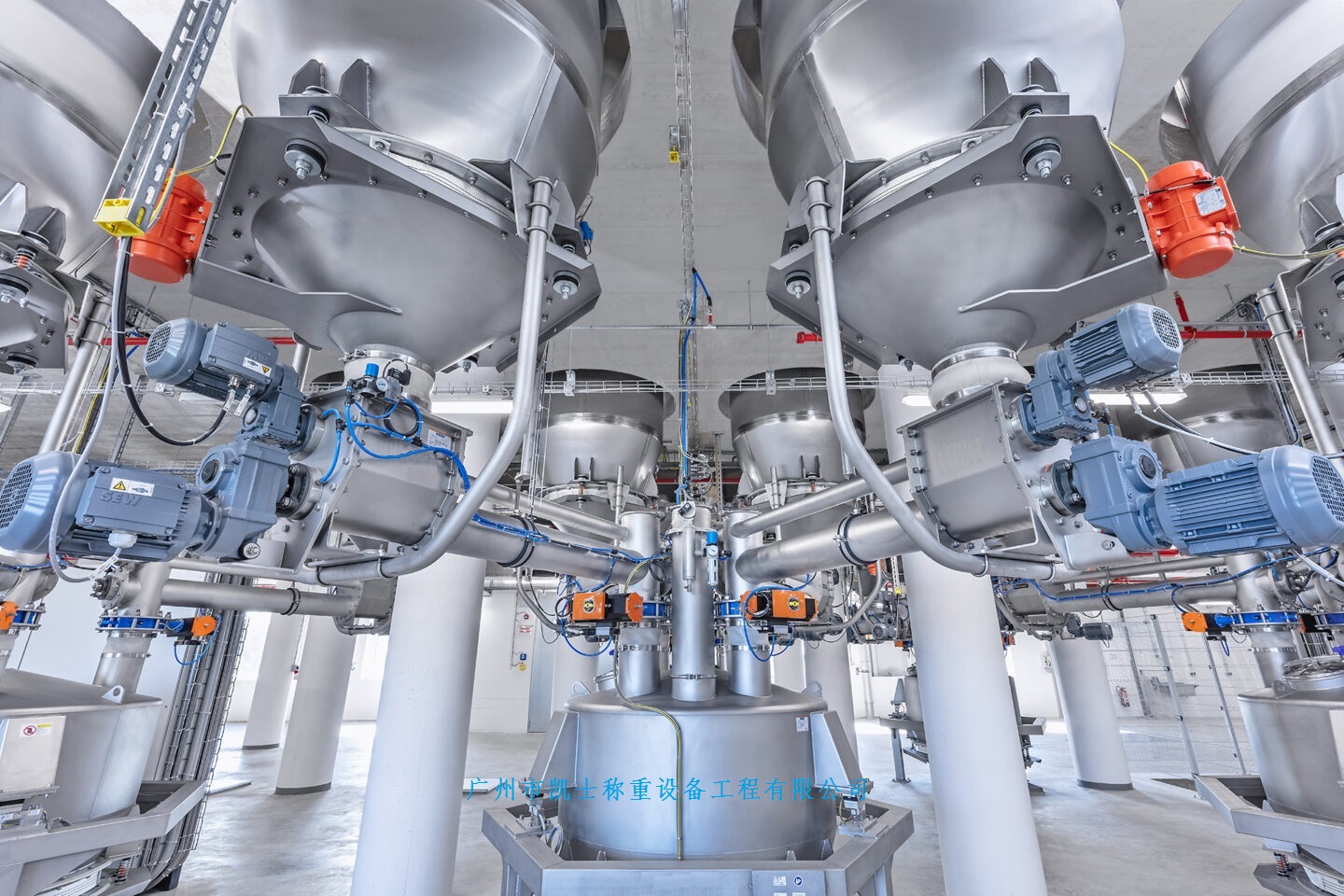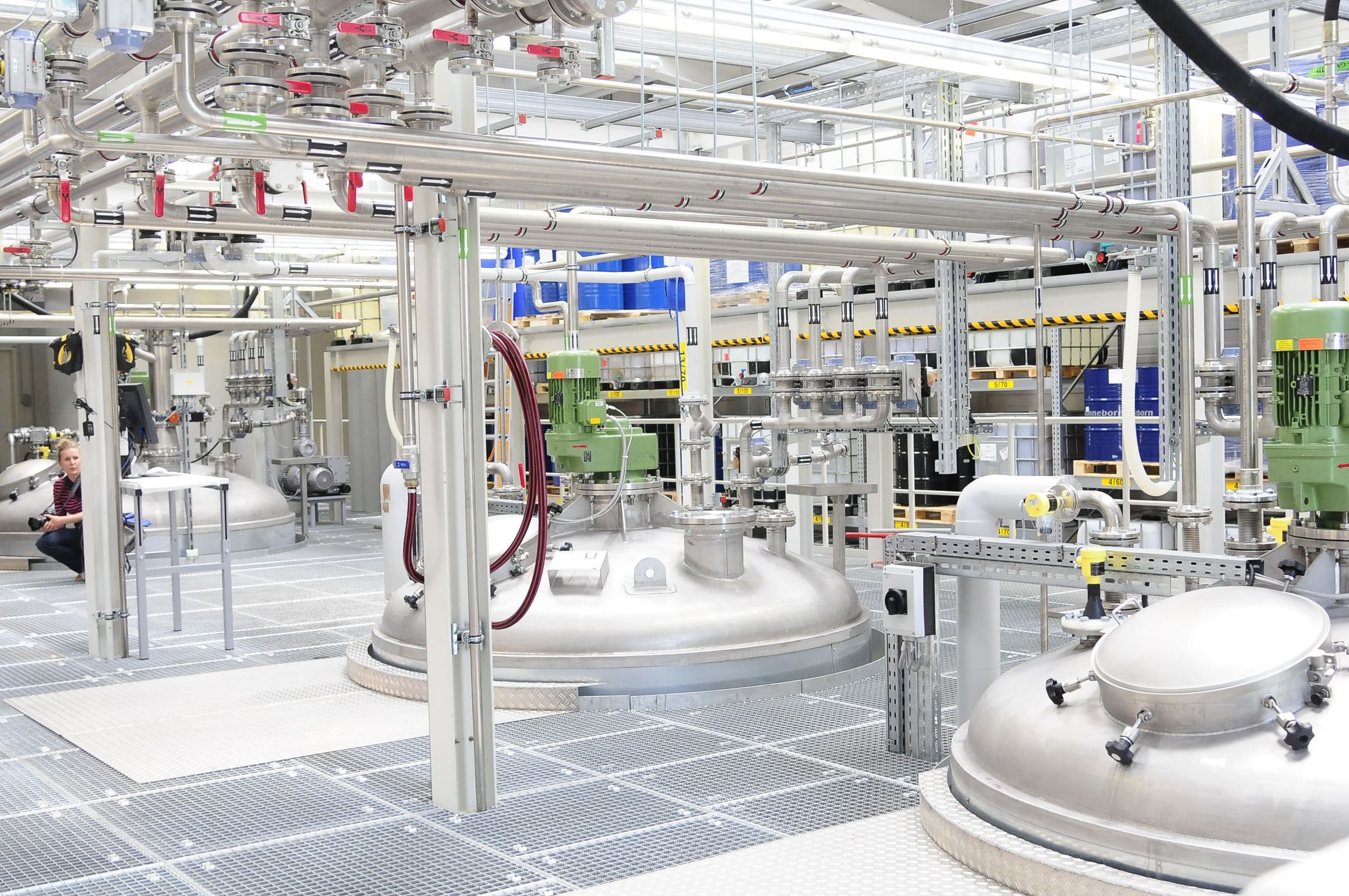


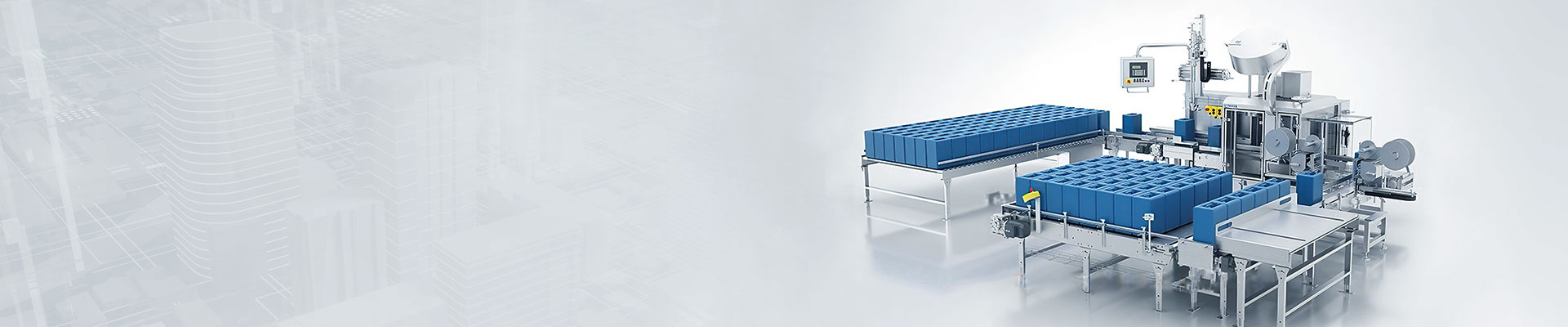
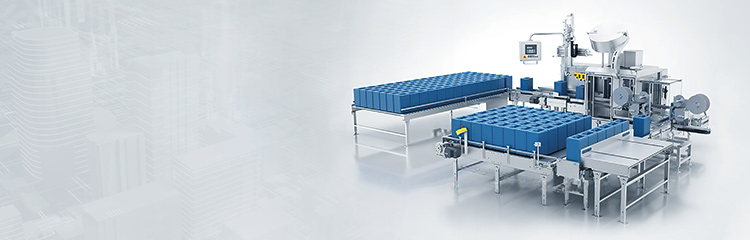


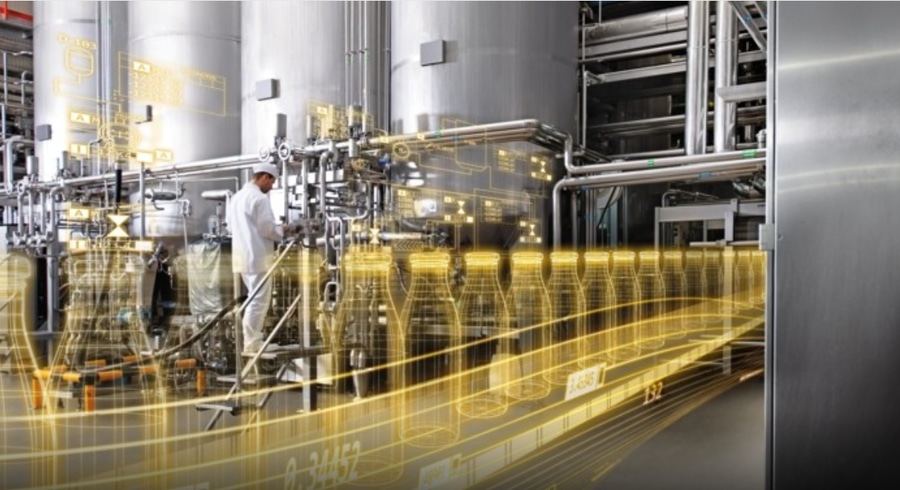
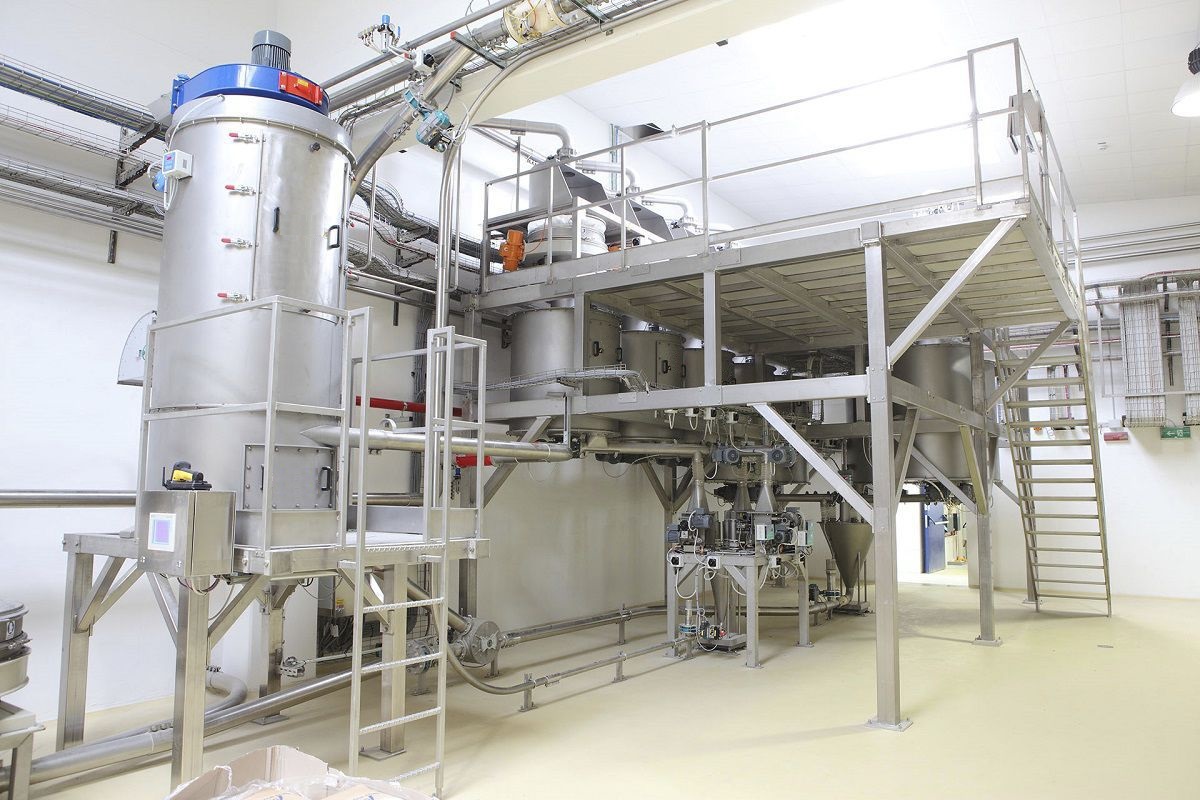
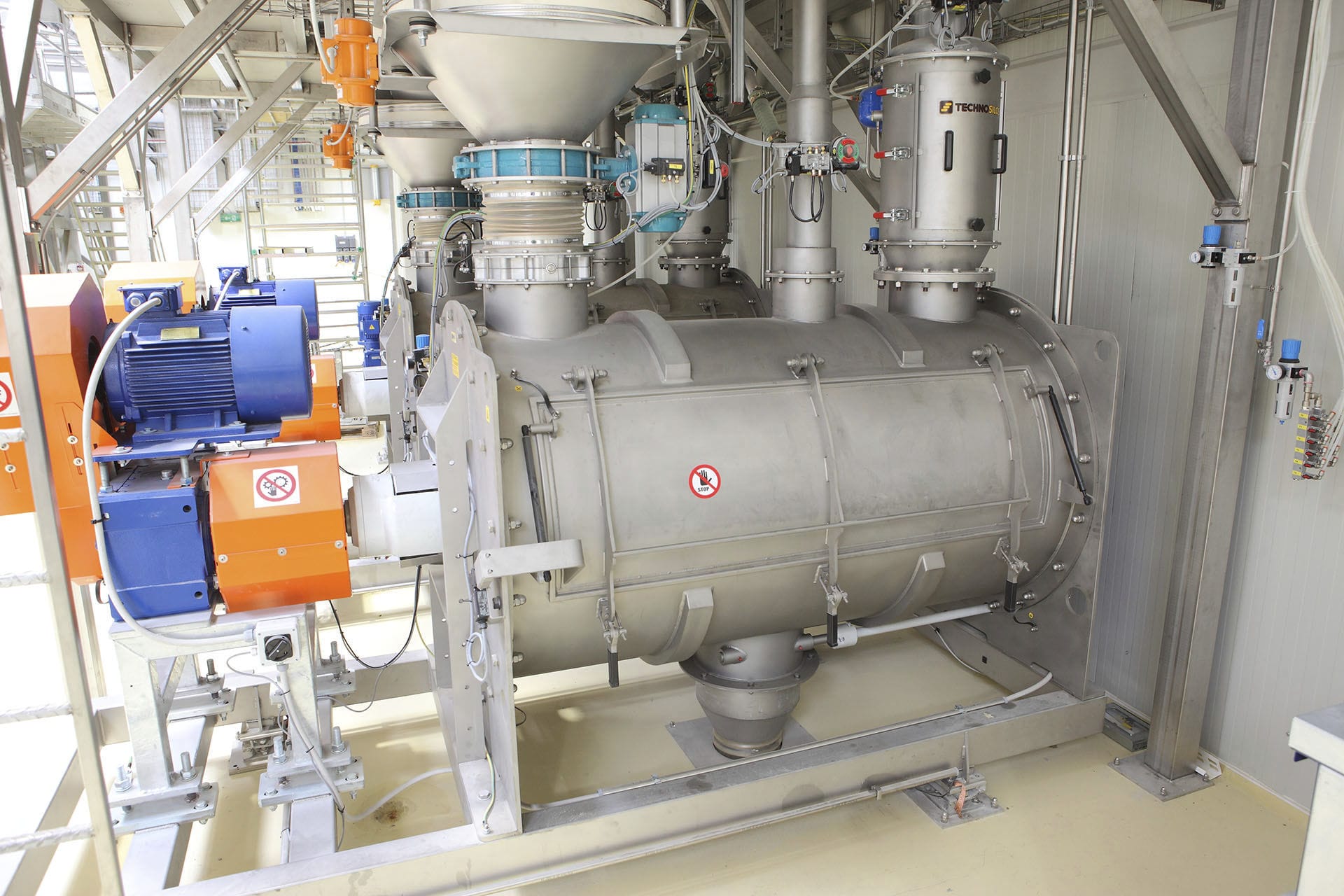
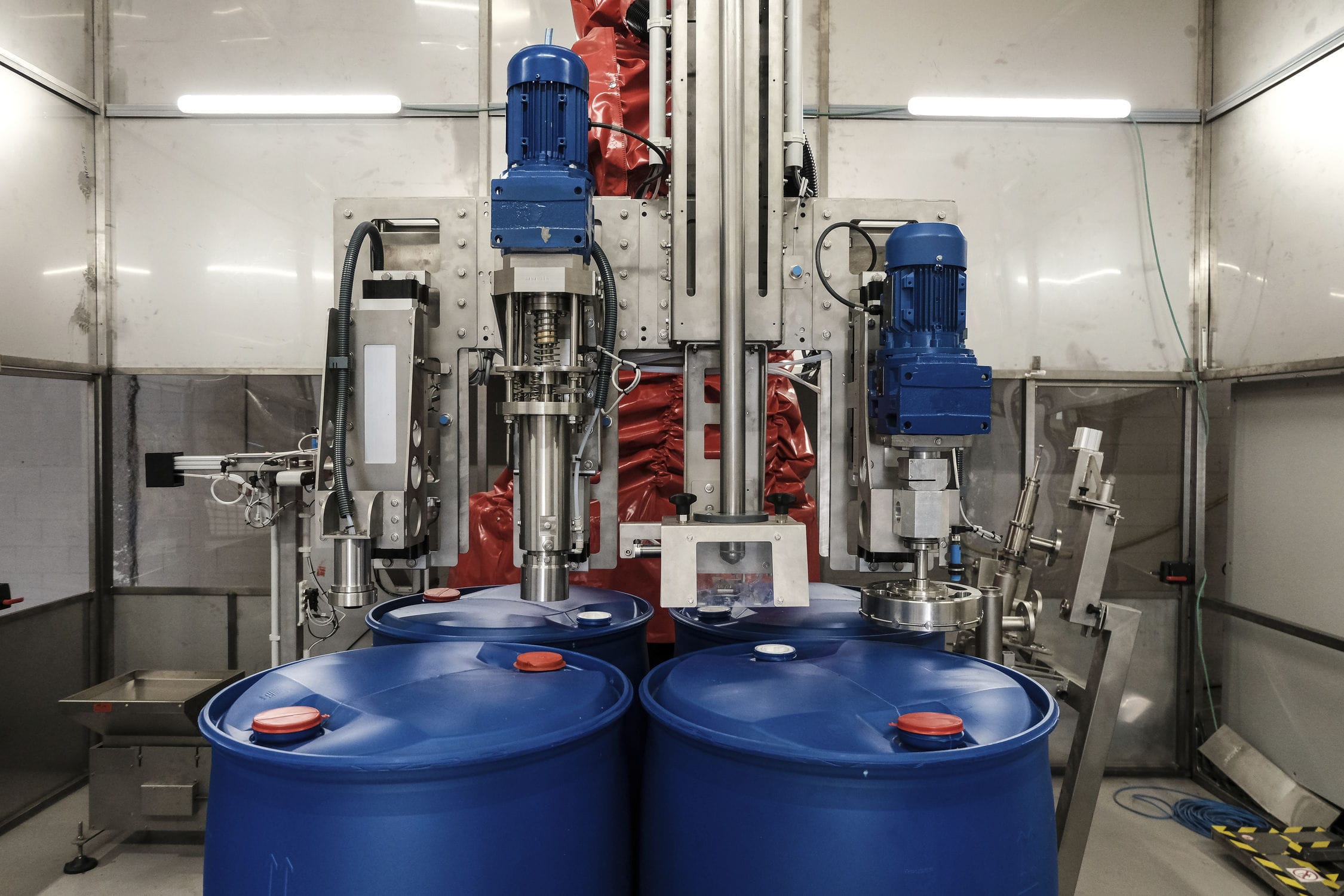
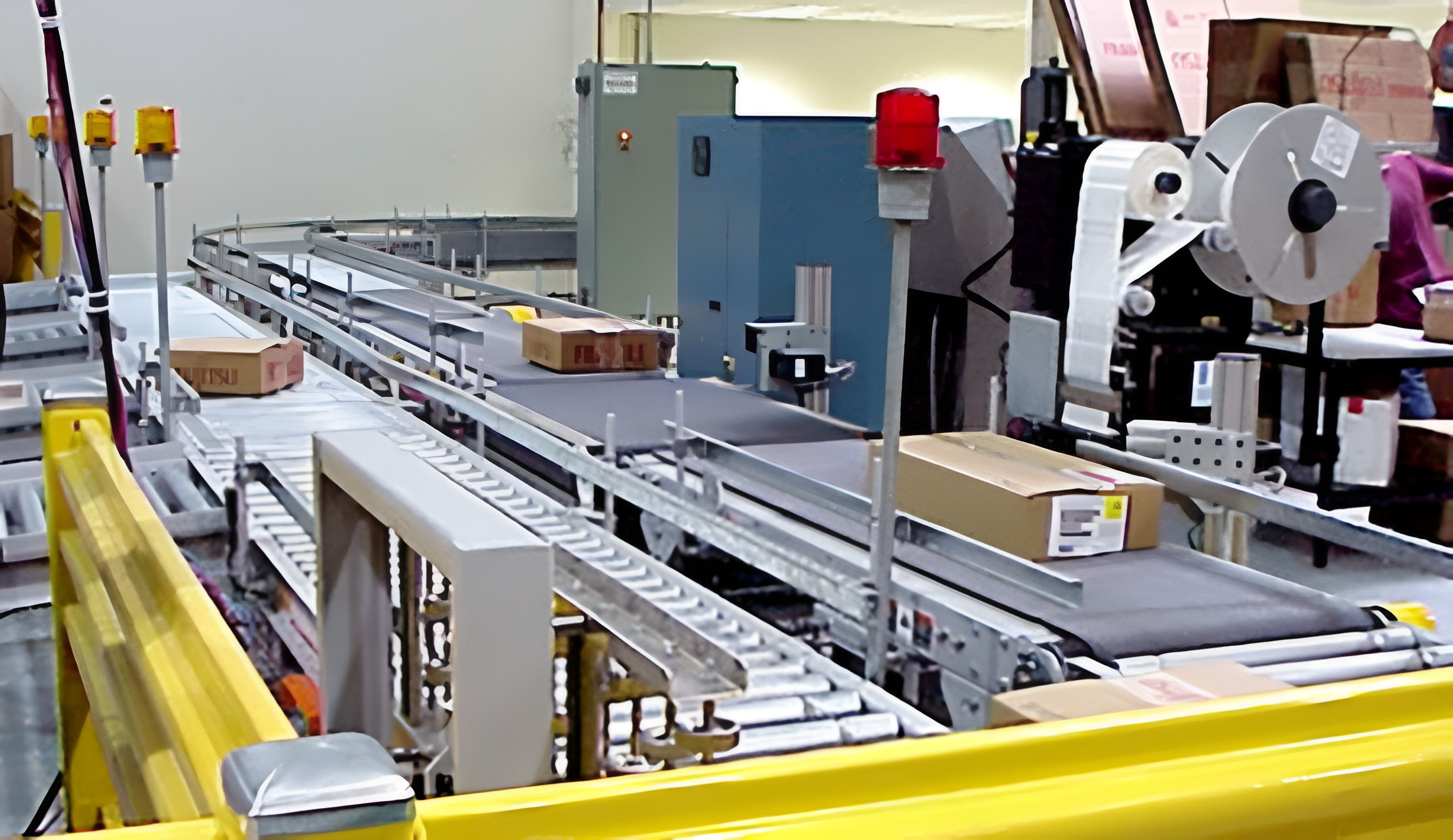


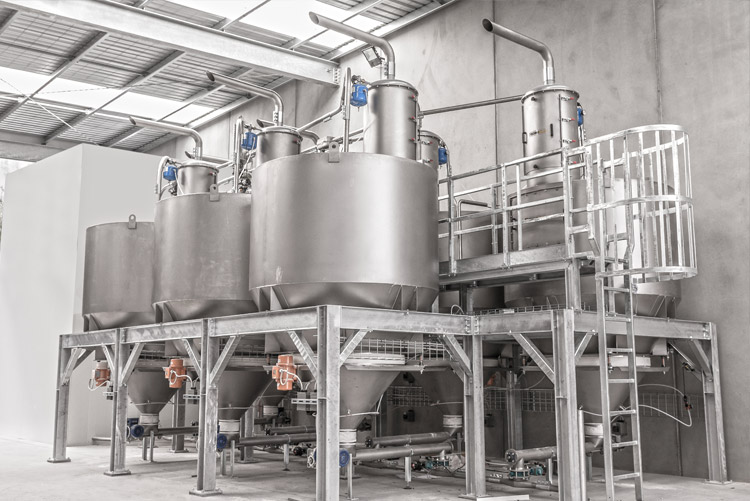
Weighing Vertical reactor is an automatic production line for conveying, proportioning, heating, mixing and packaging of different types of materials (solid or liquid). It adopts PLC control mode and novel frequency conversion speed control feeding mechanism, which can realize the functions of material transmission, dosage control, formula design and production data management with the dosage control software package. And can realize the aggregate control of multiple batching systems through the network.

 020-34563445
The weighing vertical reaction vessel is an automated production line that is designed for the entire production process of various types of materials (solid or liquid), including transportation, proportioning, heating, mixing and finished product packaging. By adopting PLC control mode and a novel variable frequency speed regulation feeding mechanism, combined with the batching control software package, functions such as material transmission, batching control, formula design, and production data management are realized. And multiple Batching systems can be collectively controlled through the network.
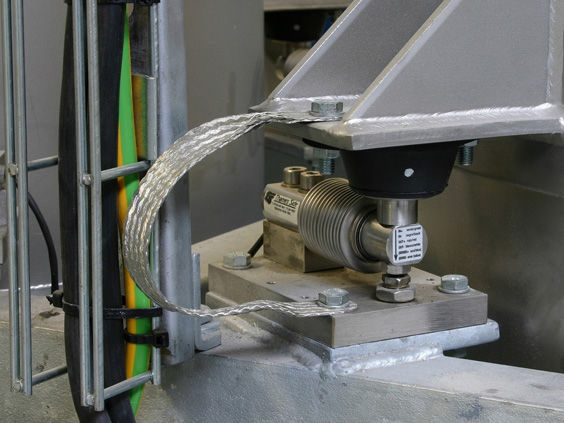
The weighing control system adopts Advantech industrial computer as the upper computer and Siemens S7-300PLC as the lower computer. The upper computer uses WinCC6.0SP3 to write the interface and the operating system is WindowsXPSP2. The lower computer is programmed using STEP75.3SP3. The upper computer is a human-machine interface (HMI), and the lower computer is the execution part of the batching system. The entire electrical equipment is centrally controlled by this PLC system, and various on-site analog and digital signals are centrally processed through the PLC. The PLC communicates with the upper computer, collects these data and sends them to the computer, which is displayed through the HMI. Operators can also issue instructions through the upper computer. After receiving the instructions, the PLC processes the signals through a series of programming tasks to control various operations. The PLC is connected to the on-site Electronic scale through a local master station. The communication between the master station and the field electronic scale adopts the Profibus-DP fieldbus. The main station is an S7-300PLC, consisting of a power supply, CPU, and an Ethernet communication module. Its CPU module adopts CPU315-2DP and is equipped with MPI communication that supports multi-point communication. The entire batching system has a simple wiring and a more reasonable structure. The upper computer communicates with the PLC through an Ethernet interface, which is easy to expand.
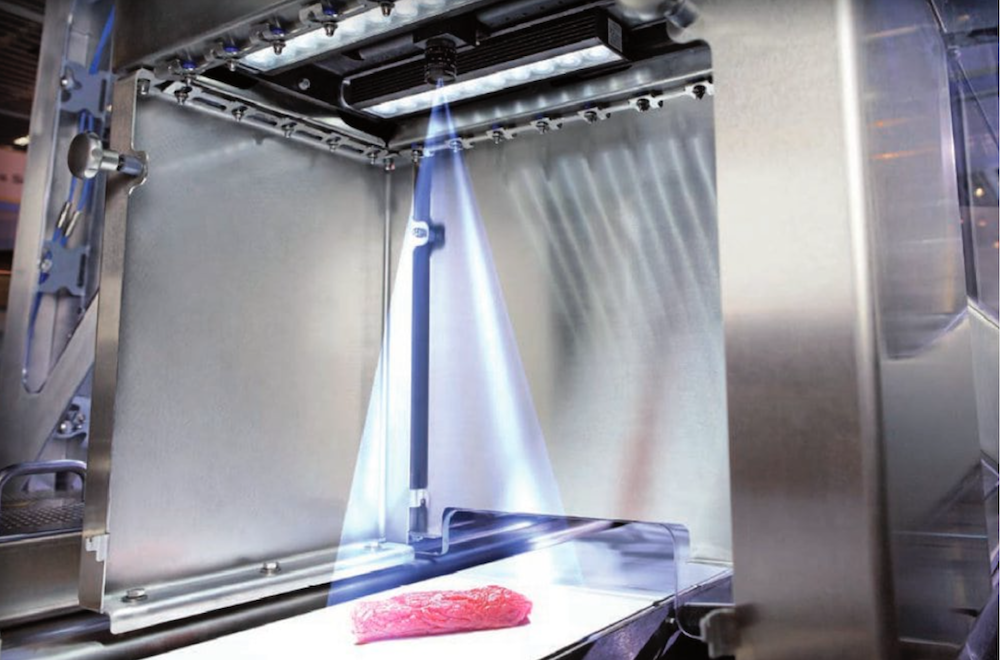
The batching system can meet many requirements for monitoring and controlling the production process as well as archiving production data. The user interface drawn with WinCC is easy to operate and has a good human-machine interface. It can dynamically display the operating status of various equipment on site and various parameters of the batching system operation. Operators can also flexibly control the start and stop of on-site equipment and change the operating parameters of the ingredients as needed. The configuration master control process written for WinCC. According to the statistics of the number of points to be monitored and controlled in the preparation, it has strong control functions and strong computing capabilities.
Technical parameters
Design volume: 50L-10000L(Volume can be designed as required).
Electric heating power: 6kw-700kw(depending on the volume of the equipment and the process requirements of the material).
Reaction temperature: Room temperature -300℃ or higher, depending on the working conditions.
Reaction pressure: -0.1-0.3Mpa.
Equipment material: SUS304 stainless steel, SUS321 stainless steel, SUS316L stainless steel or Q235-B carbon steel.
Stirring forms: paddle type, anchor paddle type, frame type, helical ribbon type, turbine type, dispersing disc type, combined type, etc.
Heating methods: Electric heating, steam heating, water bath heating.
Heat transfer medium: heat transfer oil, steam, hot water, electric heating.
Heat transfer structure: jacketed type, outer half-tube type, inner coil type.
Stirring speed: The selection of the stirring speed should be based on the requirements for the stirring and mixing of the materials. For conventional liquid material polymerization reactions, the rotational speed is 85r/min. When powder materials are mixed with liquids to achieve a dispersion effect, the rotational speed should be 0-1500r/min. To achieve emulsification when oil is mixed with liquid or two immiscible liquids, the rotational speed should be 0-2800r/min.
Working principle: The inner layer can be filled with reaction solvents for stirring reactions, and the interlayer can be connected to different cold and heat sources (refrigerant, hot water or hot oil) for circulating heating or cooling reactions. Through the interlayer of the reaction vessel, constant-temperature (high or low) heat-dissolving media or cooling media are injected to heat or cool the materials inside the reaction vessel at a constant temperature. At the same time, stirring reactions can be carried out under normal pressure or negative pressure conditions according to the usage requirements. The materials undergo reactions inside the reactor, and the evaporation and reflux of the reaction solution can be controlled. After the reaction is completed, the materials can be discharged from the discharge port at the bottom of the reactor, making the operation extremely convenient.