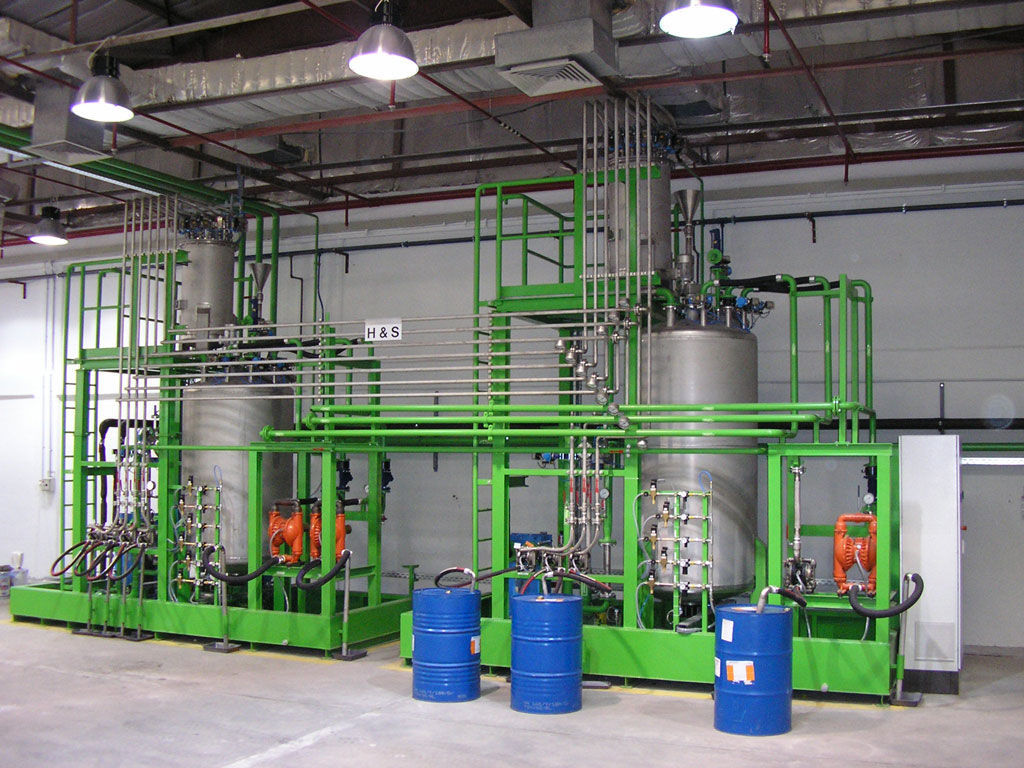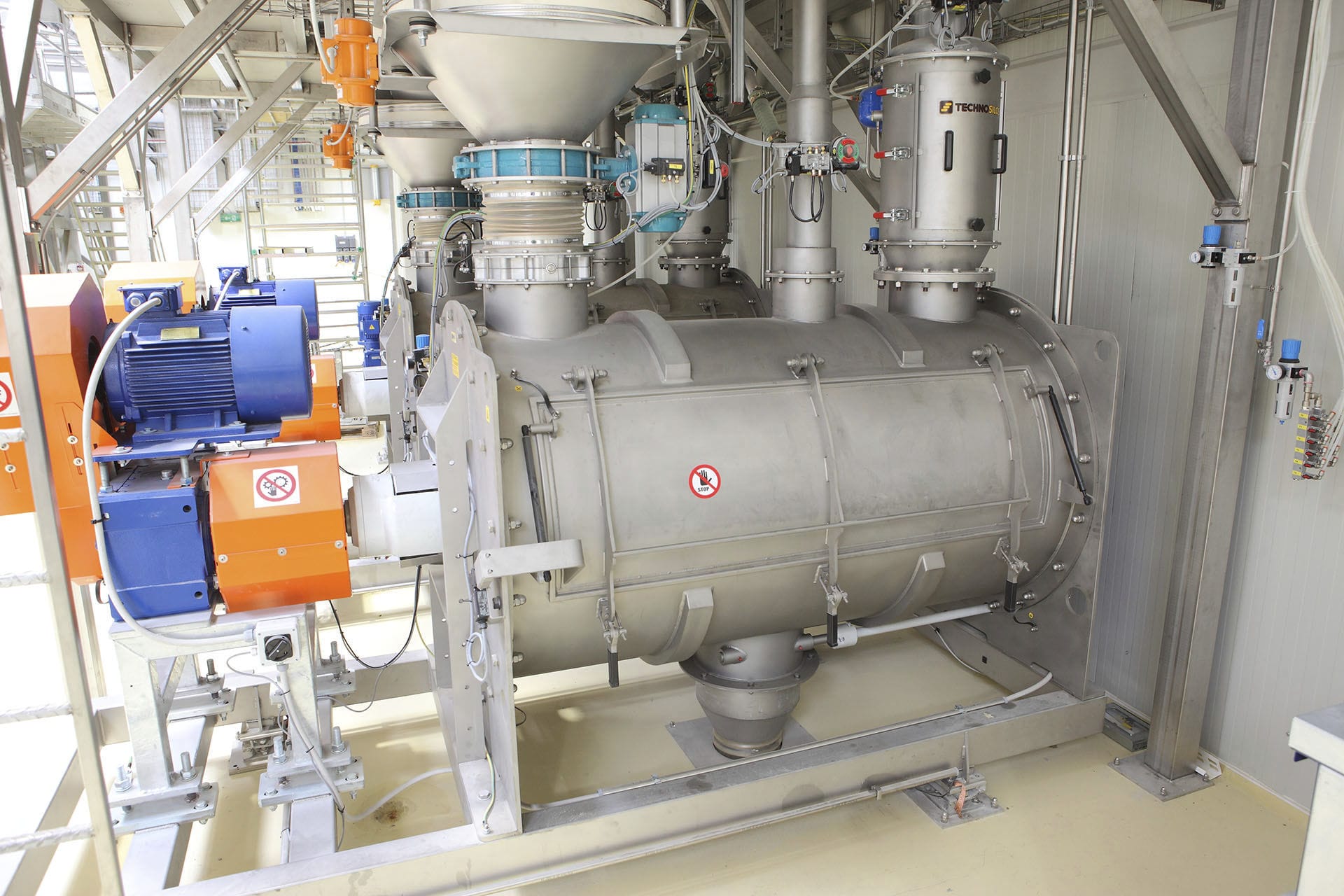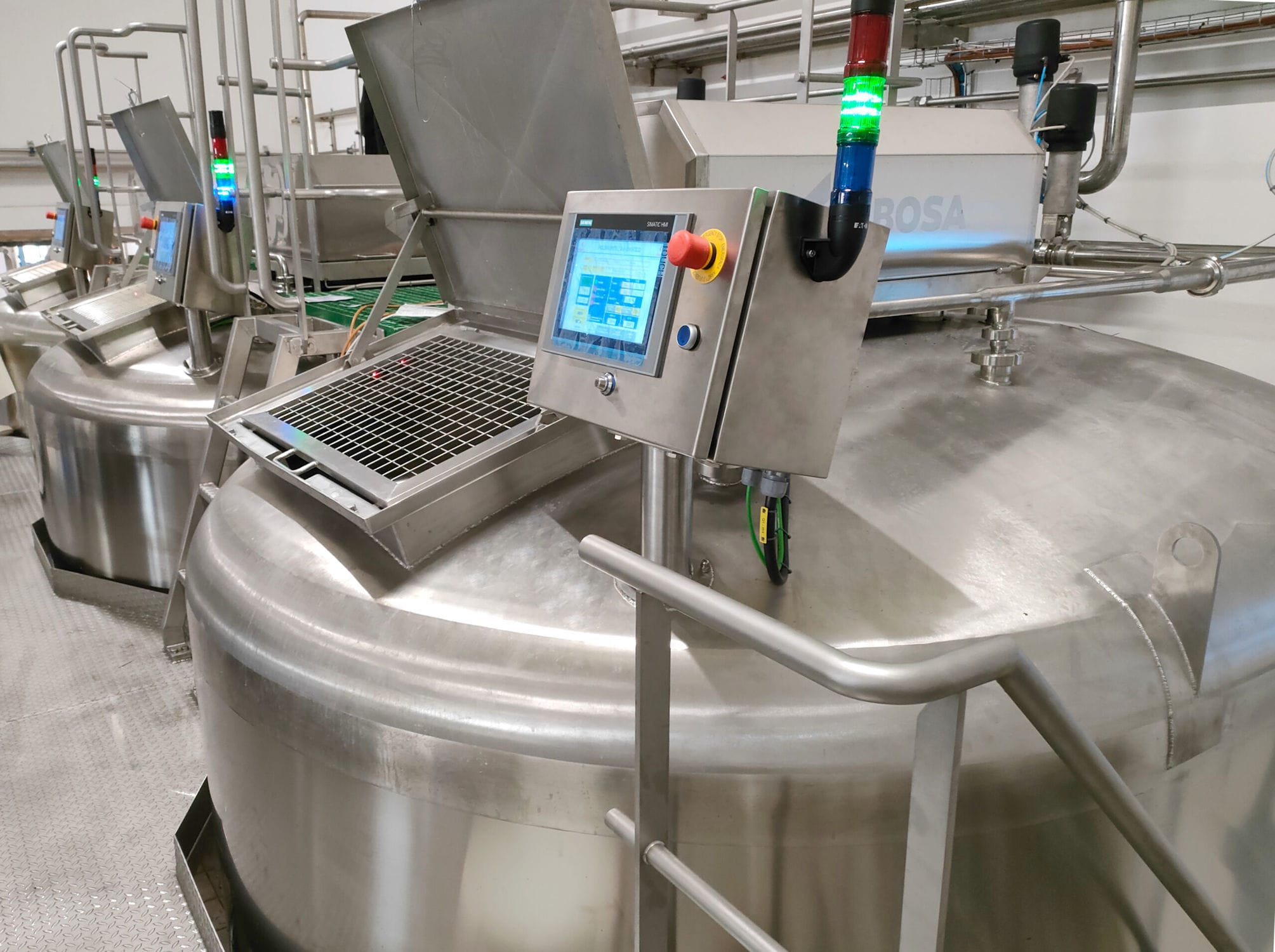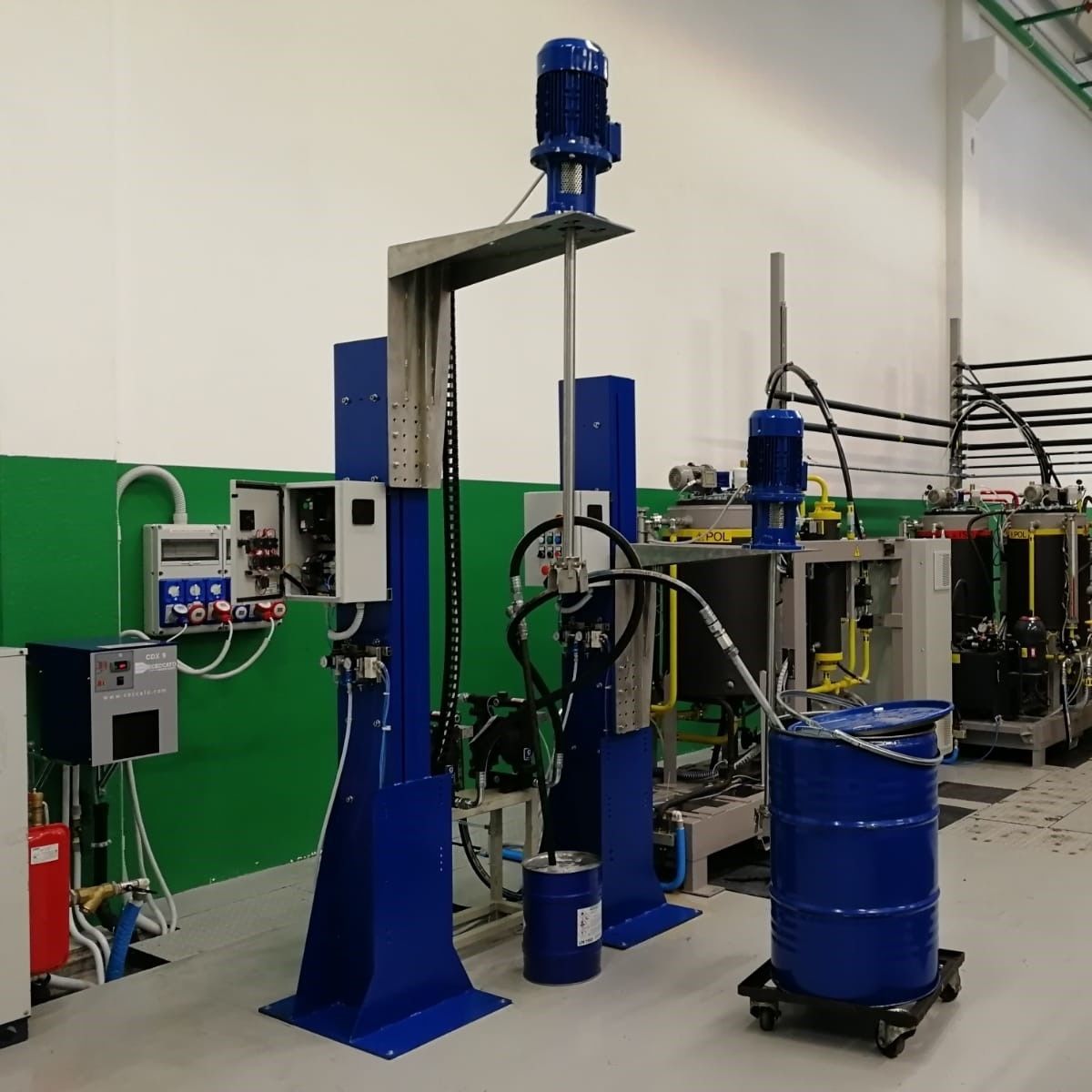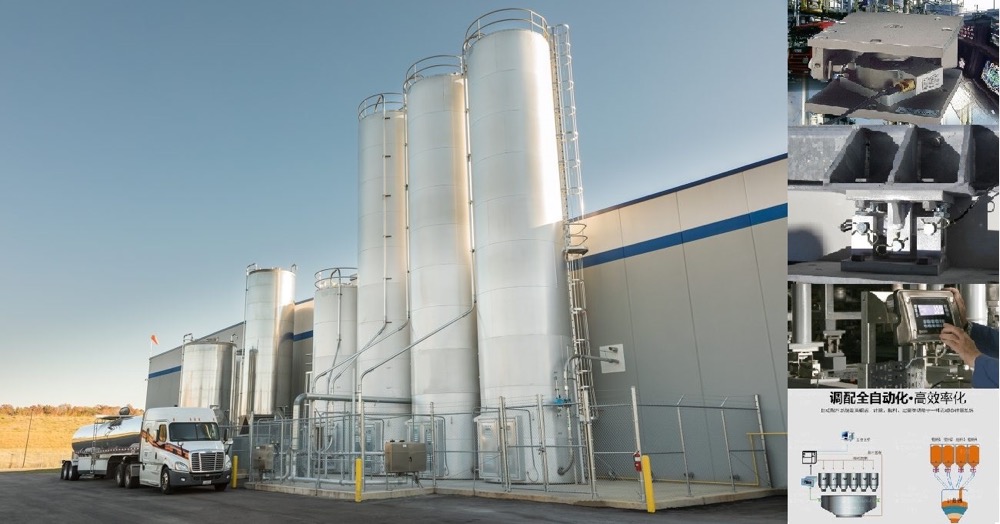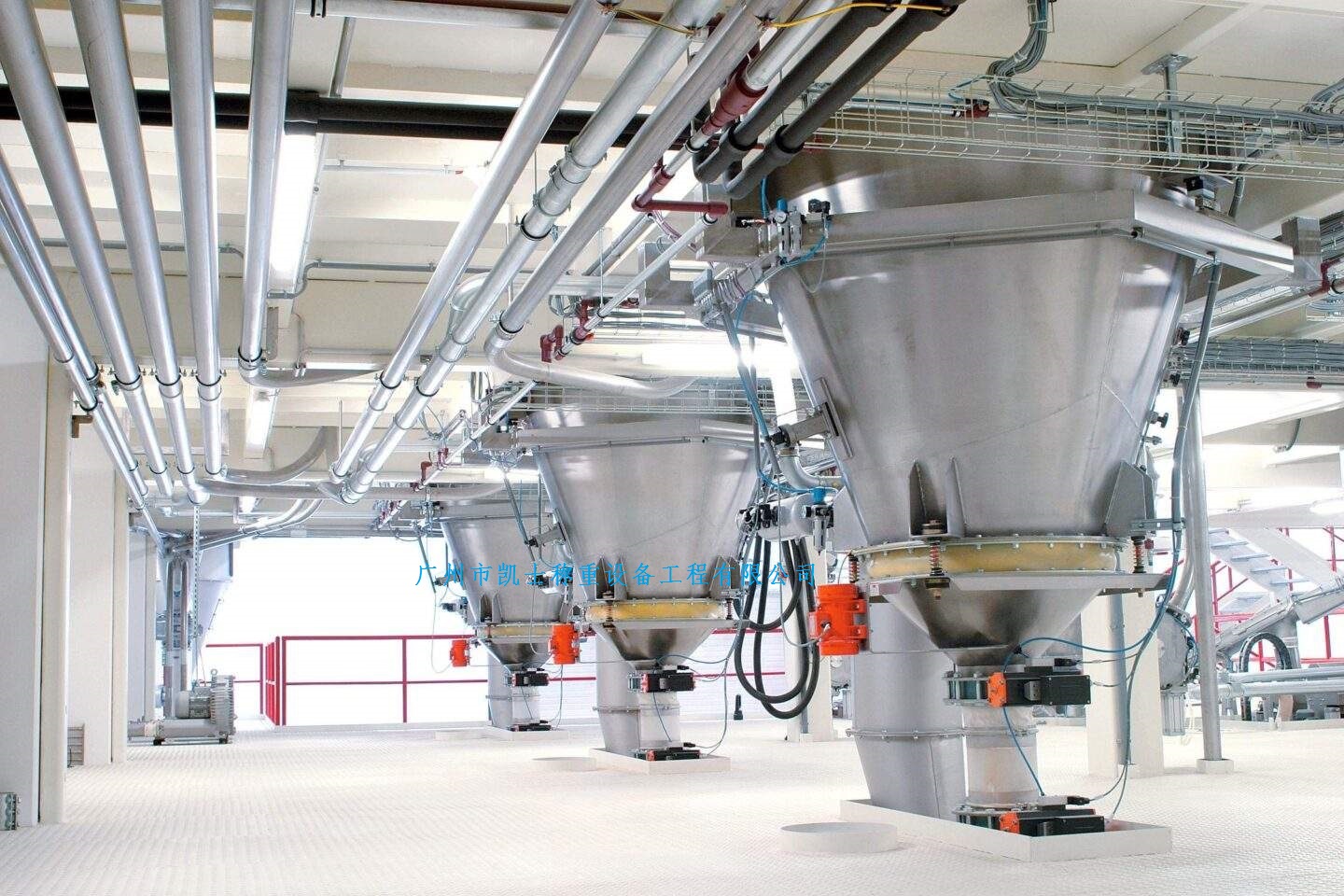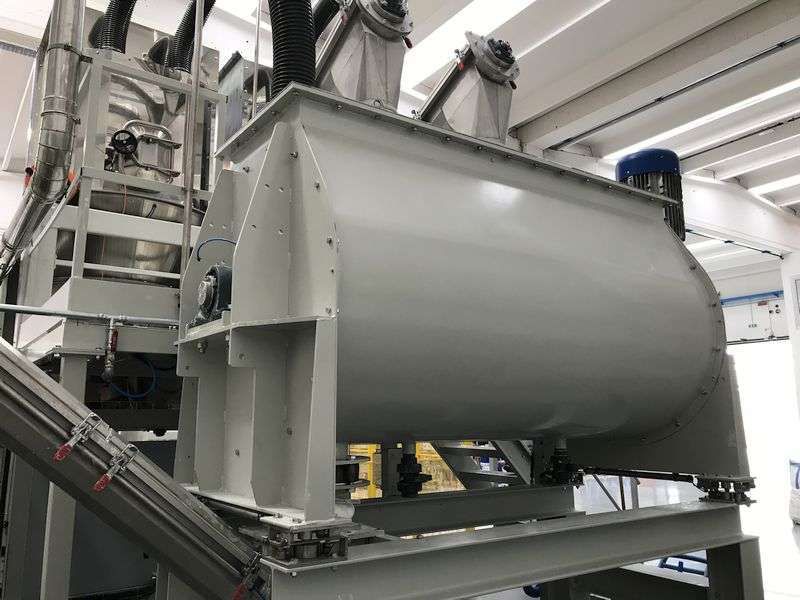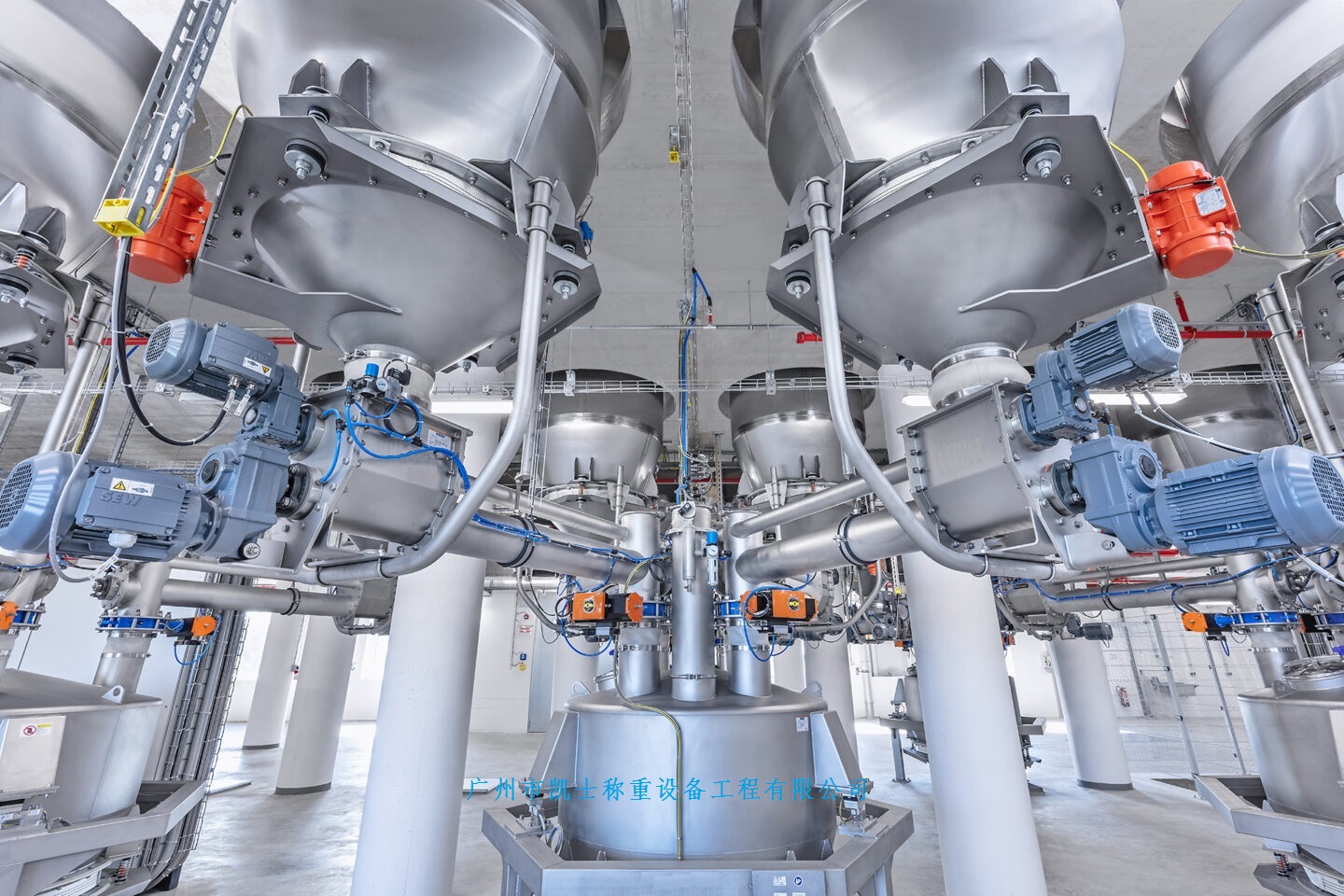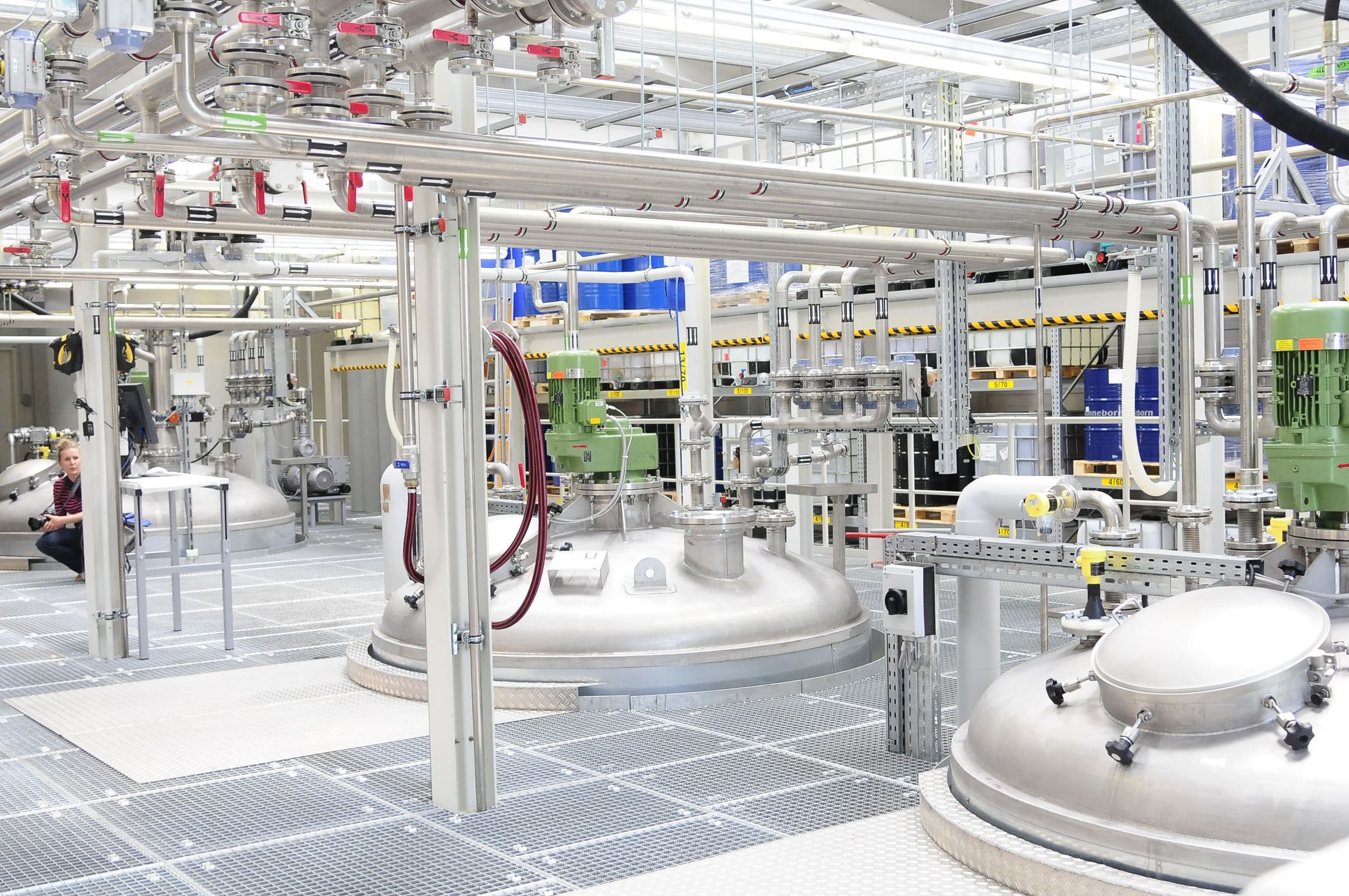


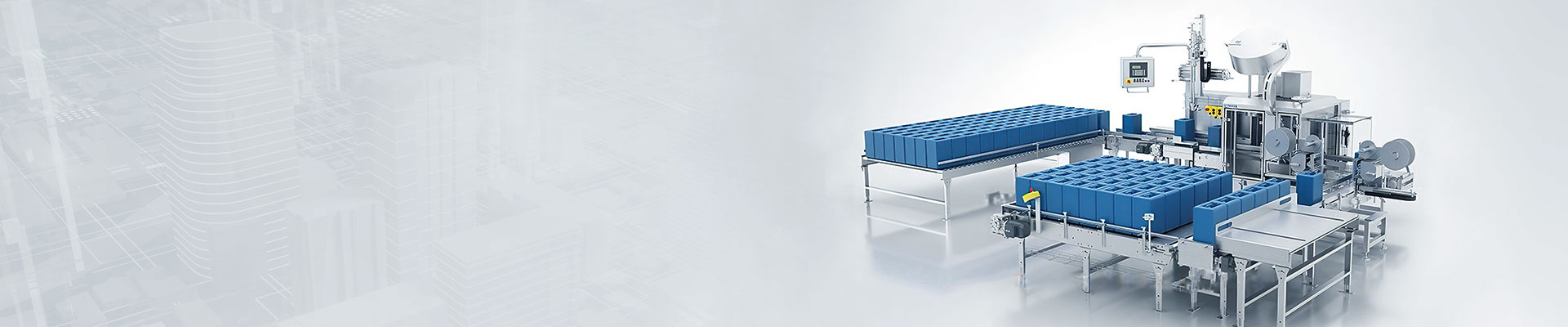


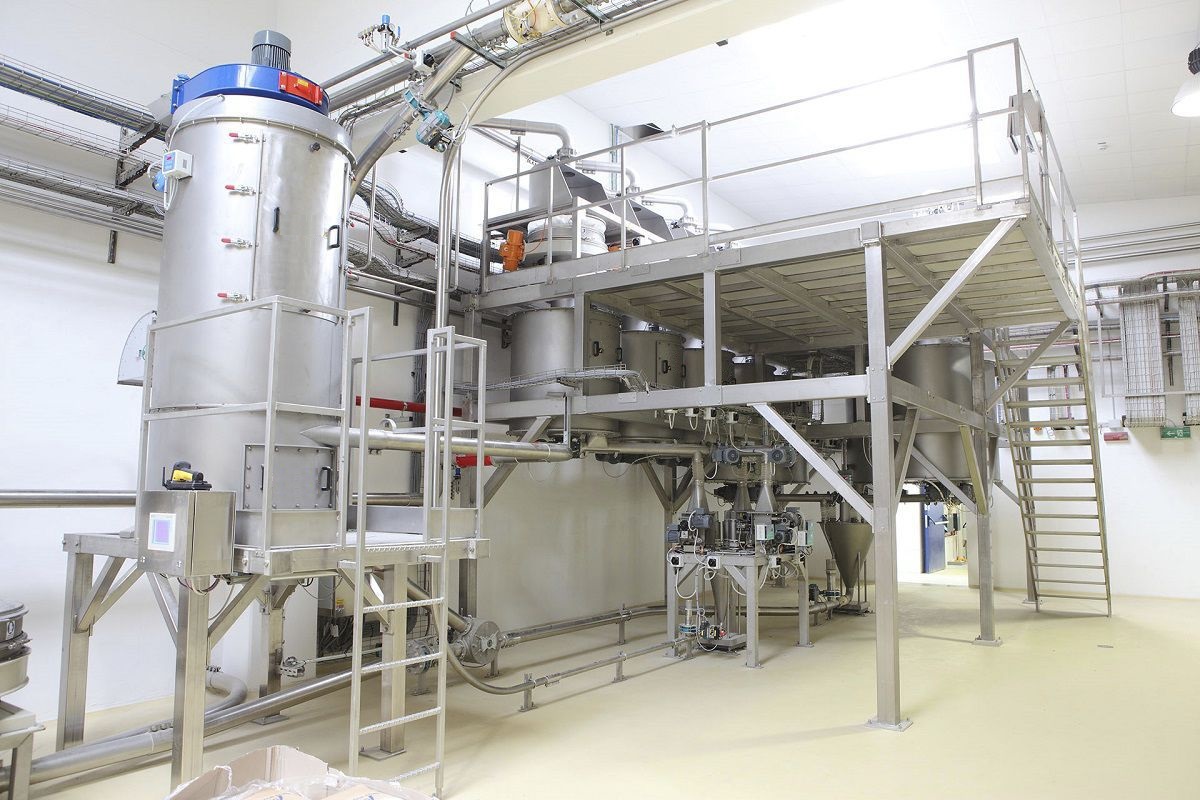
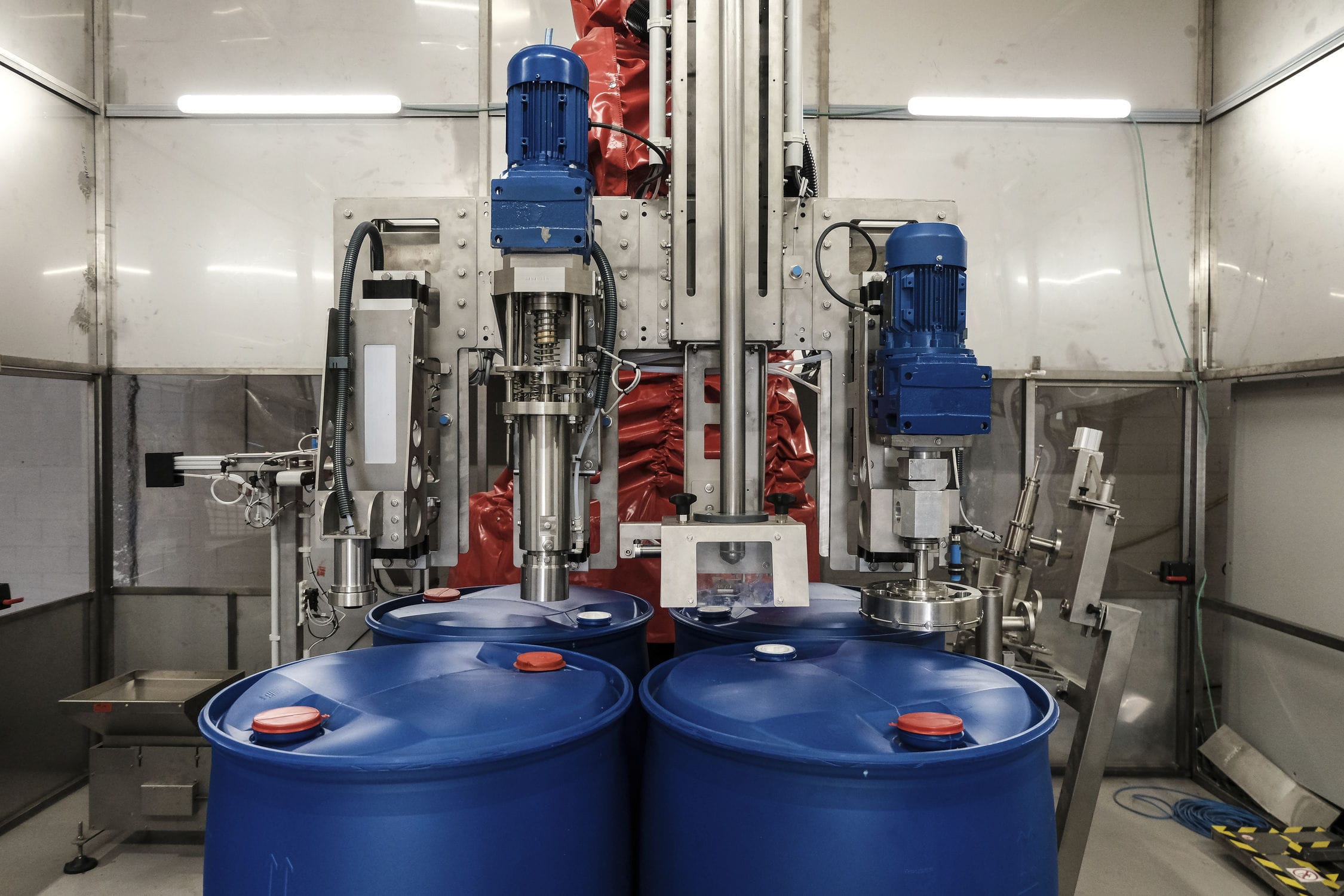
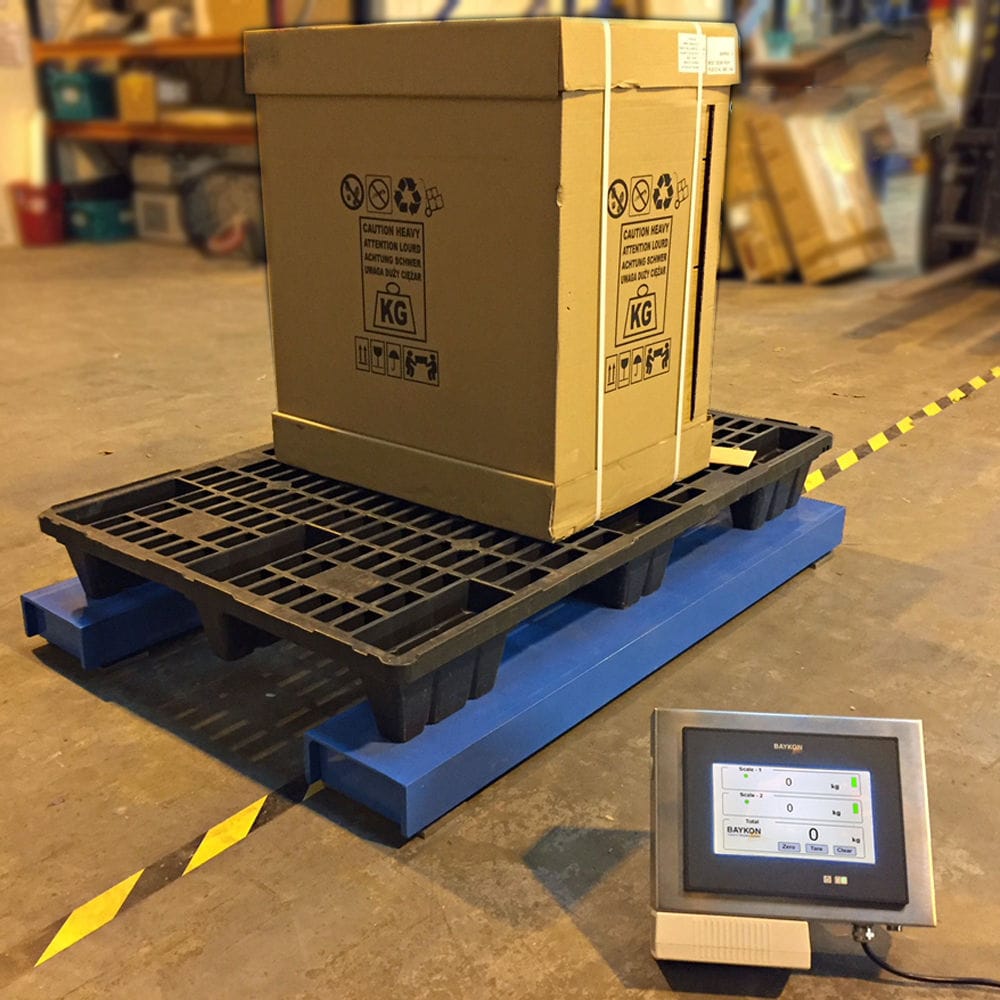


Weighing Automatic batching system via load cell. The combination of the control system can realize the weighing and measurement of the tank, so that the control system, the user can directly access the PLC to achieve multi-pass control and automatic control system, terminal control system. Support the ratio weighing of a variety of materials such as powder, granular, block, sheet and liquid, and choose a variety of metering methods such as single ingredient, multi-ingredient sequential accumulation, weight reduction, weight loss, etc.

 020-34563445
The fully automatic weighing Batching system is an integrated automatic batching control system that combines computer production process control and data management such as weighing and feeding, formula control, and discharging. It adopts Mitsubishi Q series PLC and Advantech industrial control microcomputer to build a high-performance control platform. For the design of an automated system for production control, it is of vital importance to achieve stable and reliable operation, simple and practical operation, as well as superior cost performance. This system consists of five major parts:
1. Control section: The upper computer adopts Advantech P4 industrial control microcomputer, Mitsubishi Q series PLC communication module, switch input/output module, manual - automatic control switch, manual control button and indicator light, etc. are all installed in the integrated control cabinet, which is convenient for operation.
2. Software part: Customized based on the basic requirements of the Weighing system and the actual needs of users.
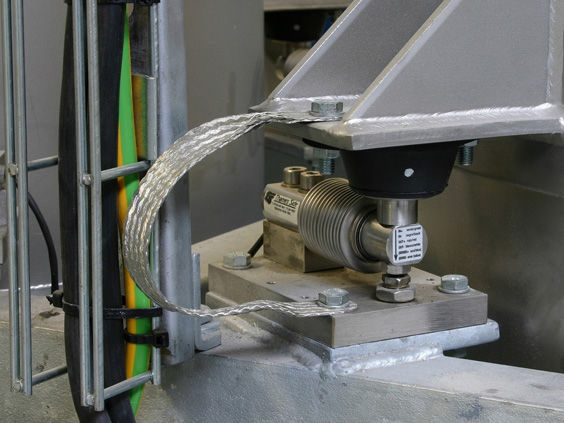
3. Weighing section: It is made by using high-precision Weighing modules in combination with weighing control instruments.
4. Execution part: The feeding and discharging control is carried out by means of pneumatic valve control and screw frequency conversion.
5. Feeding section: The feeding is handled by a screw feeding method.
Action process
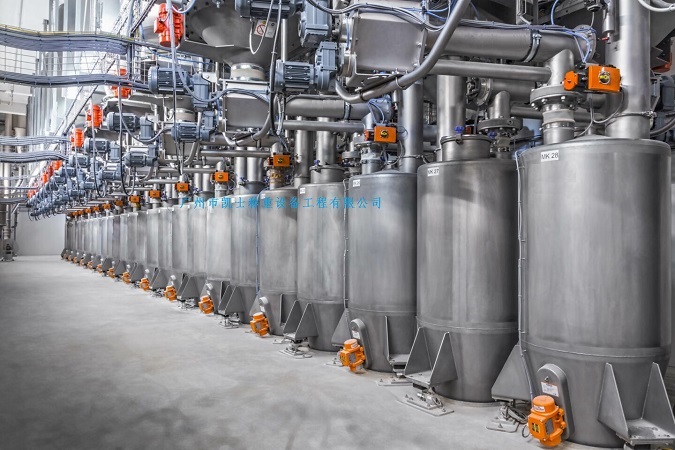
The weighing silo is equipped with a weighing sensor and connected to the industrial control computer via rs232. This system is designed to manually check the zero position of each weighing silo when the machine is shut down, which can monitor whether the zero position of the weighing silo is normal. During the continuous batching operation, automatic zero checking can correct the zero position change of the weighing silo and ensure the measurement accuracy.
2. After the operator clicks to start the batching operation process, the PLC controls the pneumatic valve and screw for adding the first type of raw material to open. This type of raw material is slowly added to the weighing silo. The computer monitors the signal transmitted by the weighing sensor under the weighing silo in real time and compares it with the target value set by the formula. When the set formula target value is reached, the PLC control output is disconnected. The pneumatic valve and screw for feeding the first raw material are closed. After it stabilizes, the total weight of the weighing silo and the raw materials that have been added is measured, and this value is used as the zero position before feeding the second raw material.
3. Then, start the process of adding the second raw material. Repeat this process until the second, third, and so on. Until the sixth raw material has been added completely.
4. When the feeding process is completed and all the pre-set discharging conditions are met, the discharging process begins. The pneumatic discharge valve allows the mixed material to flow out naturally under the effect of gravity. The system monitors in real time the signals transmitted by the metering sensors under the weighing silo. When it detects that the total weight of the weighing silo has returned to the initial zero position, the discharge valve closes and the discharge process is completed.
5. The operator can preset the sequence of each feeding and opening.
6. The system can record the tank number in operation, the actual feeding amount of each raw material, the deviation from the target value set by the formula, the start and end times and feeding time of feeding, as well as the start and end times and discharging time of discharging and other operation data.
7. Through the upper computer application program, the original data and statistical reports of the system operation can be queried and printed.