

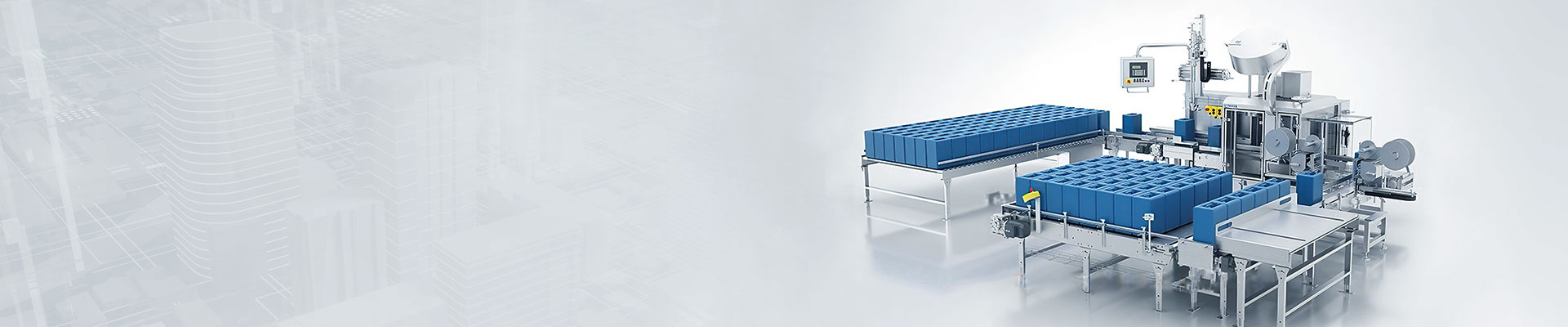
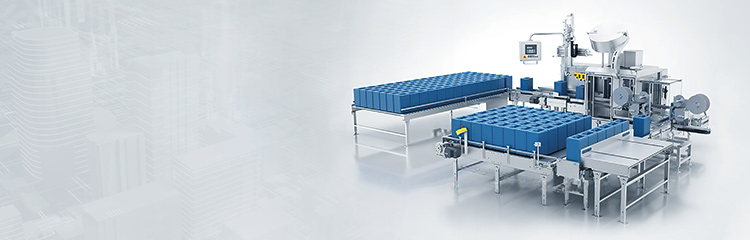


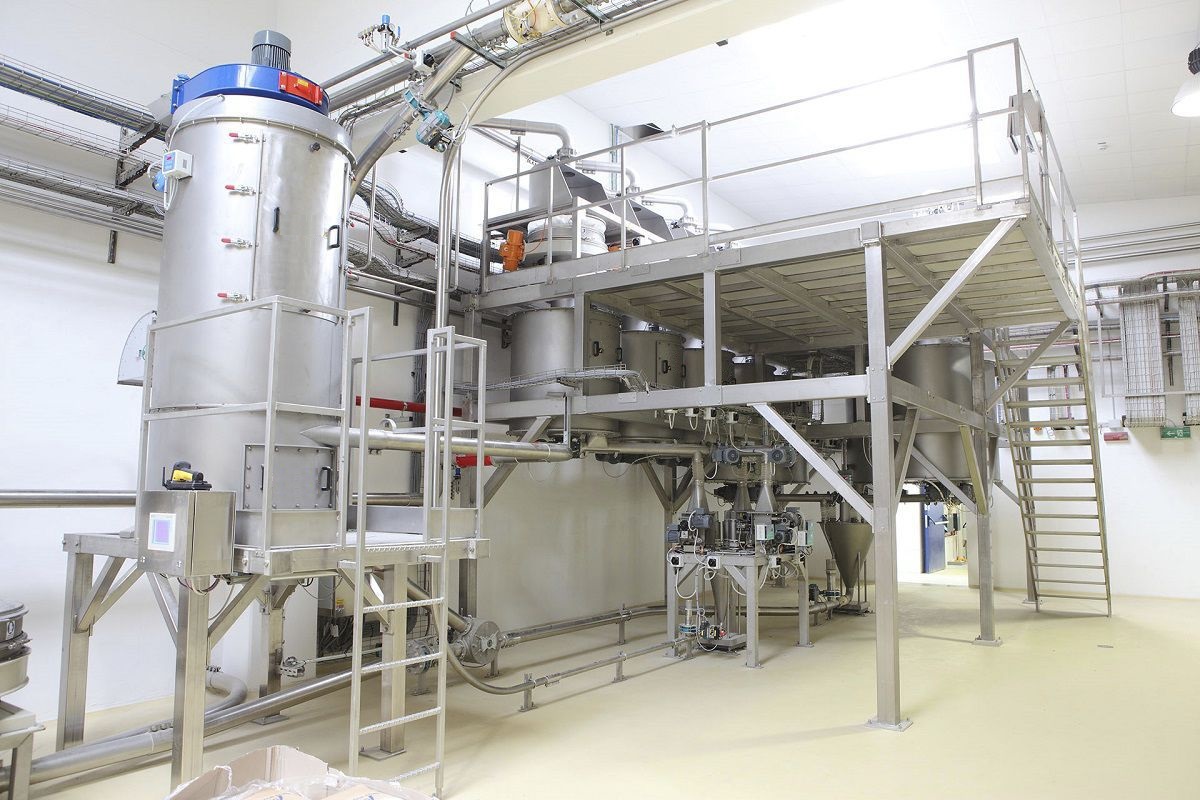
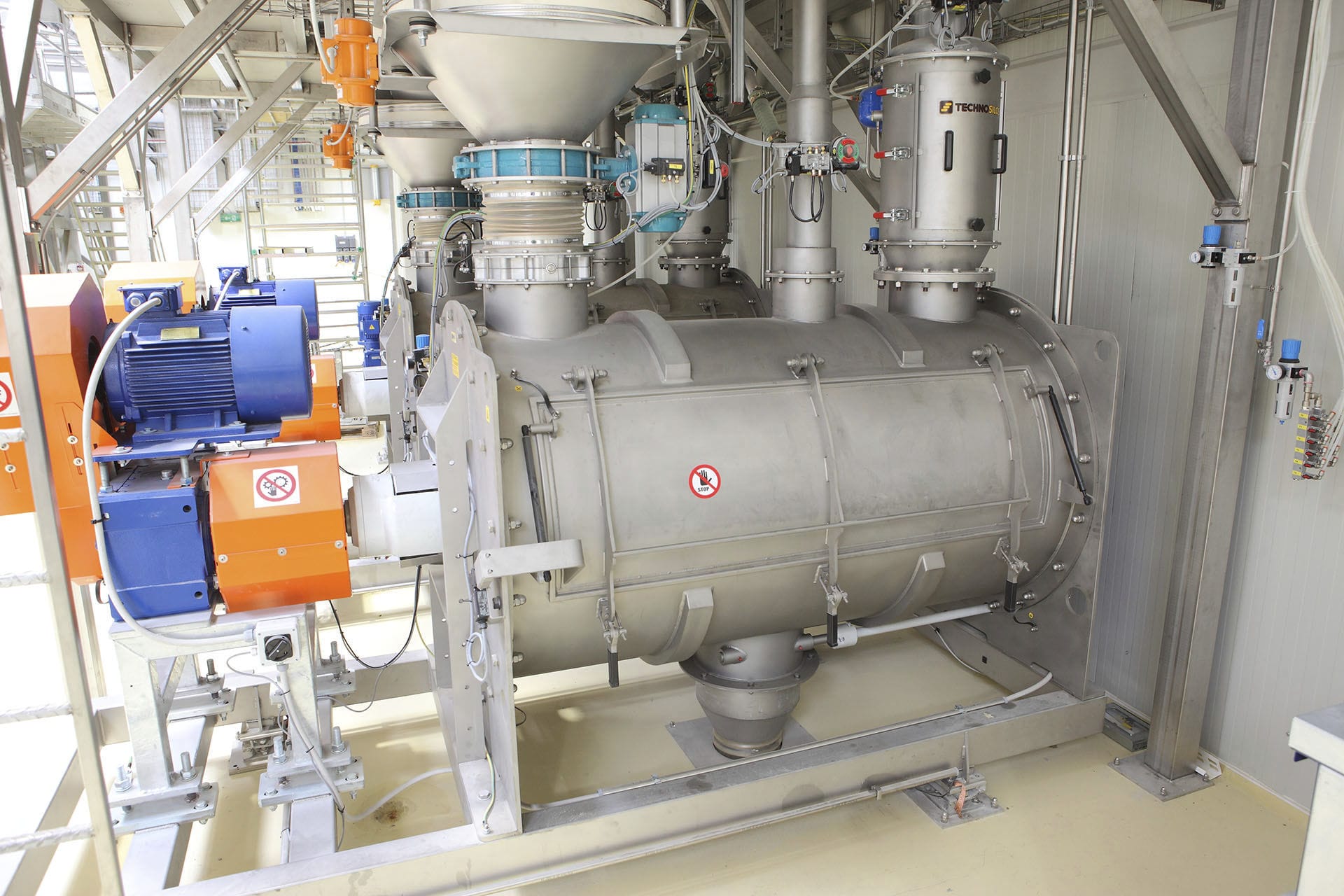
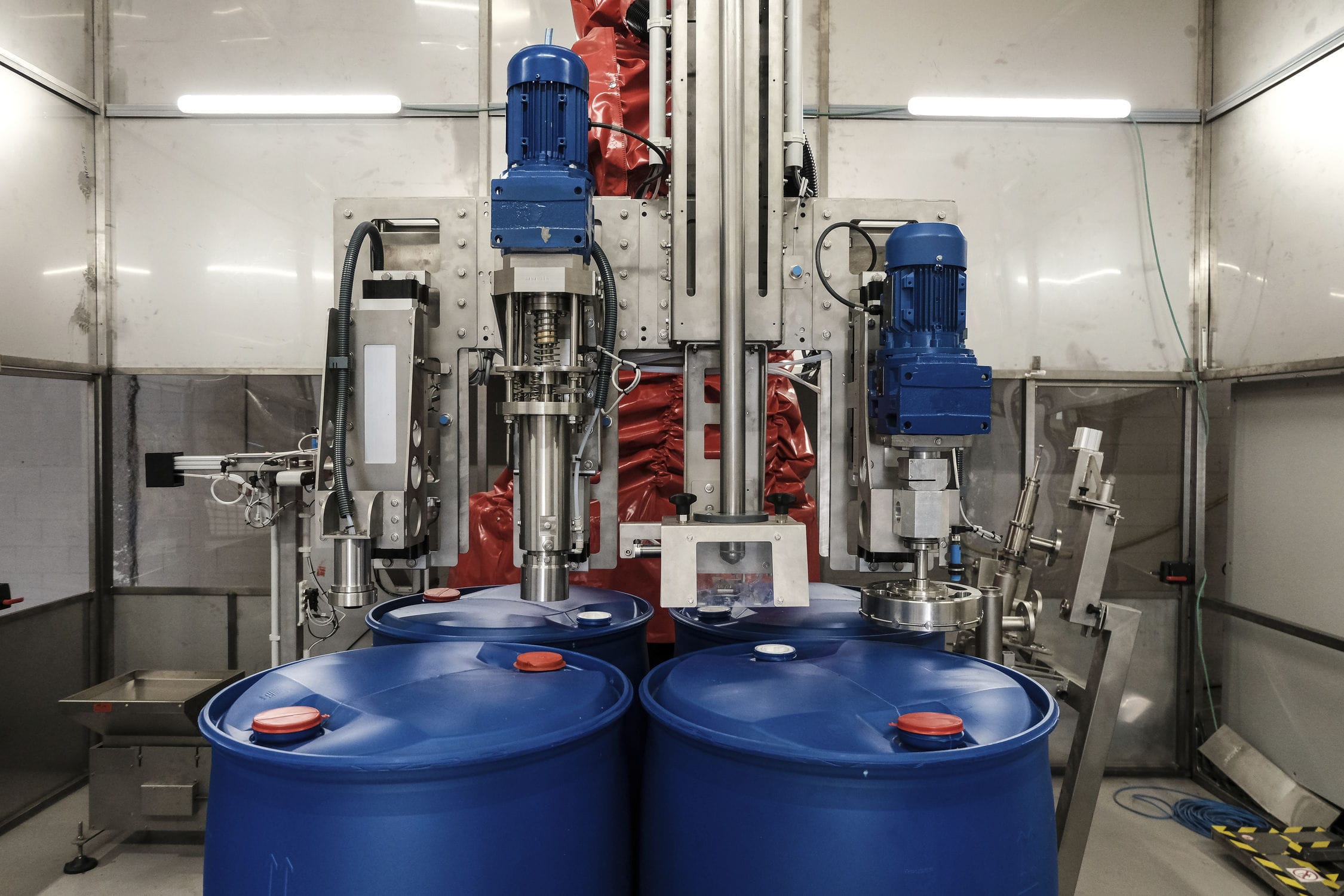
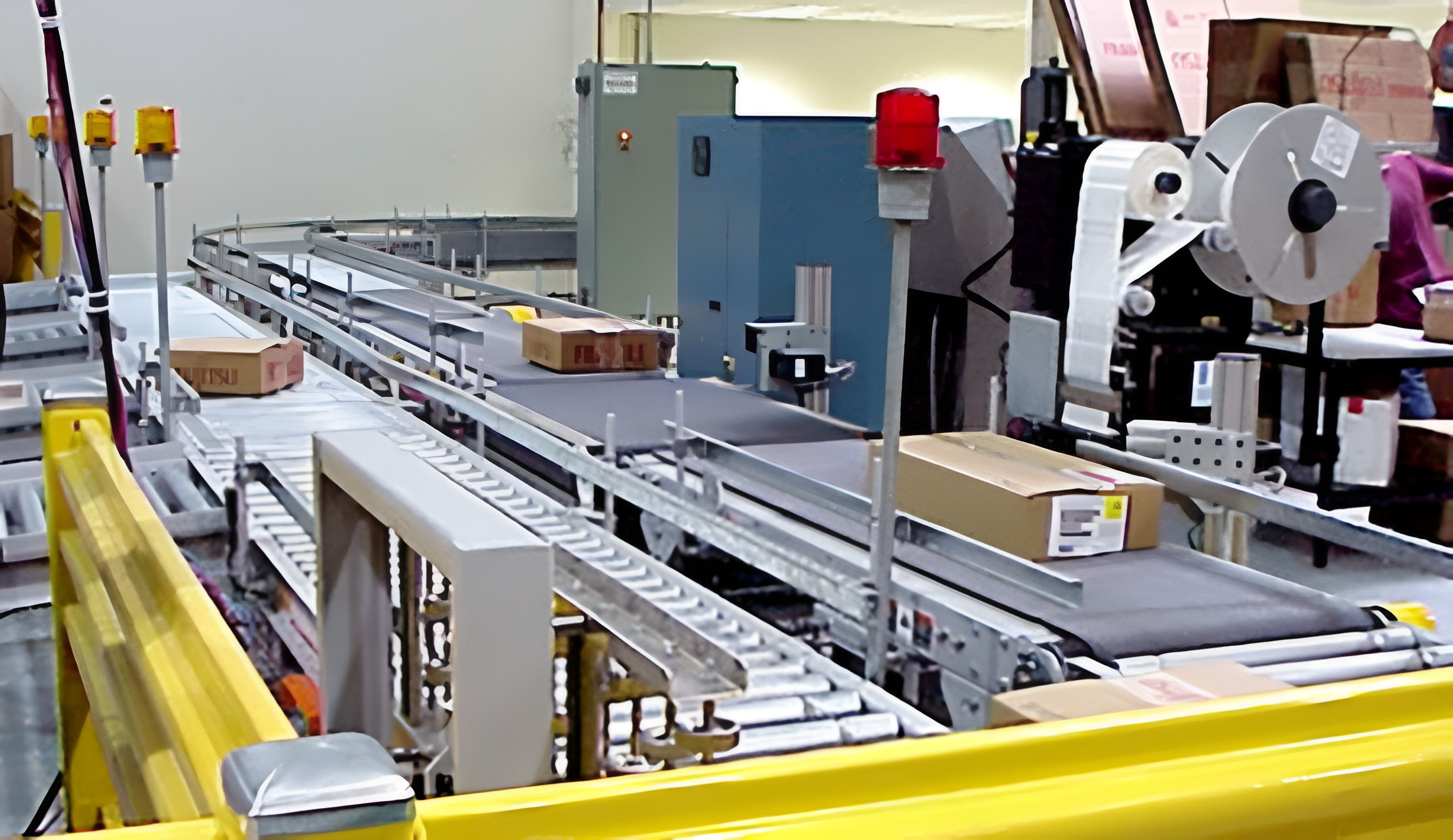
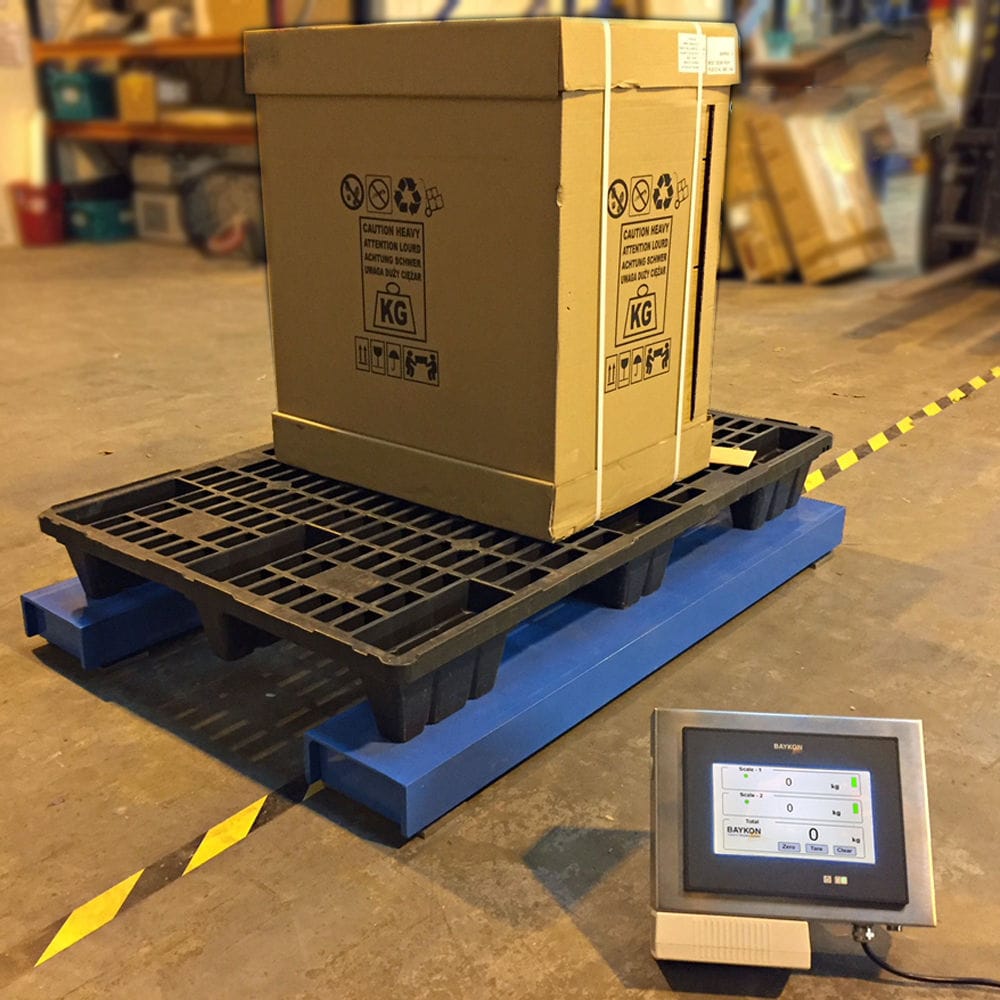


The Closed loop mixing dosing system outputs a certain number of square wave pulses through PLC programming to control the Angle of the stepper machine and then control the dosing feed of the servo mechanism. The loop pulse distributor distributes the control pulses output by the programmable controller to the corresponding winding according to the power sequence of the stepper motor. The pulse distribution of the stepper motor controlled by PLC can be realized by software such as batching, capping, sealing, palletizing, weighing equipment and corresponding conveying.

 020-34563445
The closed-loop mixing and Batching system adopts a touch screen display and monitors from four aspects: the discharging process of the storage bin, the batching process, the discharging process and the batching process. The operator can monitor the entire process of this technical procedure from all directions in the main control room. Without going to the site, they can fully understand the production situation on site, avoiding all abnormal faults that cannot be controlled by control technology. The development benefits and prospects of the application of automatic batching technology: This technology has been proven through on-site operation that its hardware is reasonable, software design is complete, and functions are comprehensive. It ensures the stable operation of the production process, improves the quality and output of products, reduces energy consumption, and improves working conditions.
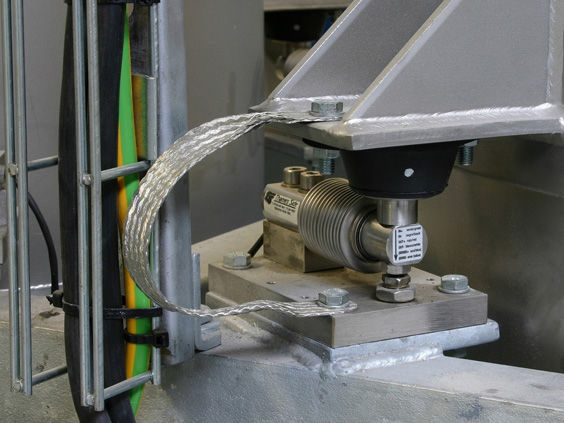
The batching control system is a device used for continuous conveying, dynamic metering and weighing of powdery and granular materials. According to the production process requirements, the materials are weighed and the flow is controlled through the upper-level monitoring system and PLC, thereby achieving precise measurement and batching. As an integrated automatic control device for dynamic continuous measurement and batching, it can also provide accurate measurement data and control means for production control and management in various industrial sites.
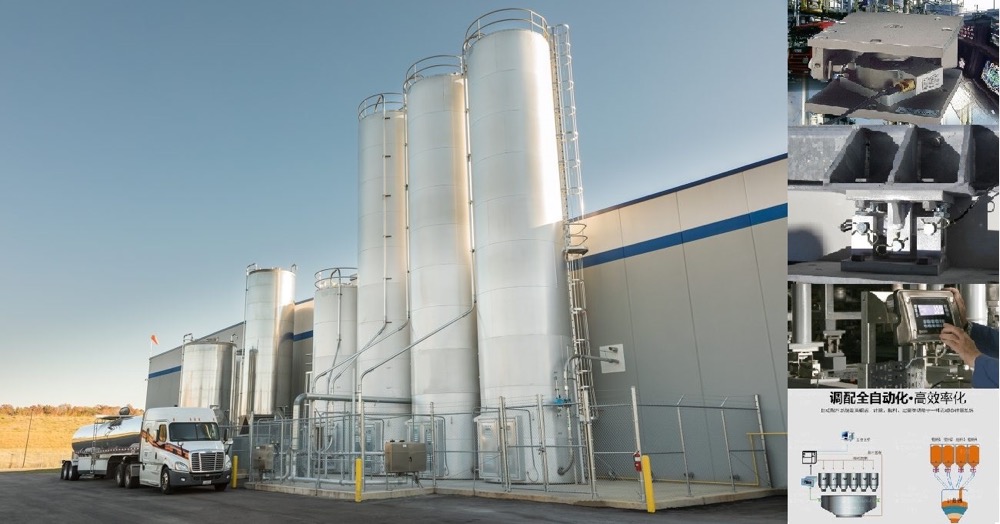
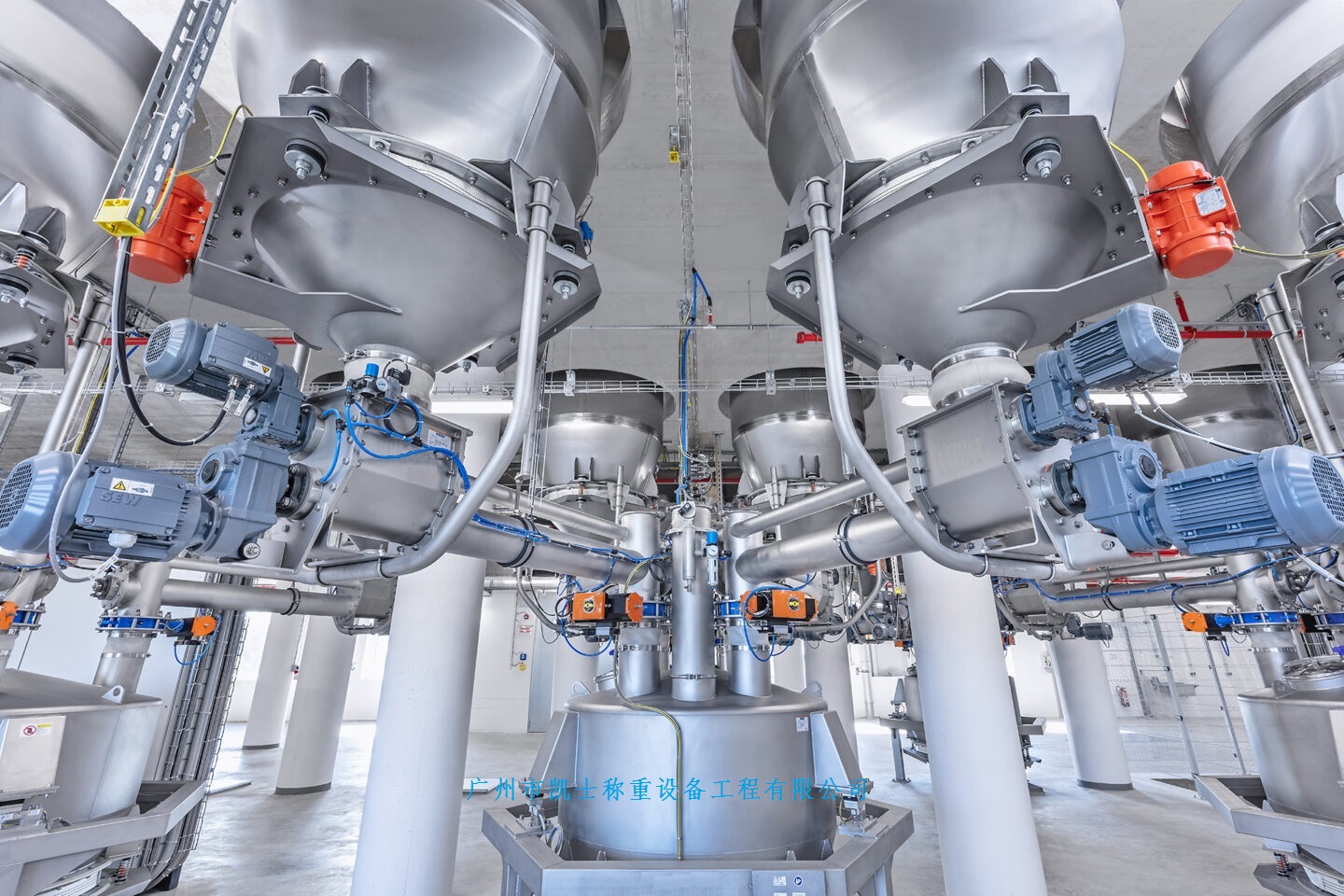
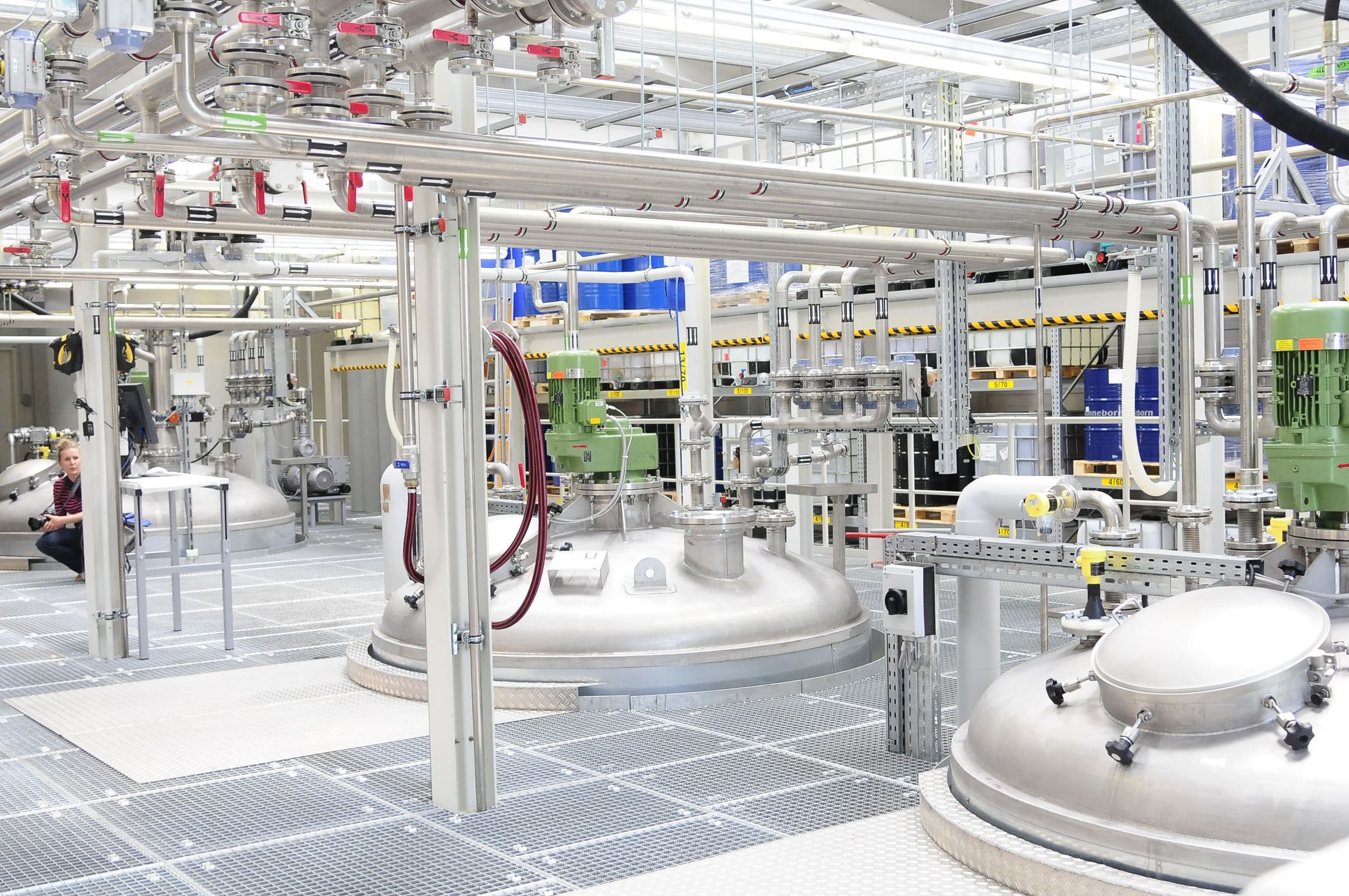
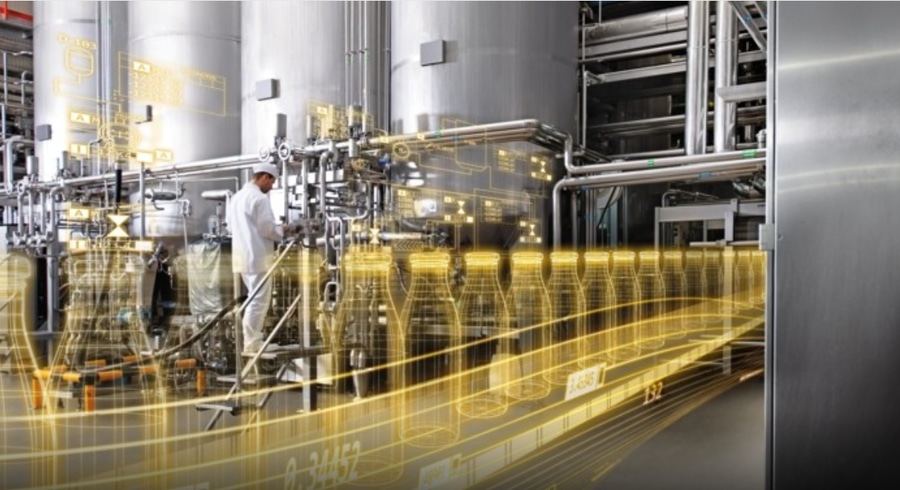
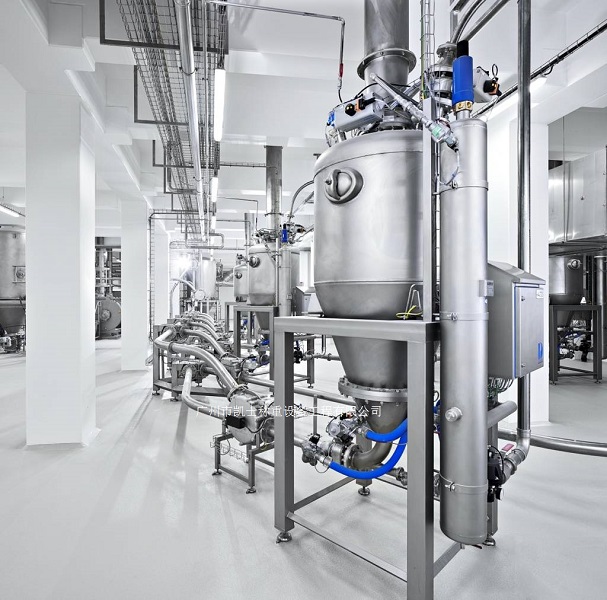
Batching is the process of mixing various materials of different strengths and properties in a certain proportion, and the entire production process is realized by automatic control. The raw materials are stored in the storage silo, and the feeding amount is controlled by an electric vibrating Feeder. The materials are respectively discharged into three mixing silos. The PLC samples, monitors and controls the discharging of the feeding bin in real time through the analog input template. Under the batching silo, variable frequency control is adopted for batching. The raw materials prepared in the silo are automatically transported to the waiting pot in the reaction vessel. The raw materials are stirred in the reactor, and the time is controlled by PLC and the materials are discharged automatically.
The automatic batching algorithm is designed in VB language and the data is transmitted to the FIX software through the upper computer. Production operators input the type of products to be produced, technical parameters of various ingredients and the total weight of the accompanying materials on the computer. The computer can automatically calculate the weight ratio of various materials and automatically download it to the PLC as the basis for weighing control. Operators can also manually input and/or adjust the proportion of various materials on the computer. Modifications to the ingredients and total weight are only valid after the current ingredient mixing process is completed. Modifications made during the ingredient mixing process must not affect the current ingredient ratio.
The PLC automatically controls the discharge volume of the electric vibrating feeder based on the ratio output by the upper computer. For the batching hopper, the sequence of discharging various materials should follow the process of discharging them in descending order of their proportion. The overstroke during the automatic batching process is automatically and dynamically adjusted based on the difference between the given value and the actual value, ensuring the accuracy of batching to the greatest extent. The vibrating feeding weighing technology adopts a two-step vibrating process, that is, a rapid vibrating process of 90% followed by a slow vibrating process of 10%. The entire process of vibrating material batching is controlled by a microcomputer. Based on the difference between the final value of the previous vibrating material and the set value, compensation for the current vibrating material value is carried out. Based on the characteristic of this technology to repeatedly support a certain material, past weighing error data can be utilized to compensate for the estimation of future spatial material quantities, keeping the error fluctuating within the smallest range.