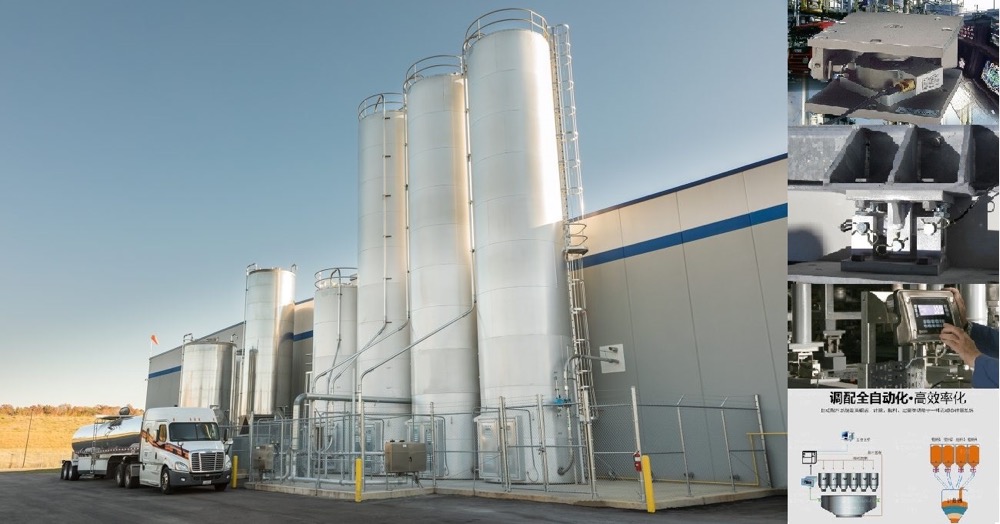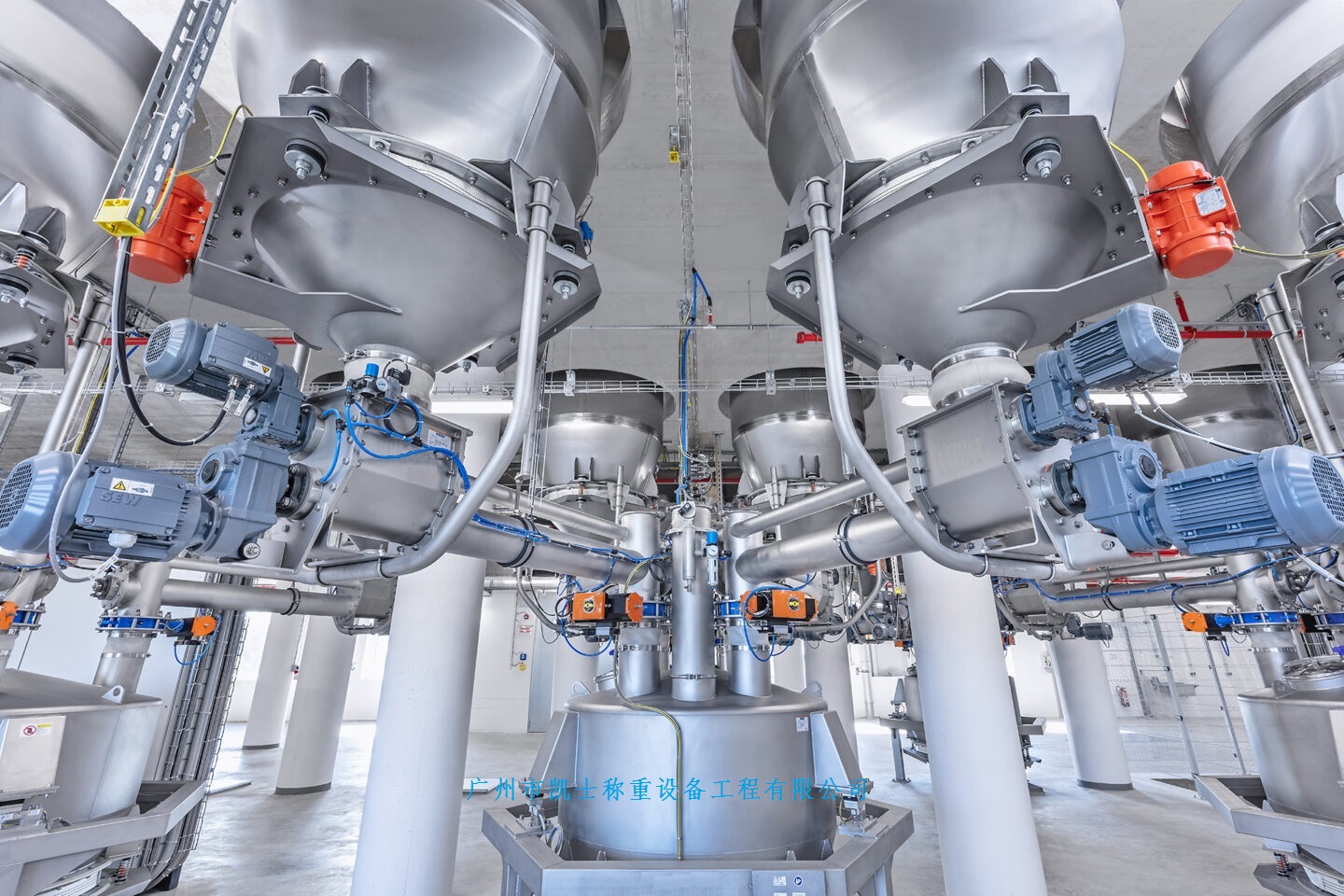







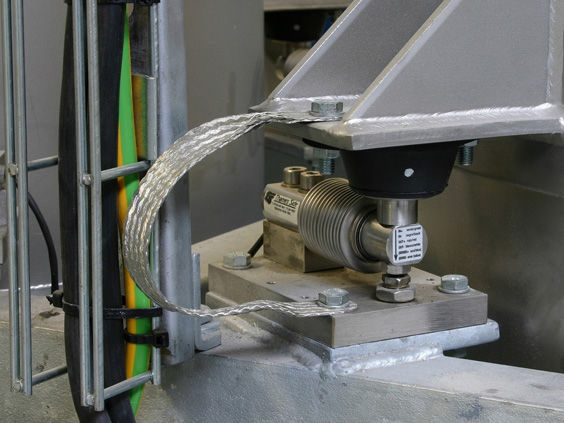
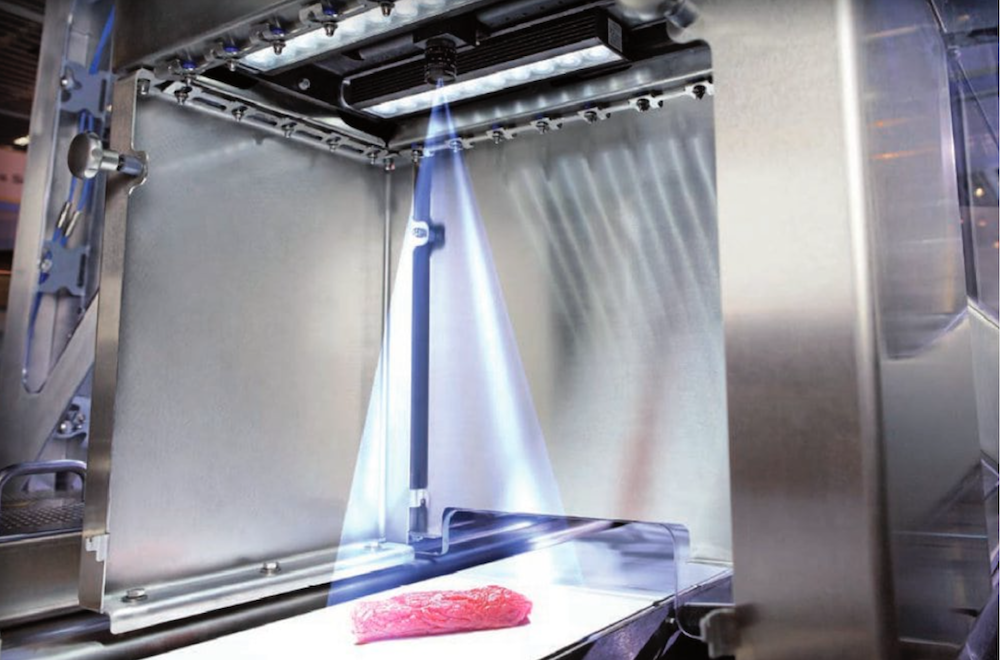
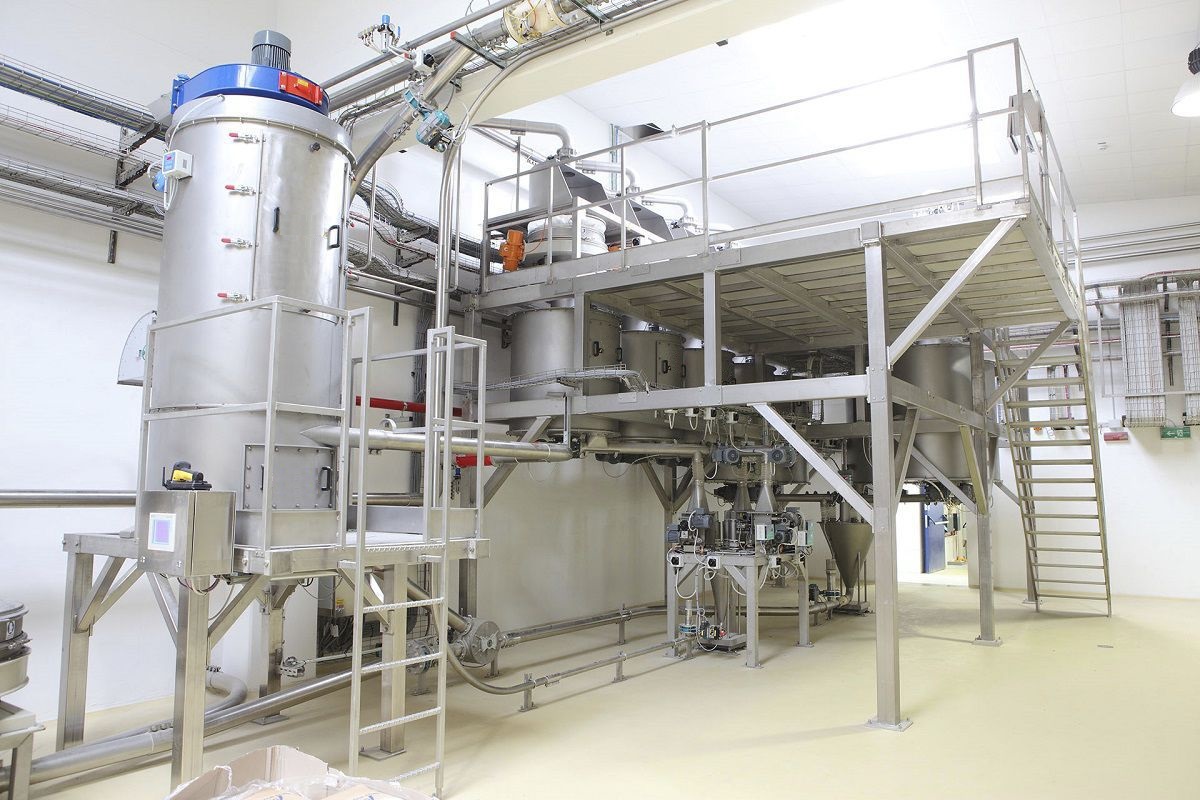
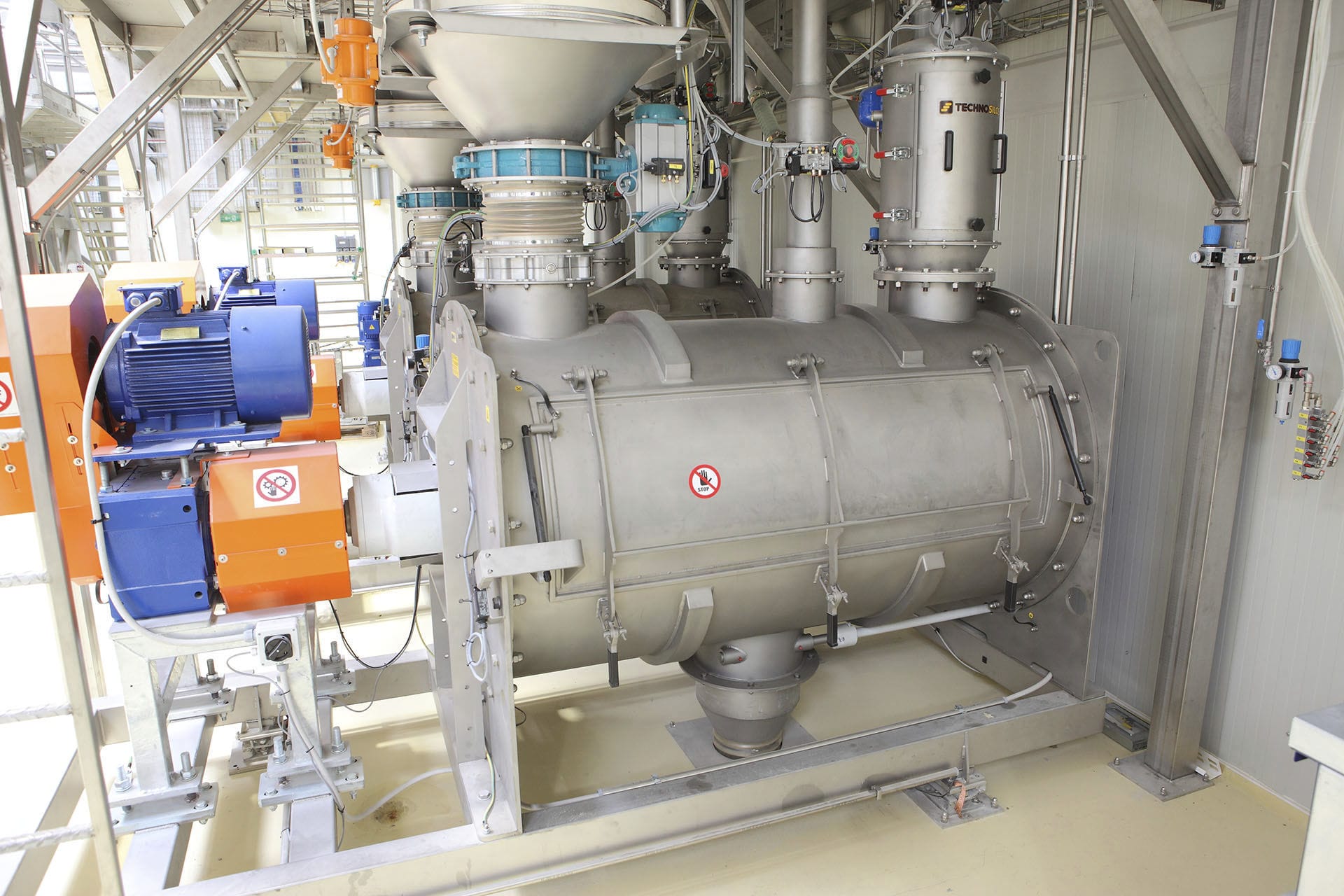
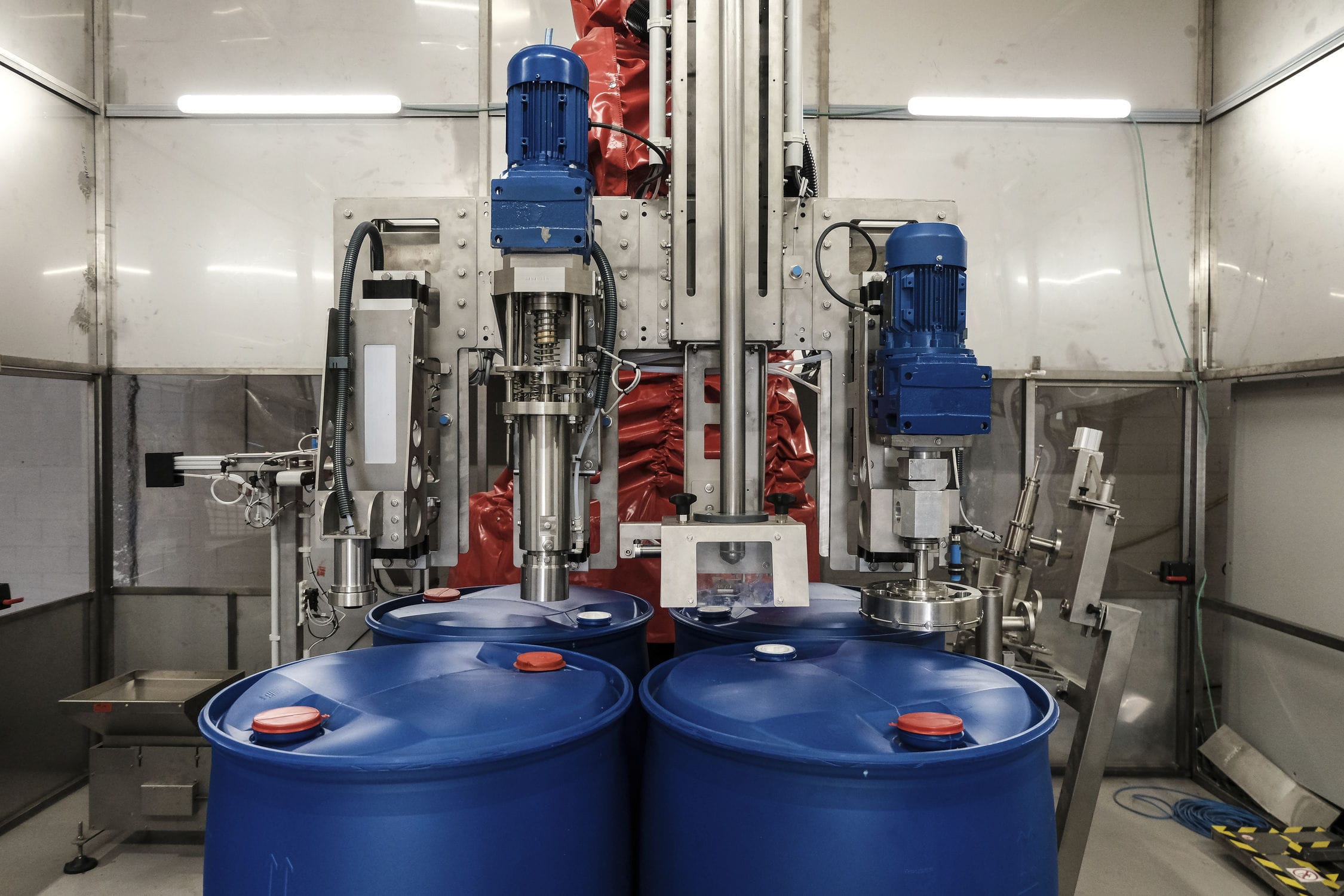
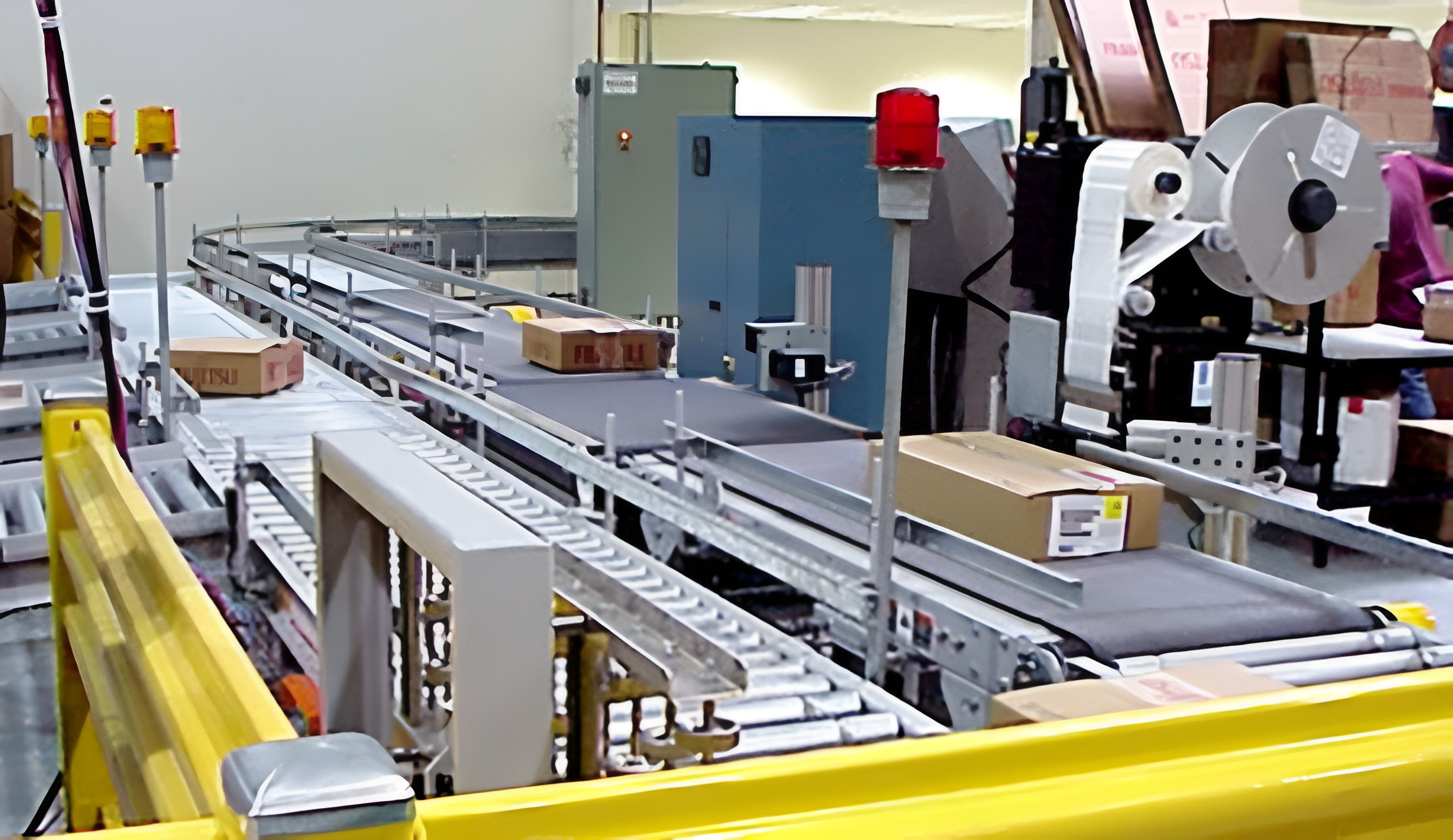
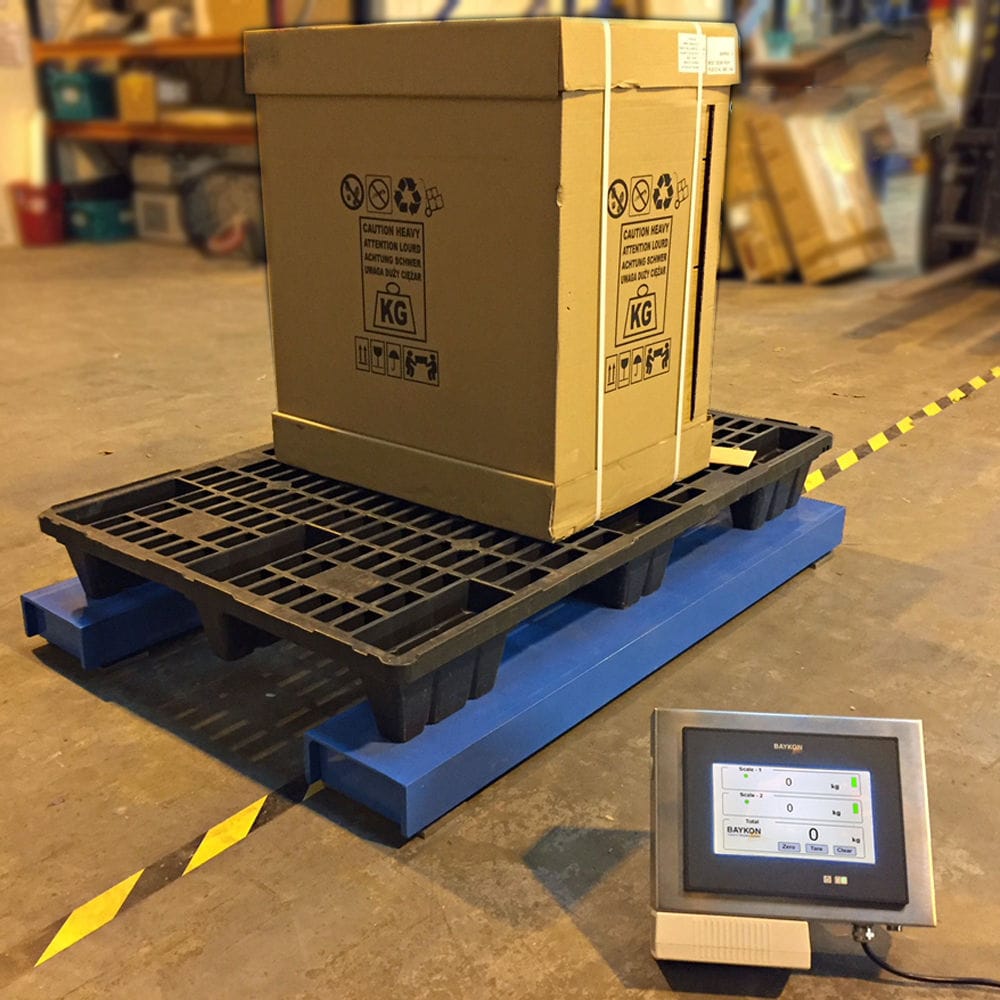


The online automatic batching system uses the PID regulation method to control the frequency of the frequency converter, thereby controlling the actual feeding volume output by the feeding motor. The screw scale serves as the measurement feedback device. After measuring and weighing the actual feeding volume, it compares the target weight with the drop-off error and outputs the system control quantity, thereby improving the stability of the feeding process. This is conducive to the automatic quantitative control, resulting in stable output and quality.

 020-34563445
The online automatic Batching system is mainly composed of motor reducer, microswitch, screw, rotary encoder, programmable controller PLC, and upper computer. It is fixed at the top of the silo. The screw is rotated into the silo by the motor through the screw rod. A weighing module is installed at the bottom of the silo. During the conveying process, the PLC controls the frequency converter through the signal feedback from the weighing module to adjust the rotational speed of the variable frequency motor, achieving automatic control of the supply. The PLC is the core control unit for collecting data and driving the motor to rotate. The upper computer communicates with multiple PLCs on the silos through RS-485, and the user operates the software interface on the upper computer. The PLC drives the motor to move up and down in the silo through the sensing of the two rotary encoders, and the distance from the silo top to the material surface can be obtained. The silo height is preset according to the actual situation, and the material level height can be calculated by subtracting the height of the screw from the silo height. This value is displayed on the upper computer. The frequency of the frequency converter is controlled using the PID regulation method to control the actual feeding volume output by the feeding motor. The screw scale is a measurement feedback device. After weighing the actual feeding volume signal value and comparing it with the drop-off error, the system control quantity is output, thereby improving the feeding stability. It is conducive to automatic quantitative control and obtaining stable output and quality.
The mechanical part of the batching system mainly consists of a shallow and long feeding screw and a quantitative adjustable feeding door. The feeding screw is driven by a variable frequency motor, and the feeding amount can be fine-tuned by changing its speed. The feeding door is driven by a stepping motor, and its opening degree can be used to coarse-tune the feeding amount. The controller part mainly consists of the current detection and transmission device of the batching motor, the feeding door switch detection device, the sound and light alarm, PLC, weighing instrument, frequency converter, and stepping motor driver, etc. The motor speed is adjusted by frequency regulation, and the torque output by the motor is different at different speeds, and the pushing force of the screw conveyor for batching is also different. Different motor speeds are controlled when n = 15r/min, 30r/min, and 50r/min are selected for the corresponding screw conveyor shaft rotational speed. The changes in the screw conveyor pushing force are generated. Due to mechanical wear and the volume of the scale, changes in the pre-added pressure may occur, causing changes in the zero-point voltage. To ensure the accuracy of the measurement value, the software automatically measures the zero-point voltage at regular intervals and then subtracts the zero-point value from the calculation. When the weighing instrument's timing interruption period expires, the reset signal is output by the weighing instrument and sent to the PLC, which then stops the motor and controls it to run for a certain period of time to empty the material. After measurement, the zero-point voltage value measured is stored in the temporary storage area.
During the feeding process of the batching equipment, when the difference between the material usage and the actual feeding amount is less than the feeding advance amount, the feeding valve pneumatic valve is closed, and feeding stops. The material flow due to inertia and the valve pneumatic valve closing after the material flow is cut off can make up for the material quantity. If the advance amount is too large, the point operation mode is used (that is, the feeding motor is driven by pulse drive, and only a small amount of material is sent each time it is started). To ensure the accuracy of weighing, two bidirectional electromagnetic valves and four one-way valves are used to control the action of the above cylinder outlet. The electromagnetic directional valve is used as the main control valve for the cylinder, and the sequence of its actions is controlled by the input and output signals of the PLC to prevent conflicts between the horizontal and vertical cylinders in the event of sudden power failure or emergency stop. The entire set of actions is completed by magnetic switches during the cylinder operation. If the sequence of the entire set of actions needs to be changed, only the control program needs to be modified.
In the control of the screw scale of the batching system, the control requirements of each mechanism are achieved, and two operation modes, automatic and manual, are provided for the equipment operation. The manual mode is operated by the operator through the control handle and knob on the control console to operate the operation of the equipment. The automatic mode allows the operator to input the ingredients quantity and other parameters into the PLC system through the parameter input keys and knobs on the console before the operation. When the start signal is received from the central control system, the machine will be controlled and operated by the PLC system. During the operation, the signals output by the input unit, which are collected from the screw and walking encoders at any time, are used to determine the position of the screw and the pitch angle. The operator only needs to monitor the operation of the equipment, which significantly reduces the workload of the operator.
The two variable frequency motors are automatically controlled to start, stop and adjust their speeds based on the detection signals fed back by the weighing module. When the material level in the storage bin reaches the low material level set by the weighing module, the variable frequency motor runs at high speed. When the material level reaches the high material level set point, the variable frequency motor runs at low speed until it stops. In the manual mode, the staff can start, stop the motor or adjust the speed of the variable frequency motor according to the actual situation, thus achieving the purpose of manual control. In the manual mode, the high material level setting value of the weighing module still takes effect. When the manual feeding reaches the maximum material level value, the variable frequency motor stops running. The two variable frequency motors are used in parallel and do not affect each other. When one motor has a fault, the other can operate normally without delaying production.