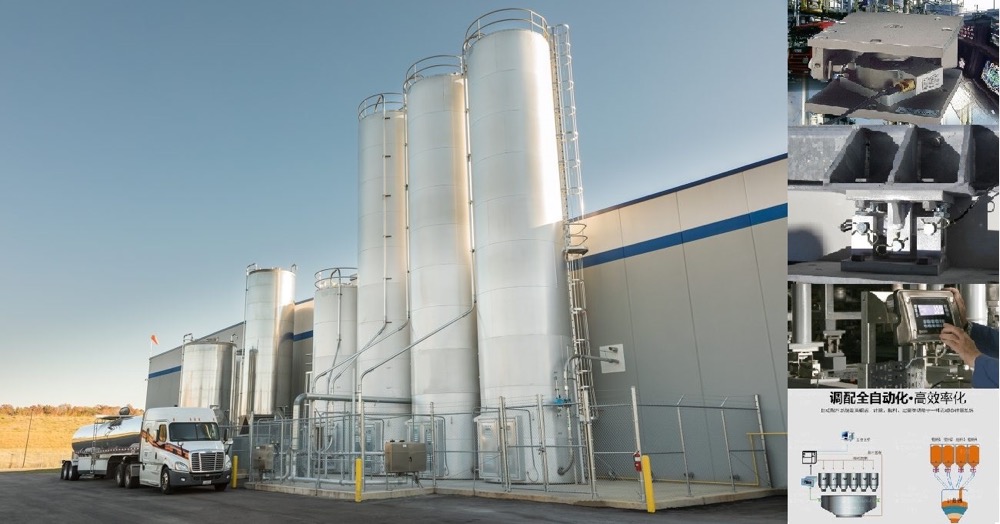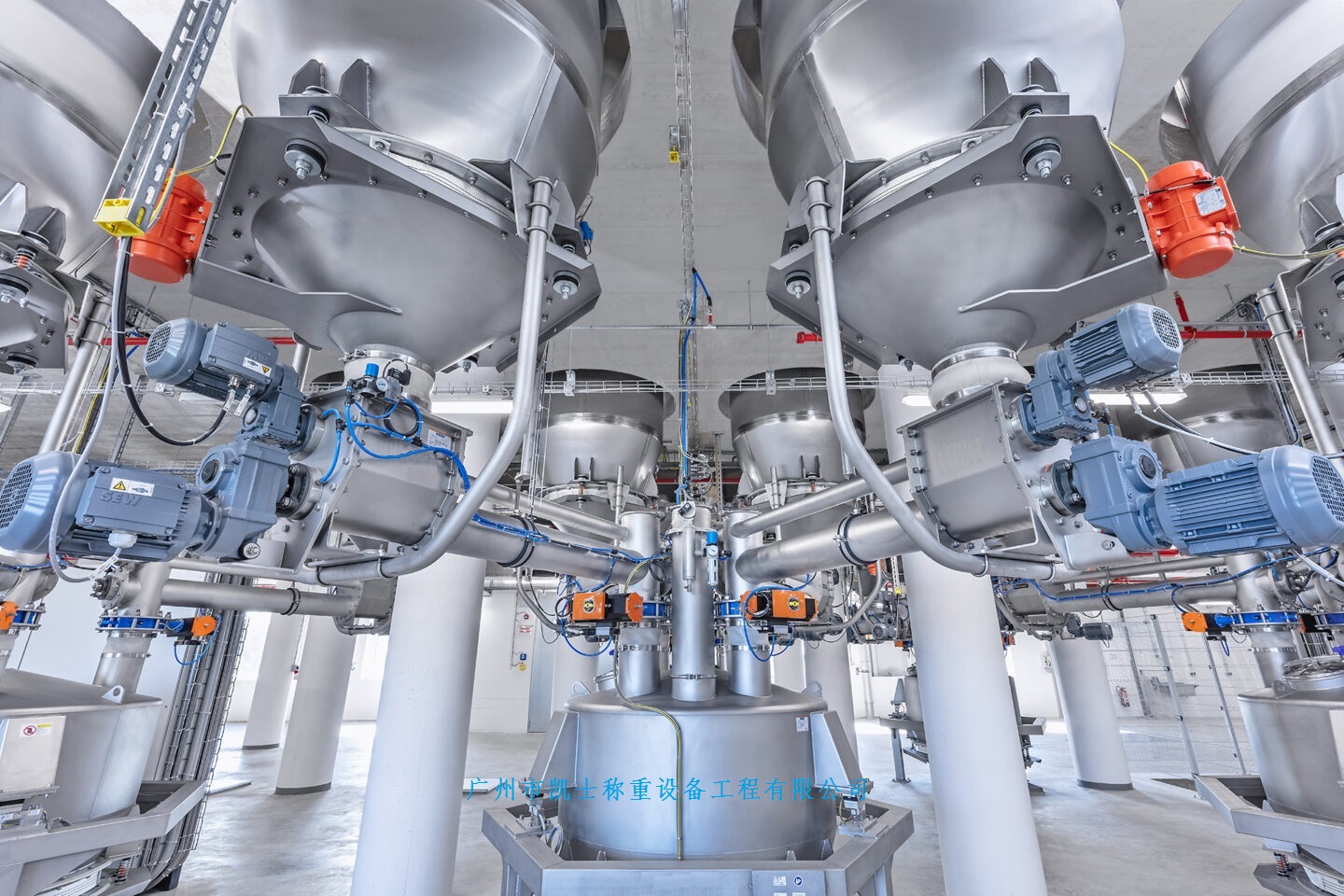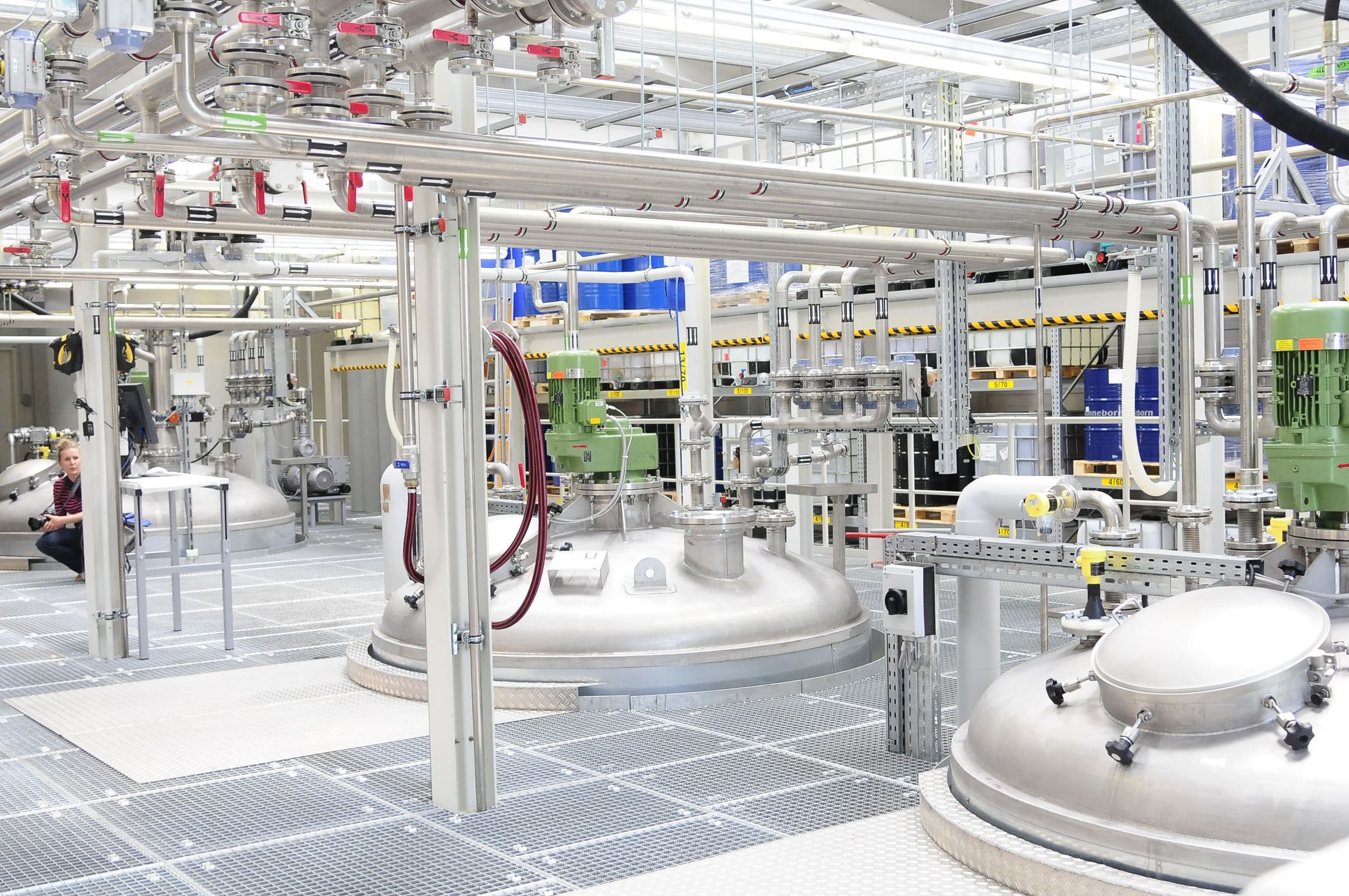


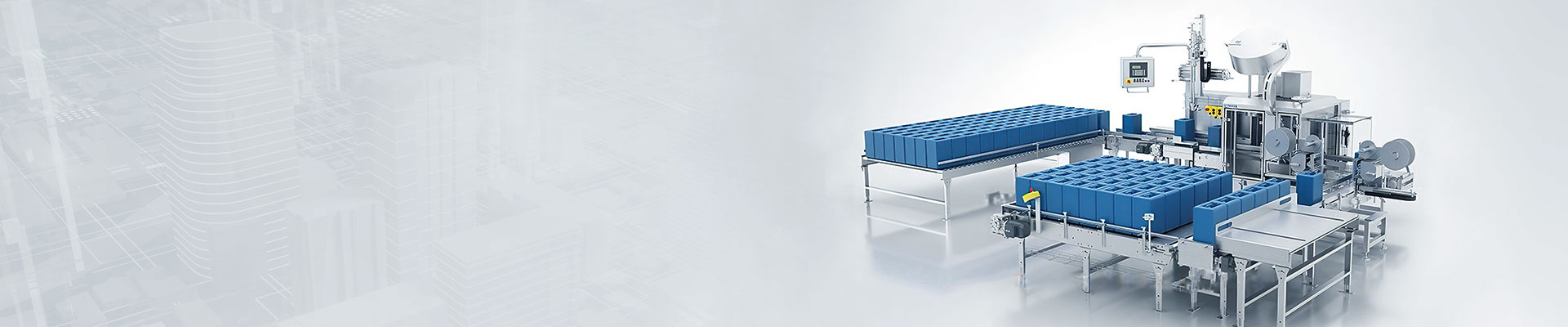


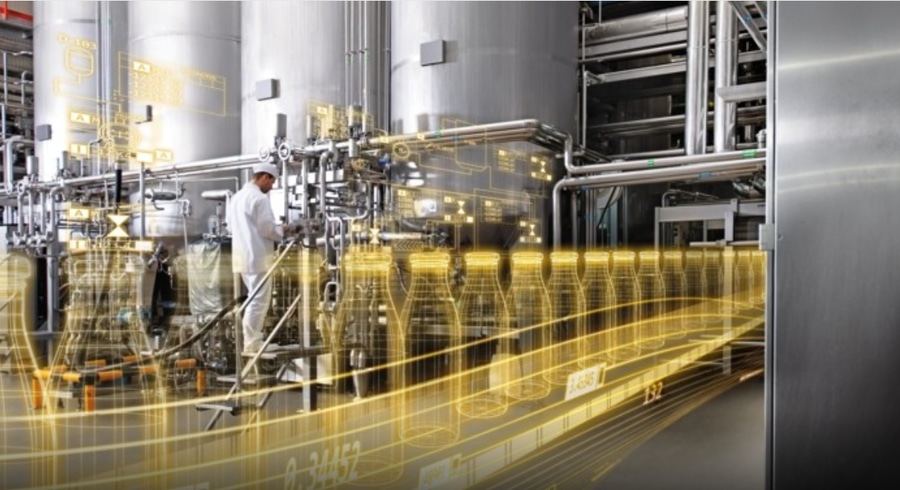
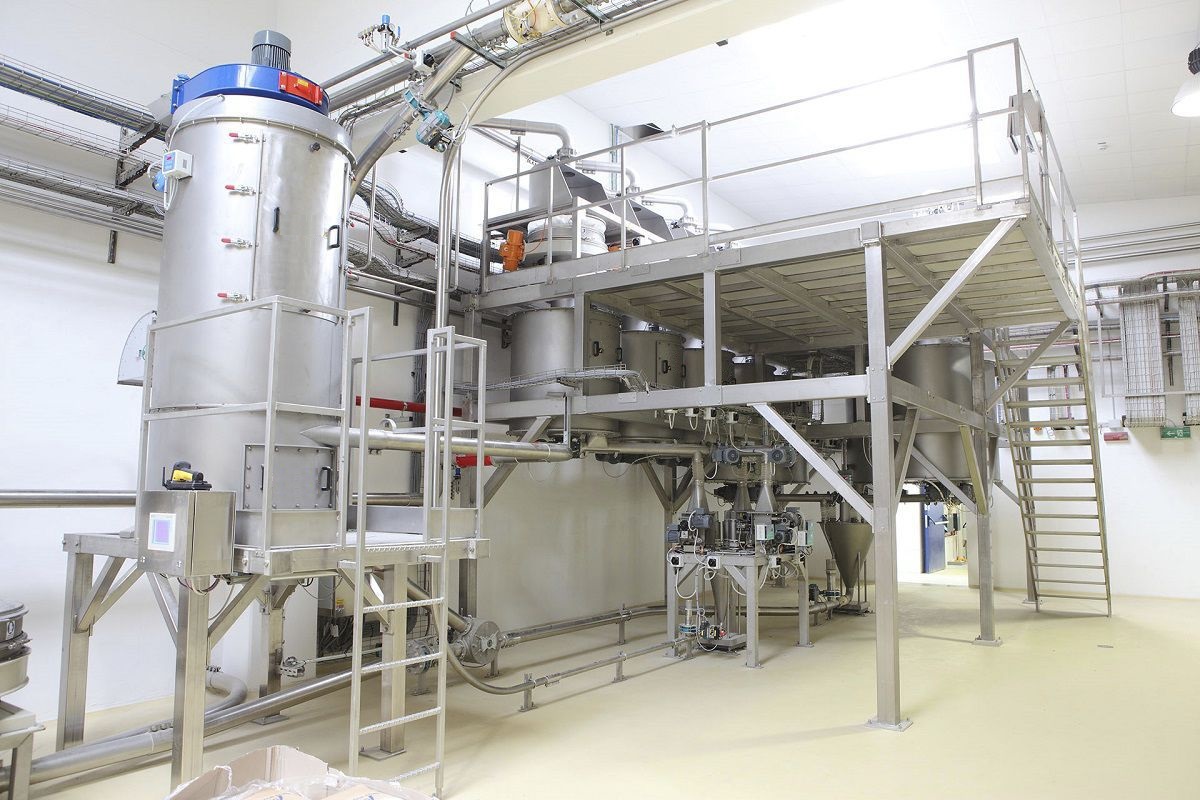
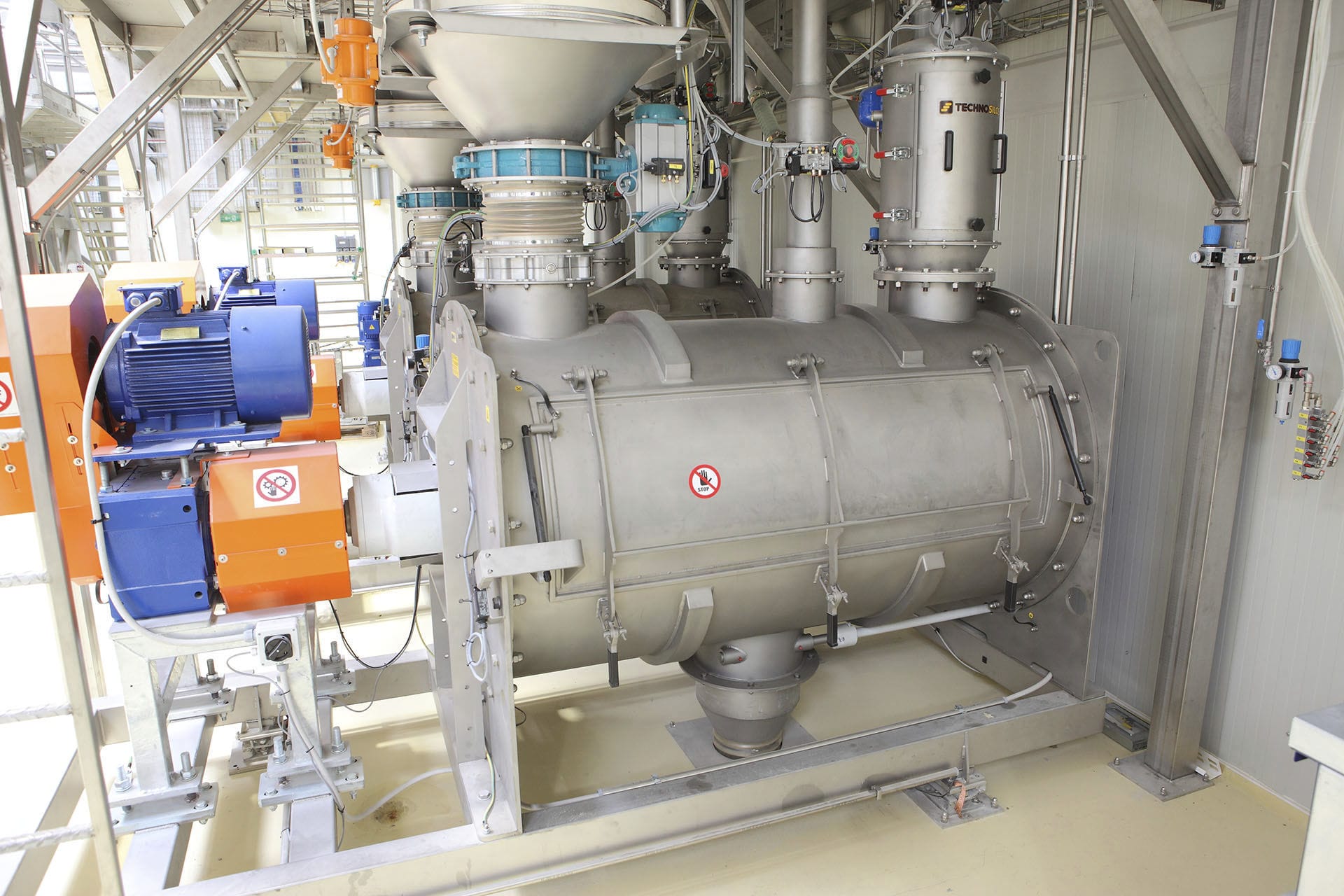
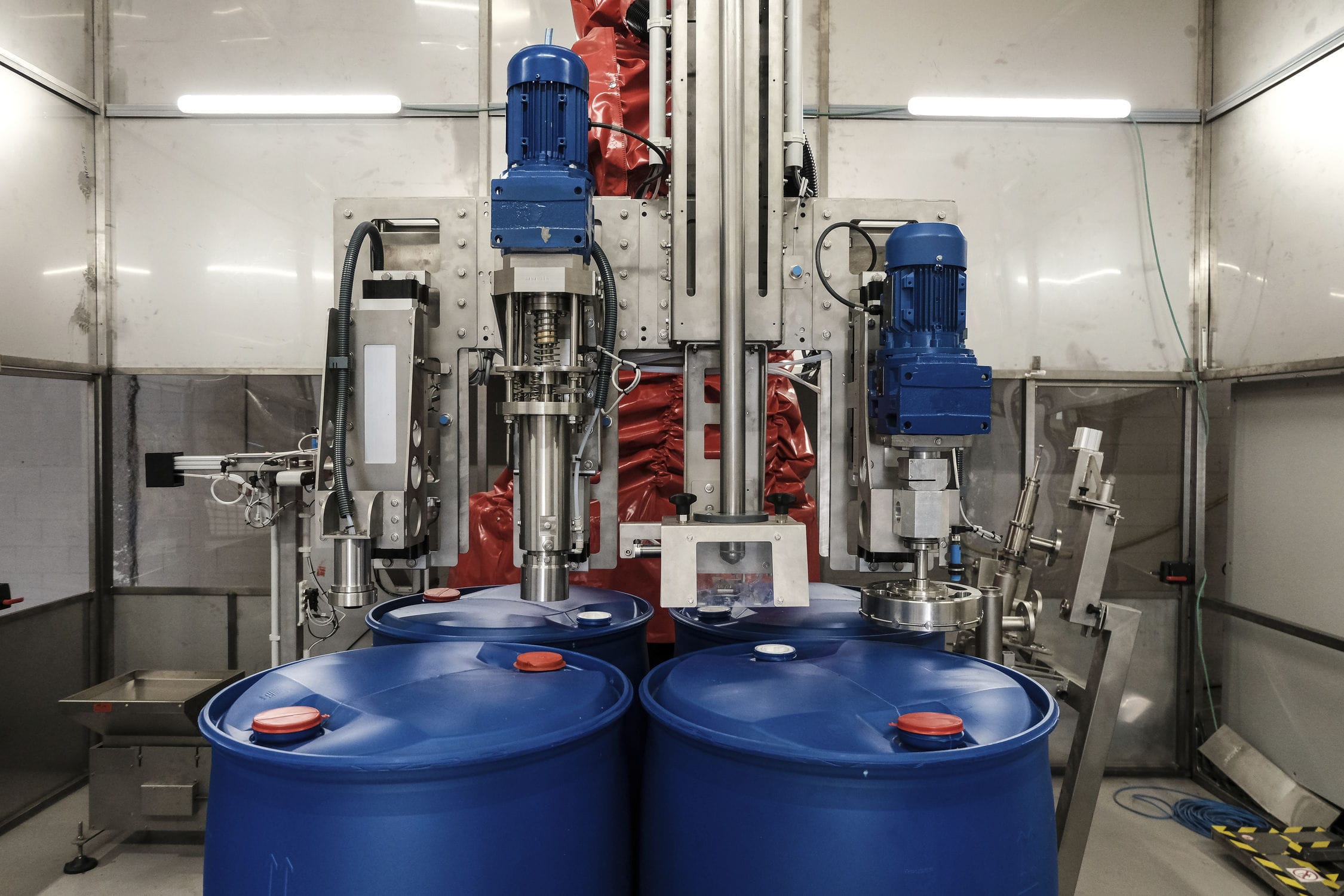
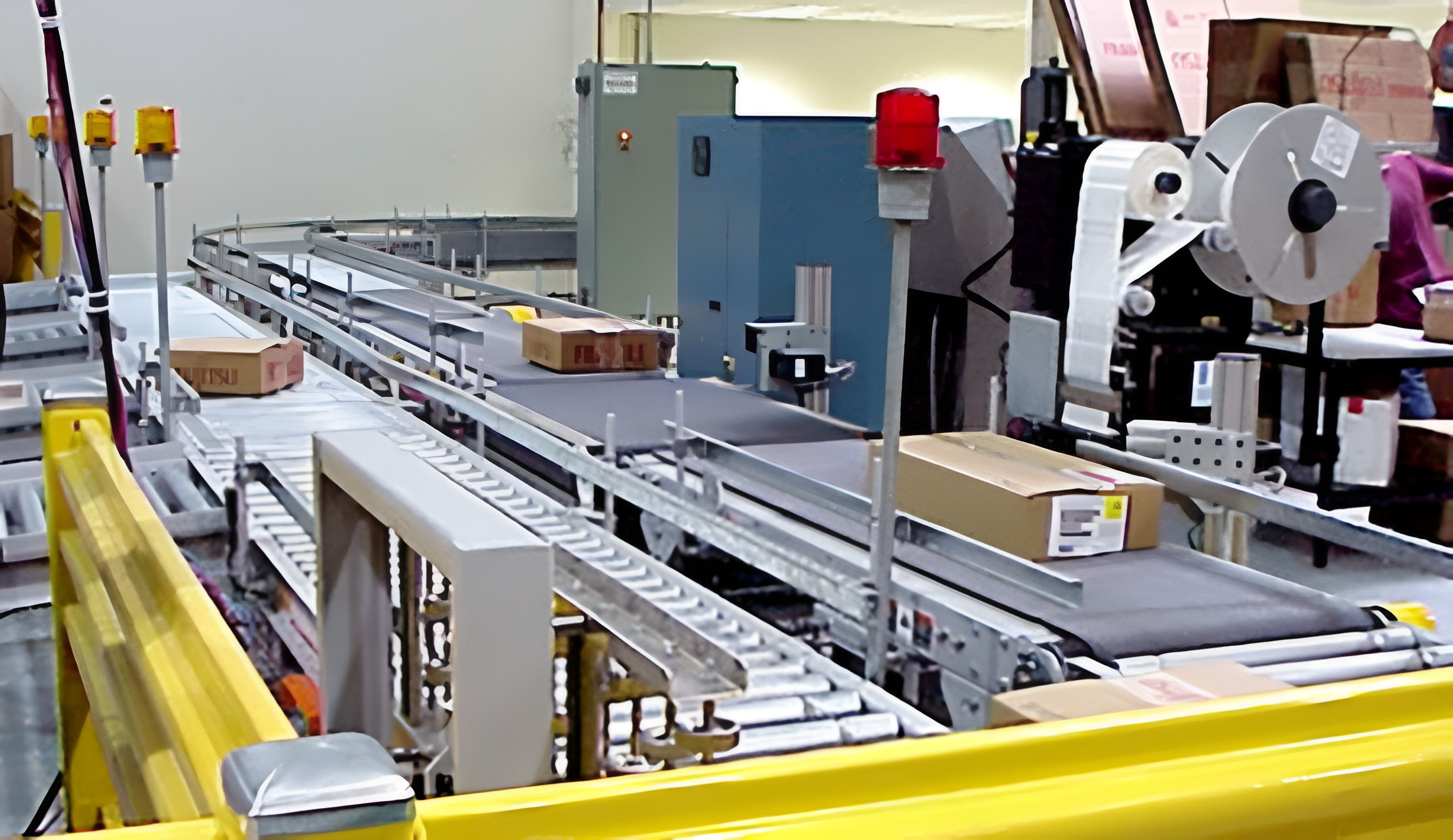


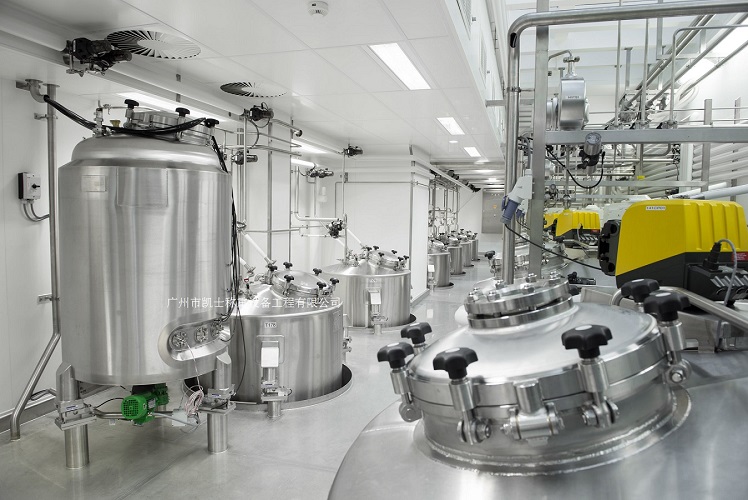
The Vibration automatic mixing equipment adopts decentralized control and centralized management control mode, and the three-level structure realizes the two-way coordination of process demand and energy saving of the batching system. Decentralized dust point local realization of vibrating screen, hopper and other stations of the branch adsorption point automatically open and close, effectively reducing the dosage of non-dusting ventilation requirements; the central controller to achieve the dust point of the centralized monitoring of the working conditions, according to the operation of the workplace to calculate the real-time demand for the kettle dust dosage of the air volume. Thus the frequency control value of frequency conversion operation is given, and the frequency adjustment instruction of 4~20mA is transmitted to the frequency converter of dust removal fan to realize the continuous variable condition adjustment of dust removal air volume.

 020-34563445
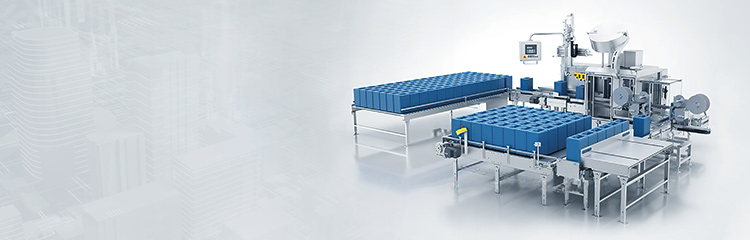
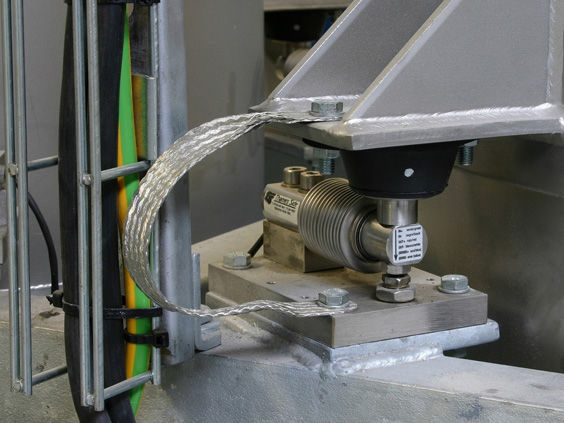
The vibrating automatic mixing equipment consists of two parts: hardware and software. The hardware part mainly consists of the agitator tank body, agitator tank cover, agitator, load-bearing weighing module, weighing instrument, transmission device, shaft sealing device, programmable controller, upper industrial control computer Weighing system, etc. The software part mainly includes the control algorithm of the programmable controller and the monitoring program of the upper-level industrial control computer.
In the industrial batching process, there are two commonly used weighing methods, namely feed weighing and discharge weighing. At the beginning of the weighing, materials are fed into the hopper scale through the feeding equipment. When the weighing value reaches the set value, the feeding stops, and then the gate is opened to discharge the materials. When using the feeding type weighing, due to the influence of the drop, after the feeding stops, some materials still fall into the hopper scale in free fall from the air. To ensure the accuracy of batching, it is necessary to design a control algorithm for the lead time to stop feeding, to control the lead time to stop feeding, so as to reduce the impact of the drop on the batching accuracy and keep the actual batching value within the error range.
This algorithm takes advantage of the characteristic that the production process of the mixer involves multiple repeated weighing, and uses the result of the current weighing to correct the lead time for stopping feeding in the next batching. After a limited number of trial preparations, the static weighing value of the prepared material can be maintained within the error range.
Unloading weighing involves first loading the hopper with more material than required by the formula, and then unloading the material from the hopper to the outside for weighing. The weight of the material that falls is the weight of the material to be prepared.
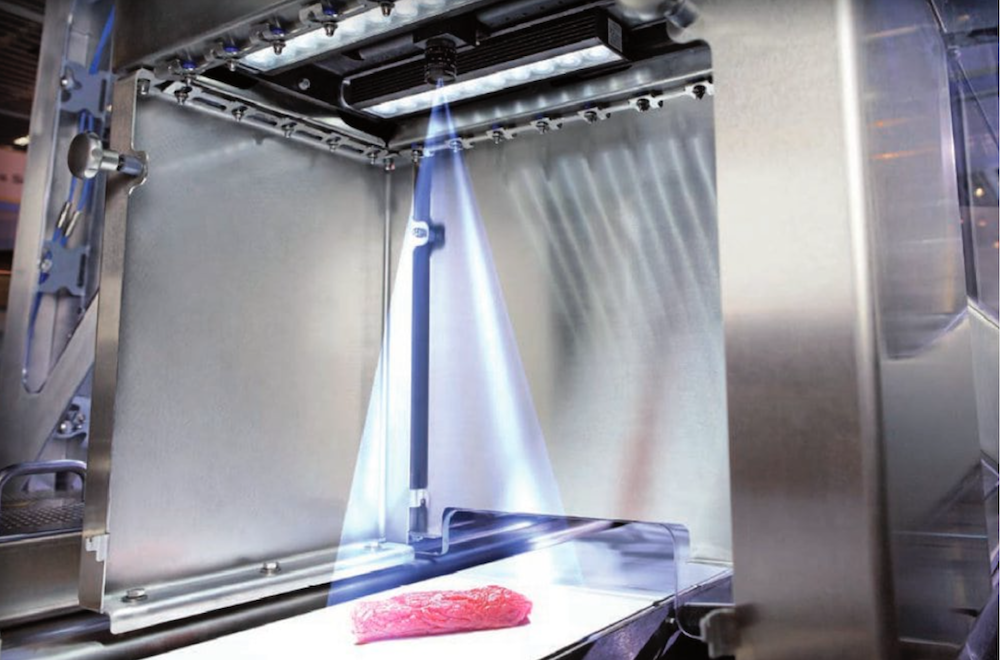
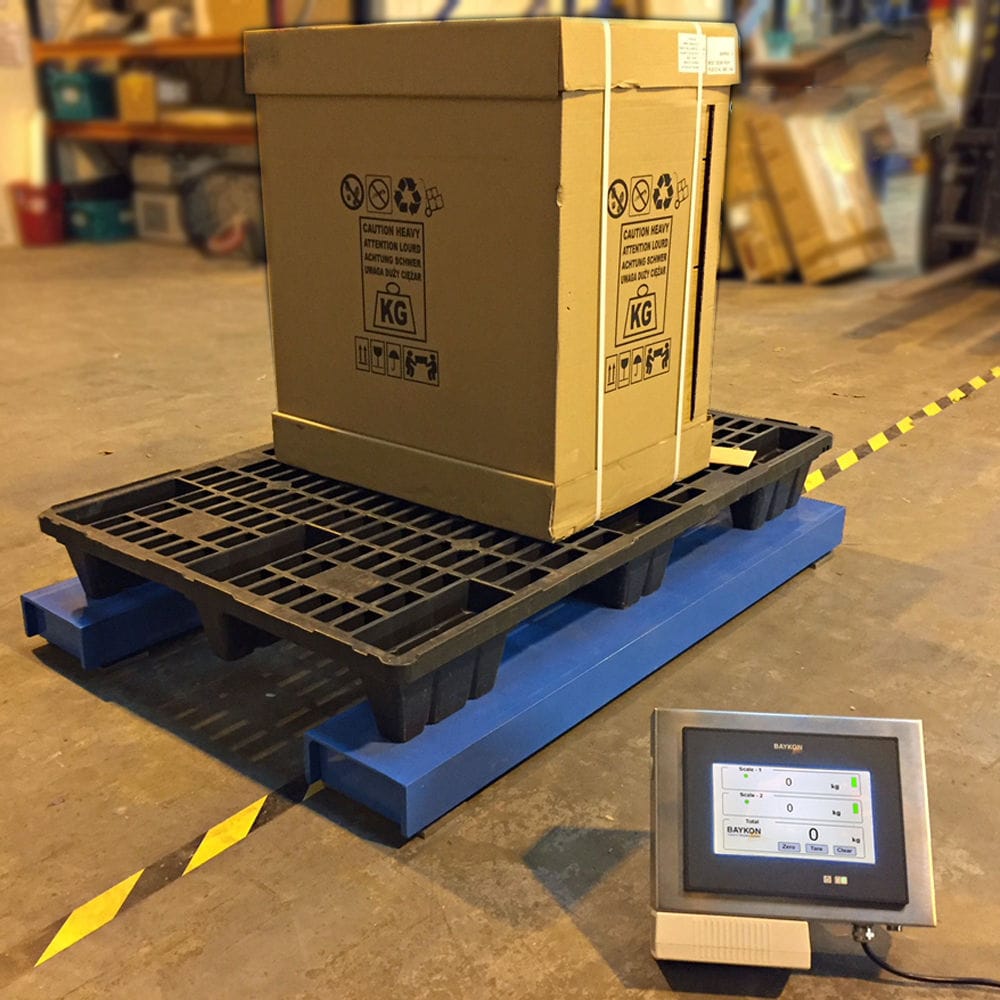
Based on the actual process flow of our factory, computer matching is carried out before the two raw materials are conveyed. According to the ratio (i.e., percentage) of the two raw materials set by the operator on the touch screen, the computer will automatically calculate the running speed. Then, based on the weight signals sensed by the two Electronic scales, the computer will calculate and analyze at any time to control and adjust the speed, thereby meeting the set ratio requirements.
The normal operation of the automatic batching equipment, including PID regulation, is based on the corresponding set values before operation. The instantaneous flow rate, daily cumulative, monthly cumulative and annual cumulative parameters of the batching process are detected and monitored.
Throughout the entire production process, once the production plan is completed, the controller PLC will weigh each raw material according to the plan. Meanwhile, the computer can statistically analyze various data during the production process and automatically generate daily and monthly reports including formulas and the output of various materials, which will be conducive to modern management such as product cost accounting and quality analysis.