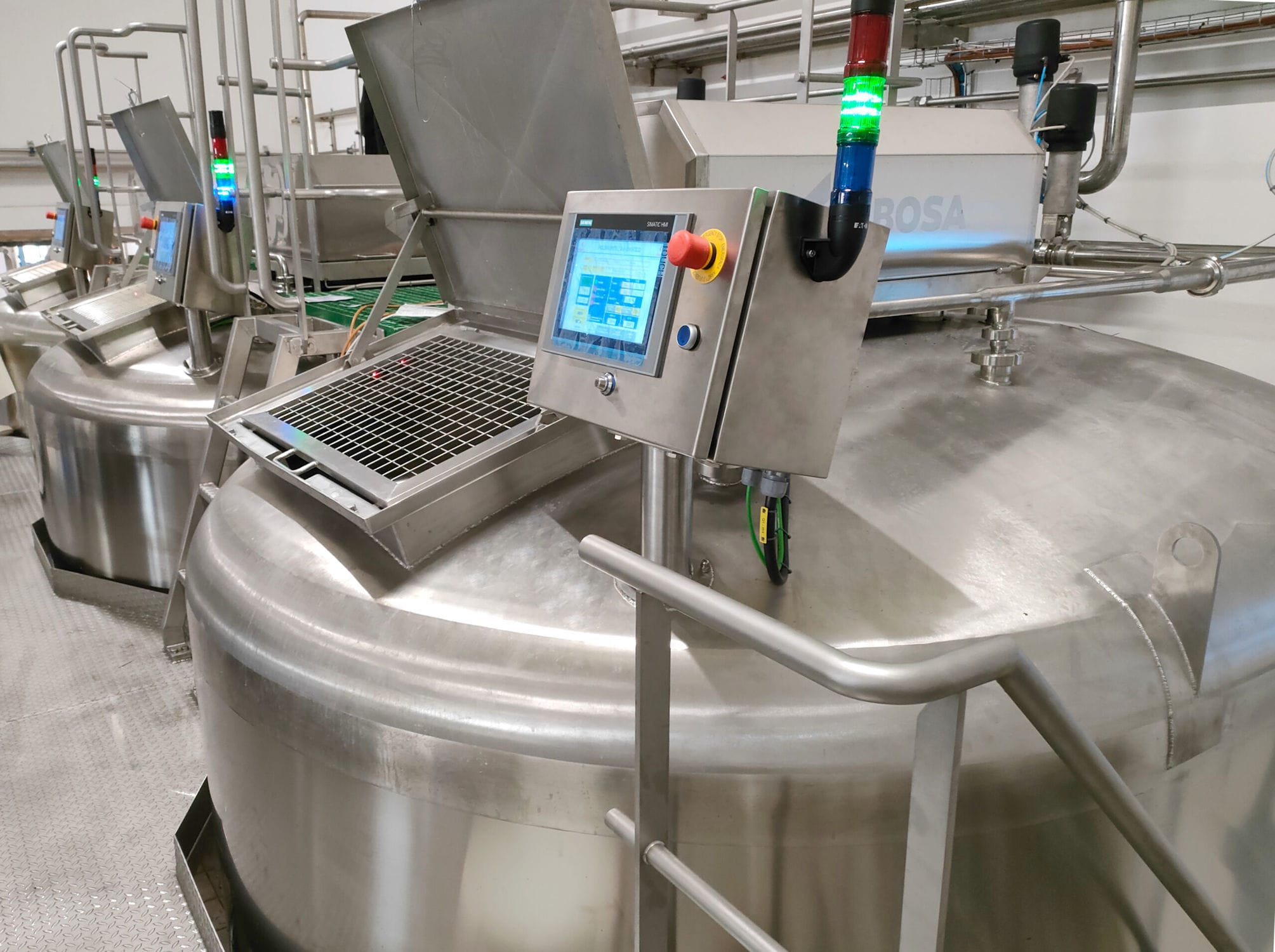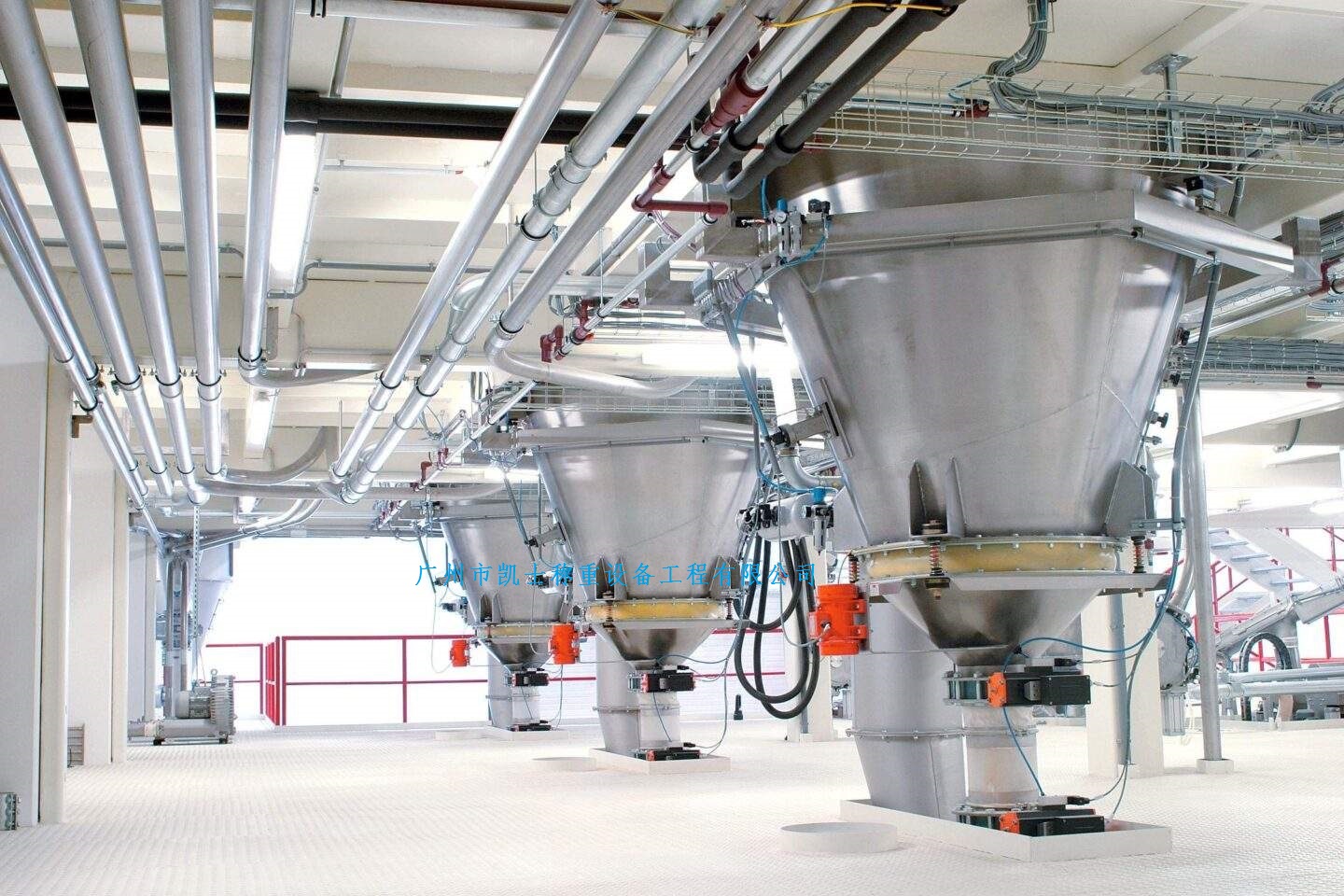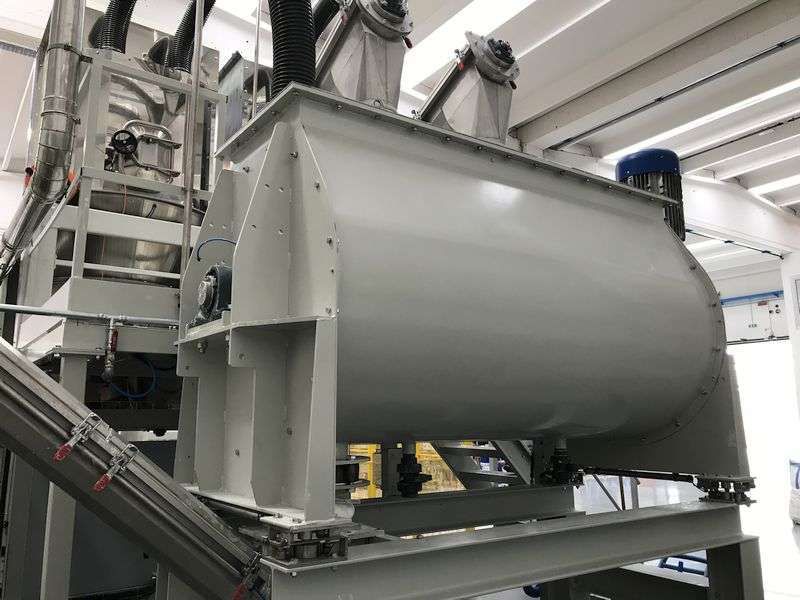





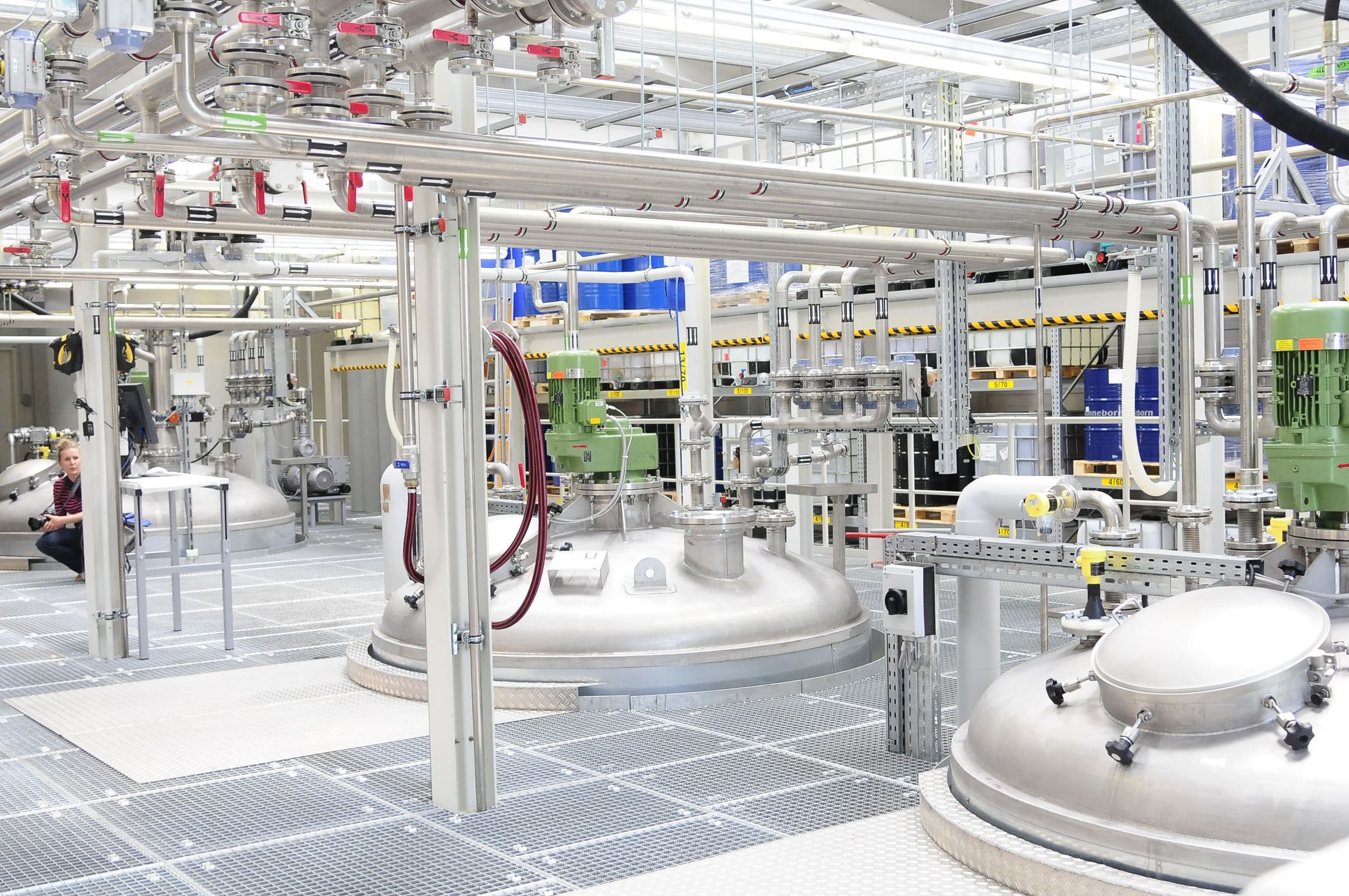


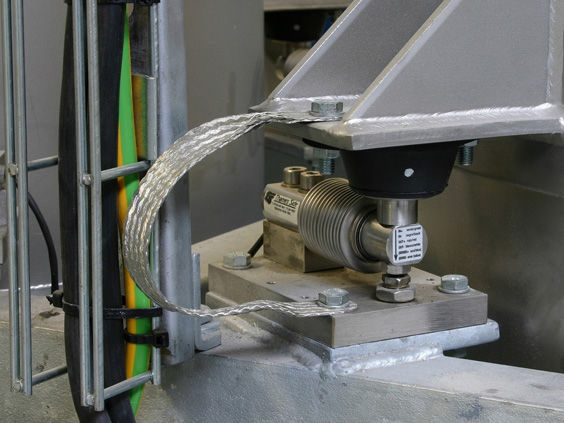
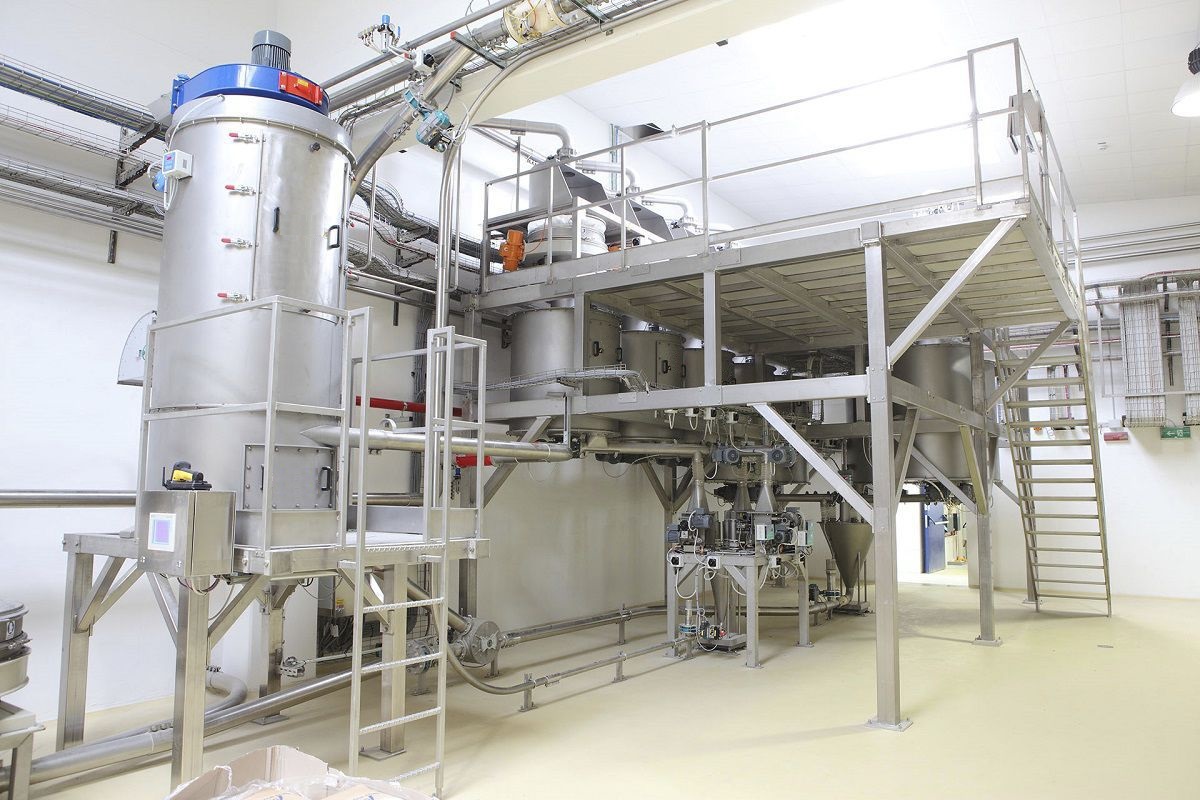
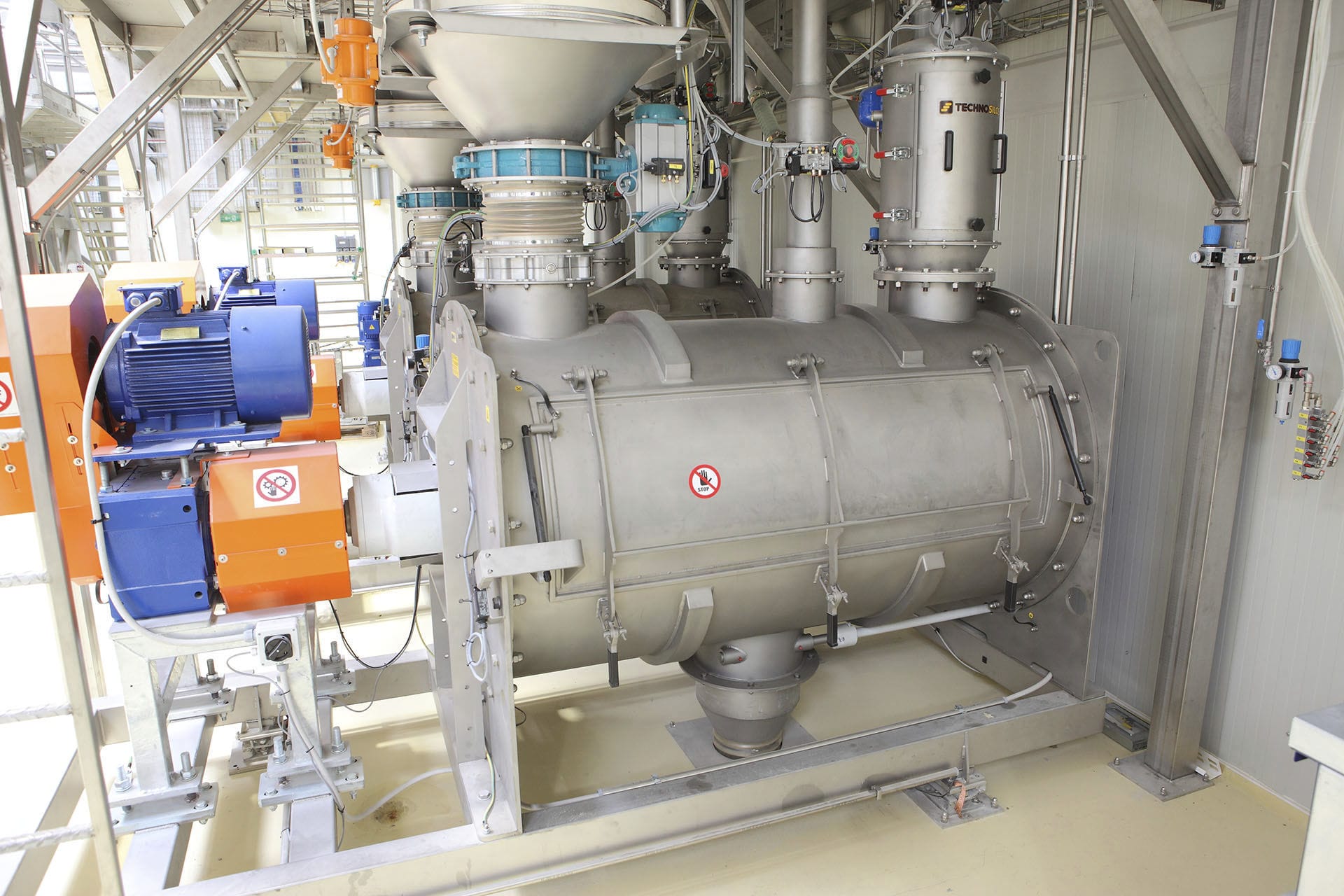
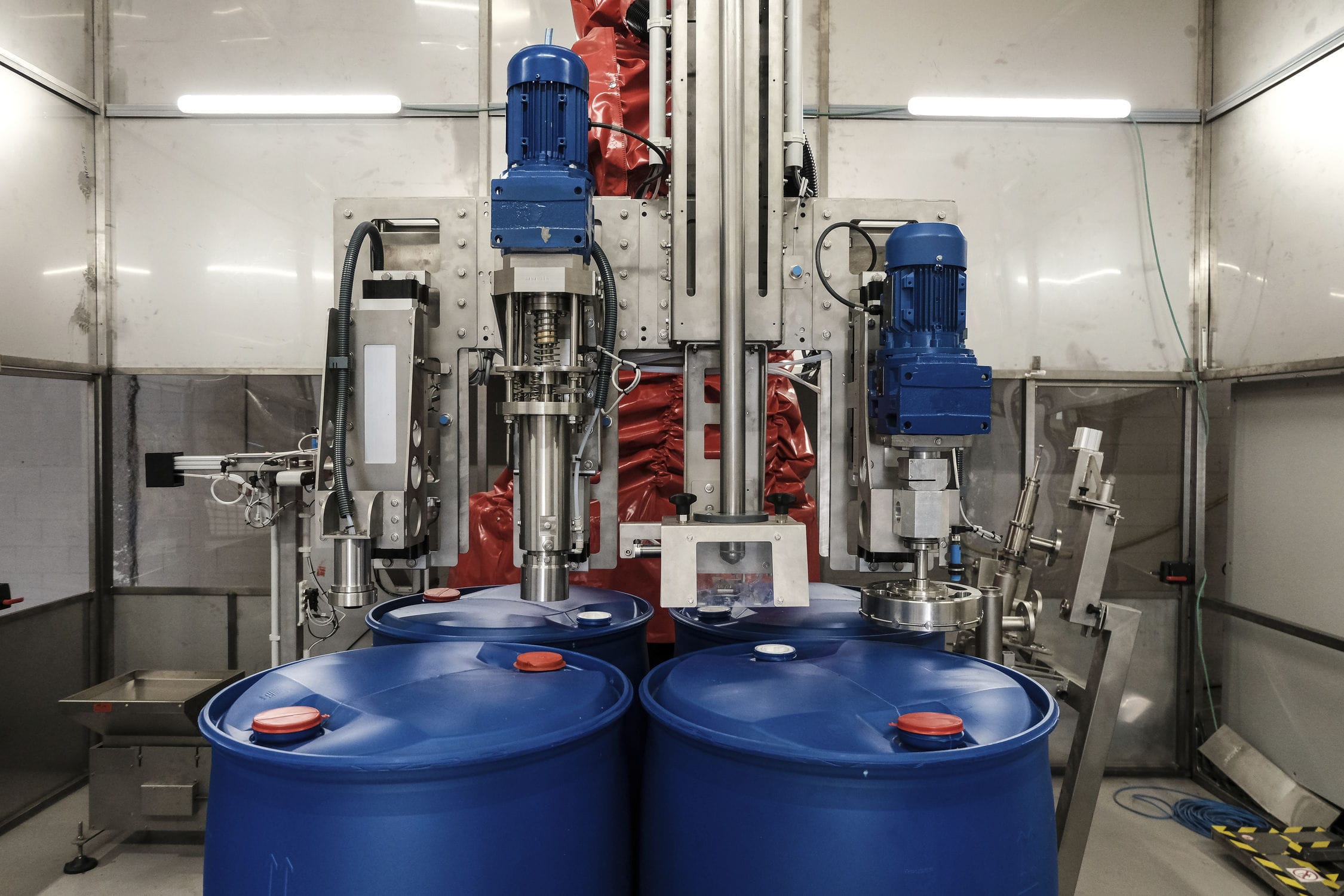
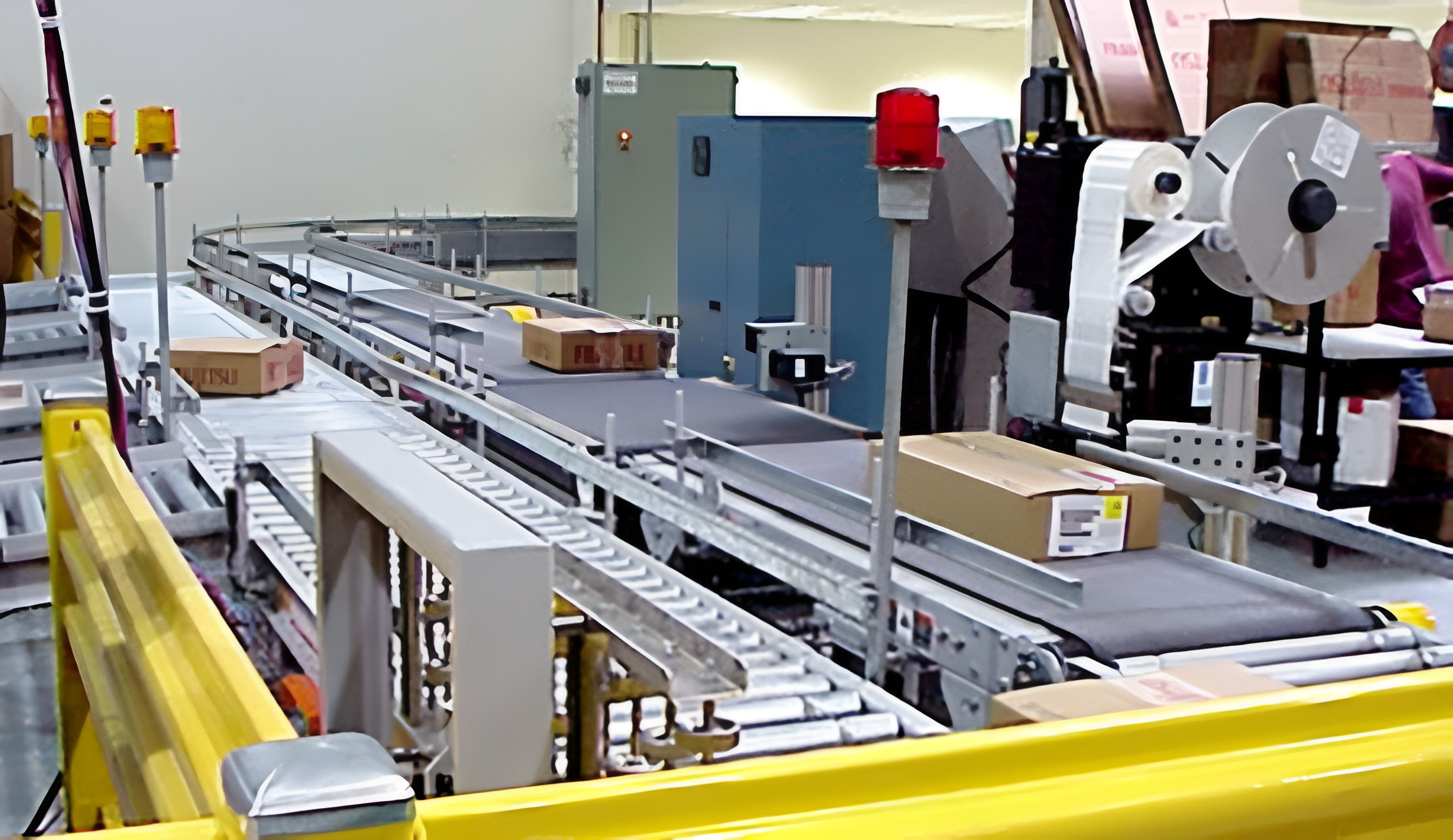
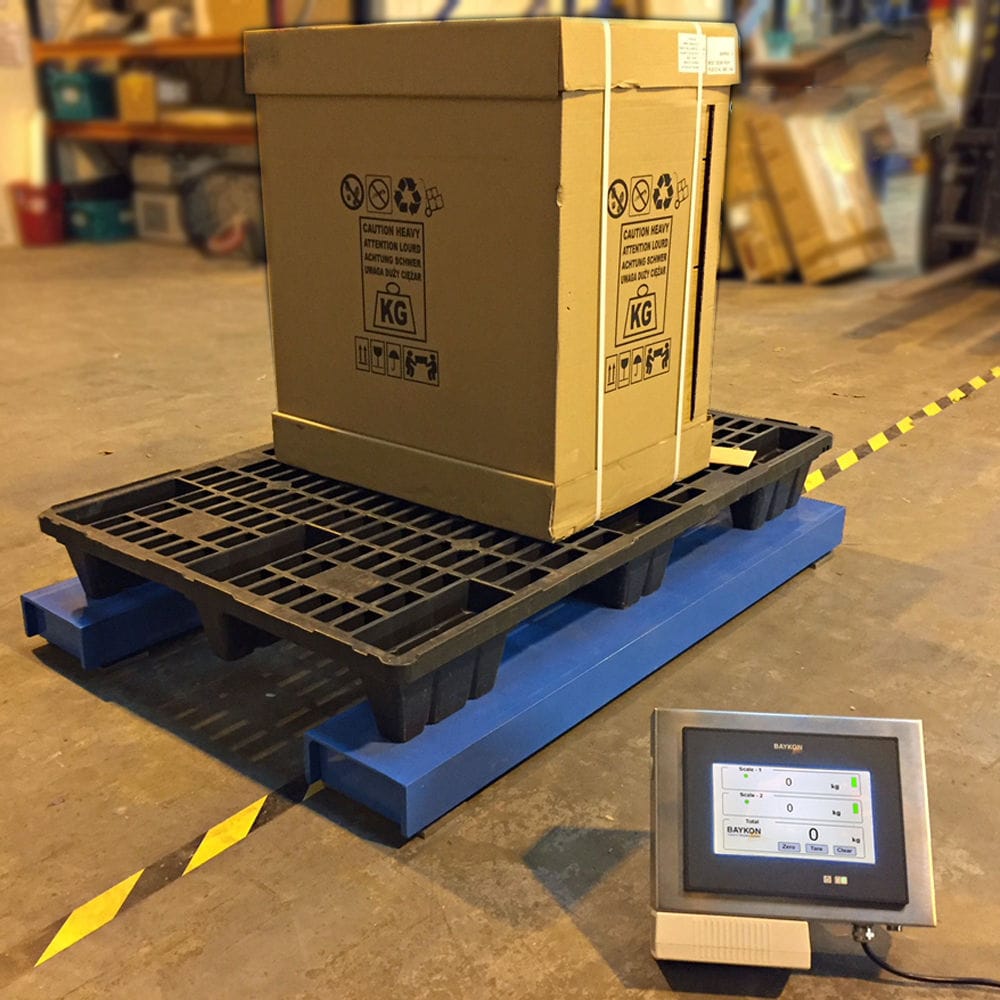


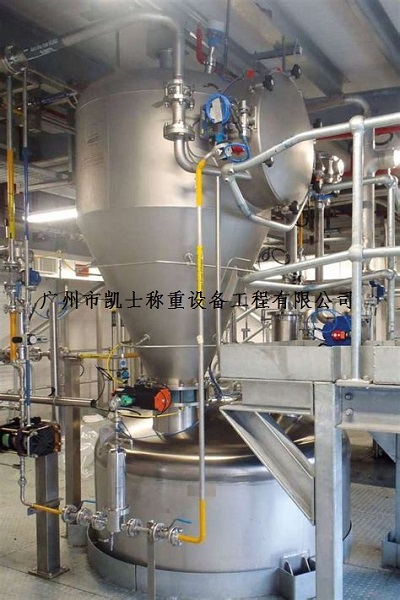
Weighing Temperature-insulated reaction kettle combines weighing sensor, load transfer device, installation connector and other components, and can be connected with various mechanical devices very conveniently. Automatic feeding control, automatic metering, PLC control, man-machine interface for data input and storage in the whole production process. Frequency converter is used to control the stirring speed, which can be set at will.

 020-34563445
The weighing insulated reaction vessel is suitable for the petroleum, chemical and proportioning industries. The weighing control system is based on computer technology, control technology, communication technology and graphic display technology (i.e., 4C technology), which connects the on-site control stations, control management stations, detection stations, operation management stations and engineer stations of the operation control center distributed in the industrial site (nearby) through the communication network. A comprehensive control system that jointly completes decentralized control and centralized operation and management.
The main functions of the automatic feeding system:
The automatic feeding system can fully realize the management automation of all business links in the chemical and other industries, and conduct automatic monitoring of each work link of users, thereby assisting user managers to handle business more efficiently and accurately.
2. Based on the local area network environment, through a unified monitoring interface, dynamic data from each monitoring environment is automatically collected. Based on these monitoring data, various reports and detailed lists are formed, facilitating business statistics and queries. The powerful query function can query user records, reports, etc. in multiple ways such as ticket number, crane position number, user code, and vehicle number. On this basis, the system will also form a complete business information feedback and supervision control mechanism, providing strong support for enterprises to conduct scientific operation management and decision-making.
3. Automatic material issuance and centralized management function: It can achieve the automation of the material issuance process, ensure the accuracy of batching, and improve production efficiency.
4. Alarm protection function: It can achieve various fault alarms, as well as electrostatic overflow protection and emergency stop protection.
5. Monitoring function: Online monitoring of the material issuance status at each crane position;
6. Ticket exchange and material issuance: Customized printing of filling tickets is available, and these tickets can be stored. The methanol Batching system has a password recognition function.
7. Offline function: When the upper computer cannot operate, it can be conveniently switched to the on-site weighing instrument for manual batching.
8. Management Function: Accept production data and production plans from various superior management networks to arrange production, generate reports and establish an inventory management system.
9. Communication networking function: It provides standard DDE and O interfaces, enabling the adhesive batching system to communicate conveniently with control and management systems such as DCS and ERP.
Technical parameters
Design volume: 50L-10000L(Volume can be designed as required).
Electric heating power: 6kw-700kw(depending on the volume of the equipment and the process requirements of the material).
Reaction temperature: Room temperature -300℃ or higher, depending on the working conditions.
Reaction pressure: -0.1-0.3Mpa.
Equipment material: SUS304 stainless steel, SUS321 stainless steel, SUS316L stainless steel or Q235-B carbon steel.
Stirring forms: paddle type, anchor paddle type, frame type, helical ribbon type, turbine type, dispersing disc type, combined type, etc.
Heating methods: Electric heating, steam heating, water bath heating.
Heat transfer medium: heat transfer oil, steam, hot water, electric heating.
Heat transfer structure: jacketed type, outer half-tube type, inner coil type.
Stirring speed: The selection of the stirring speed should be based on the requirements for the stirring and mixing of the materials. For conventional liquid material polymerization reactions, the rotational speed is 85r/min. When powder materials are mixed with liquids to achieve a dispersion effect, the rotational speed should be 0-1500r/min. To achieve emulsification when oil is mixed with liquid or two immiscible liquids, the rotational speed should be 0-2800 r/min.
Working principle: The inner layer can be filled with reaction solvents for stirring reactions, and the interlayer can be connected to different cold and heat sources (refrigerant, hot water or hot oil) for circulating heating or cooling reactions. Through the interlayer of the reaction vessel, constant-temperature (high or low) heat-dissolving media or cooling media are injected to heat or cool the materials inside the reaction vessel at a constant temperature. At the same time, stirring reactions can be carried out under normal pressure or negative pressure conditions according to the usage requirements. The materials undergo reactions inside the reactor, and the evaporation and reflux of the reaction solution can be controlled. After the reaction is completed, the materials can be discharged from the discharge port at the bottom of the reactor, making the operation extremely convenient.