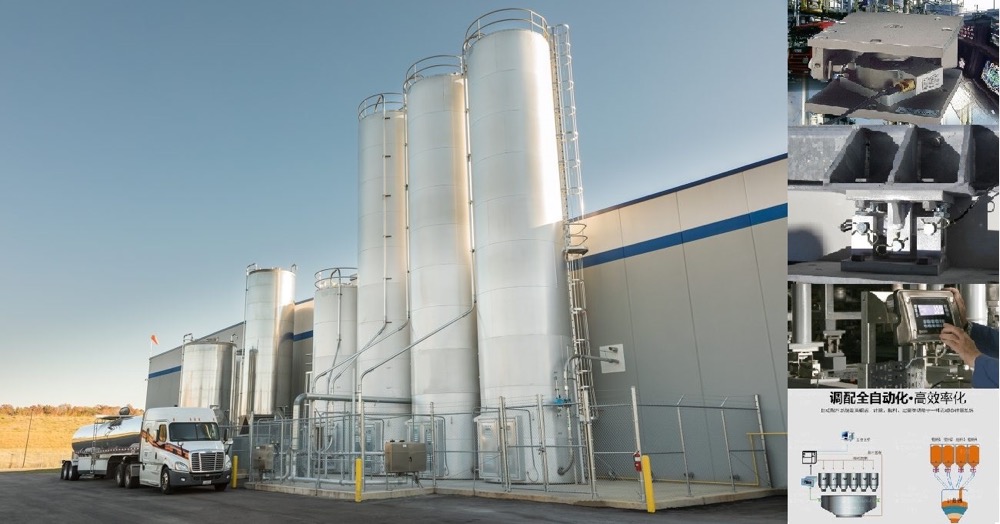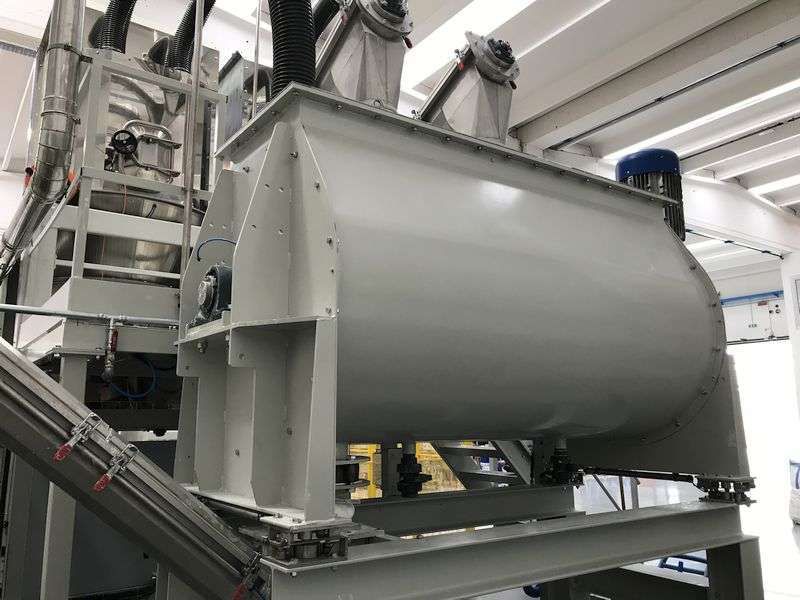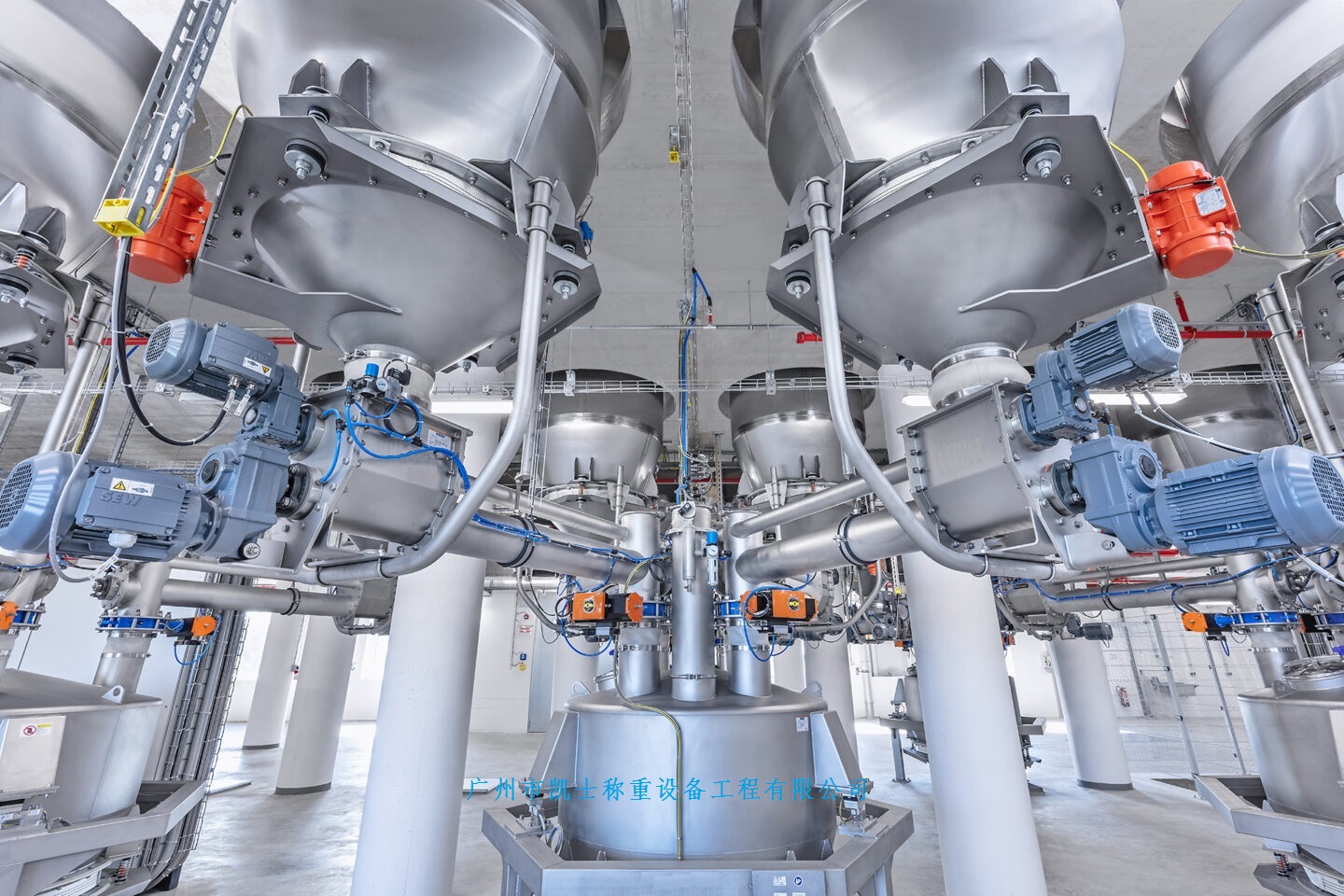


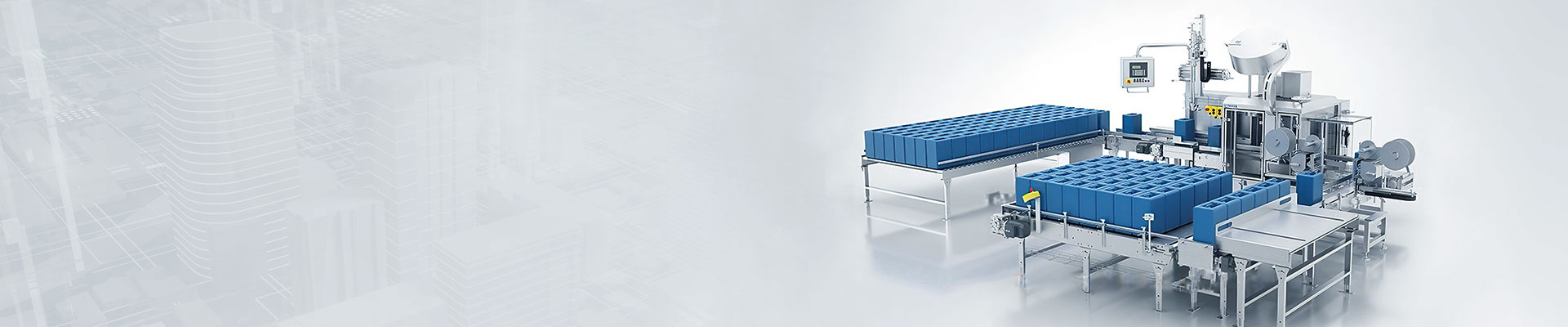
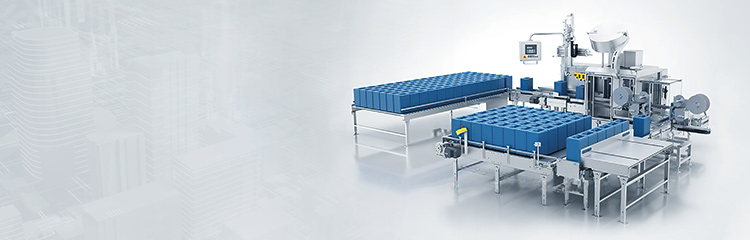



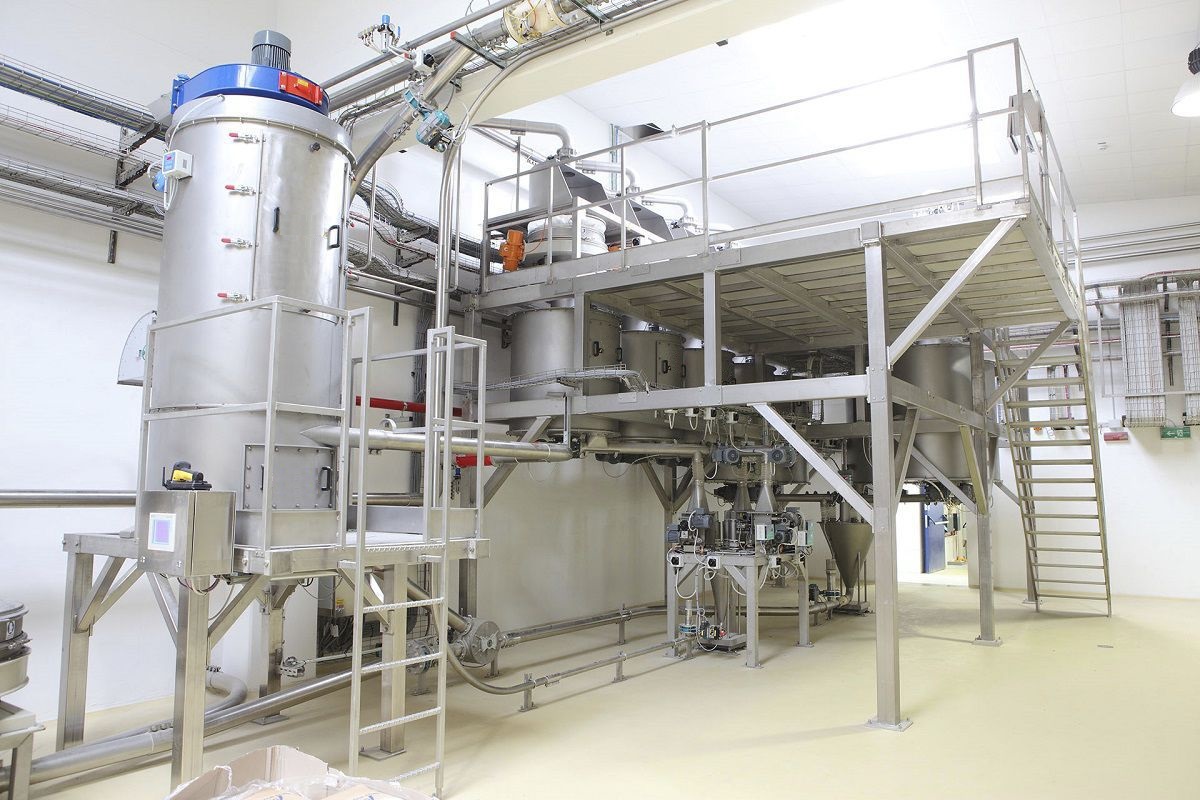
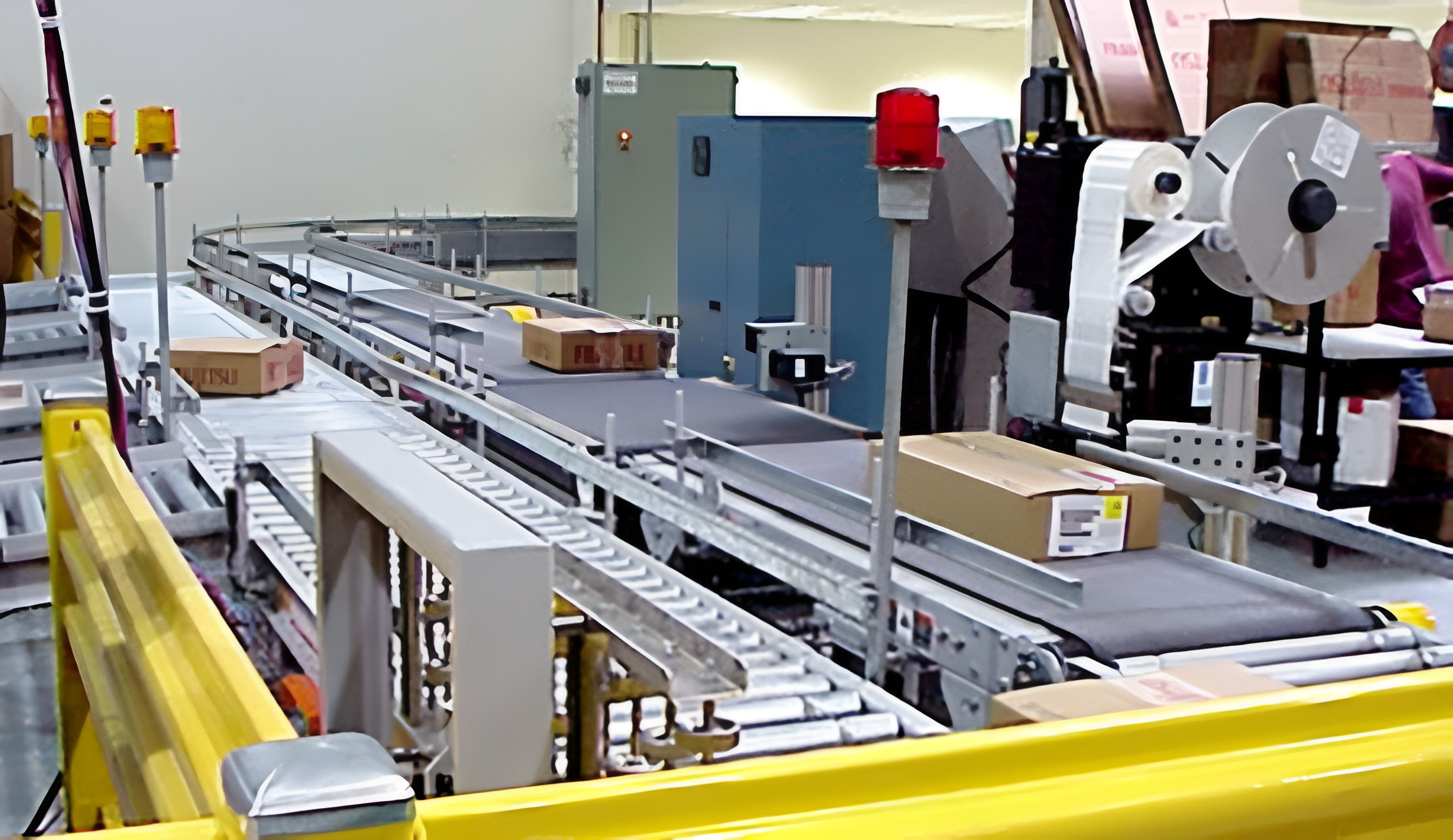


The weighing and lifting machine adopts a method of moving while the feeding and discharging positions are fixed for material transfer. According to the actual situation on site, the position of the material silo is set as the feeding and discharging position, and a chain conveyor is installed. After the PLC issues the feeding command, the transfer machine starts to simultaneously deliver the two barrels of materials to the conveying position. The conveyor rises and rotates to send the materials to the feeding machine. After the feeding machine detects the materials, it moves to the selected material silo. After the frequency converter of the feeding machine starts to increase at high speed to the deceleration position, it reduces the speed to pour the materials into the corresponding silo. To ensure that the materials are fully and thoroughly poured out, it is set to two feedings through the PLC program control.

 020-34563445
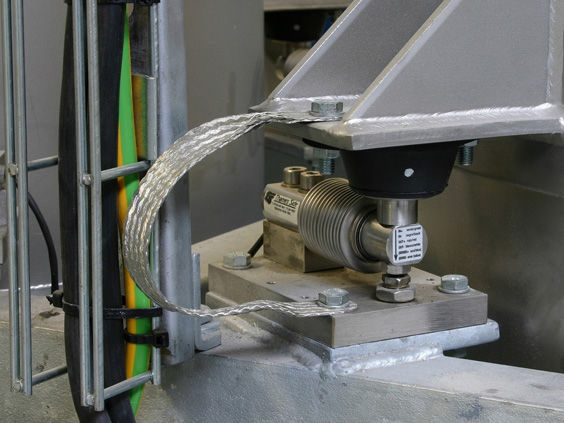
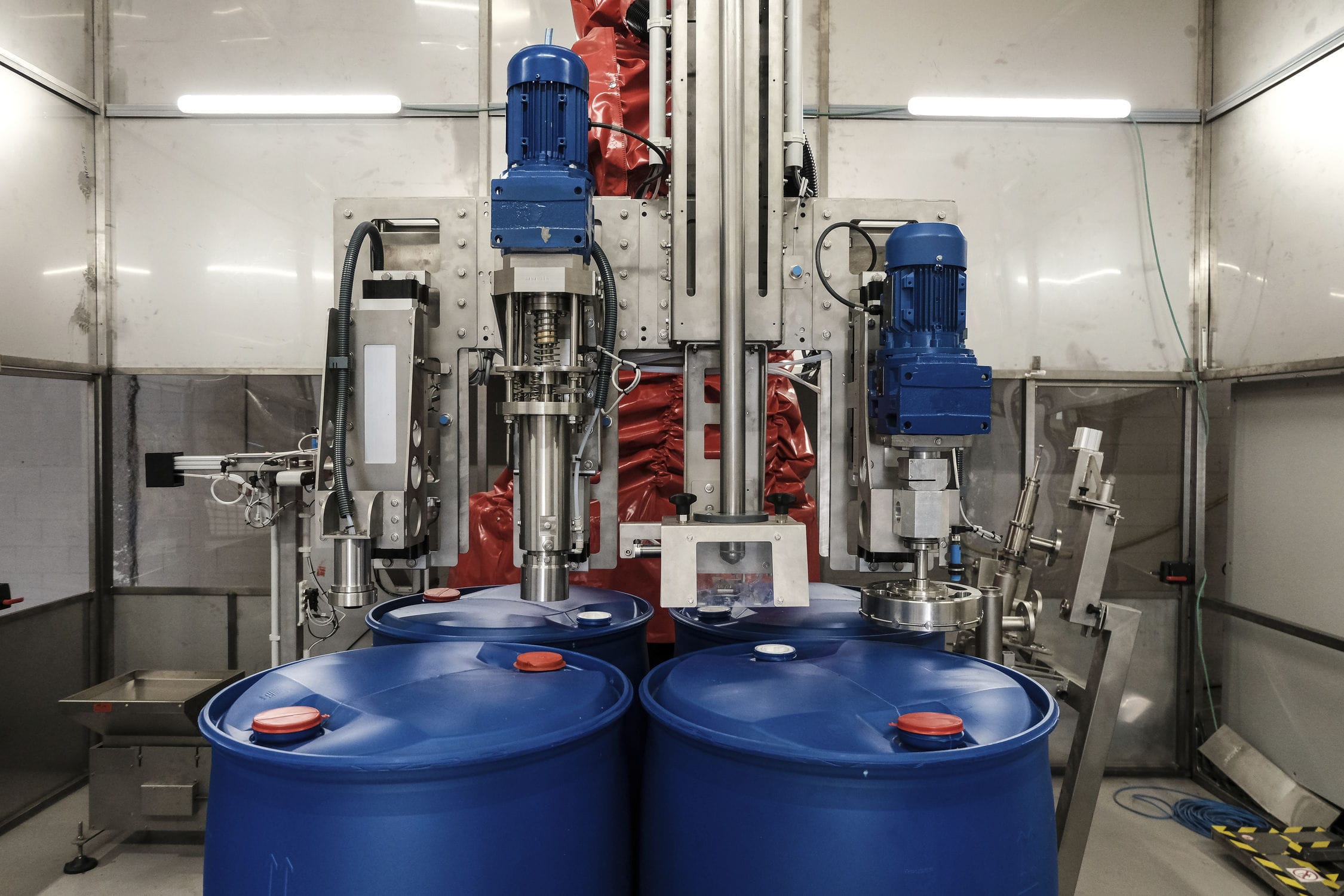
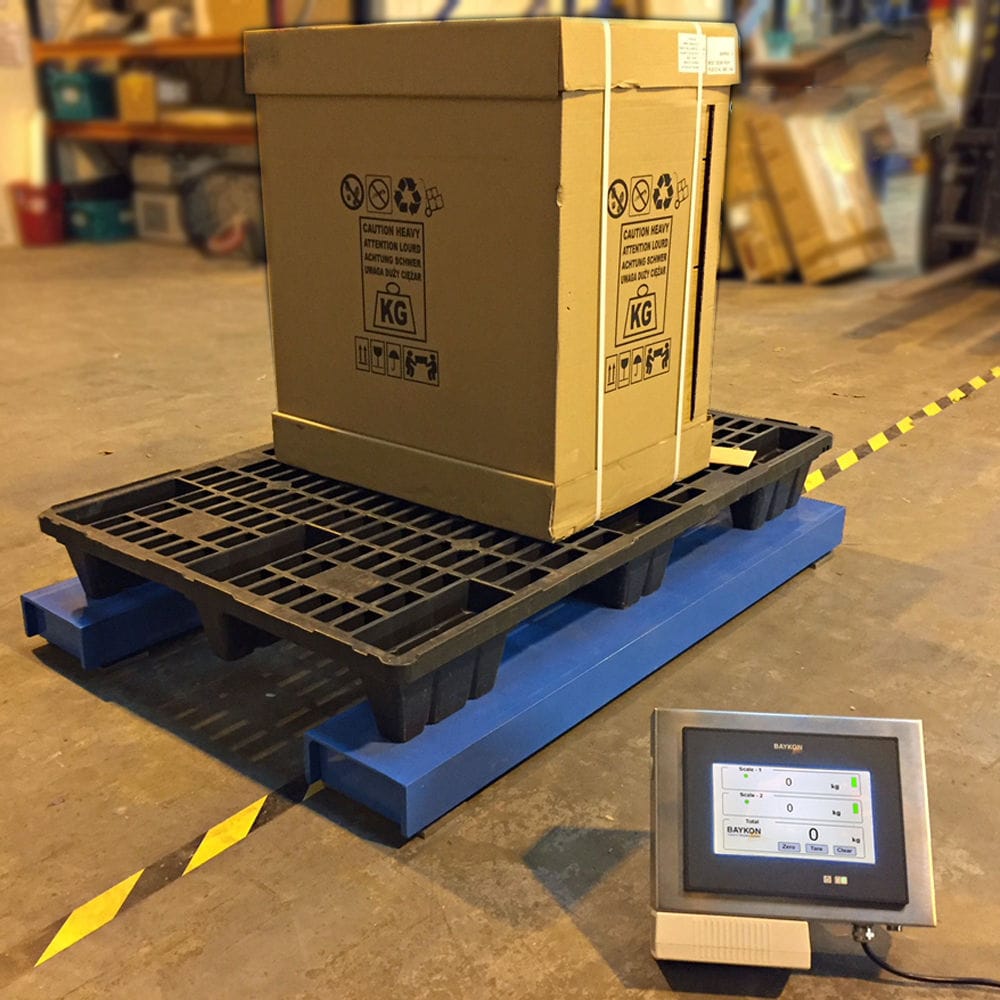
The weighing and lifting machine is composed of Weighing modules, conveyors, circular transfer machines, Feeding machines, etc. The entire system is made of Siemens S7-200SMARTPLC. The weighing instrument uses the Modbus-Rtu protocol based on RS-485 for weight data transmission. There are two adjustable Electronic scales with conveyors on site. In actual operation, it is necessary to determine whether the loading bucket of the electronic scale is in place. To ensure reliability, direct-beam photoelectric switches are installed on both sides of the scale platform. After the operator selects the bucket entry operation, the conveyor rises and conveys the empty material bucket to the receiving position, that is, it blocks the photoelectric switch and sends a signal to the PLC. At this time, the PLC begins to complete the tare operation. After completion, the photoelectric indication is fed back to the operator of the upstream material lifting machine, allowing the material picking to start. When the set weight is reached, the material lifting machine automatically stops, and the conveyor rises to complete the material discharge operation from the material bucket, reaching the transfer conveyor line.
The material lifting machine adopts a method of moving while the feeding and discharging positions are fixed for material transfer. According to the actual situation on site, the position of the material silo is set as the feeding and discharging position, and a chain conveyor is installed. After the PLC issues the feeding command, the transfer machine starts to simultaneously deliver the two barrels of materials to the conveying position. The conveyor rises and rotates to send the materials to the feeding machine. After the feeding machine detects the materials, it moves to the selected material silo. After the frequency converter of the feeding machine starts to increase at high speed to the deceleration position, it reduces the speed to pour the materials into the corresponding silo. To ensure that the materials are fully and thoroughly poured out, it is set to two feedings through the PLC program control.
The principle followed in the mixing process of the Weighing system is "add raw materials with a larger proportion first, add those with a smaller proportion later, add those with a lighter specific gravity first, and add those with a heavier specific gravity later." The input of the formula should also follow this principle. However, during the formula input process, it is also necessary to pay attention to preventing the phenomenon of scale overloading during the batching process. During the batching process, first adjust the formula input based on the time from the start of batching to the time when the mixer opens the door for unloading of this variety of finished product. Place the middle section of the feeding time of a certain raw material with a large proportion at the time when the mixer opens the door for unloading. This way, there will be no overloading of the scale, which could lead to incorrect raw material addition.