





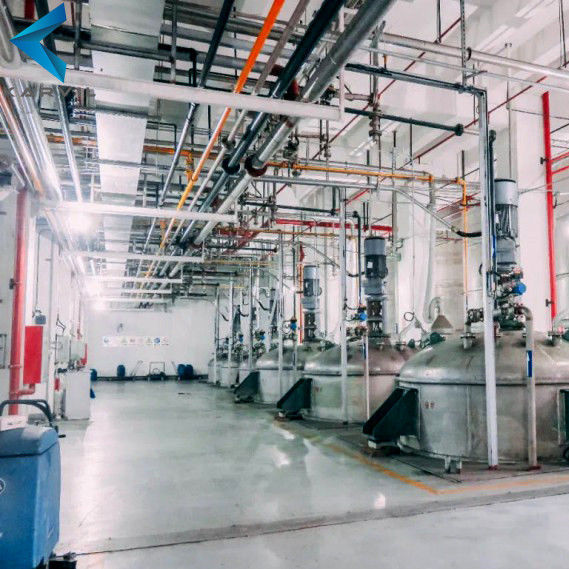
The Mixing reaction pot weighing system converts the digital signal into digital signal through internal amplification A/D and transmits the digital signal to the CAN bus through the communication sub-module. The instantaneous flow rate of the material can be measured, and the analog signal from the weighing module and the motor frequency conversion speed regulation can be received in the system, and the instantaneous flow rate and cumulative flow rate can be displayed after integration. At the same time, the instantaneous flow is sent to the computer system with 4~20mA analog current signal as the input signal, and the computer compares the signal with the set value and outputs 4~20mA analog current signal through the inverter to control the speed of the feeding motor, realizing the closed-loop control of the material discharge flow.

 020-34563445
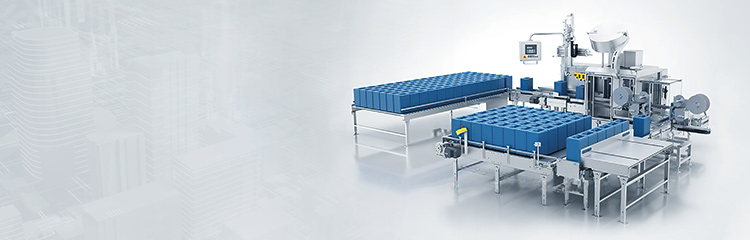
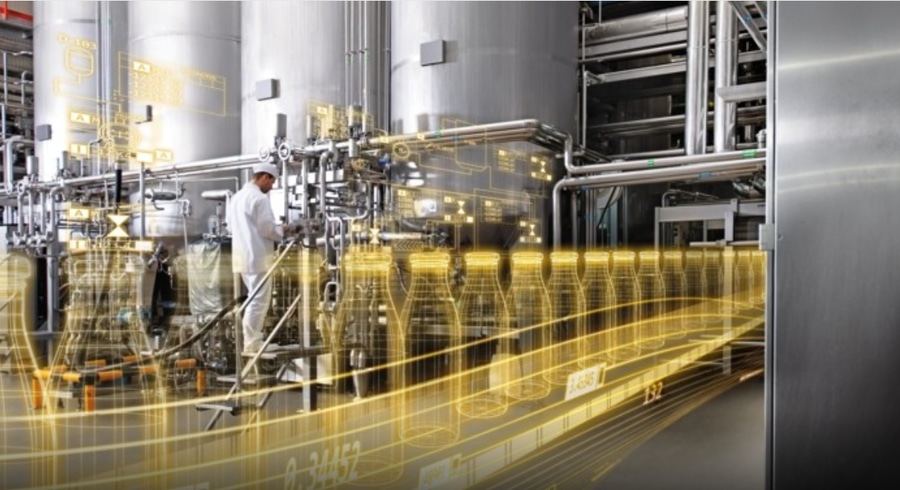
The feeding system is a complete set of automated equipment that realizes dynamic weighing and batching control through electrical control management and visual human-machine software configuration. The electrical control part of the system adopts Siemens PLC and is programmed and controlled according to production requirements. The software adopts human-machine configuration. According to the process requirements, it controls the weight and flow rate of the materials loaded into the weighing hopper through the monitoring system and PLC program, thereby achieving precise measurement and batching. The system features strong stability and high cost performance, and can provide accurate measurement data and control means for production control and management in various industrial sites.
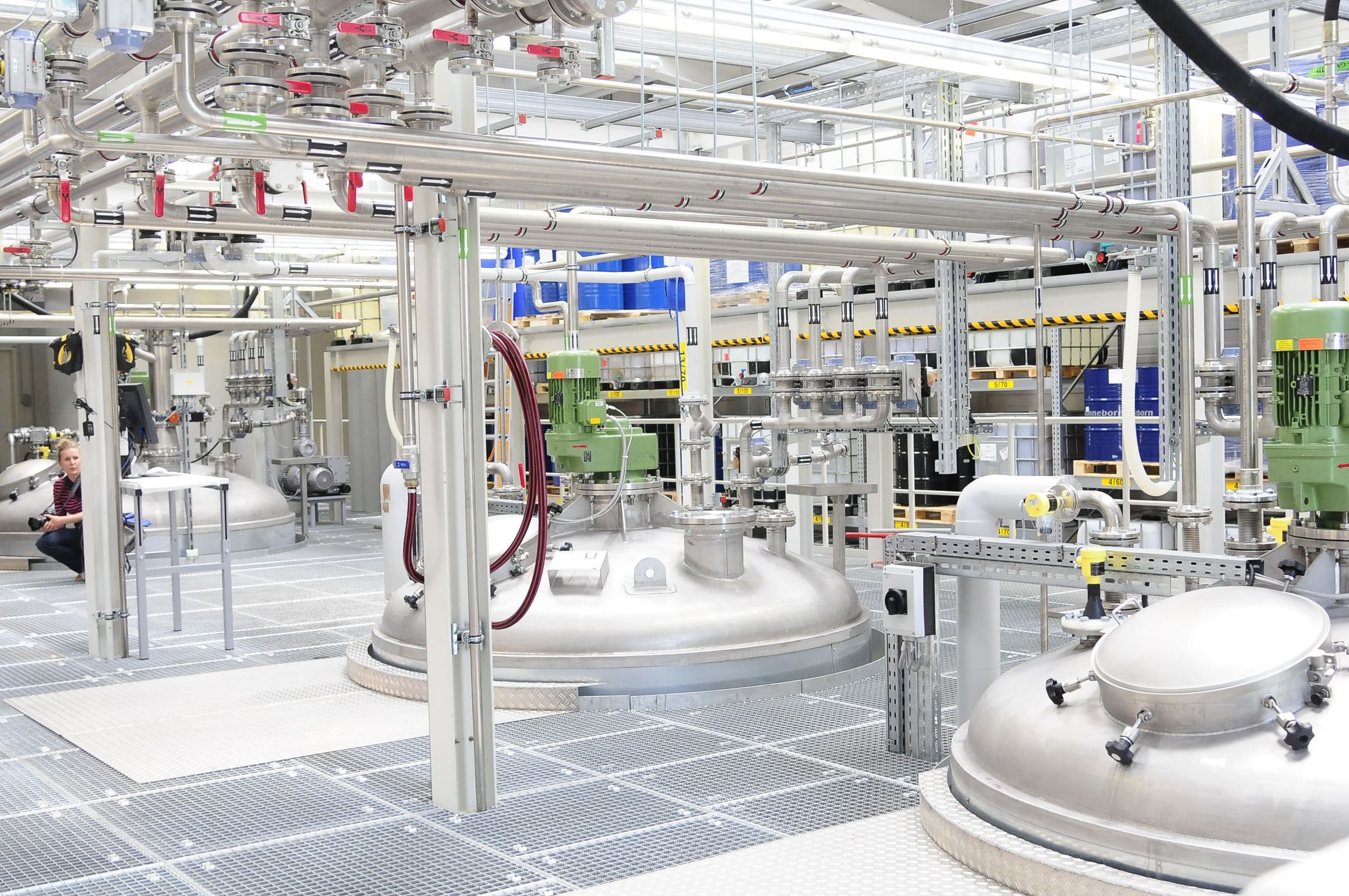
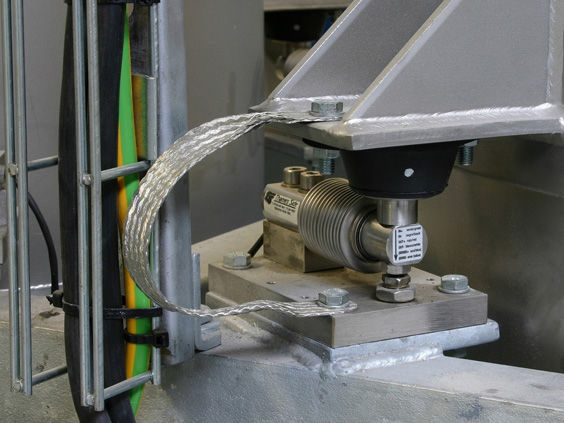
The Weighing system of the mixing reaction pot is composed of A display control module and a weighing module. The data is connected via CAN bus. The sensor data acquisition module continuously collects the analog voltage signal of the sensor, converts it into a digital signal through internal amplification A/D conversion, and transmits the digital signal to the CAN bus through the communication sub-module. Through this, the instantaneous flow rate of the material can be measured. In the system, analog signals from the weighing module and the variable frequency speed regulation of the motor are received. After accumulation, the instantaneous flow rate and cumulative flow rate are displayed. At the same time, the instantaneous flow rate is sent to the computer system as a 4-20mA analog current signal as the input signal. After comparing and calculating this signal with the set value, the computer outputs a 4-20mA analog current signal, which is then controlled by the frequency converter to adjust the speed of the feeding motor, achieving closed-loop control of the material discharge flow.
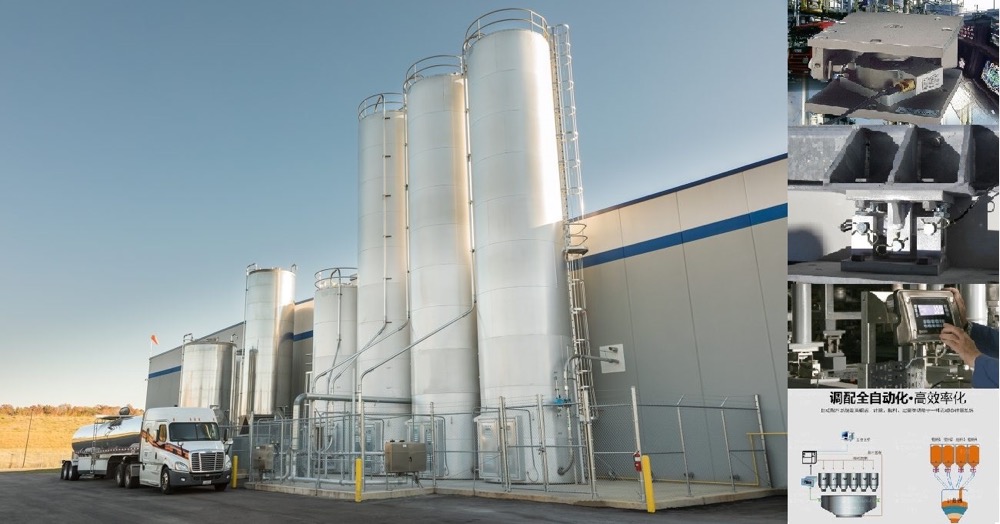
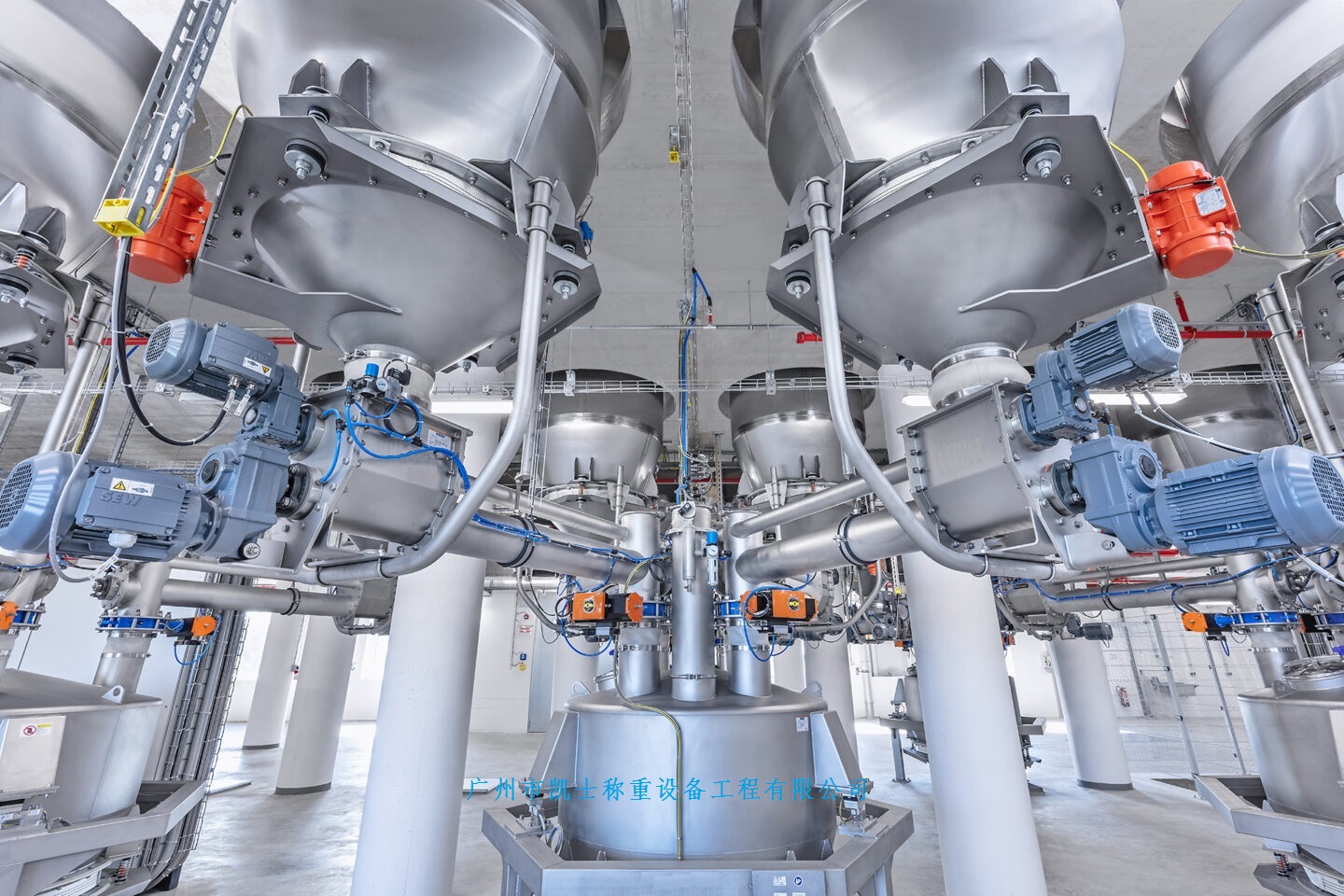
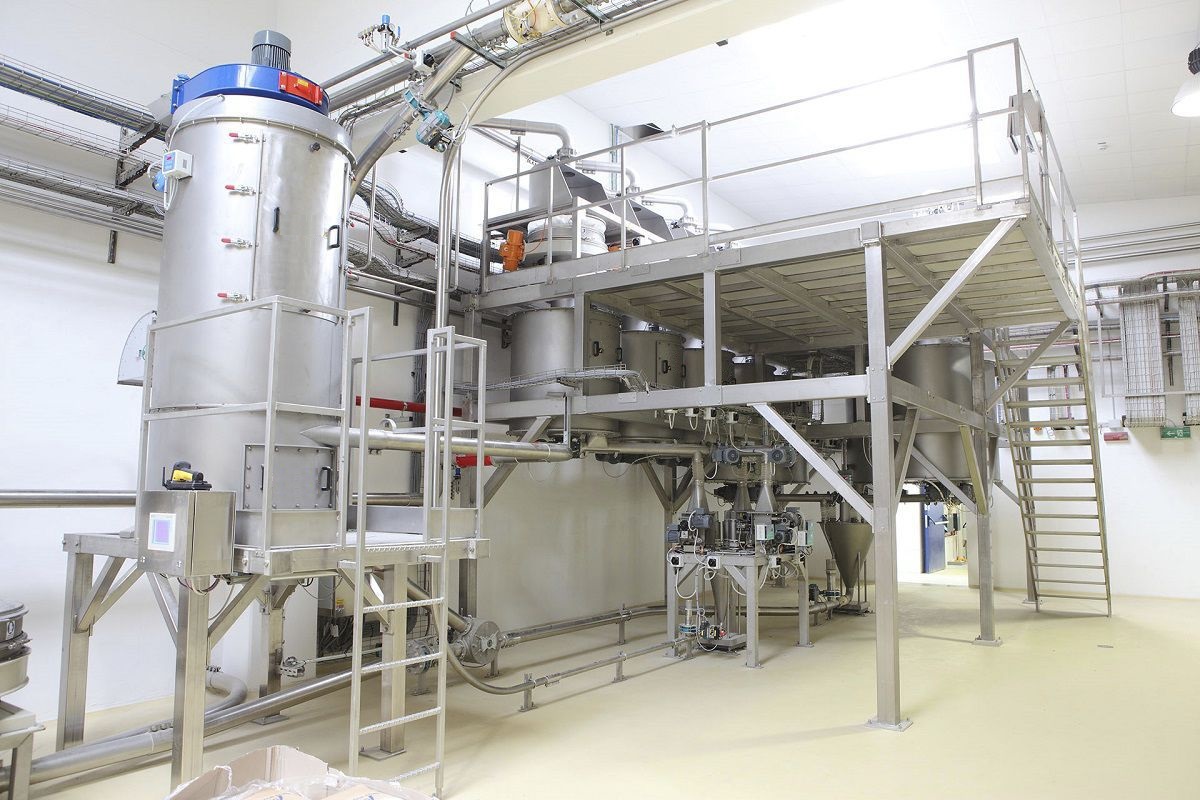
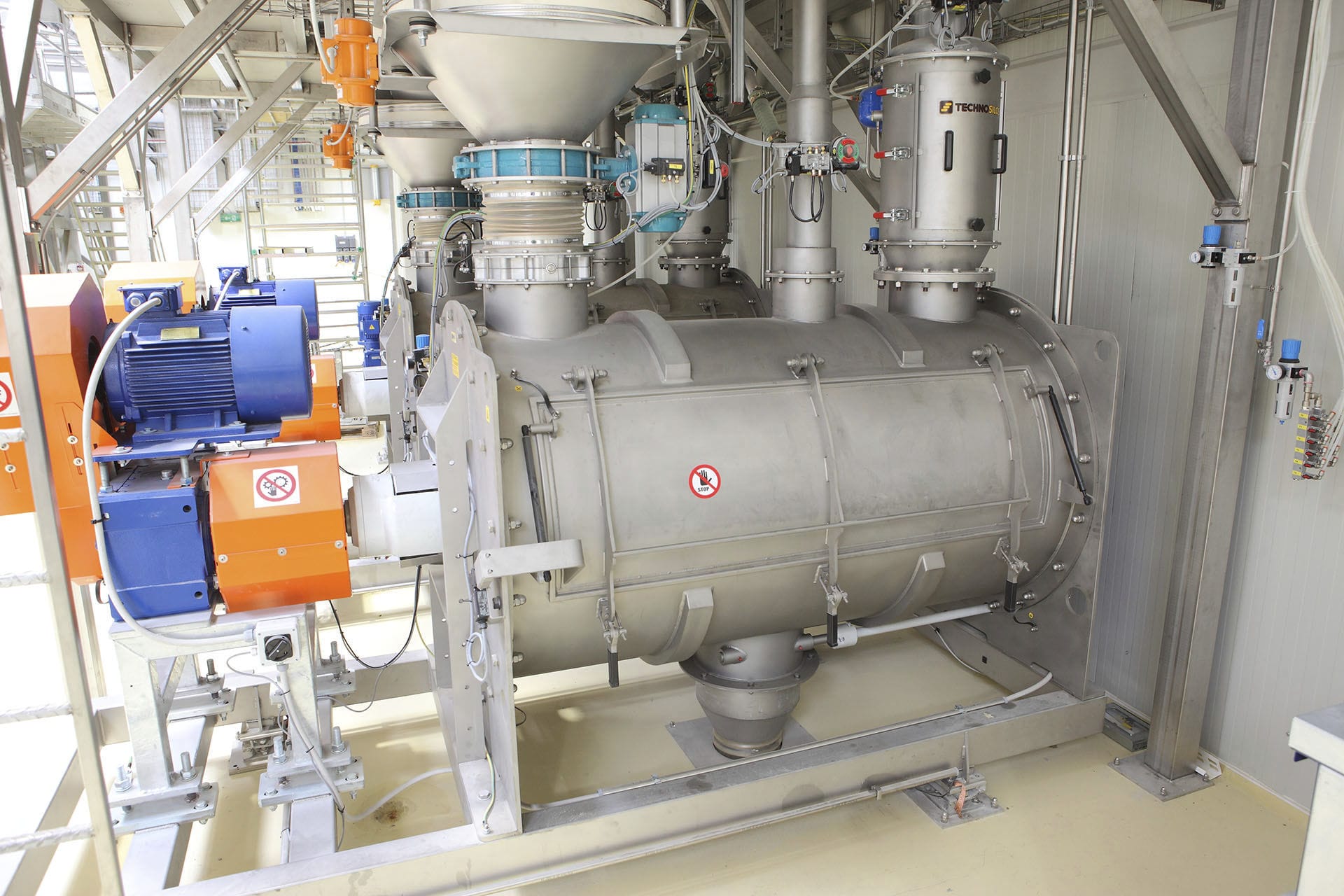
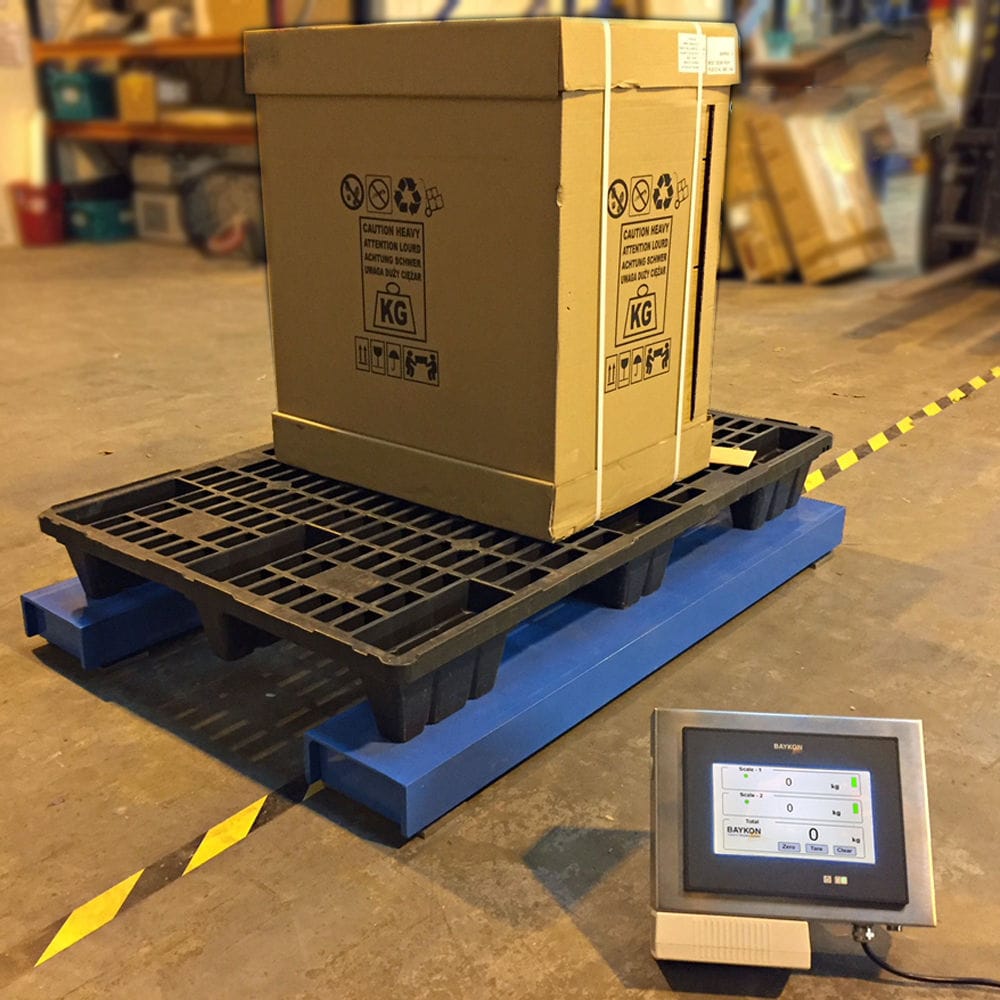
The Batching system adopts a 20Kg small weighing batching hopper composed of a stainless steel sensor and a stainless steel hopper, and a 300Kg deionized water weighing tank composed of a stainless steel tank and a carbon steel platform scale. The small batching hopper and the deionized water weighing hopper can operate simultaneously, and both can automatically determine the feeding amount. All solid and liquid materials should be mixed in accordance with the formula requirements. During the mixing process, the sequence and quantity of adding materials and water, as well as the number of batches of materials and water added to each additive tank, should all be carried out in accordance with the formula requirements. An appropriate amount of deionized water should be added, and the total amount should be well controlled. All the mixed materials and deionized water should be conveyed to the corresponding additive tanks. This system is equipped with 6 stainless steel raw material daily storage hoppers, among which 4 are for solid materials and 2 for liquid materials. The solid materials are fed and precisely controlled by electric vibration Feeders, while the liquid materials are fed by pneumatic ball valves. After the small weighing batching hopper completes the batching, a small amount (with water volume controlled by the program) of deionized water is added multiple times to dissolve the material and output it multiple times. The discharge is equipped with an automatic Angle valve. The deionized water weighing tank is equipped with an automatic Angle valve for water inlet and an automatic Angle valve for water outlet. Manually select one of the eight additive cylinders and open the corresponding hand valve, while confirming that the hand valves of the other additive cylinders are closed. Start the pump according to the program setting to transport water and the mixed material to the additive cylinders.
The main control part of the weighing system is placed in an electrical control cabinet, including the weighing sensor (small weighing batching hopper), W6000L weighing tank (deionized water weighing tank), and LD.AS industrial weighing terminal. In the middle of the electrical control cabinet, there is a Siemens S7-200PLC system. The PLC communicates with the Siemens touch screen through the communication port using the MPI communication method.
The status of material operation and the selection of formula are displayed on the touch screen. The friendly human-machine interface makes it more convenient for users to operate. Users can store formulas according to their own needs. When they need to use the formula, they only need to call the corresponding formula number to use the relevant parameters, without having to input parameters one by one, which simplifies the user's operation. After the formula is selected, the formula program is initiated. The PLC controls the entire batching process, automatically starts the automatic feeding equipment in the formula sequence and stops it at the preset value. It also automatically opens the feeding valve and pump to send the materials to the additive cylinder and stores the relevant data for each batching.