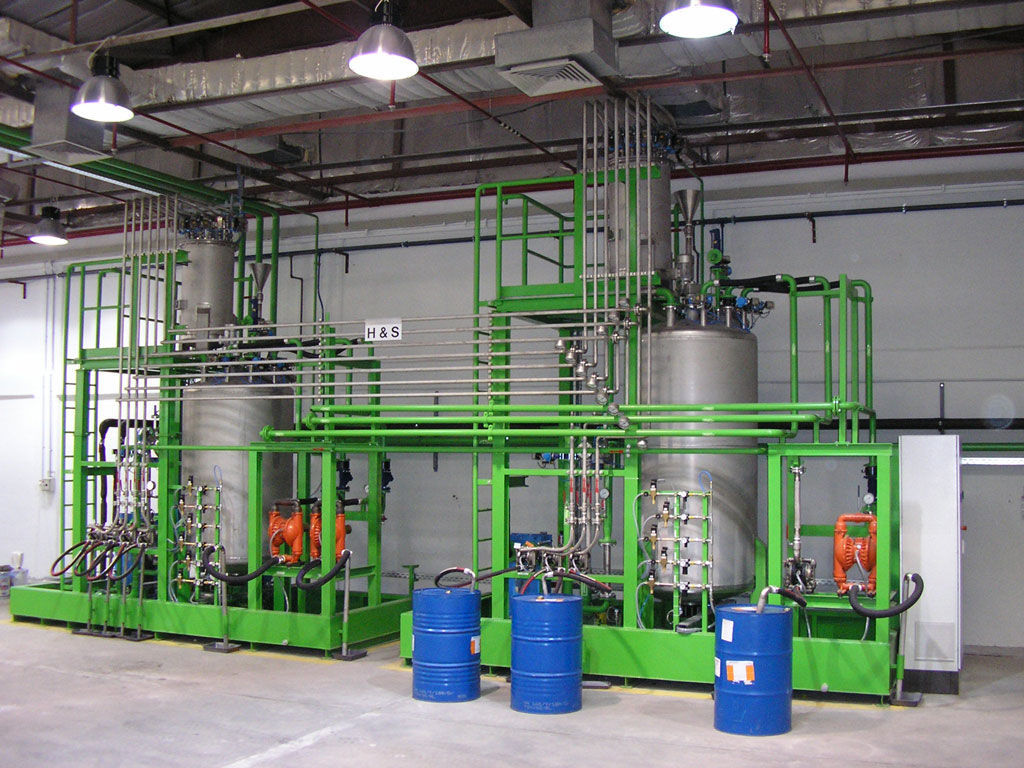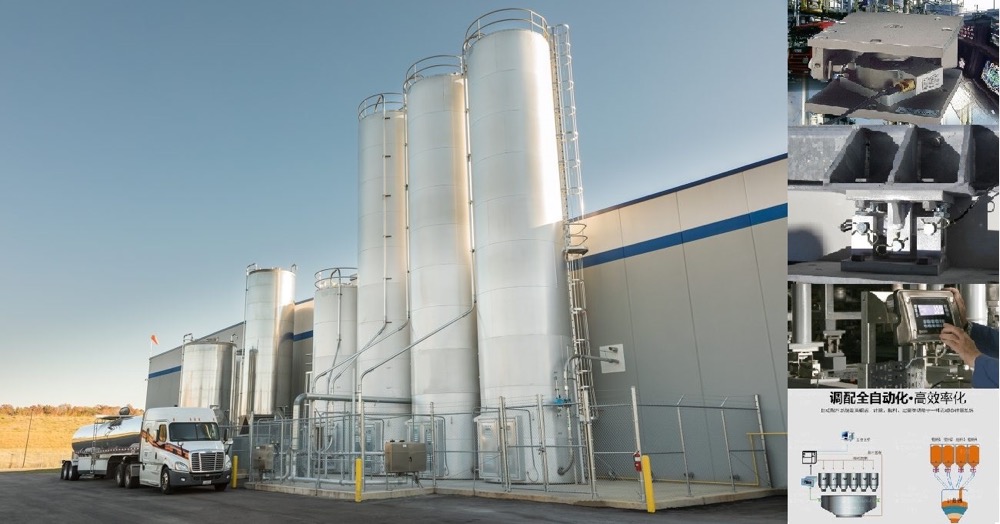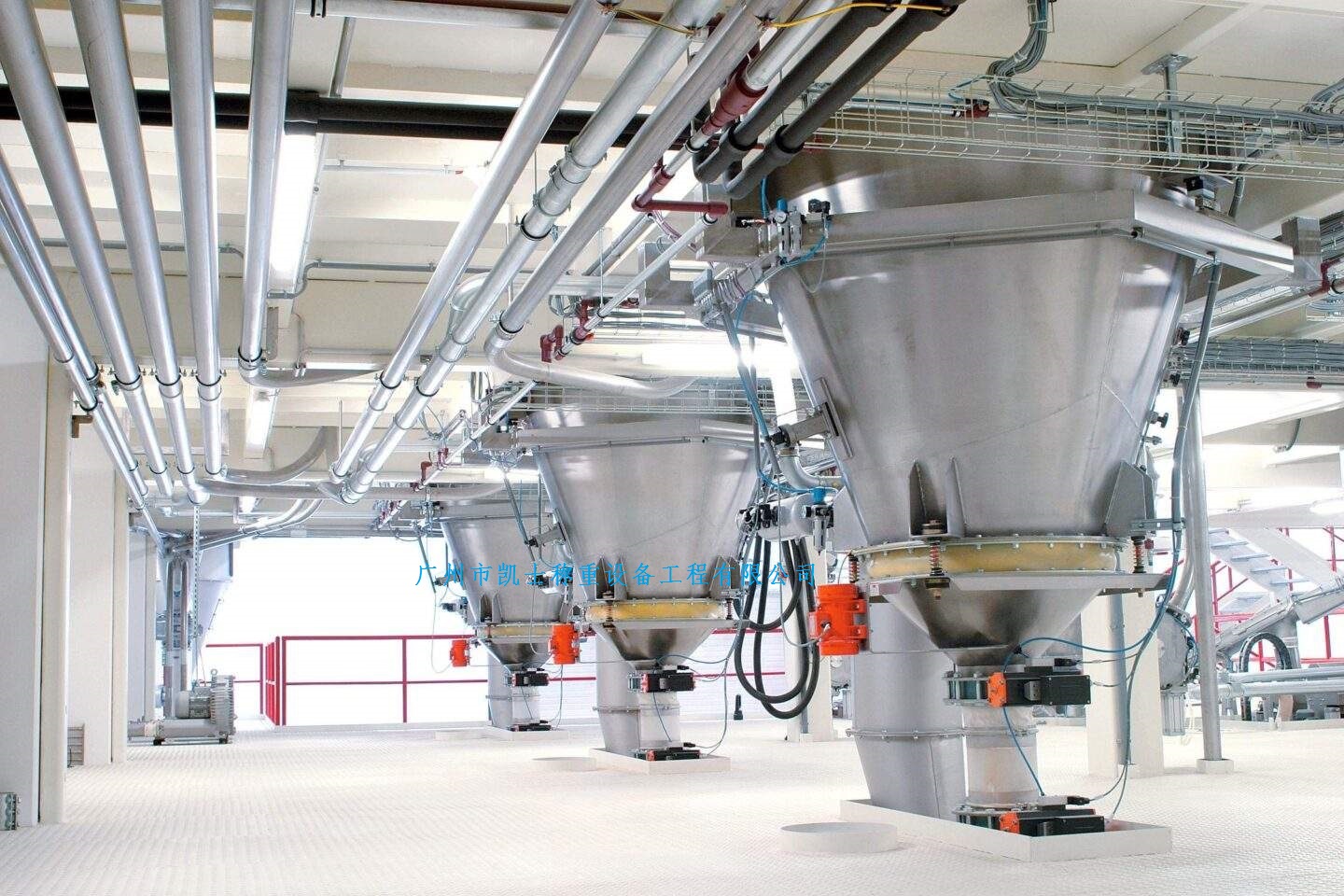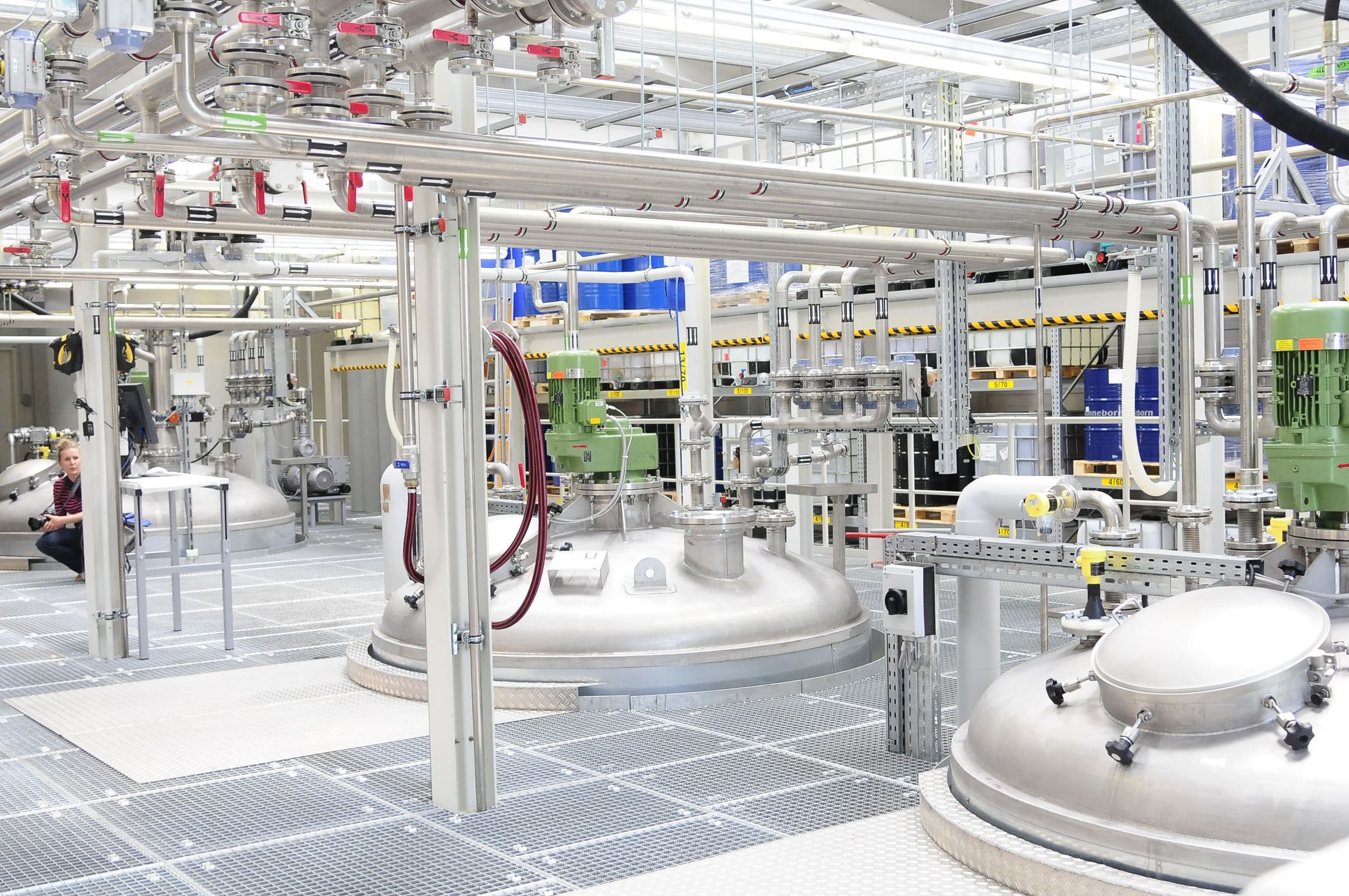


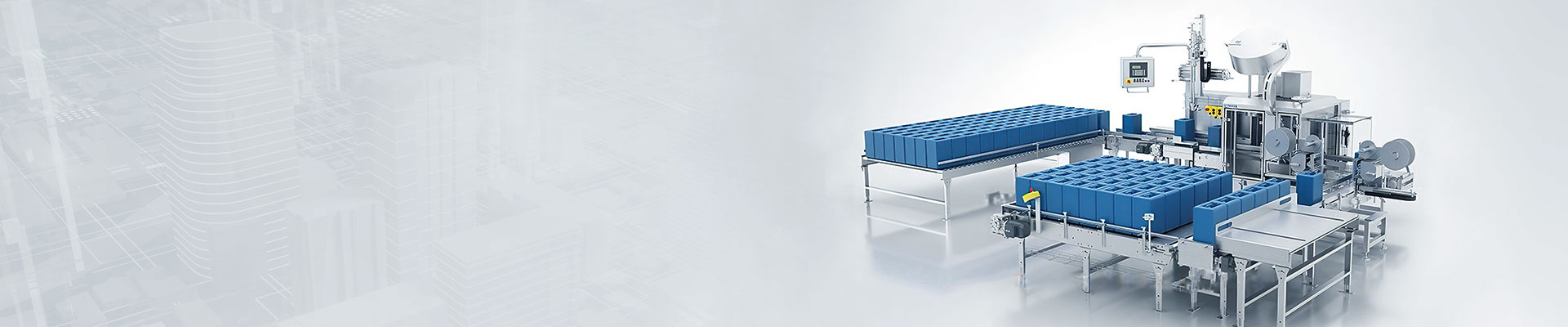


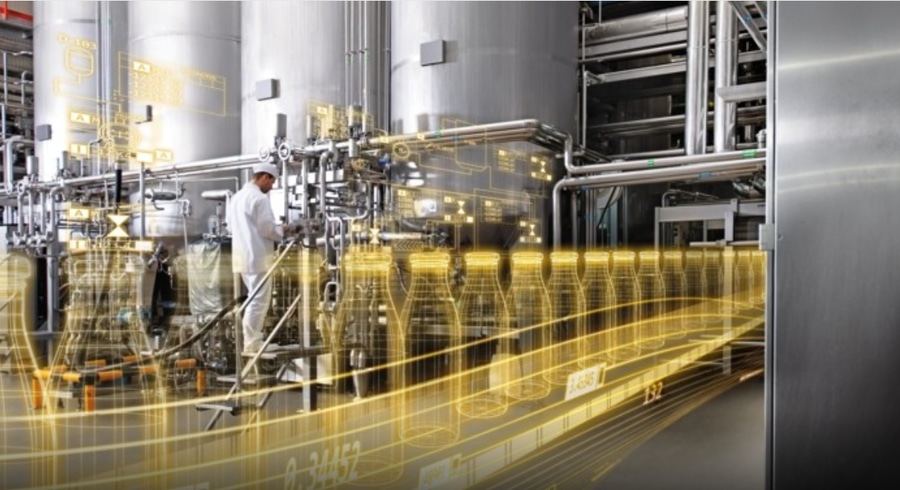
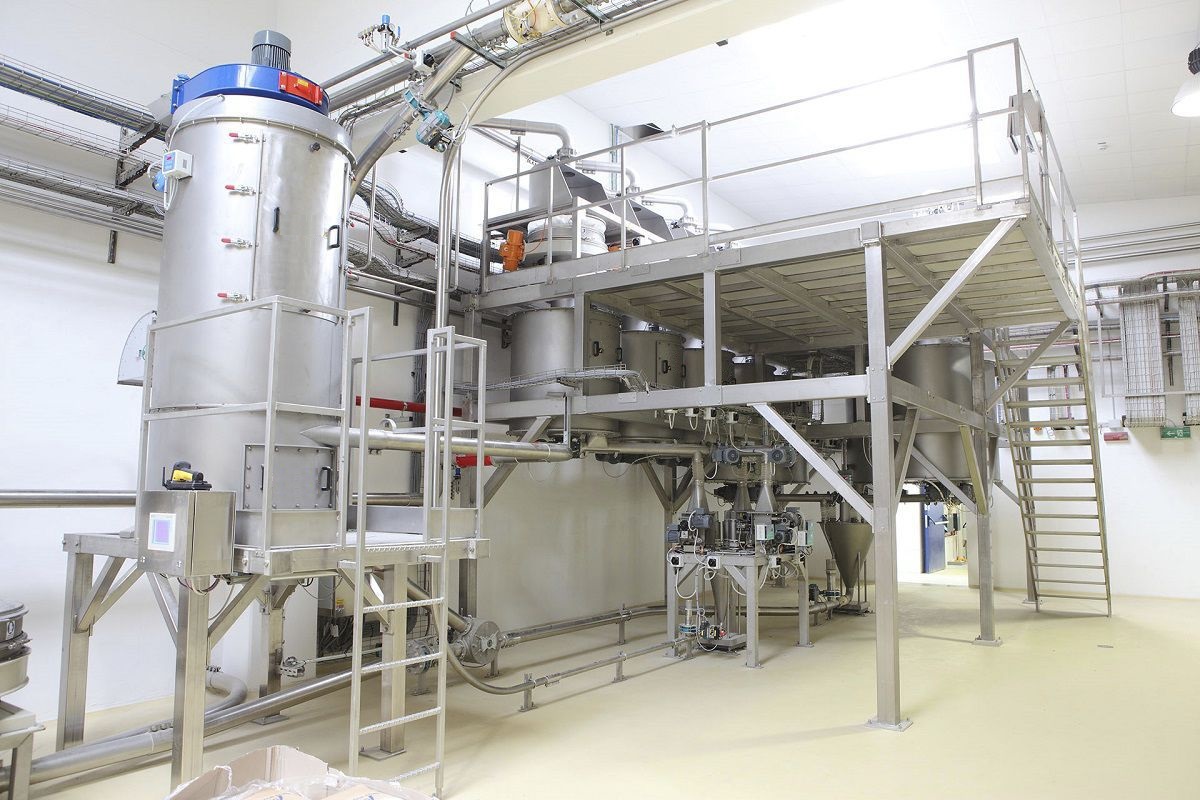
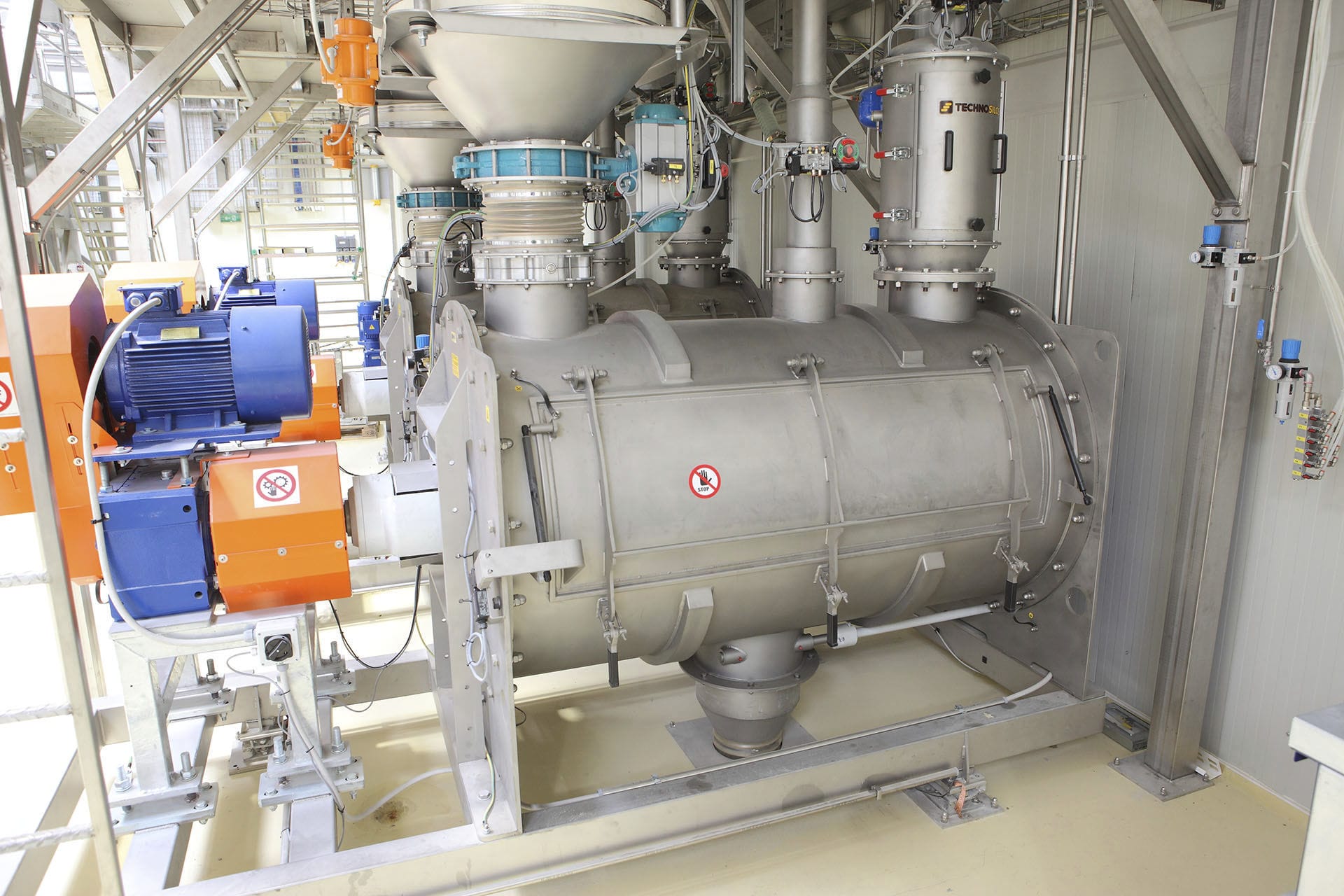
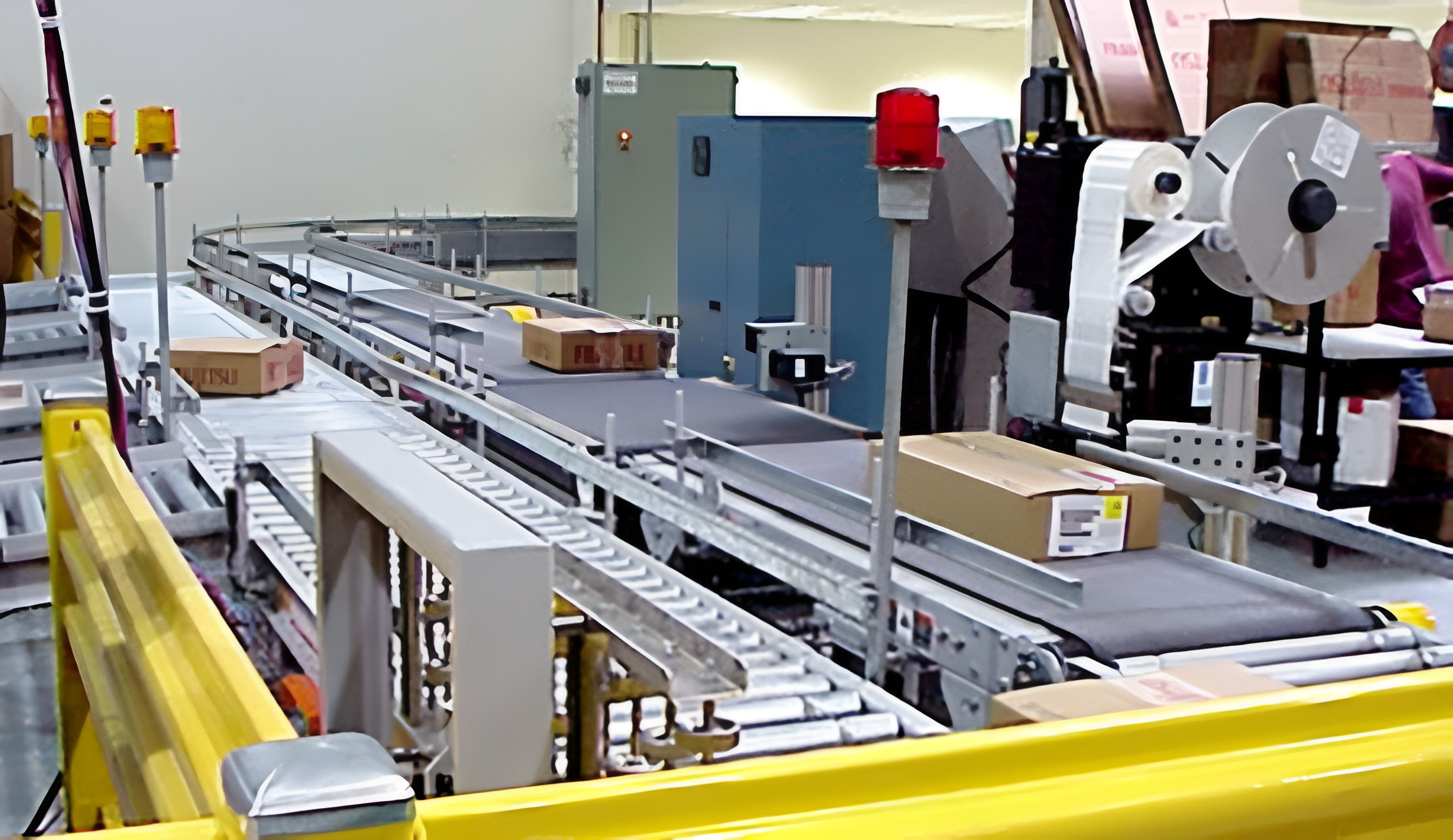
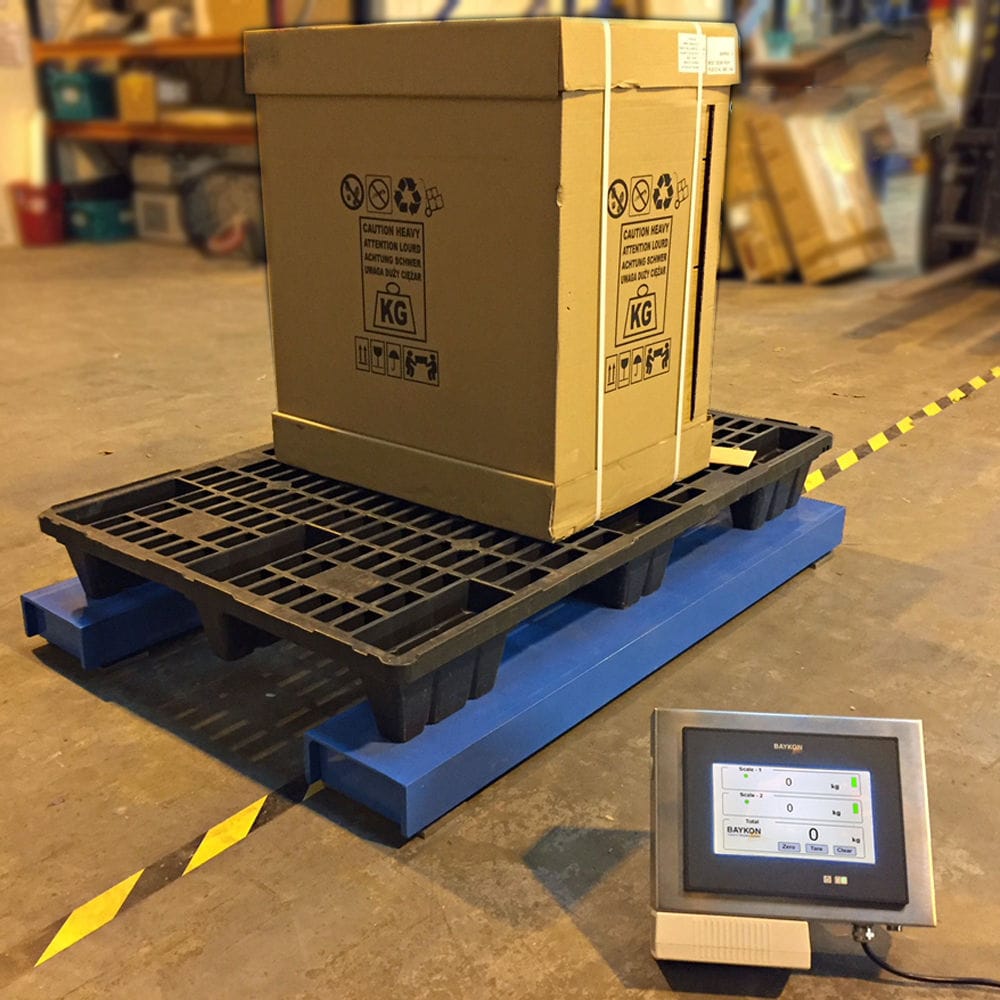


The dust-free automatic feeding system is controlled by PLC timing. The mixer is always stirring. During stirring, liquid is added quantitatively. The material bin must be discharged when the material door of the temporary storage hopper is closed (if the temporary storage hopper is equipped with a weighing scale) and the scale is empty. After the material and miscellaneous bin is closed in place, the temporary storage hopper begins to discharge materials. The external storage tank and the in-plant material silo start to feed materials to the screw after a delay. The amount of material fed is controlled by the opening degree of the material door. The start and stop are controlled according to the start and end of material discharge in the temporary storage hopper. All controls are implemented by the PLC for interlocking control, and the PLC controls the sequential start and stop.

 020-34563445
The dust-free automatic feeding system includes steps such as bulk material measurement and weighing, control of feeding, and stirring. It is often controlled by a computer equipped with automatic batching algorithm software for its automatic batching. Adopting a master-slave structure, multiple single-chip microcomputers are connected to form a powerful system, which can be applied to large concrete batching stations, and the materials batching can be as many as 9 to 12 kinds simultaneously.
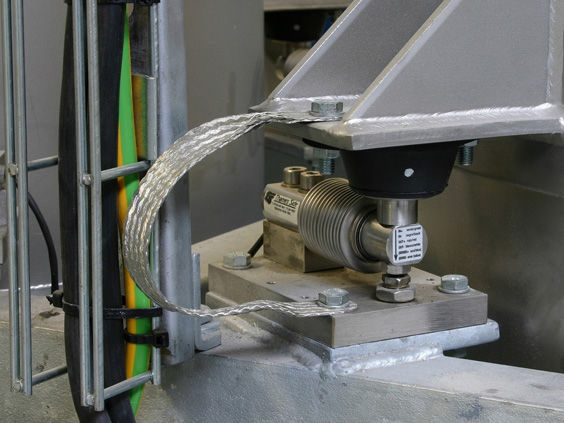
The mechanical equipment part of the metering and batching control system includes the feeding station, feeding device, batching silo, etc. The metering automatic Batching system determines the raw and auxiliary materials based on the process formula and identifies the raw and auxiliary materials. The main raw and auxiliary materials of the automatic weighing and batching system are respectively put into the storage silo through the dust-free feeding station in accordance with the varieties and quantities required by the operation plan. The automatic batching system is then moved to the batching station by the elevator, or the raw and auxiliary materials are put into the dust-free feeding station, and the Weighing system is sent to the fixed weighing system at the batching station through the vacuum conveyor.
The hardware of the microcomputer weighing control system for the feed production process is generally composed of a computer host, interface circuits, conventional peripheral devices and a central operation control console, etc. Automatically complete various processing such as analysis and calculation, then output the processing results and corresponding control decisions, promptly indicate the process status and issue control commands to the controlled object.
When the metering system is in operation, the computer continuously inputs various information and parameters from peripheral devices and on-site production equipment. The main unit processes them promptly and sends the results to the output devices in a timely manner for display, alarm or printing record, or outputs instructions to control the operation of on-site equipment.
In a microcomputer automatic control system with a bus structure, the host and the interface are connected through the system bus. The system bus includes the address bus, data bus and control bus. In fact, a bus is a common information flow line composed of a bundle of multiple wires. The bus structure facilitates the expansion of the system by attaching more memory and interface circuits to it, and can also enhance the reliability of the entire system.
Conventional batching equipment and conventional external devices refer to a type of commonly used input, output devices and external storage devices. The function of input and output devices is to serve as a tool for "dialogue" between a person (operator) and a machine (computer). The external memory increases the capacity of the system. The number of peripheral devices to be configured for a control system depends on the specific circumstances.
The central operation console connects the computer, peripheral devices and the controlled object. The central operation console of the feed machinery production process control system is also equipped with a simulation display screen that reflects the actual working status of the production process. The central operation console is usually equipped with indications for various primary instruments, ltd seven-segment digital tubes for digital display, production process display of the controlled system, various sound and light alarm devices, and manual control switches, buttons, etc. The relay cabinet (strong current cabinet) can also be integrated with the central operation control console after adopting appropriate isolation measures. Together with the standard keyboard and crt display in the regular external devices, it forms a complete control system command and monitoring center.