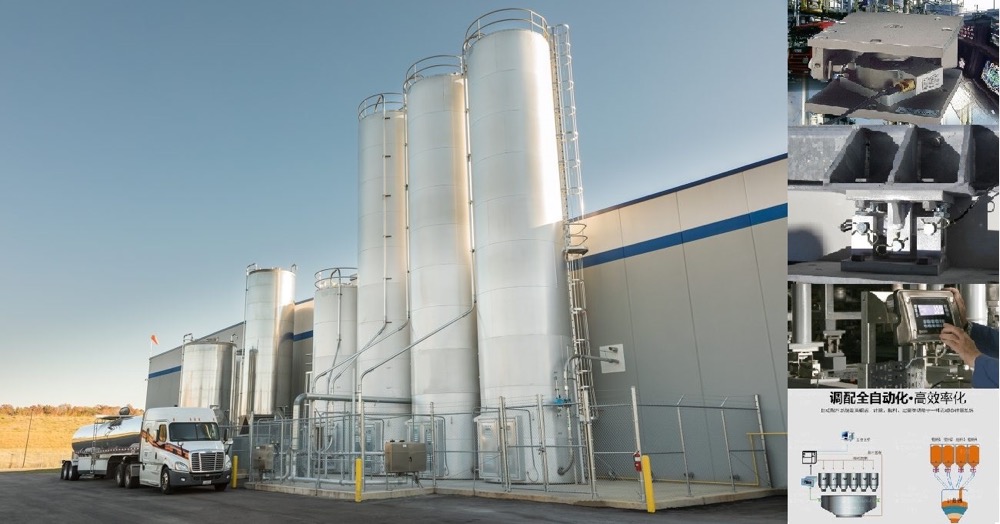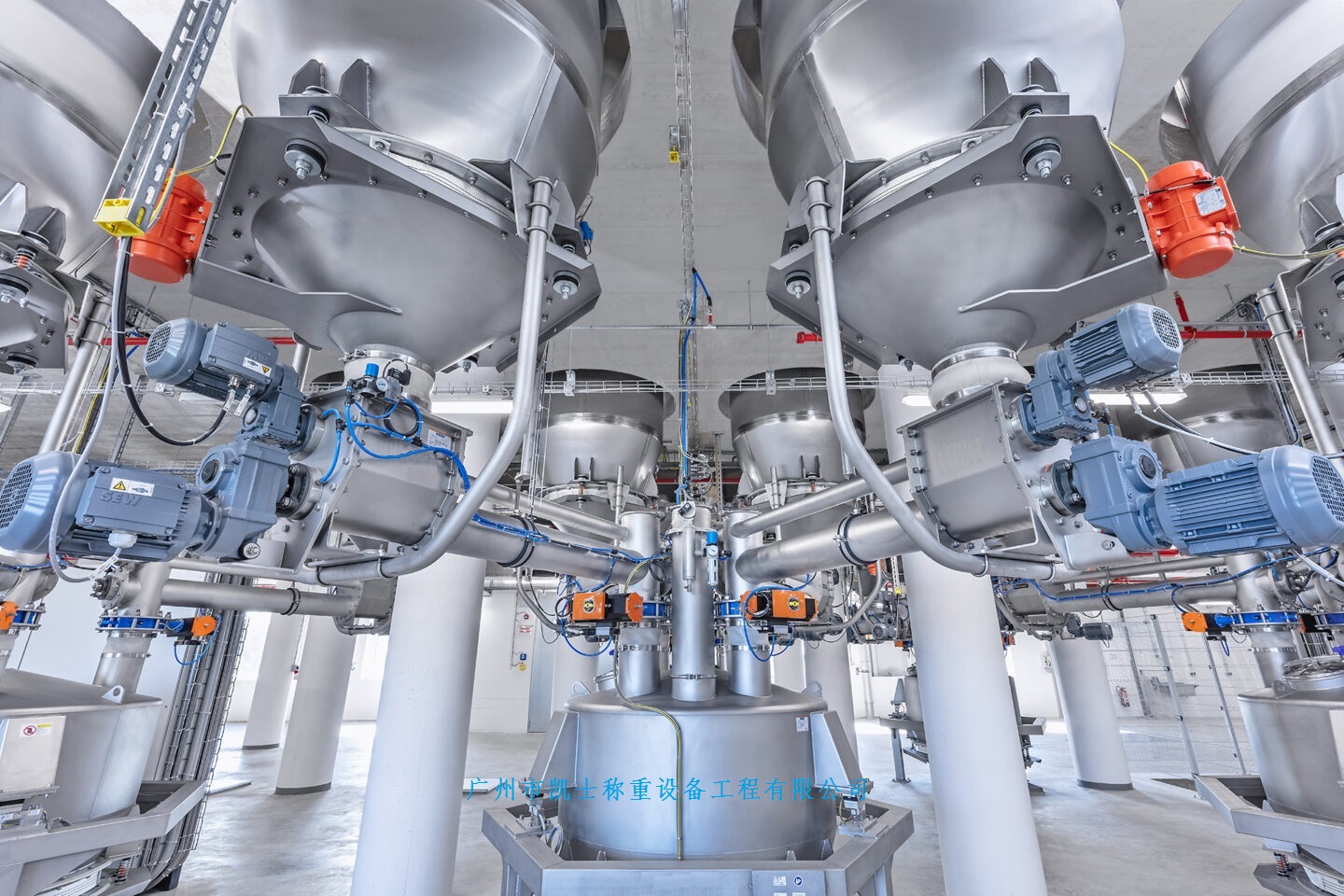


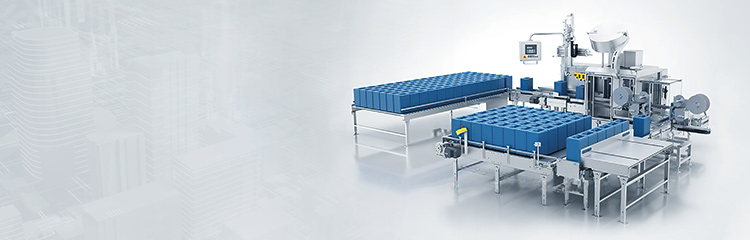


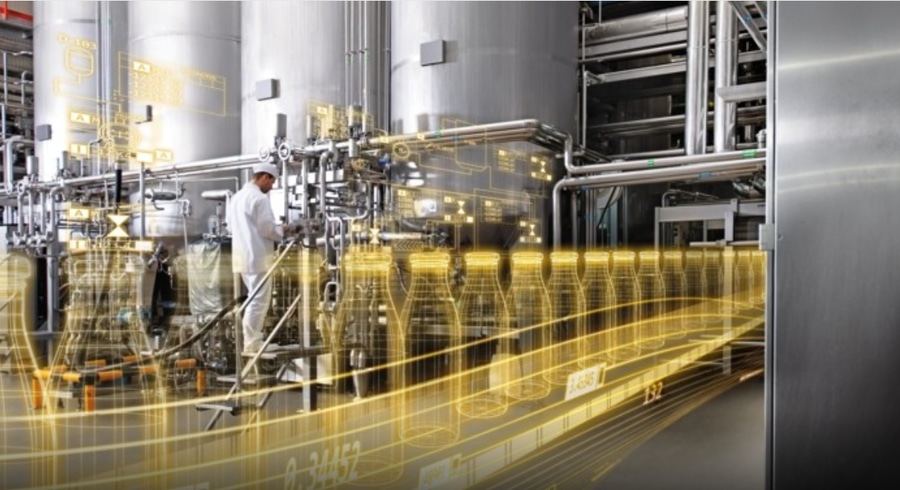
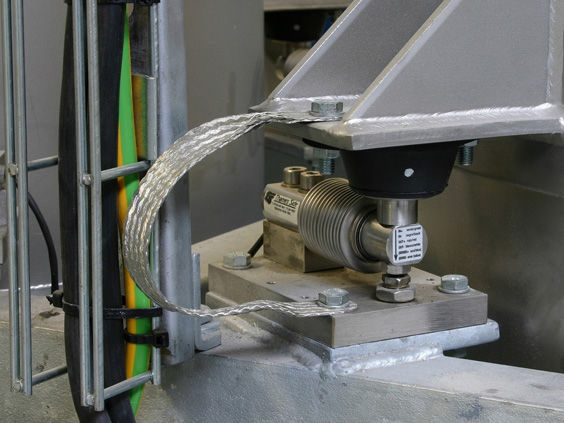
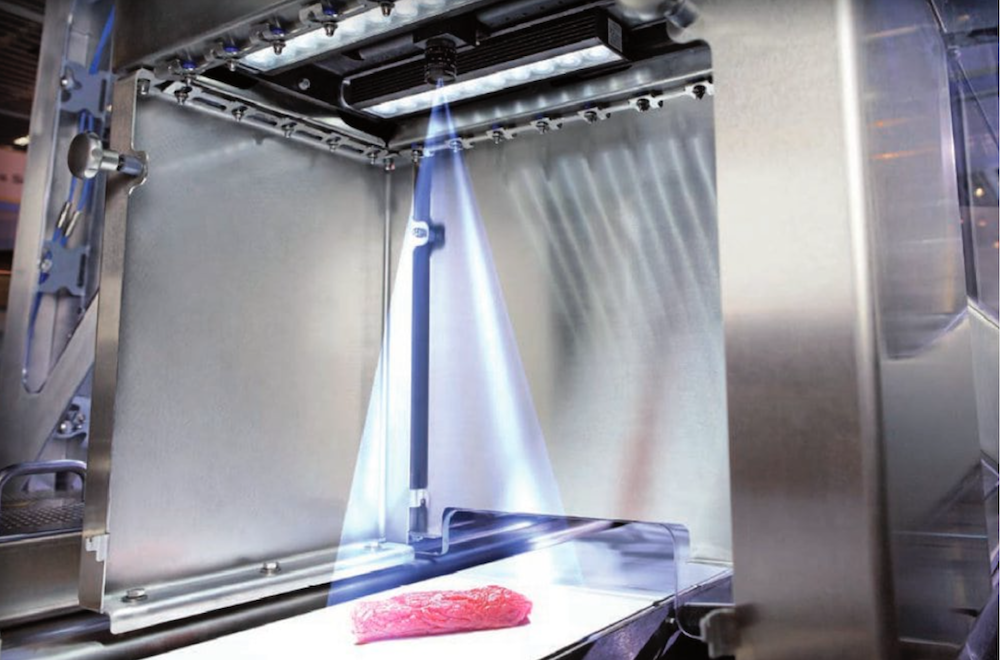
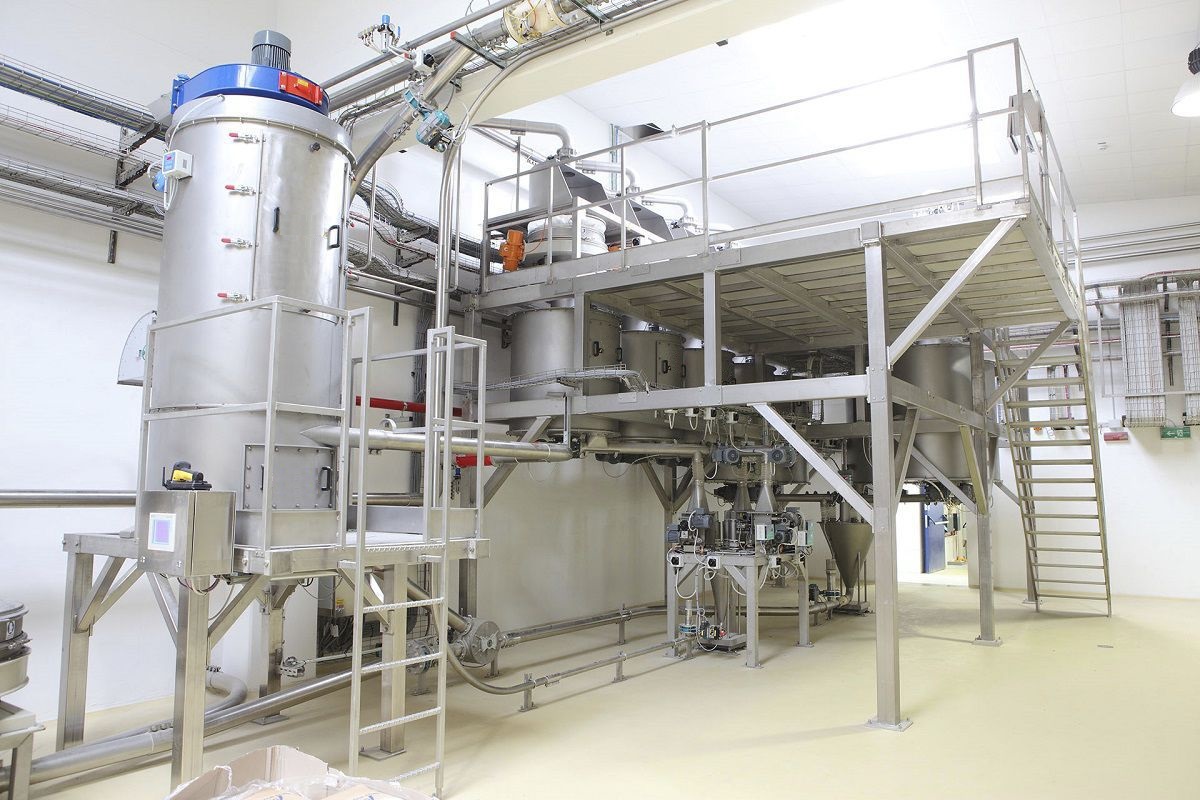
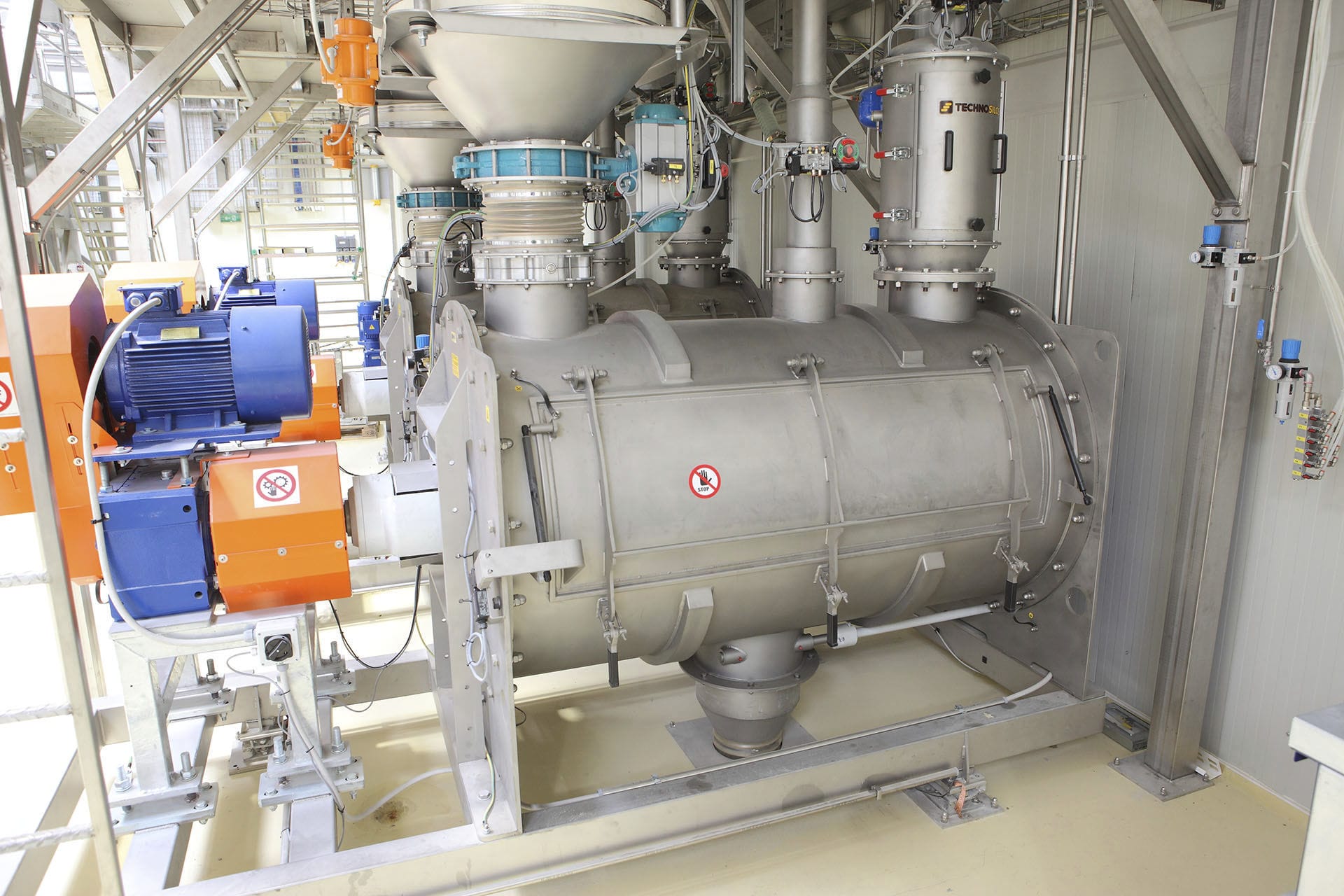
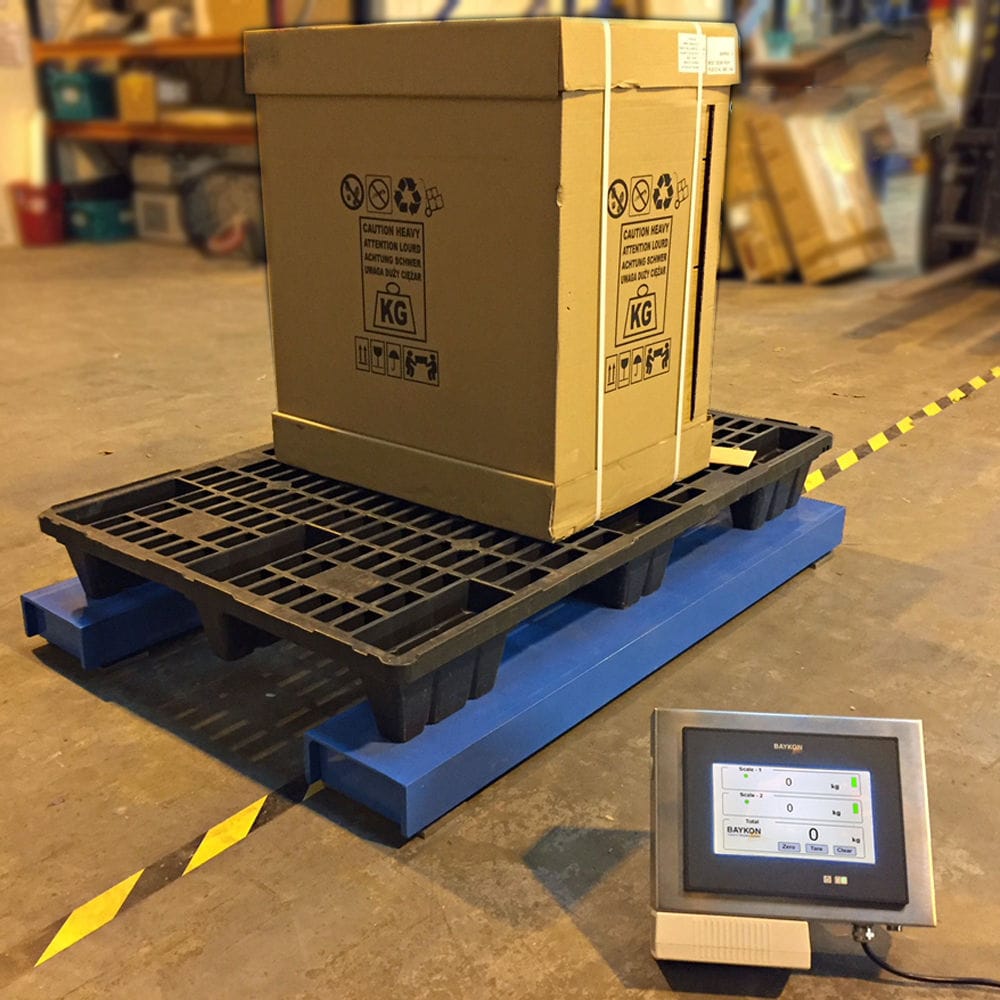


The mixing ingredient system transmits the raw material formula data to the lower-level PLC. The PLC controls the various raw materials' input through the screw conveyor and the weighing distribution machine, and stores them in the corresponding ingredient bins. During the ingredient mixing process, the screw feeder delivers the raw materials one by one to the hopper scale. The materials with a larger proportion are sent to the large hopper scale; those with a smaller proportion are sent to the small hopper scale for weighing. The weighing module detects the quantity of each material and transmits the signal to the weighing instrument, which then controls the feeding of the screw feeder and thereby controls the quantitative distribution of each material.

 020-34563445
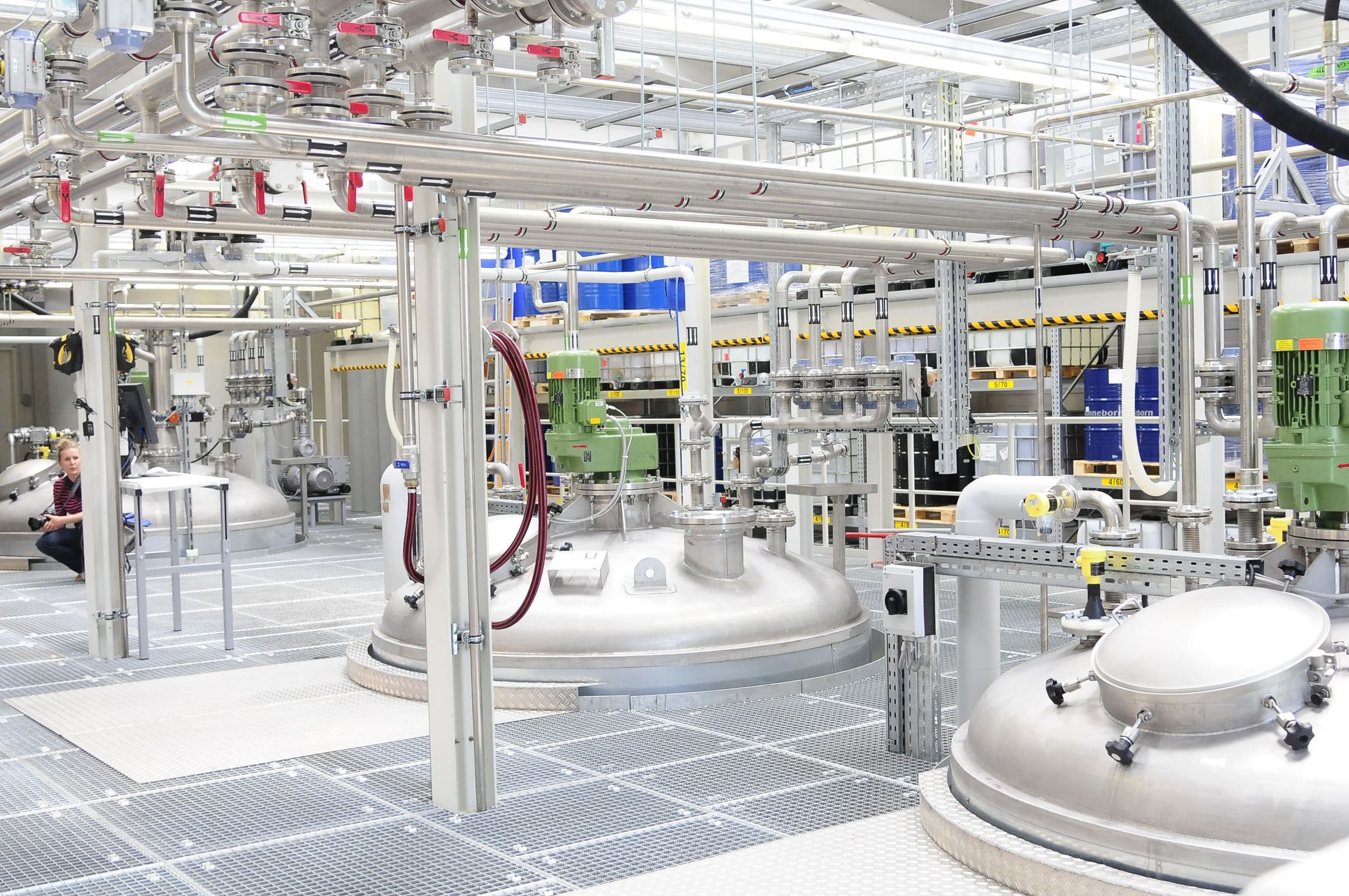
In the powder production project, the main raw material storage bins used in the mixing Batching system can be divided into multiple main production stages such as quantitative setting of various materials, weighing, discharging, material transportation and unloading, and so on. The equipment involved includes: raw material bins, hopper scales, screw Feeders, Weighing modules, discharging and unloading devices, etc. The batching process transports different treated materials from the raw material yard to multiple raw material bins in the feeding system. Multiple screw feeders discharge the materials in a certain ratio and quantity into the hopper scales. The mixed feeding system adopts a slant bridge type feeding method, consisting of a slant bridge, a drum, and a screw machine. When the batching is completed and the transportation conditions are met, the discharging door at the lower end of the hopper scale is opened, and the mixed materials fall into the feeding drum. The drum is sent to the material distribution bin of the mixing machine through the screw machine, and the material distribution gate at the bottom of the distribution bin is opened. Finally, the mixed materials are sent to the mixing machine.
The batching system transmits the raw material formula data to the lower-level PLC. The PLC controls the various raw materials' feeding through the screw conveyor and weighing distribution machine, and stores the data in the corresponding batching bins. During the batching process, the screw feeder transports the raw materials one by one into the hopper scale. Materials with a larger proportion (>20%) are sent to the large hopper scale; materials with a smaller proportion (5%-20%) are sent to the small hopper scale for weighing. The weighing module detects the quantity of each material and transmits the signal to the weighing instrument, which controls the feeding of the screw feeder, thereby controlling the quantitative distribution of each material. When all the raw materials in the batching bins have been weighed and mixed according to the set formula requirements and reach the specified cumulative mass (batch material volume), the PLC opens the valve according to the control program and sends the materials to the mixing bin of the mixing machine for stirring and mixing. When the mixing machine reaches the predetermined stirring time, that is, the uniformity of the mixing meets the requirements, the valve opens under the control of the PLC for unloading, and the materials are sent to the buffer bin, then fall onto the finished product screw conveyor, and are sent to the inlet of the bucket elevator for upward transportation to the mixing material bin for storage, and enter the next process.
The batching system transmits the corresponding formulas and production process parameters to the PLC according to the production process. The PLC controls the quantitative screw conveyor to start working based on the formula parameters and unloading sequence. After the weighing process is completed, when there is material in the mixing machine, the weighing hopper machine door is closed; when the unloading door of the mixing machine is completely closed, the weighing hopper machine door opens. When the opening time of the weighing hopper machine reaches, the remaining materials on the hopper machine are detected. When the remaining materials exceed the limit, the system issues an alarm; the weighing hopper machine door does not close. When the material level is below the set value, the hopper scale door closes. When the hopper scale door is completely closed, if the predetermined production batch has not been completed, the batching process will continue and send signals for adding pre-mixtures and adding materials. After the pre-mixtures are added and a reply is received, the mixing machine starts the stirring timing. After the stirring time is reached, the mixing machine opens the door according to the material level in the buffer hopper for unloading. After the unloading timing ends, the mixing machine door automatically closes, and then the next batch of materials falls down, and a new round of the cycle begins.