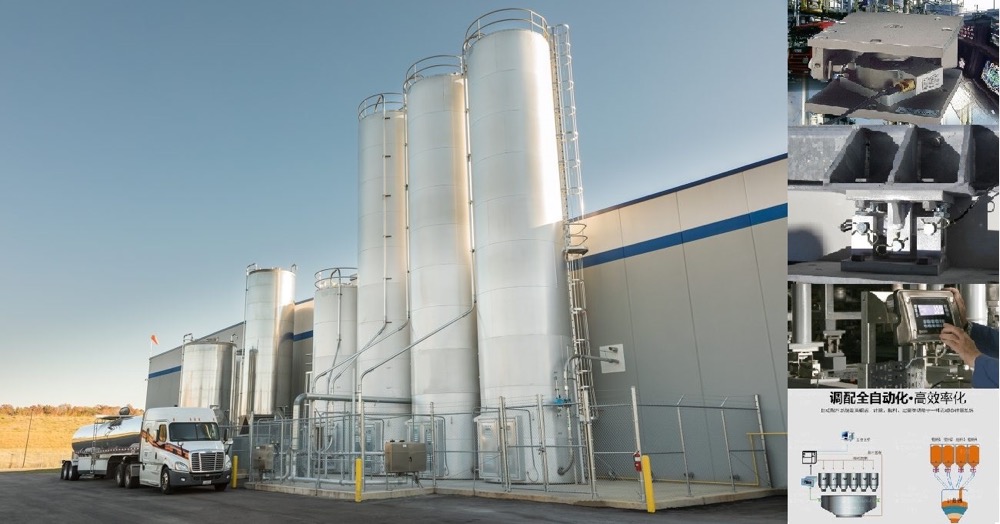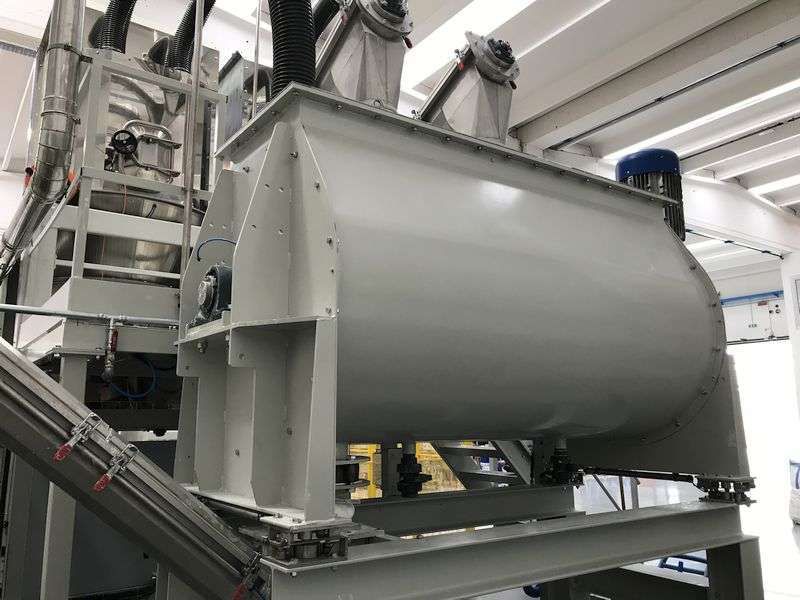


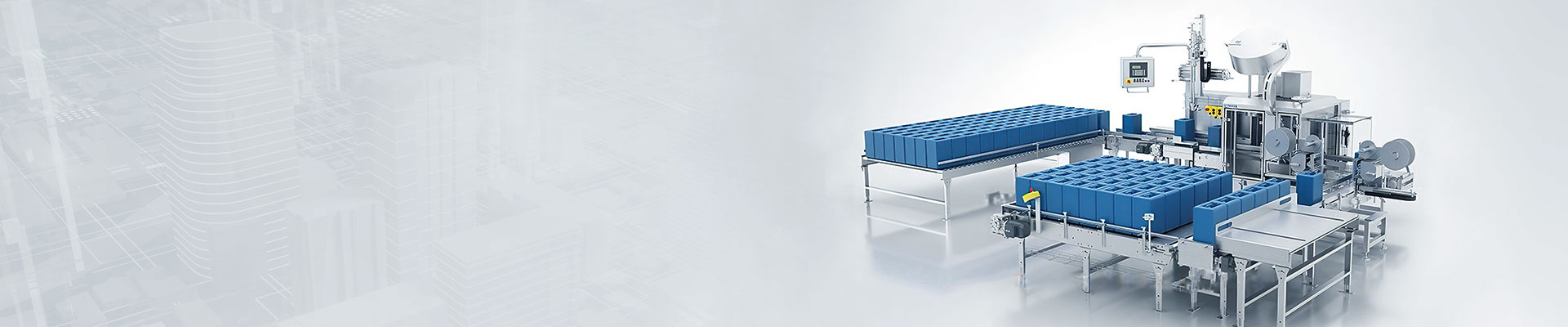



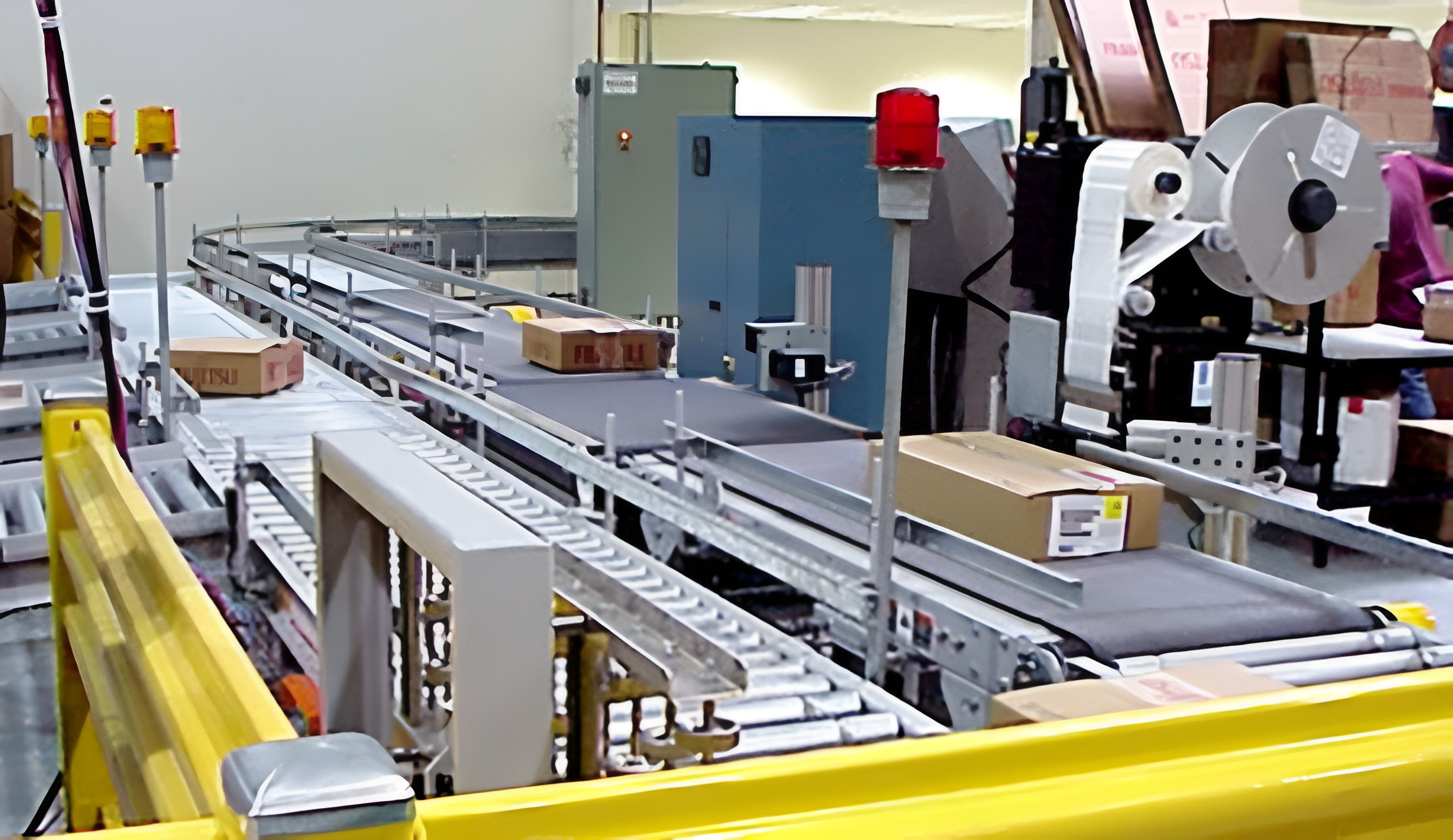
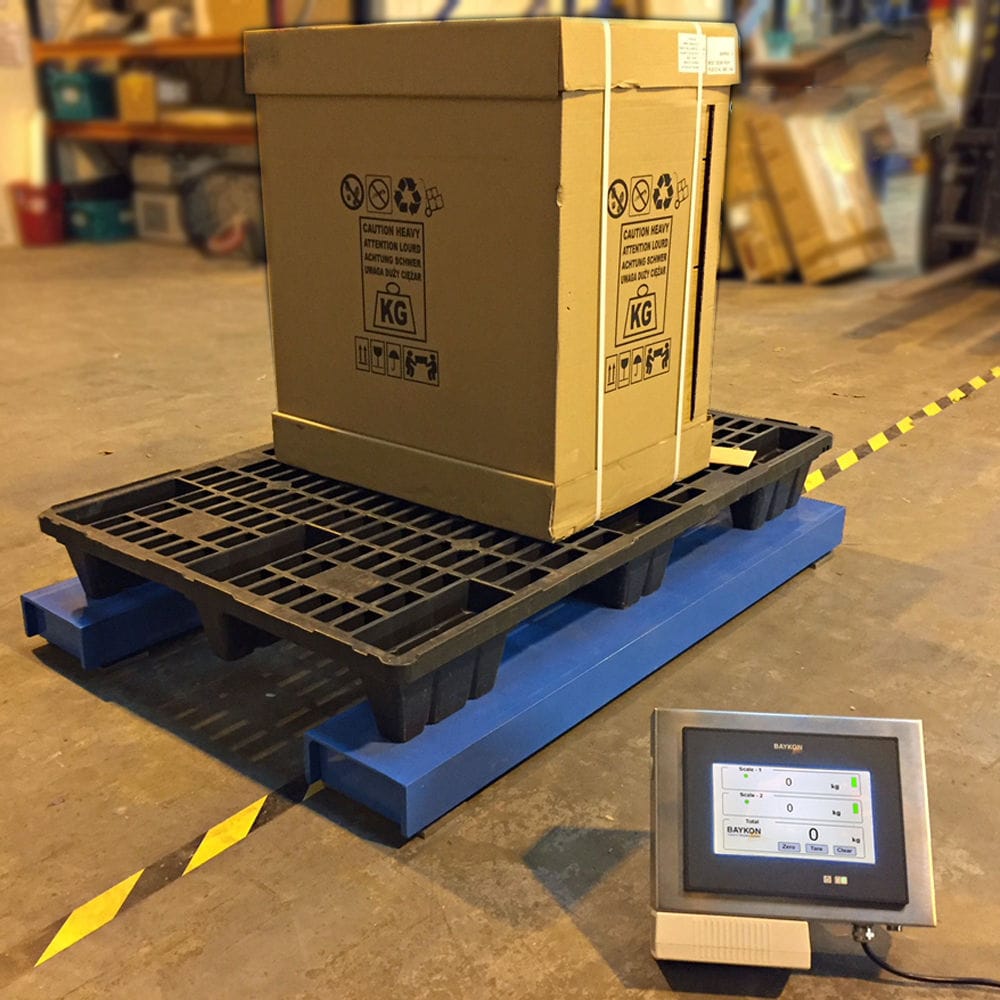


The constant pressure Feedback mixer controls the metering equipment to weigh in turn until the specified n times of weighing are finished, and the CRT returns to the display state when it is 0 times. When weighing a certain time, if any equipment or control point of the feeder or feeding system stops weighing, PLC can keep the memory of the time and continue weighing according to the memory of the time. DCS+PLC+ local manual control mode is adopted. The feeding process is completed by PLC, and its temperature and pressure are monitored by DCS system.

 020-34563445
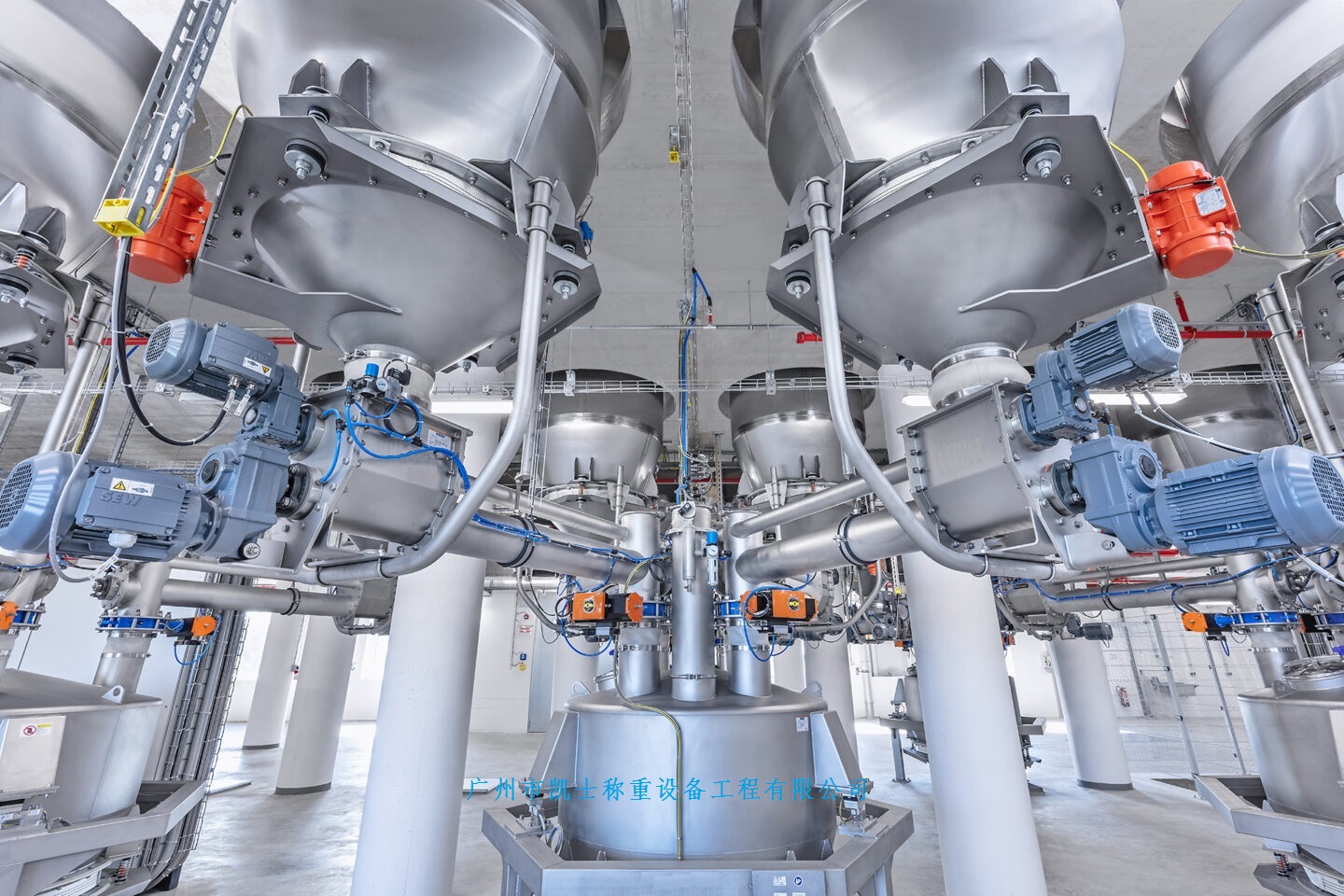
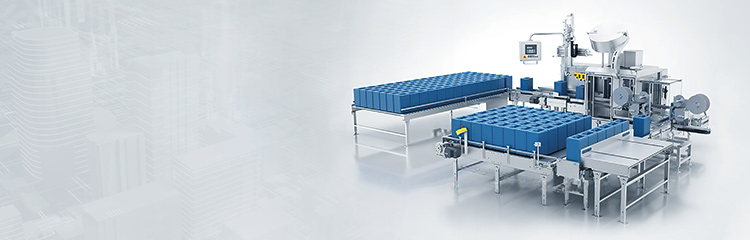
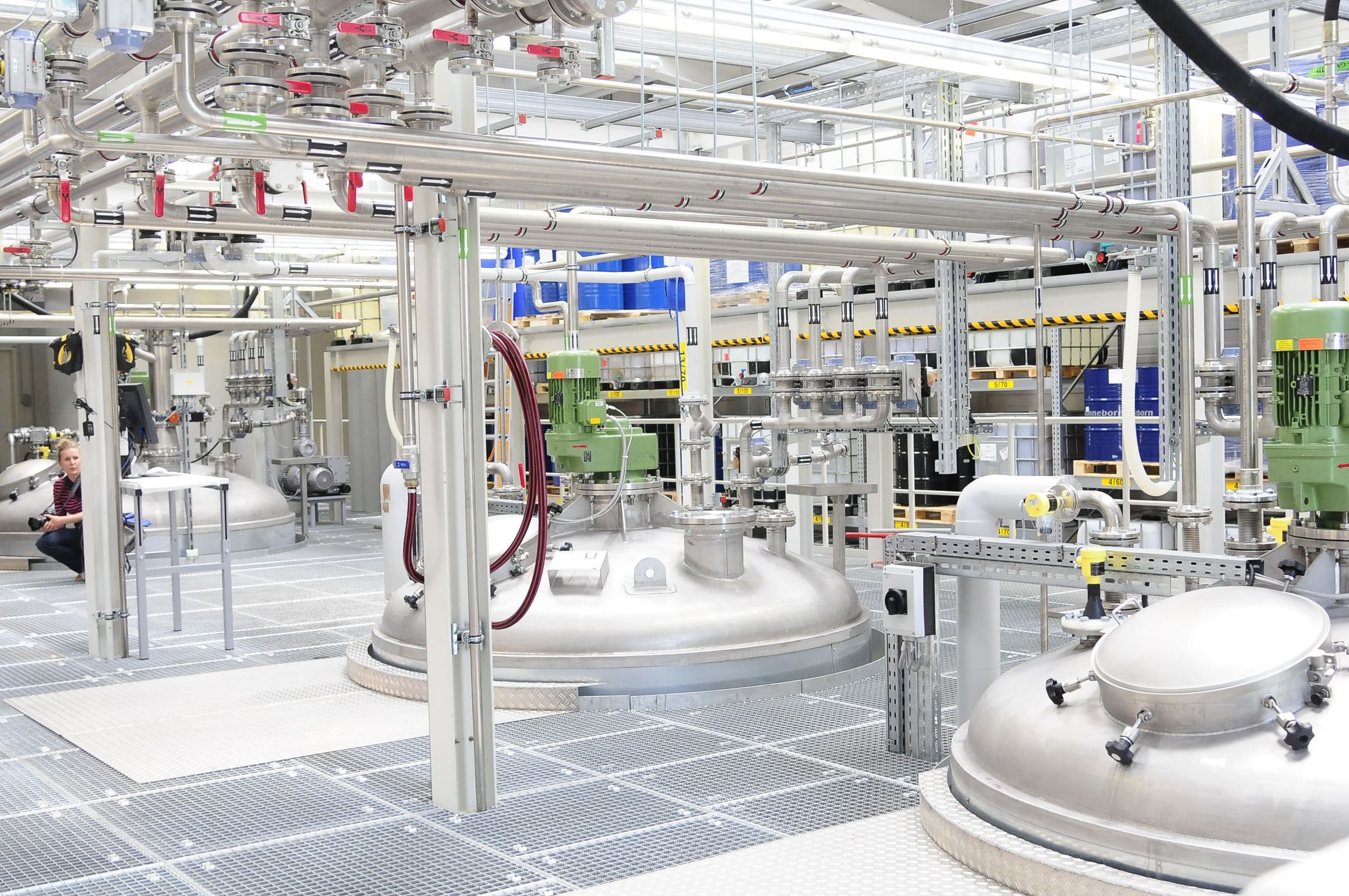
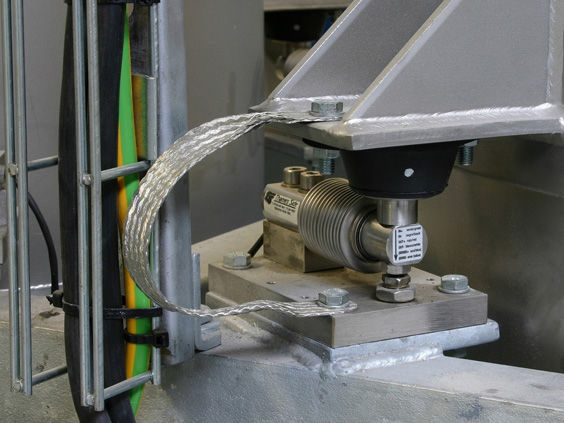
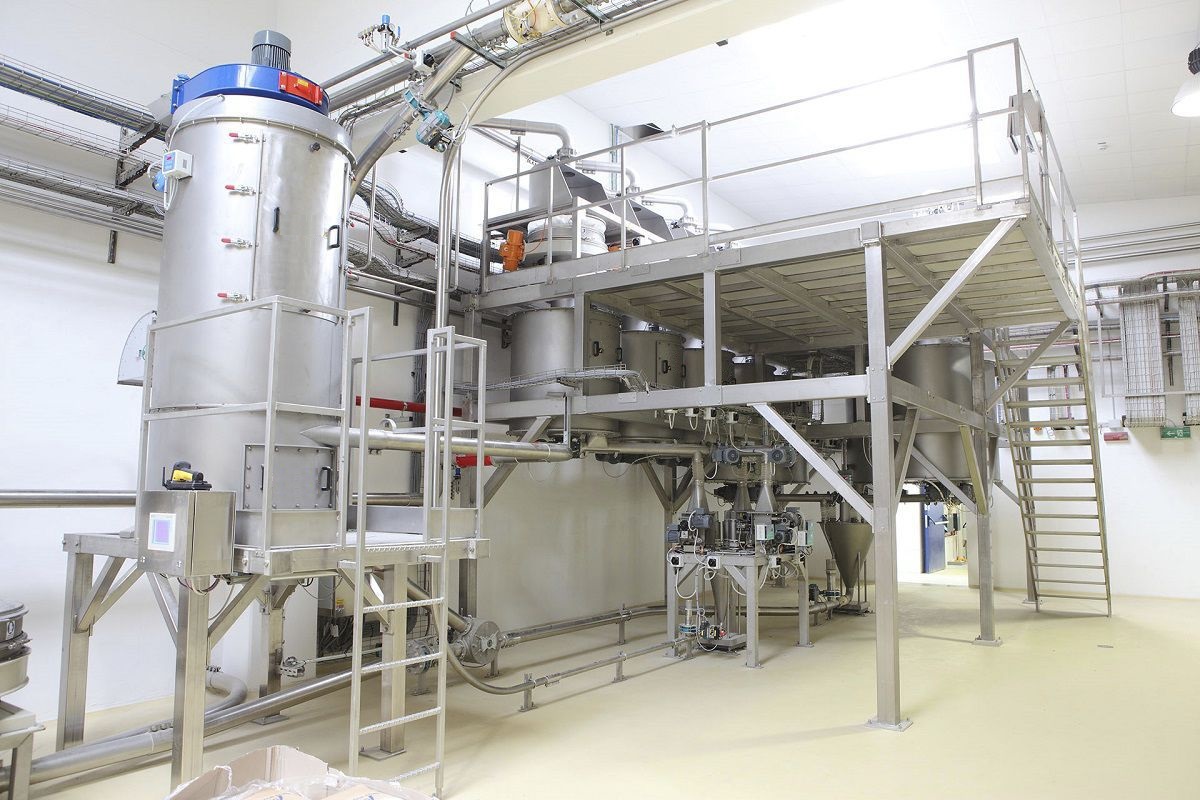
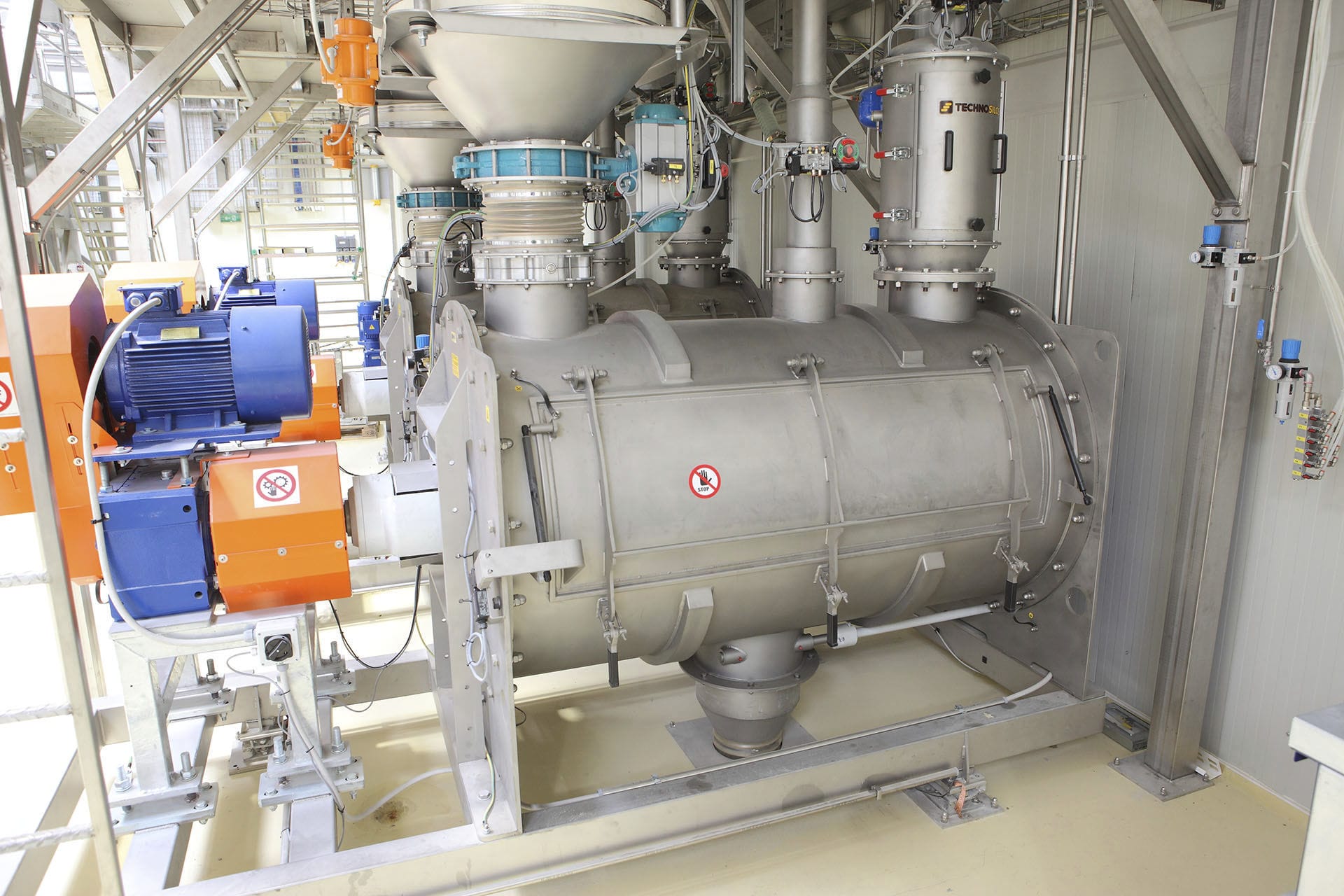
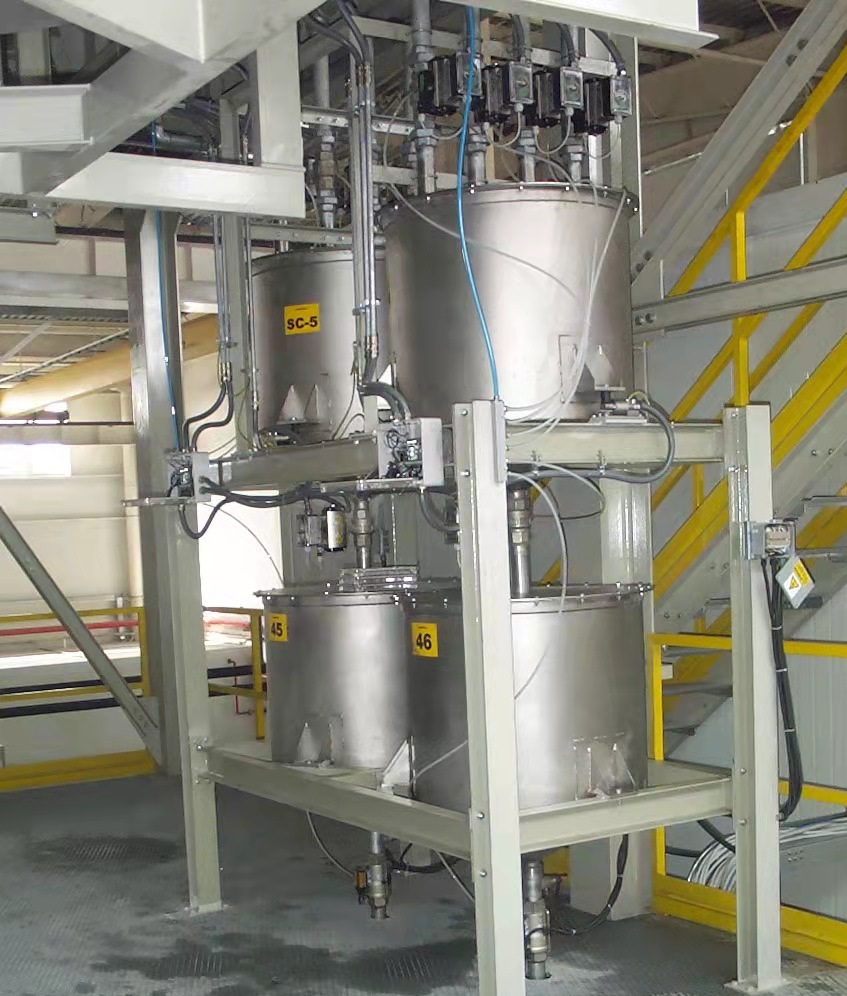
The powder metering and automatic mixing system consists of a feedback isobaric mixer, a weighing control system and a new type of conveying pump. The batching Feeder is installed beneath the powder silo. Its function is to provide a stable flow of powder to the powder weighing scale. The powder enters through the batching feeder. Based on the comparison result between the instantaneous flow measurement value and the set value, the rotational speed of the batching feeder is fed back and adjusted to ensure that the instantaneous value always tracks the set value, thereby achieving the measurement and control of the feeding volume. The measured powder is conveyed into the powder conveying pipeline through a new type of conveying pump.
According to the fact that the powder is affected by the rotational speed of the ingredients when moving in a uniformly rotating reference system, a measuring disc is provided inside. Several measuring blades are radially set on the measuring disc, and the measuring disc rotates at high speed driven by the motor shaft. The material to be measured falls into the center of the measuring disc. After passing through the distribution cone and changing its flow direction, it is captured by the blades and moves radially towards the outer edge under the action of centrifugal force.
The negative pressure dilute phase pneumatic conveying system utilizes a gas pressure lower than 1kg/cm ² and adopts a negative (four-phase conveying type) to suck and convey materials at a relatively high speed, allowing them to pass through the entire conveying line. Therefore, this conveying method is called a low-pressure high-speed system, which has a high gas-material ratio.
The negative pressure dilute phase pneumatic conveying system uses a negative pressure Roots pump as the power source. The conveying pressure in the pipeline is in a low vacuum state, with the pipeline wind speed approximately 10-35 per second. The material in the pipeline is in a mist state. At the beginning of the system, there is an acceleration of approximately 10m/s, and at the end, it can reach a high speed of 30m/s, so the airflow velocity is relatively high. The pressure at the beginning of the conveying pipeline is basically close to the atmospheric pressure, while at the end it is generally between -0.01 and 0.06mpa.
When the negative pressure dilute phase pneumatic conveying system starts, the material in the storage volume is quantitatively supplied through the rotary lock air supply valve. After being mixed with the negative pressure airflow generated by the Roots vacuum pump in the pipeline, it is accelerated. The solid-gas two-phase flow forms a relatively stable flow state in the conveying pipe and is lifted to the integrated filter separator at a distance. The mixture of airflow and materials is forced to change its running trajectory after entering the wall of the cyclone separator. Due to the fact that the density of solid materials is much greater than that of gas, a very high centrifugal force is generated, causing the materials to lose their linear motion speed after entering the cylinder wall. Under the action of gravity, they fall into the conical part of the cyclone separator Then, through the rotary air-locking discharge valve at the conical part, the material is evenly fed to the downstream production equipment. The power source of the negative pressure dilute phase system adopts a Roots vacuum pump, and the gas can be filtered air or gas that has undergone drying and purification treatment. The transportation of the above-mentioned materials is all carried out in a fully enclosed manner.
Features of negative pressure dilute phase pneumatic conveying system
1. The vacuum pressure for conveying is lower than the ambient pressure. Even if the pipeline is damaged, it will not cause material leakage and vapor contamination to the environment.
2. The manufacturing and maintenance requirements for the equipment are low, and it is highly operable for workers: it can be transported over long distances.
3. For the transportation of gas (generally air), the white atmosphere is directly taken, and the temperature of the gas is the ambient temperature. The material in the pipeline has a certain frictional temperature rise.
4. The conveying is continuous or intermittent. The wind speed inside the pipeline is high, and there is no material accumulation.
5. It can achieve multi-point feeding and multi-point discharging.
6. The gas power sources are generally vortex tea and Roots vacuum aggregation, which have no direct contact with the materials. Long service life;
7. It has strong adaptability to the conveyed materials and can smoothly convey both powder and granular materials. It is particularly suitable for self-adhesive materials.
8. It causes little environmental pollution, but has high requirements for the dust removal area.
Basic parameters of negative pressure dilute phase pneumatic conveying system
Air velocity :10m's - 35m/s
Conveying capacity :2-8 tons per hour
Conveying distance :20-100 meters
Conveying height :10-30 meters
Air source type: Roots vacuum pump.