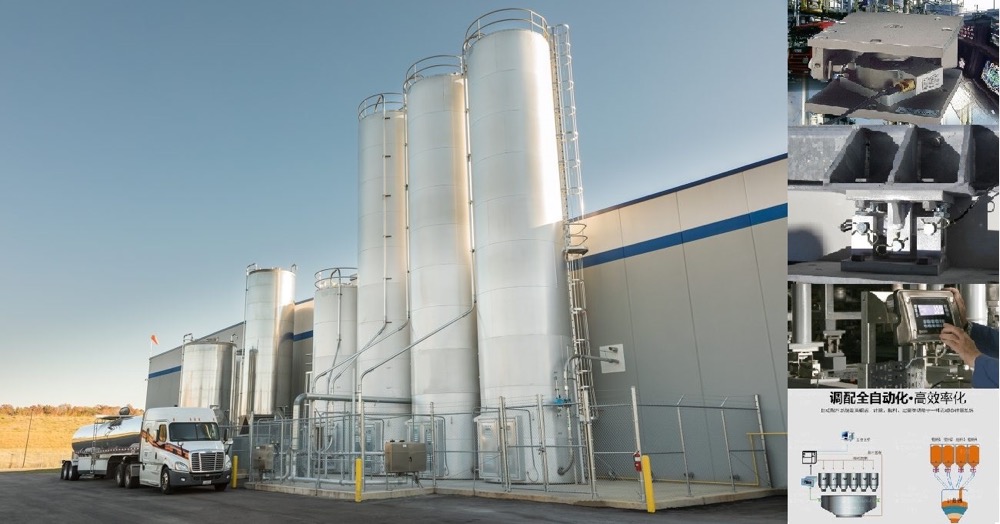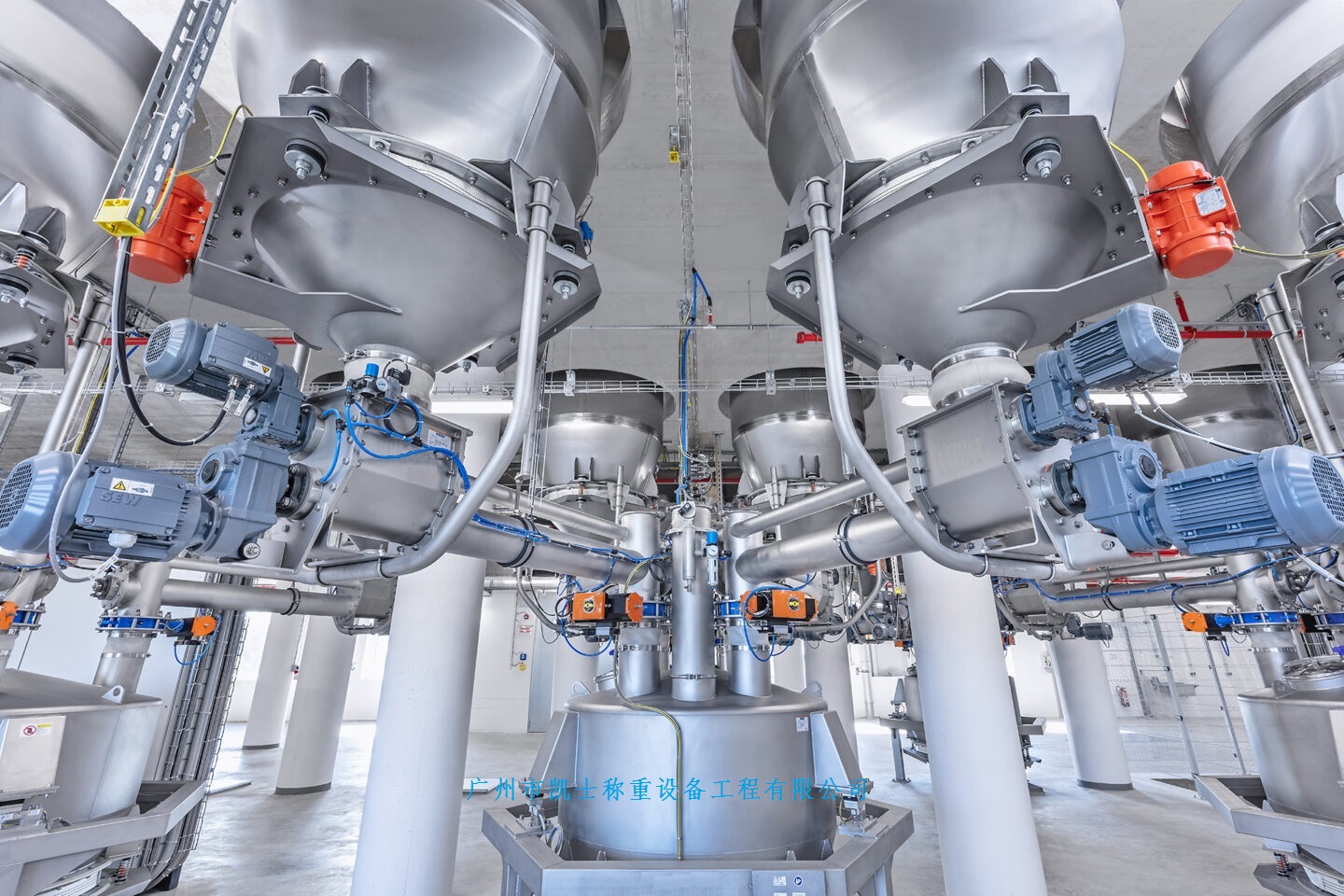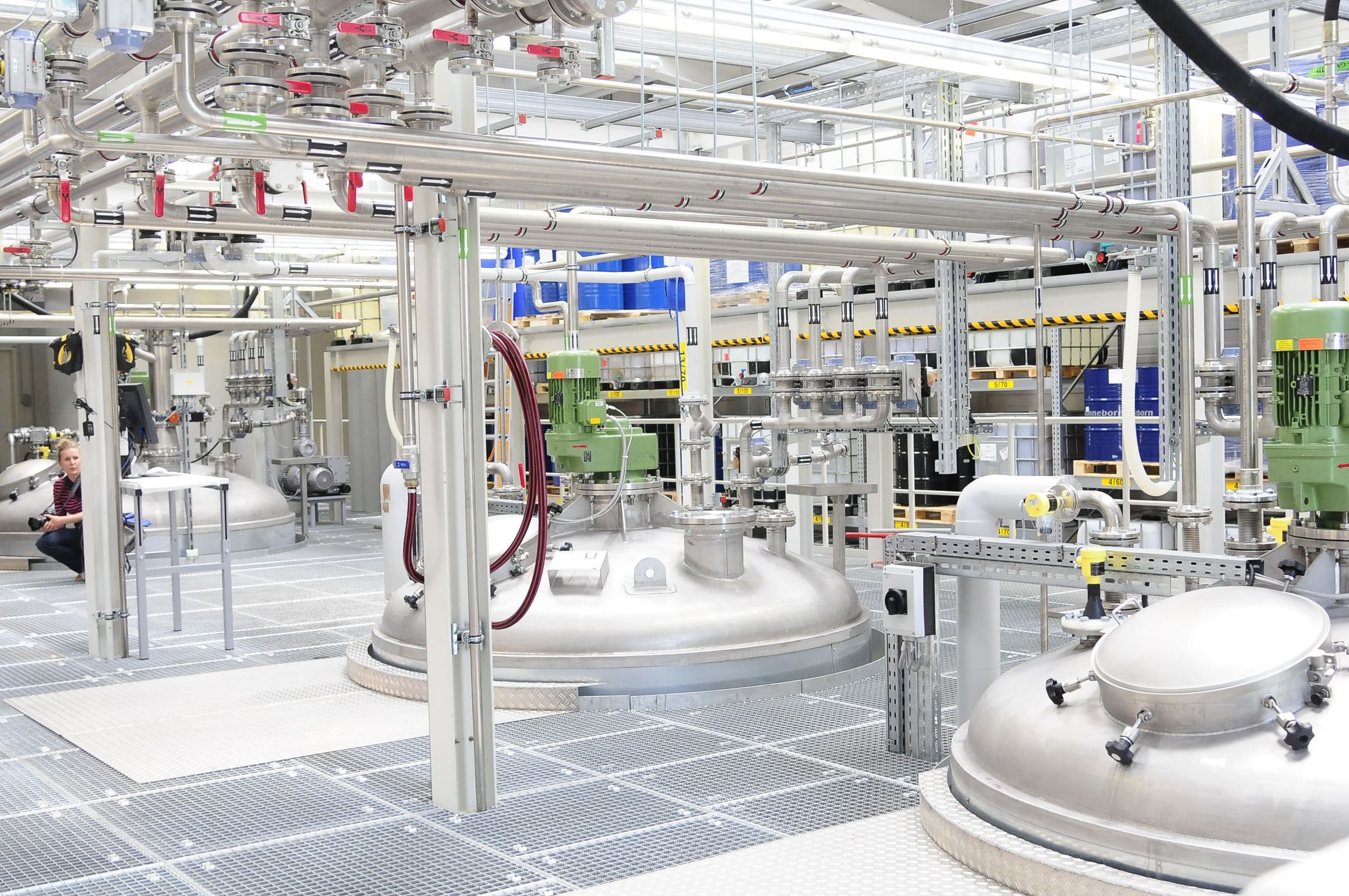


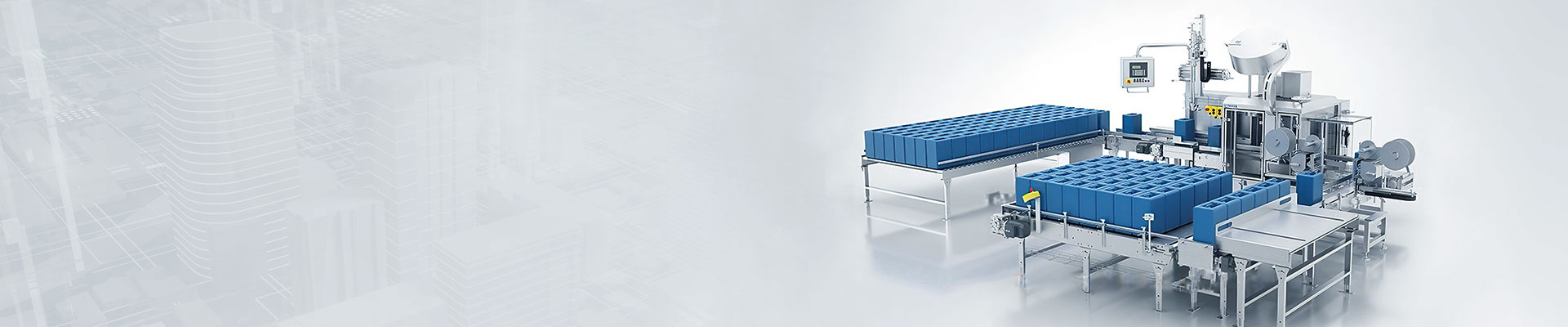
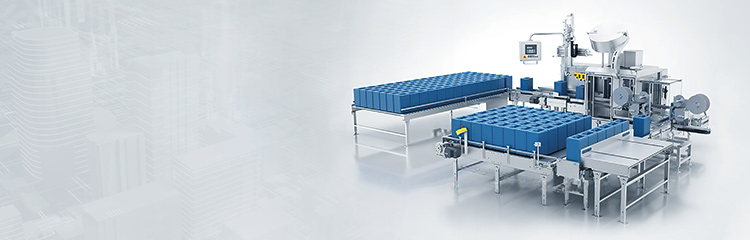


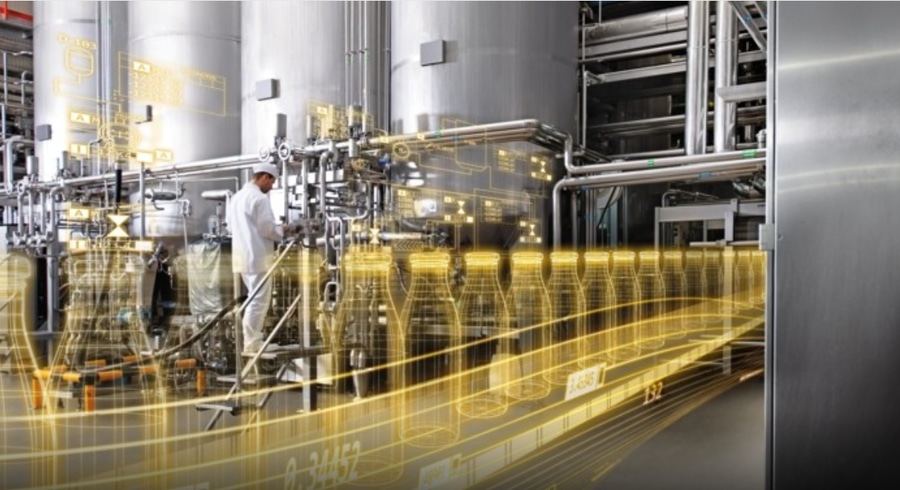
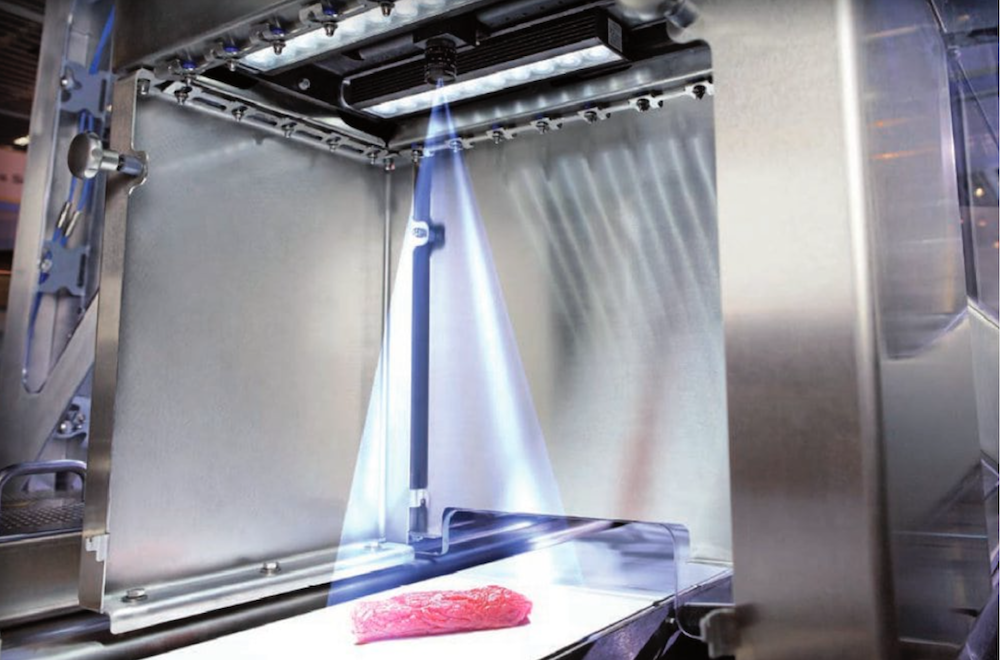
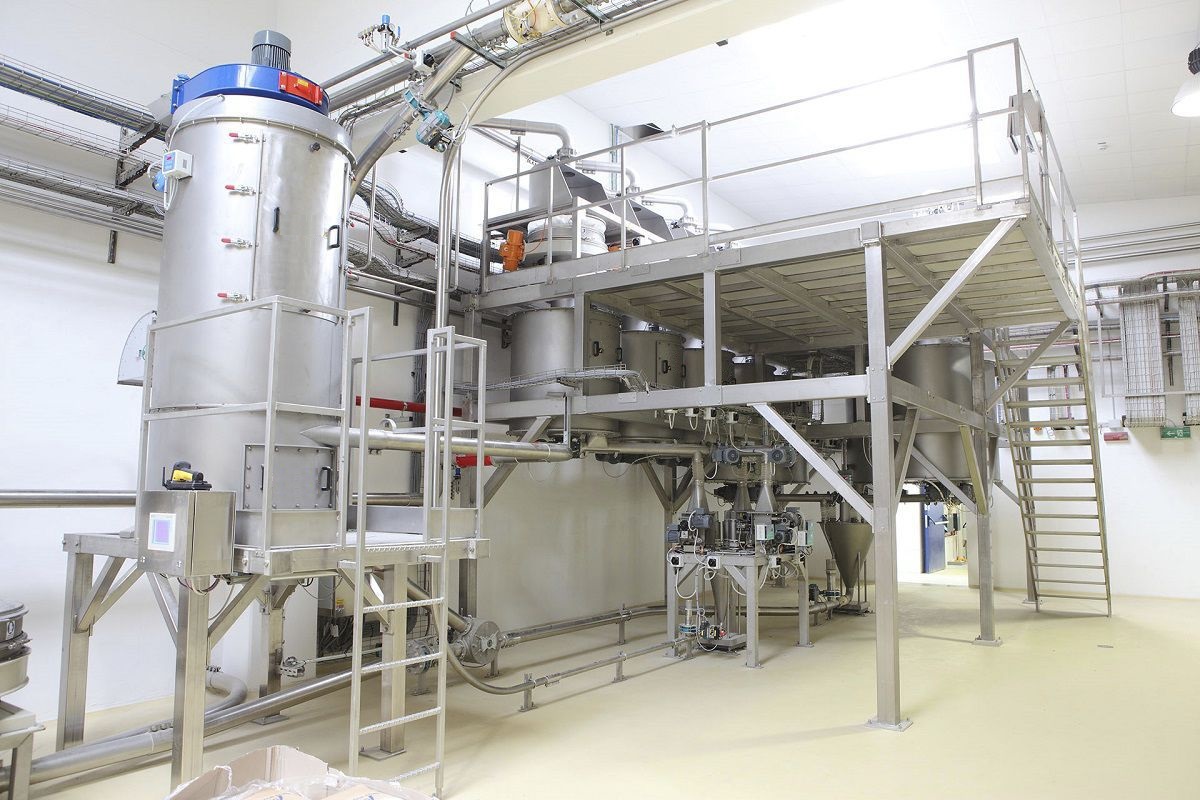


The metering batching system consists of a central feeding hopper, loading and discharging valves, and control equipment. A flap is installed in the central feeding hopper to control the loading of the 1st and 2nd weighing hoppers. The material conveyed by the belt conveyor passes through the flap in the central feeding hopper and falls into the weighing hopper set at the lower limit. When the weight of the material in this weighing hopper reaches the upper limit (full), the weighing instrument of this hopper will output two signals to control the flap in the central feeding hopper to switch, transferring the material from the 1st weighing hopper to the 2nd weighing hopper.

 020-34563445
The metering Batching system will automatically complete the entire process from material preparation to discharge based on the addition material instructions issued by the Weighing system. This storage bin batching system consists of two storage bins, divided into a common part shared by both storage bins and a dedicated part serving only one storage bin. The storage bin in the common part shares a weighing bin. This bin is connected to the belt and the three-way valve, and it transports the material to the batching summary bin behind each storage bin. Each storage bin has 2 dedicated storage bins and one shared weighing bin. The weighed material is directly discharged into the batching summary bin behind each storage bin. Due to the presence of a normally open manual valve at the bottom of the batching summary bin, two different raw materials cannot be mixed in the same weighing bin because of the production process and equipment. When two adjacent storage bins need to be discharged, the weighing bin can only weigh one material first. After the bin is emptied, the weighing can be repeated for another material.
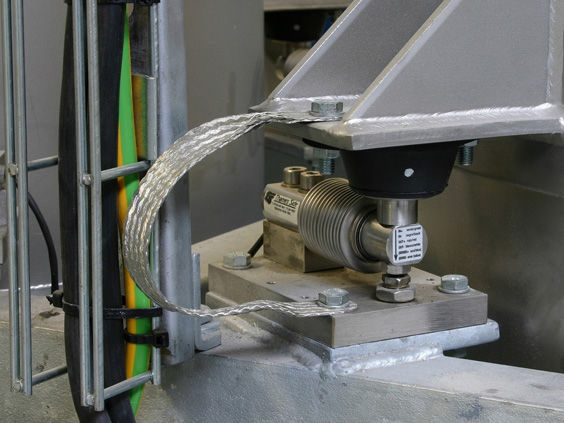
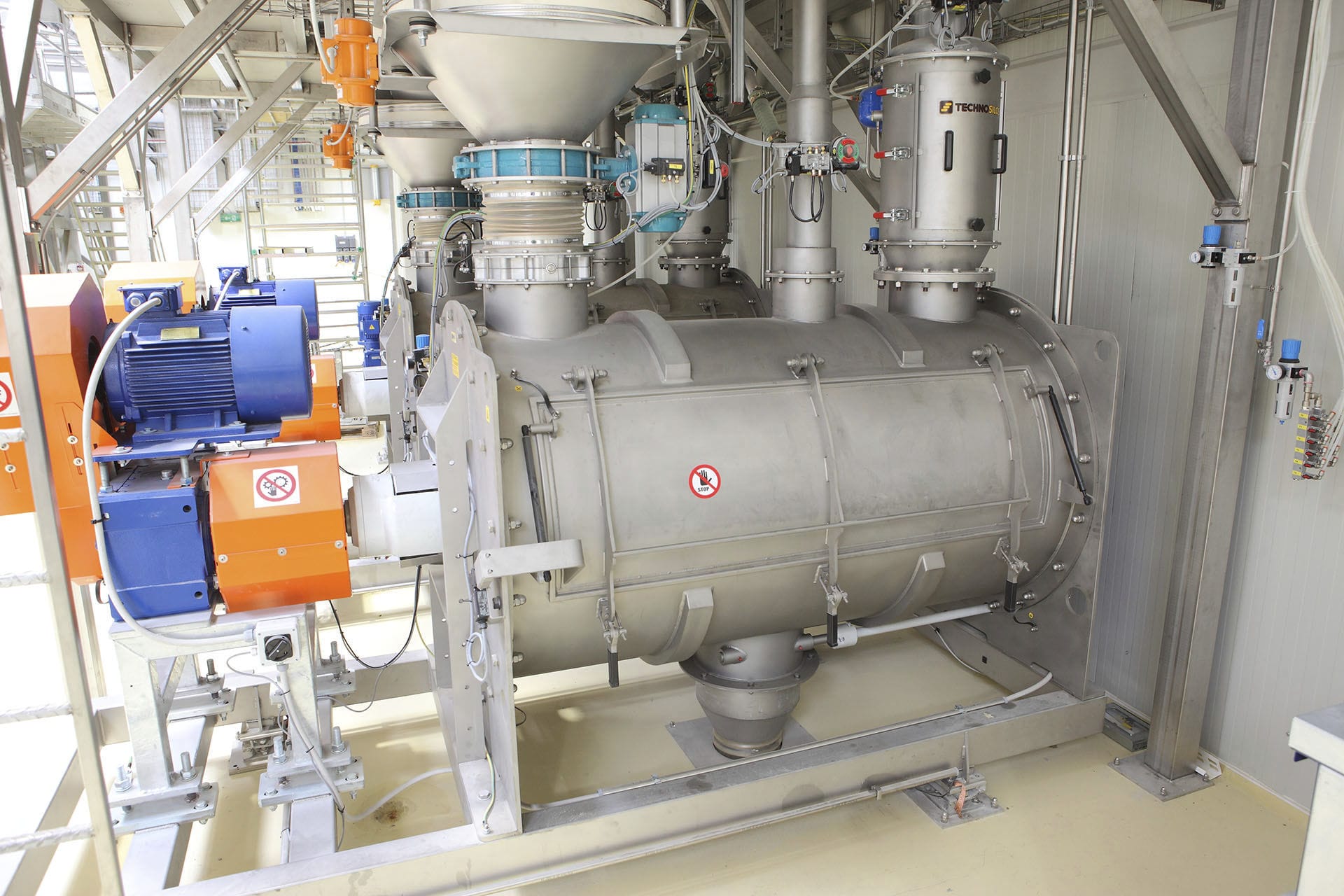
The upper computer transmits the raw material formula data to the lower computer's PLC, which then controls it. Various raw materials are distributed and stored in the corresponding batching bins through the top conveyor and the distribution machine. During the batching process, the raw materials are sent to the weighing bin one by one through the conveyor. Larger raw materials (>20%) are sent to the large weighing bin; smaller raw materials (5%-20%) are sent to the small weighing bin for weighing. The weighing module detects the quantity of each material and transmits the signal to the weighing instrument, which controls the feeding of the conveyor belt, thereby controlling the quantitative distribution of each material. When all material bins complete the weighing and batching according to the set formula requirements and reach the specified cumulative mass (batch material volume), the PLC opens the material door and places the material into the mixing chamber of the batching machine for stirring and mixing. When the mixer reaches the predetermined mixing time, that is, the uniformity of the mixing reaches the requirement, according to the control of the PLC, the material door will open for discharging, and the material will be sent to the buffer bin, fall into the scraper conveyor to form the finished product, and then be sent to the hopper elevator inlet for upward transportation to the mixing material bin for storage, and then enter the next process.
The batching system consists of an intermediate feeding bin, loading and discharging valves, and control equipment. A flap is set in the intermediate feeding bin to control the loading of the 1st and 2nd weighing bins. The belt-transported material passes through the flap in the intermediate feeding bin and falls into the weighing bin at the lower limit set. When the weight of the material in this weighing bin reaches the upper limit set (bin full), the weighing instrument of this weighing bin will output two signals. One signal controls the flap in the intermediate feeding bin to switch and transfer the material from the 1st weighing bin to the 2nd weighing bin. The material feeding of the 1st bin ends, and the weighing controller collects the weighing data. The current displayed weight automatically accumulates to the cumulative display: the other signal opens the discharging valve of the 1st weighing bin for discharging. The 2nd weighing bin is currently adding materials. While the 2nd weighing bin is adding materials, the material is discharged to the lower limit set (bin empty), at this time, the weighing instrument of the 1st weighing bin emits a bin empty signal, and the discharging valve of the 1st weighing bin is closed. The 1st weighing bin is now in a material preparation waiting state. When the 2nd weighing bin adds materials to the upper limit set (bin full), it repeats the same action as the 1st weighing bin. The accumulated weight of the weighing instrument is the automatic accumulation of each discharge value. The sum of the accumulated weights of the two weighing instruments is the total weight of the belt-transported materials.