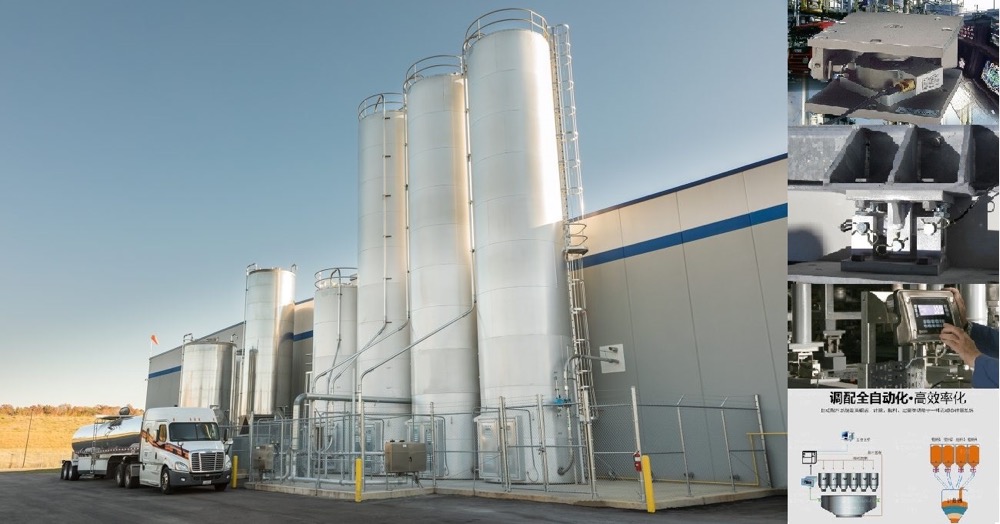


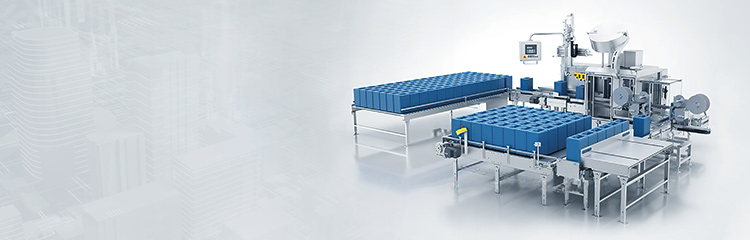


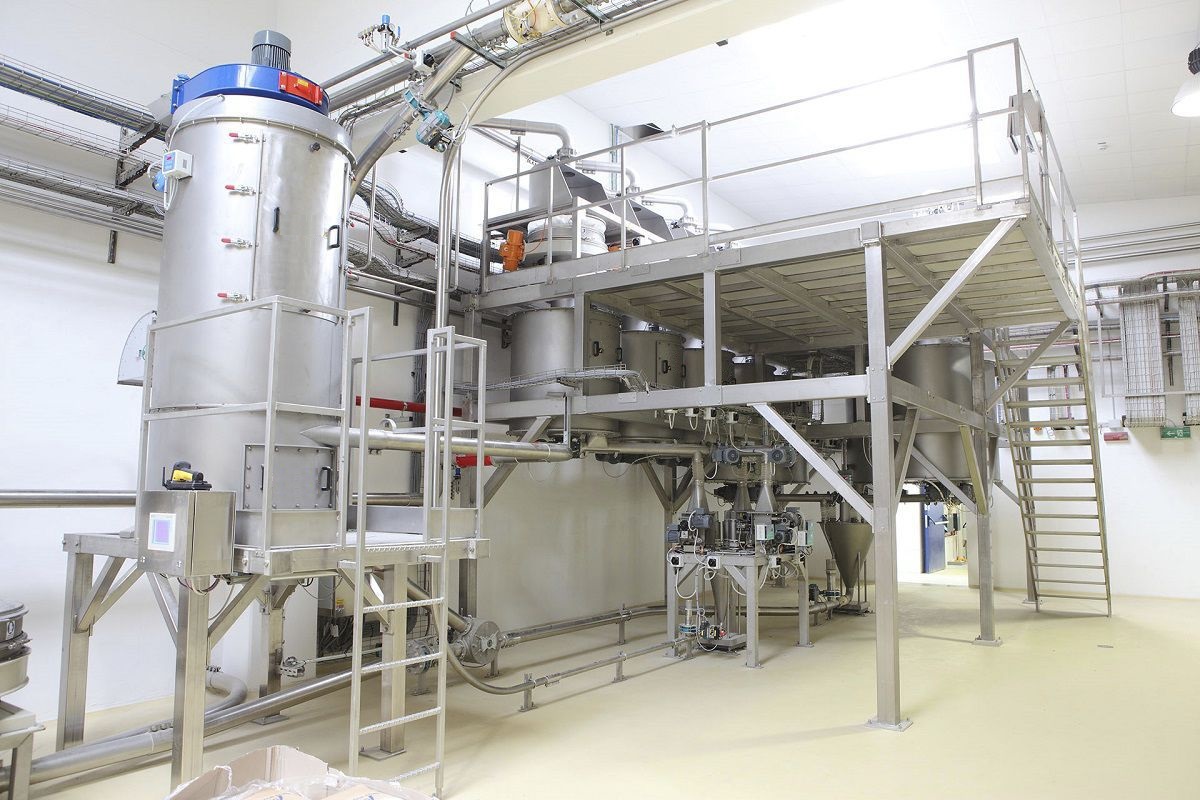
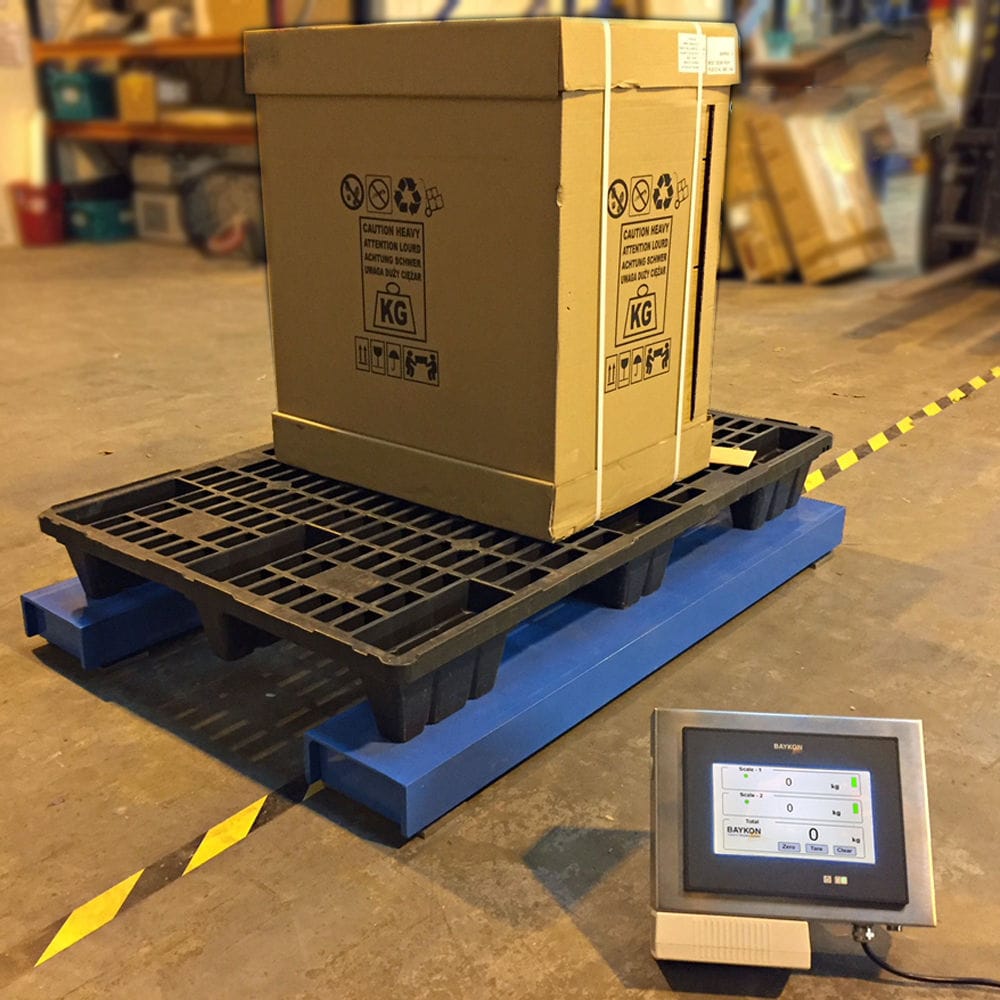


Lead time Weighing system with PLC as the control core, including the actuator, voice alarm, weighing instrument system and other parts, mainly control the elevator, classifier, crusher, feeder, screw, valve and other components. The operator station and engineer station are set up in the central control room and connected to the general control room for system monitoring and management of the whole plant. The weighing system is divided into operator stations and engineer stations, and is connected via Ethernet. The operator station is the same as the engineer station, with some limited functions.

 020-34563445
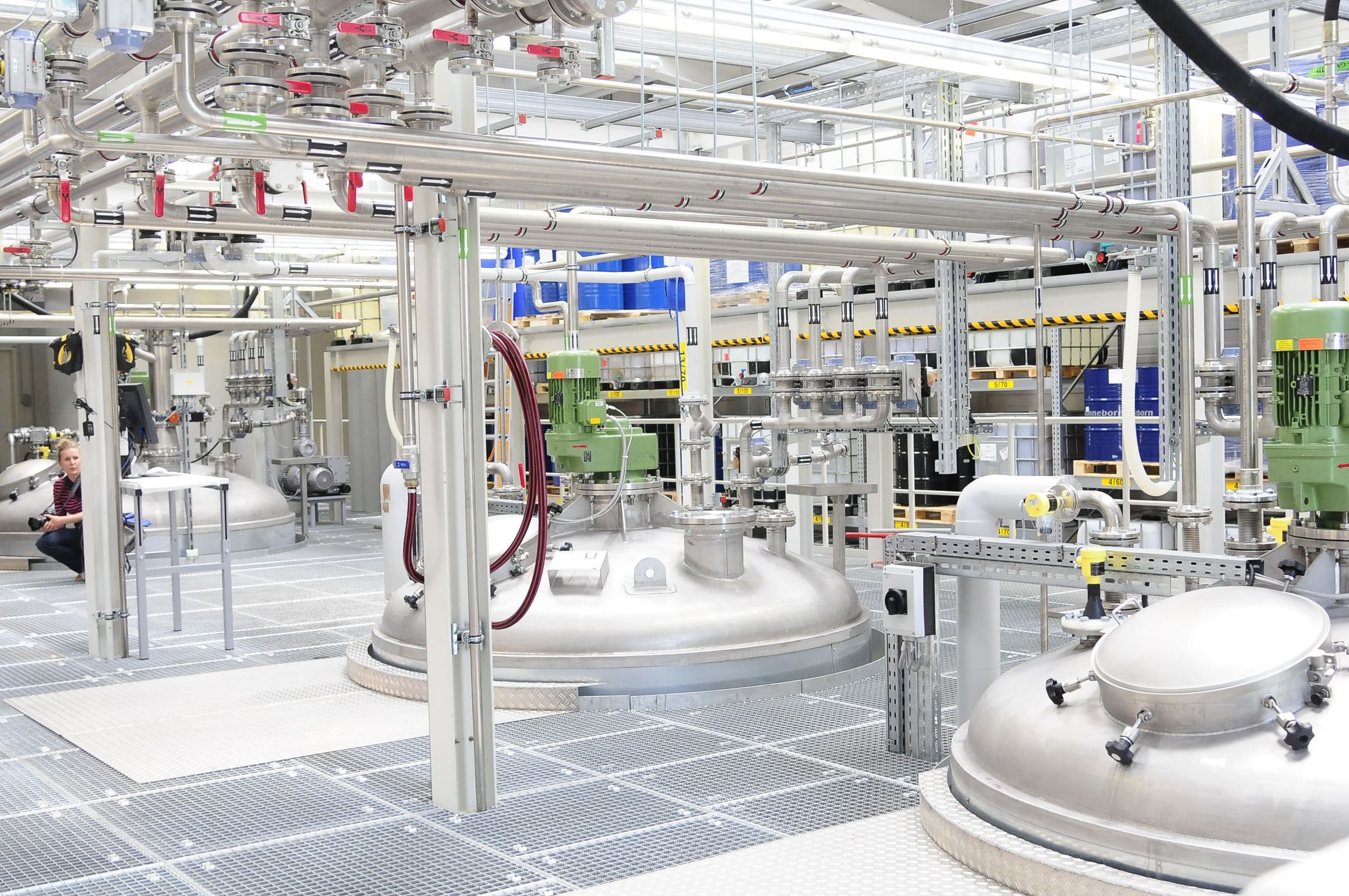
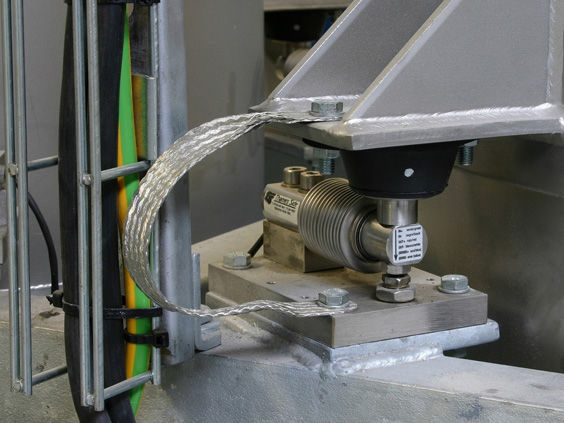
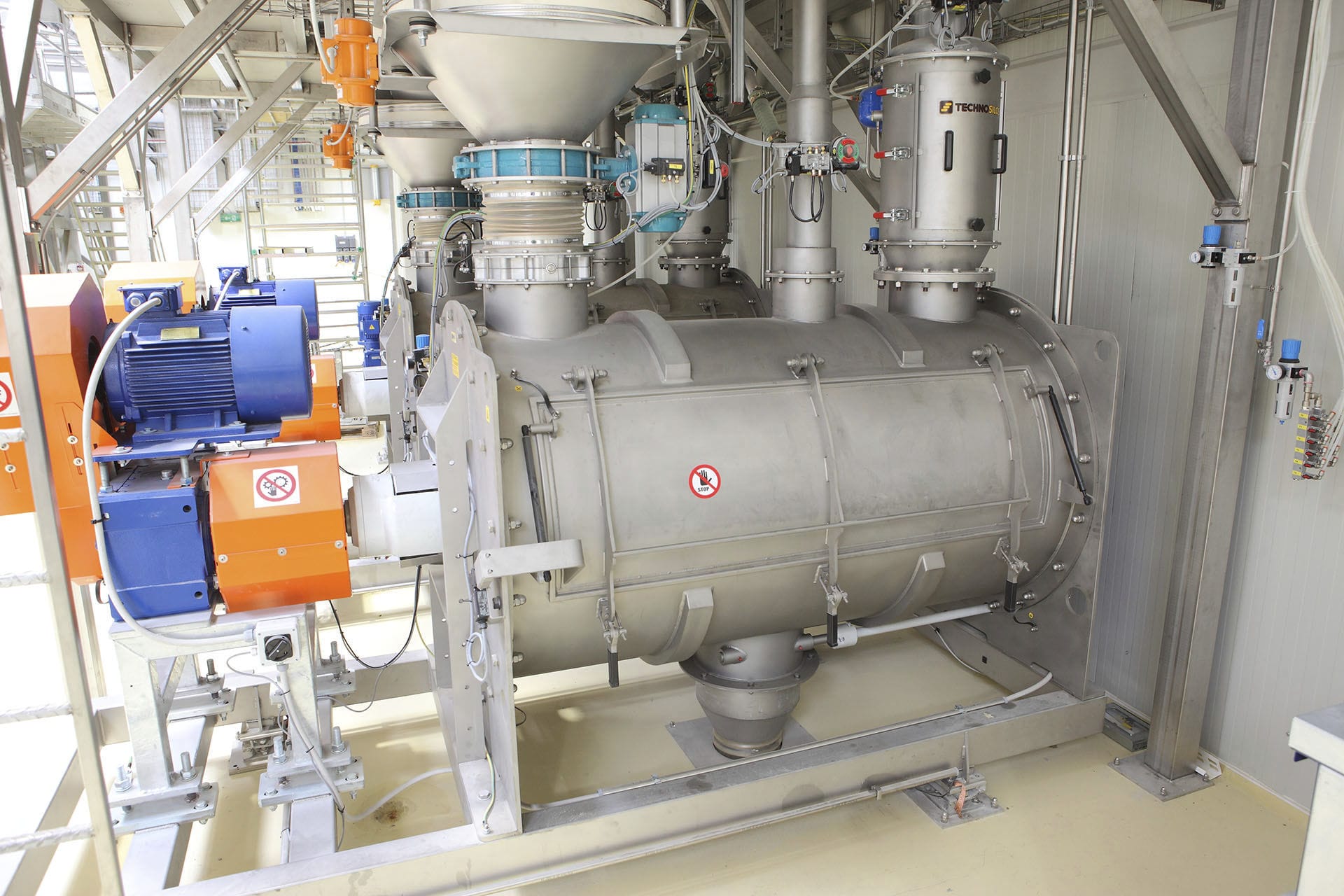
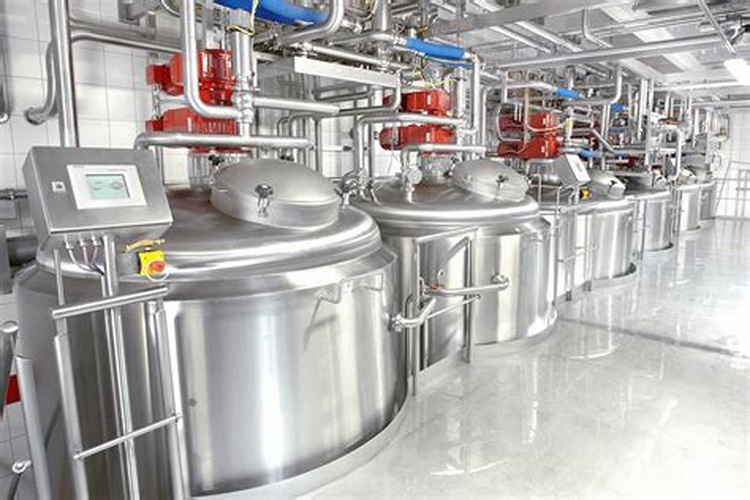
The weighing unit of the reaction vessel mainly features a 10-inch touch screen, with PLC serving as the auxiliary control system. The human-machine interface displays the proportioning parameters (formula) and monitors and records real-time data. In the automatic control mode, click the "Start" button for automatic batching on the screen or the "Start" button on the control cabinet, and touch the control instrument to open the weighing valve of the batching machine according to the set formula. If the system detects that a certain batching valve is not closed, an alarm will be triggered and the system will enter a pause state. Each batching machine is equipped with a lead amount based on the speed of material weighing. When the control instrument detects that the weight of the material weighed by the scale has reached the set value, it will subtract the lead amount, and the control instrument will then close the feed valve. The lead time can be manually corrected or automatically corrected to ensure that the control instrument controls the batching scale to achieve the set target value for each batching accuracy.
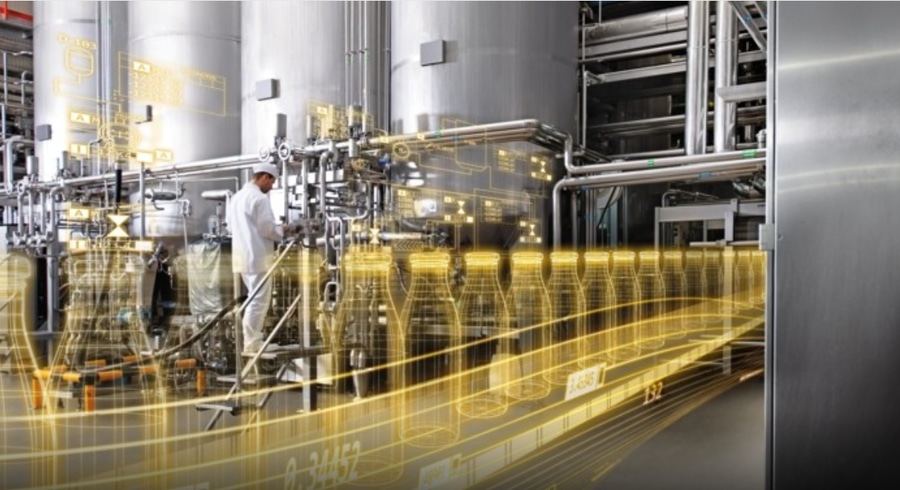
The lead Weighing system takes PLC as the control core and includes components such as the actuator, sound control alarm, and weighing instrument system. It mainly controls components like the elevator, classifier, crusher, discharger, screw, and valve. Operator stations and engineer stations are set up in the central control room and connected to the main control room for systematic monitoring and management of the entire plant. The weighing system is divided into an operator station and an engineer station, and they are connected via Ethernet. The setup of the operator station is the same as that of the engineer station, but some of its functions are limited. The upper computer screen simulates the three-dimensional dynamic process flow on site. It can set valves, materials, water usage, etc. as needed, and display information such as temperature, flow rate, current, and the status of control components.
The reaction vessel batching control system features functions such as human-machine interaction, communication, display and storage, and printing. It also has various functional interfaces related to operations, including data and graphic display, status monitoring, data input, and information storage. The system can achieve real-time process data monitoring, simulated display of process flow, real-time data record review, setting of system operator permissions, setting of process parameters, setting of operation process event alarms, and switching between manual and automatic control. The on-site control instruments in the monitoring system display the flow rate, load, cumulative value, temperature, etc. in real time. The temperature indication is transmitted to the central control room through the on-site temperature display instrument, and the pressure indication is transmitted through the on-site pressure display instrument and the current of the motor to the on-site display instrument for centralized display. The frequency converter regulation is equipped with an automatic toggle switch to communicate with the main control computer.