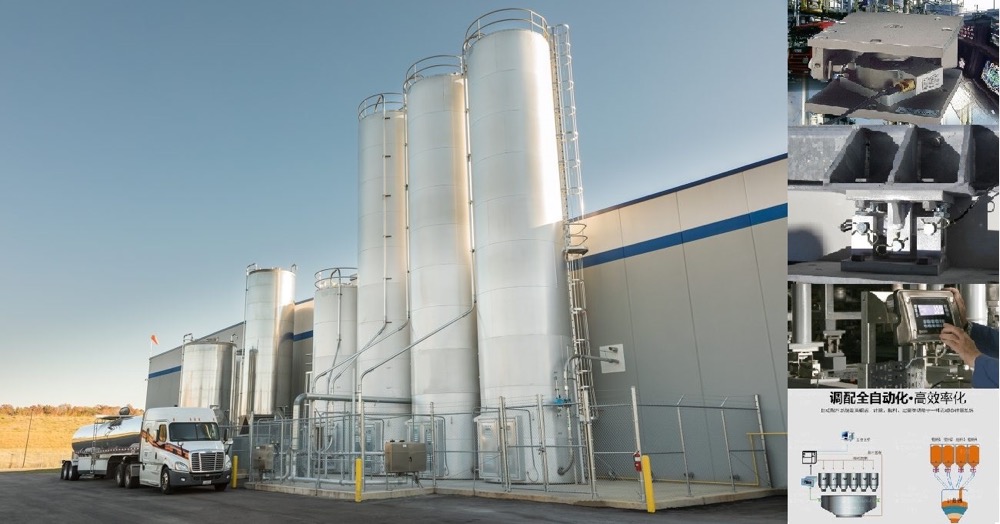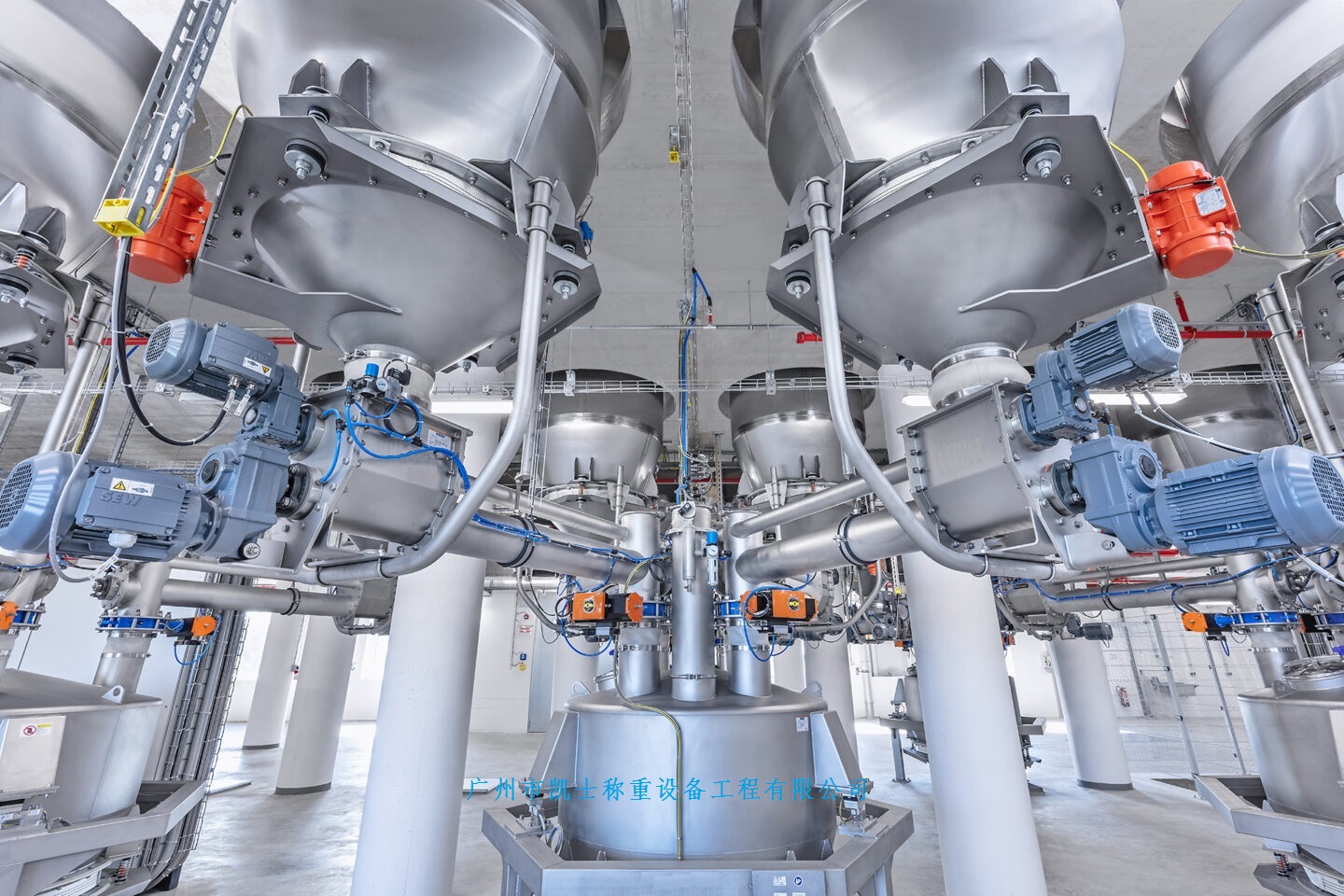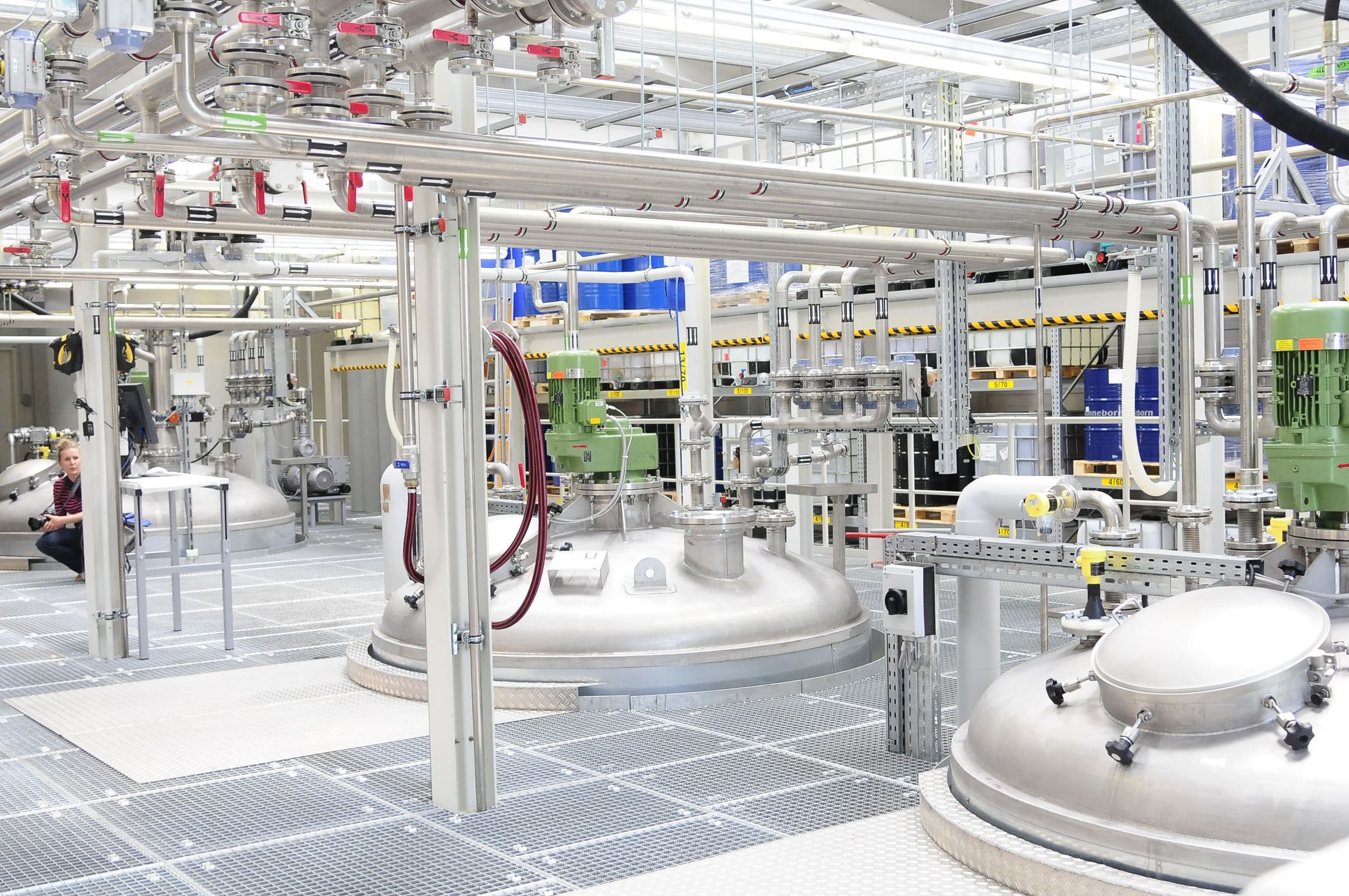


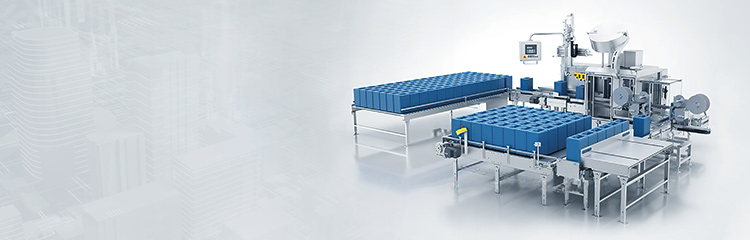


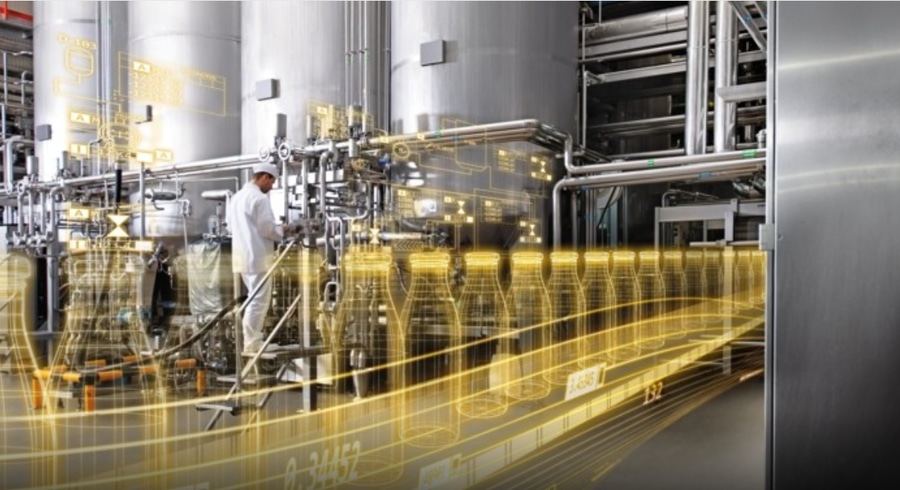
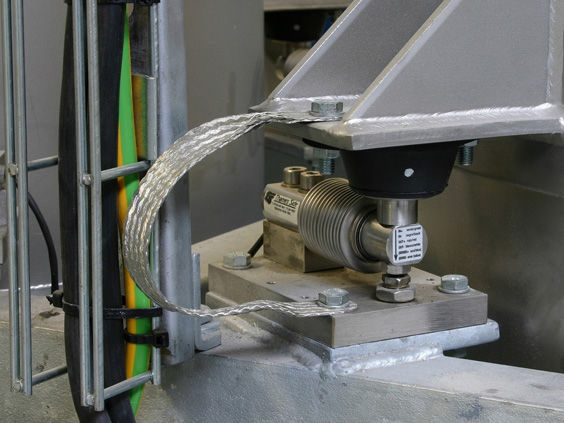
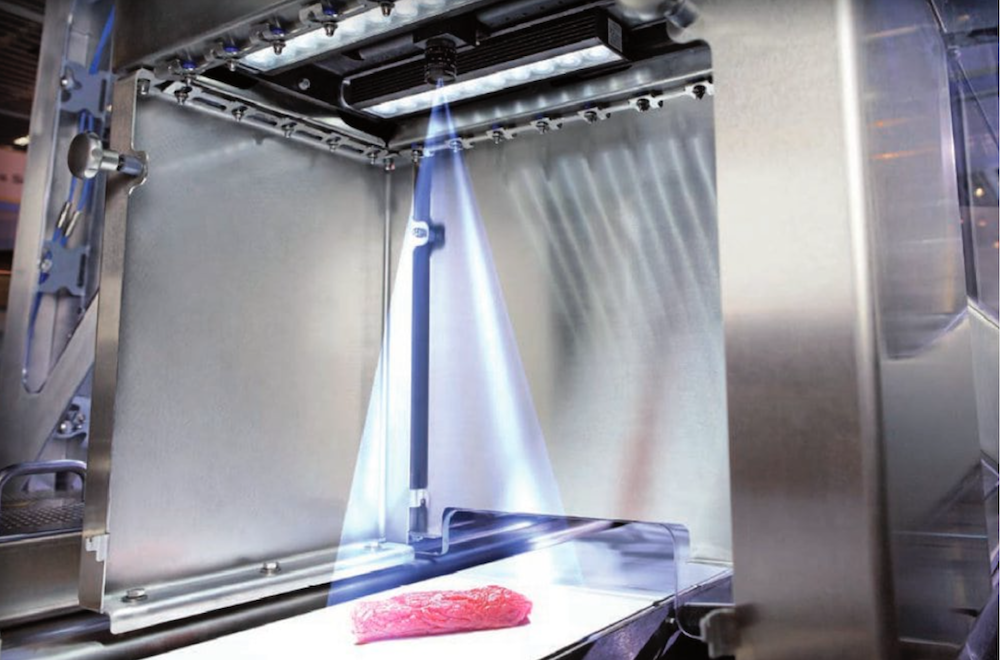
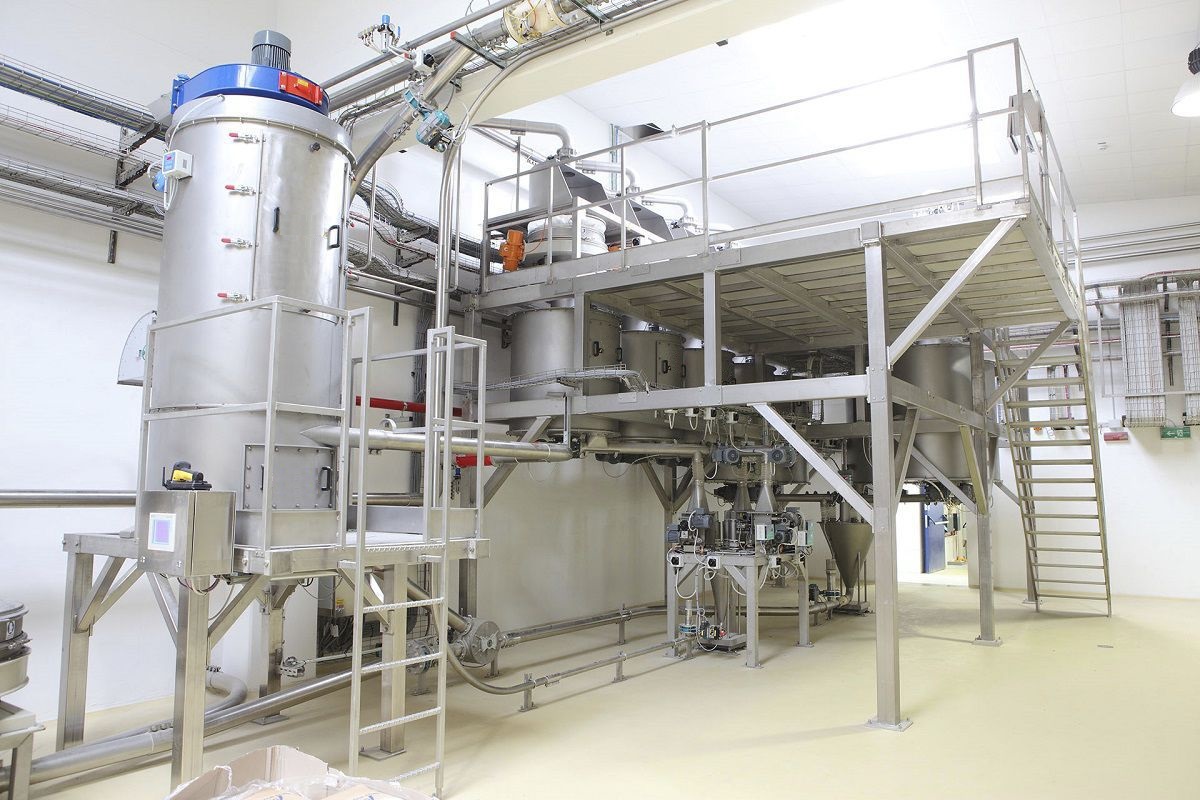
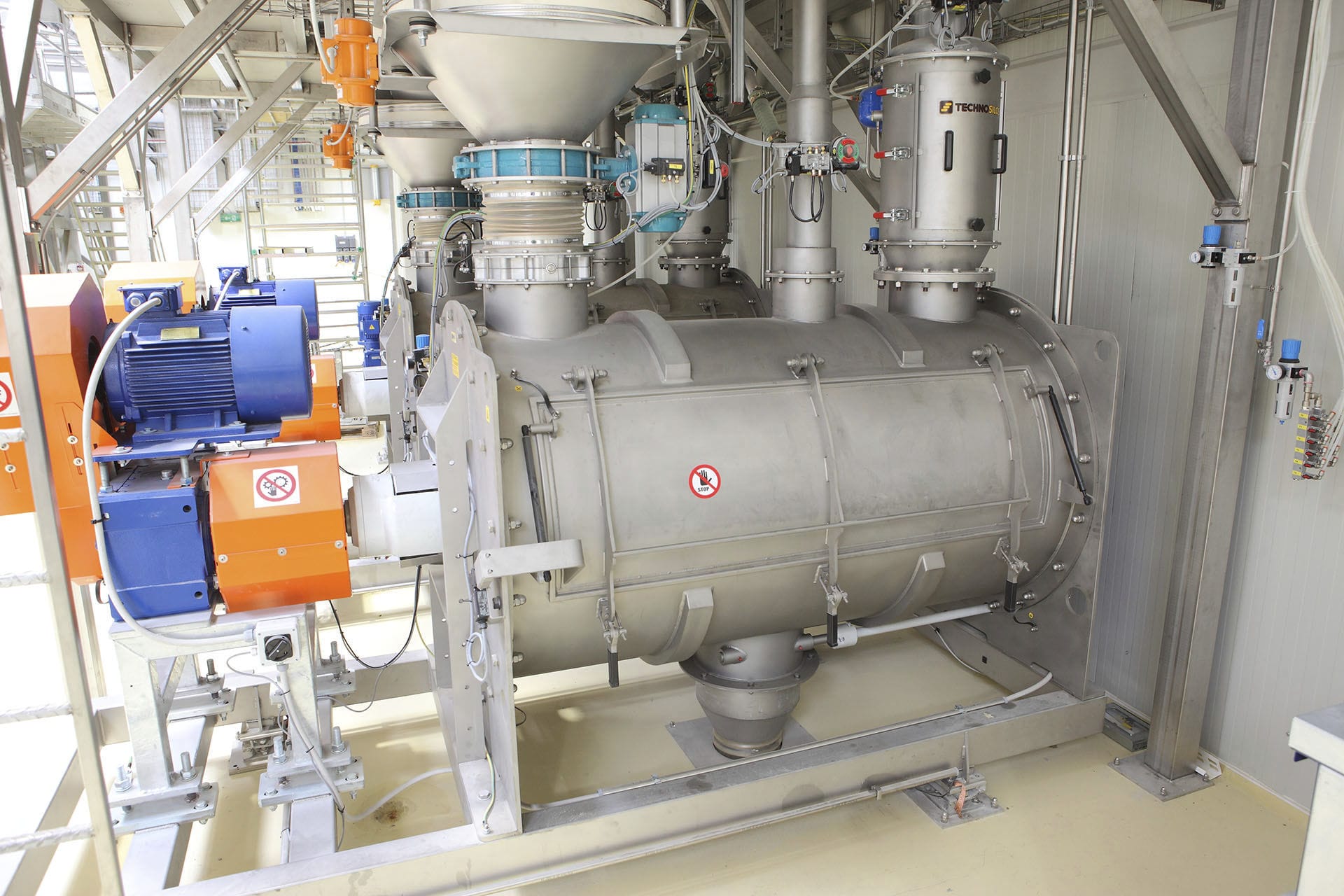
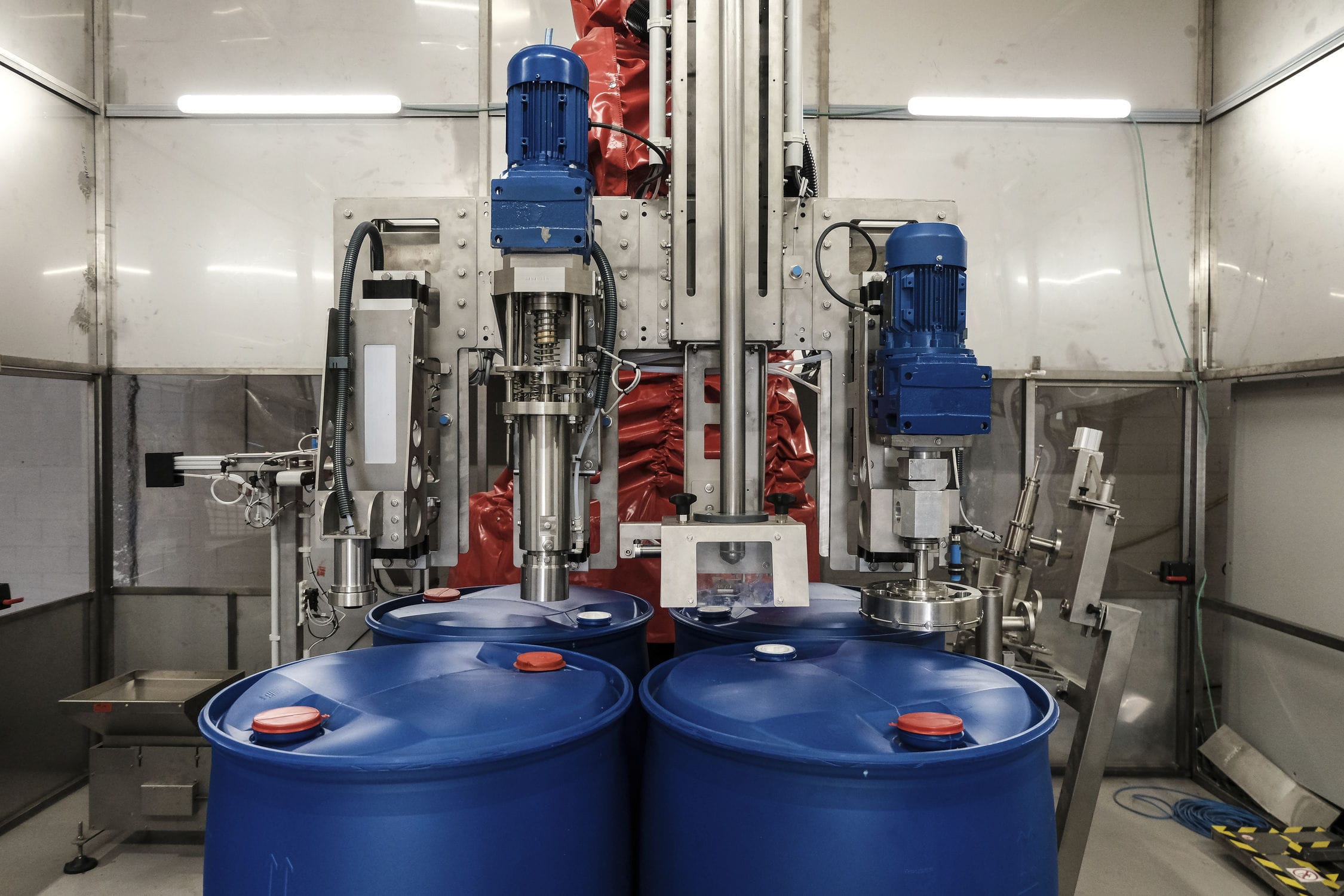
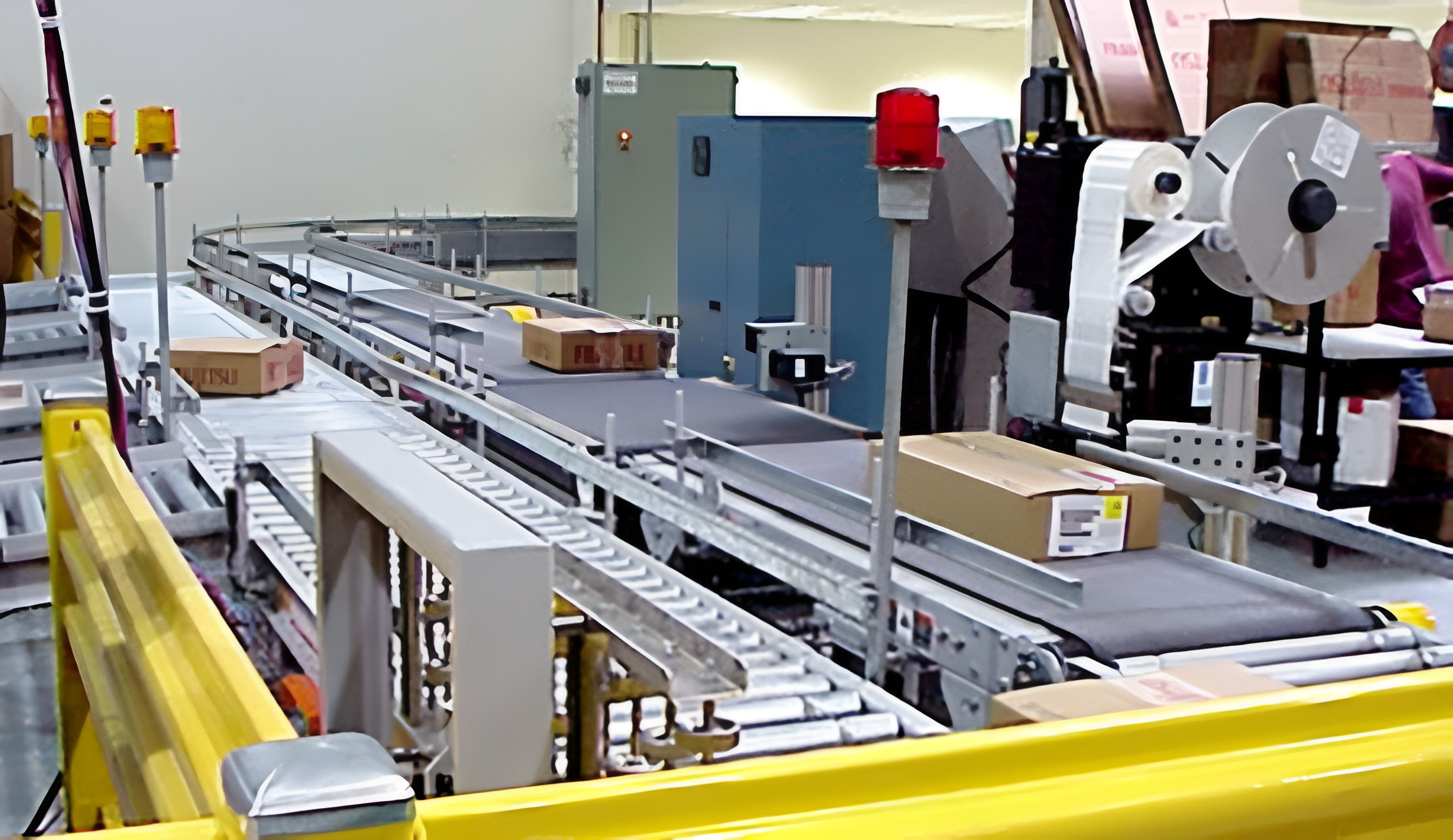
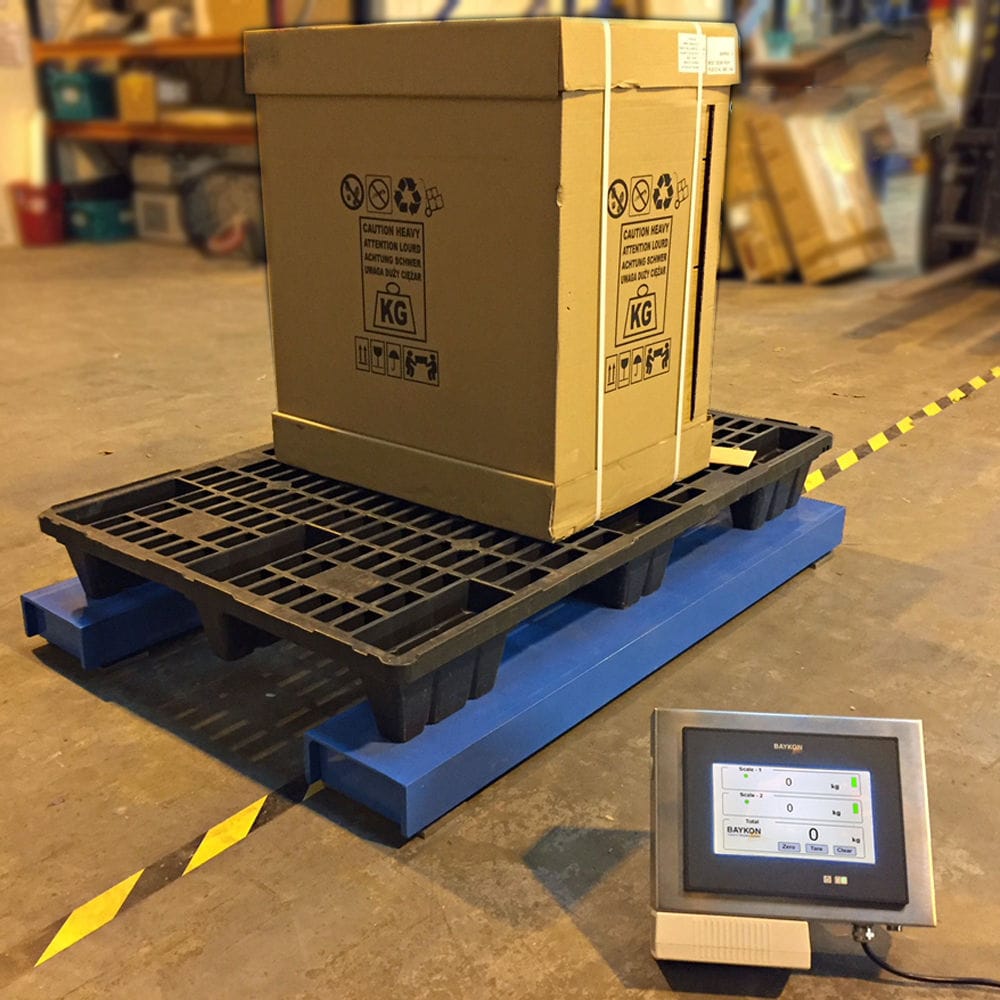


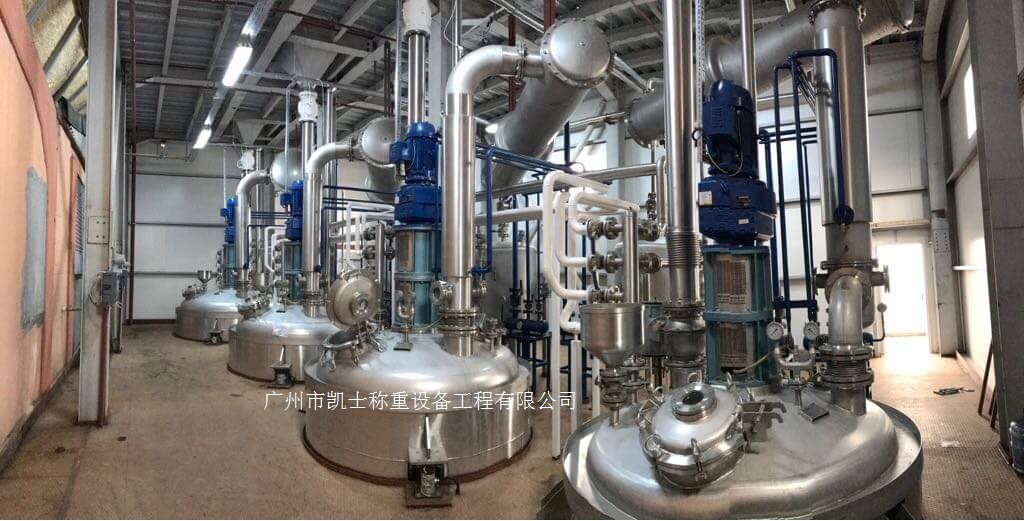
The Frequency Conversion automatic batching system is based on the electronic weighing system which is composed of the original weighing module and weighing instrument, and completes the automatic control of the whole process of batching conveying and mixing from the exit of the bin to the exit of the mixer by means of fieldbus communication and the existing peripheral executive equipment. The dosing system displays and monitors the alarm prompts and interlocks of the whole system, and completes the man-machine dialogue of formula management, production data management, equipment operation status management and production command to meet the mixing requirements of production.

 020-34563445
The variable frequency automatic Batching system adopts a master-slave structure. The industrial control computer serves as the upper host, while the Siemens PLC, frequency converter and weighing instrument act as the lower slave machines. The host is in a dominant position, realizing the communication management and control of each slave machine. The RS-232 asynchronous communication port of the industrial control computer is connected to the PLC after level conversion, forming a physical channel for communication between the upper and lower computers. Connect the other RS-232 port of the main unit to the communication port of the weighing instrument to form the second physical channel. The upper computer communicates with the slave stations one by one in a polling manner. The upper computer transmits the results of task planning to the PLC. During the control process of the PLC, the upper computer uses the upper computer connection command to monitor the operation status and data area content of the lower computer, reads the internal status of the PLC and the real-time data of the weighing instrument in real time, and displays them on the upper computer.
The automatic batching system is composed of industrial control computers, PLCS, industrial weighing instruments, frequency converters, vibrating motors, mixers, Weighing modules, conveyor belts and other components. The upper industrial control computer provides a human-computer interaction interface, completing functions such as inputting control information, data management, data display, storage, statistics, and reporting. The upper computer adopts an IPC810 industrial control computer, and its main tasks are as follows: The industrial control host first reads a formula with a certain number according to the operator's instructions. Then, based on the proportion and sequence of the ingredients in the formula, it issues an instruction to the PLC to start the ingredient preparation, enabling the PLC to start a specific frequency converter. During the batching process, the industrial control host reads the status words of the PLC in real time through polling, on the one hand, to understand the operating status of the PLC and its subordinate devices; On the other hand, the weighing data of the weighing instrument installed on the batching machine is read in real time. According to the batching strategy, when the weighing approaches the set value in the formula, the main unit sends an instruction to the PLC to stop this batching. When all the ingredients in a recipe have been prepared, the entire batching process is paused, waiting for the operator's instructions.
The feeding system has the following functions:
① Fully automatic batching: After setting the formula, it automatically weighs and batches according to the formula without the need for operator intervention.
It has a reporting function and can generate daily reports, real-time reports, monthly reports, annual reports, etc.
③ Dynamically add and modify reports. The system grants technicians or operators the right to modify and add formulas by setting permissions, while recording the date of each modification and the operator's number.
④ Power-off recovery function: The system can restore the measurement records before power failure in the event of a sudden power outage.
⑤ Local area network sharing function: The host can share data within the local area network, facilitating workshop supervisors to understand the progress of the project and other situations.