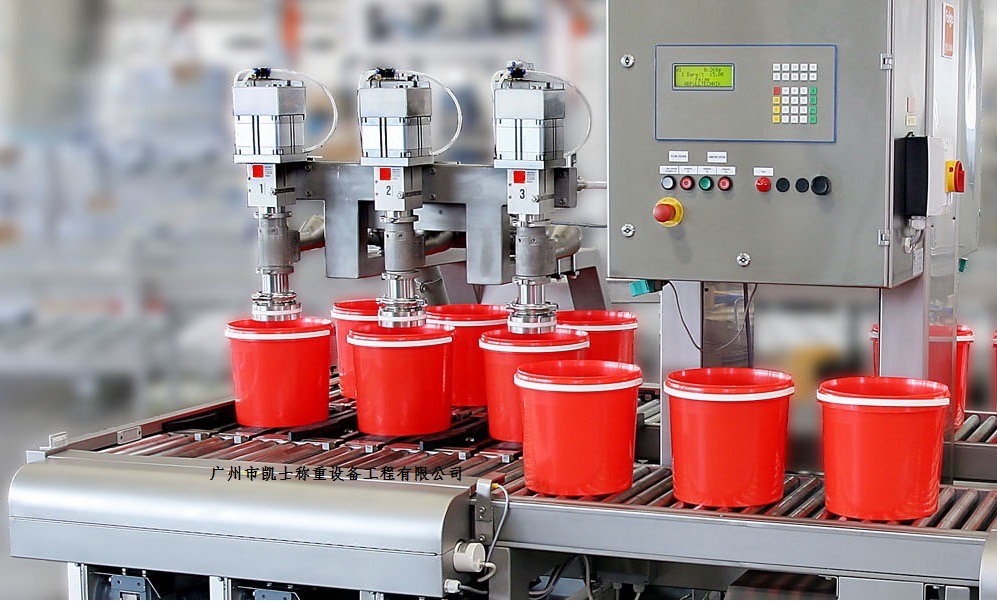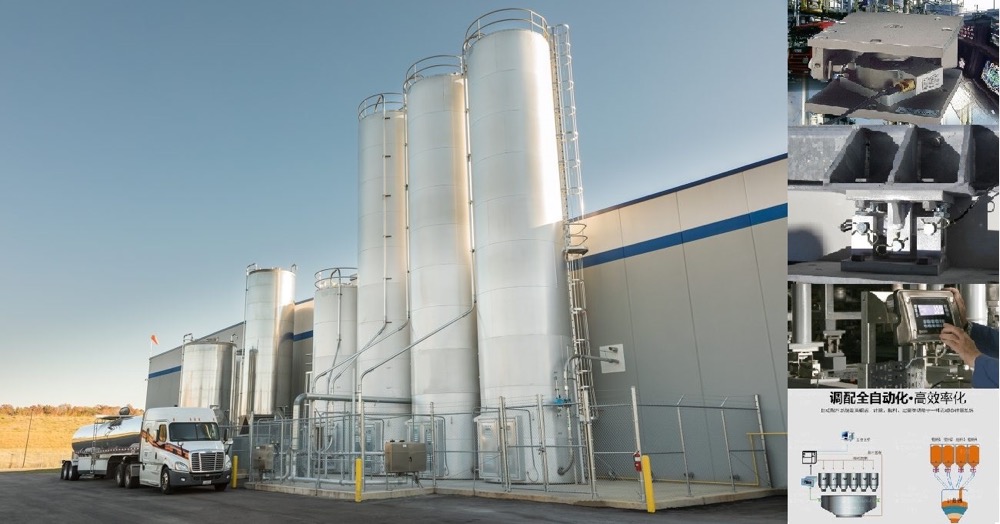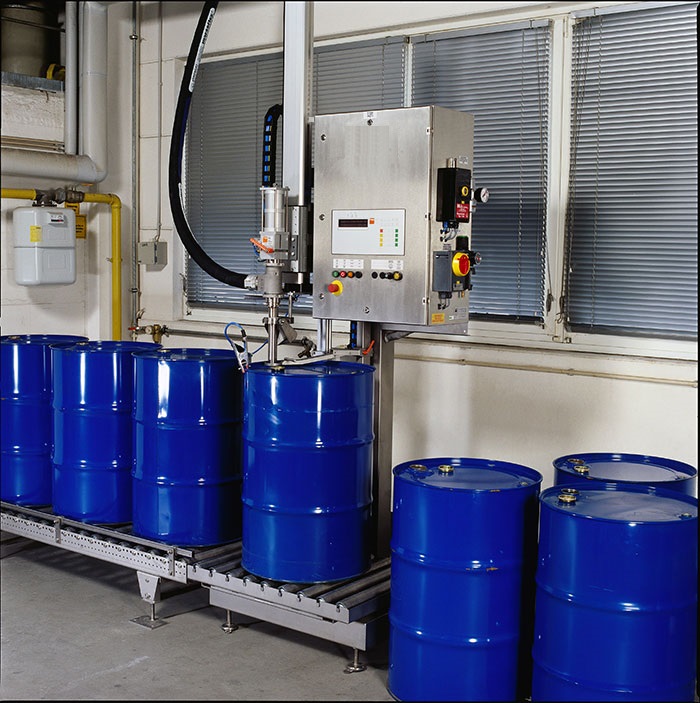


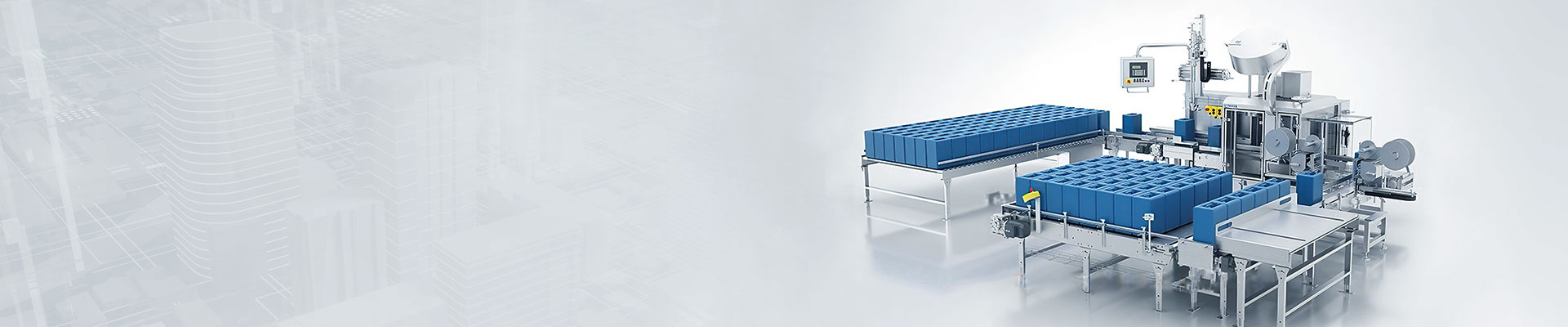


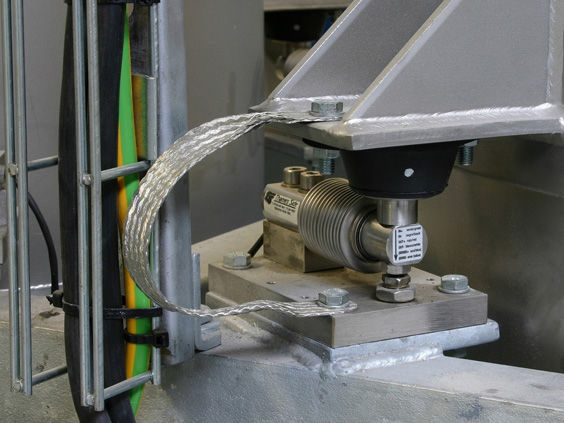
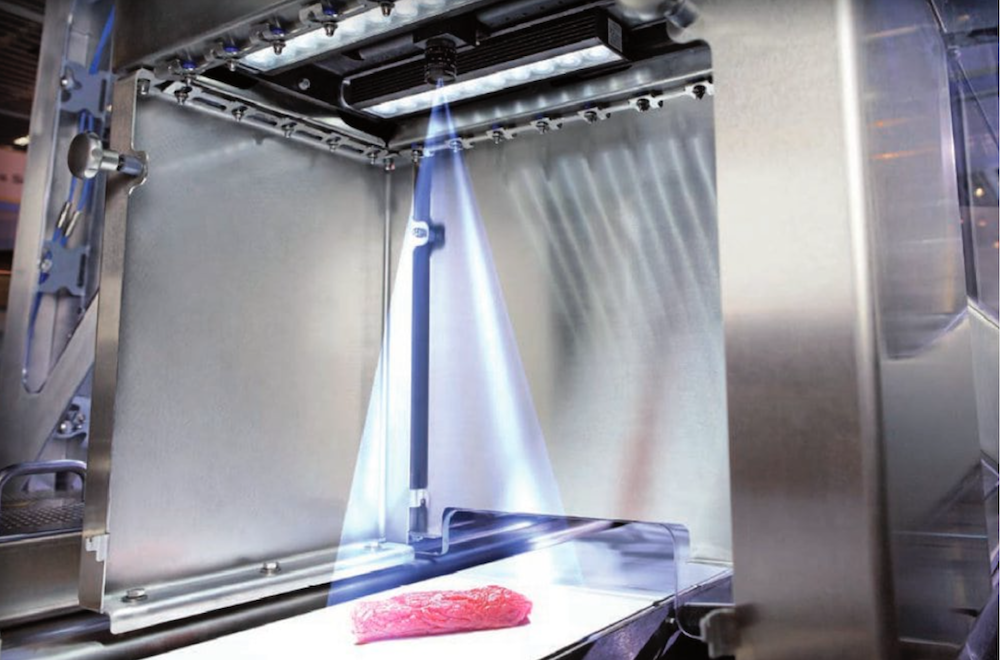
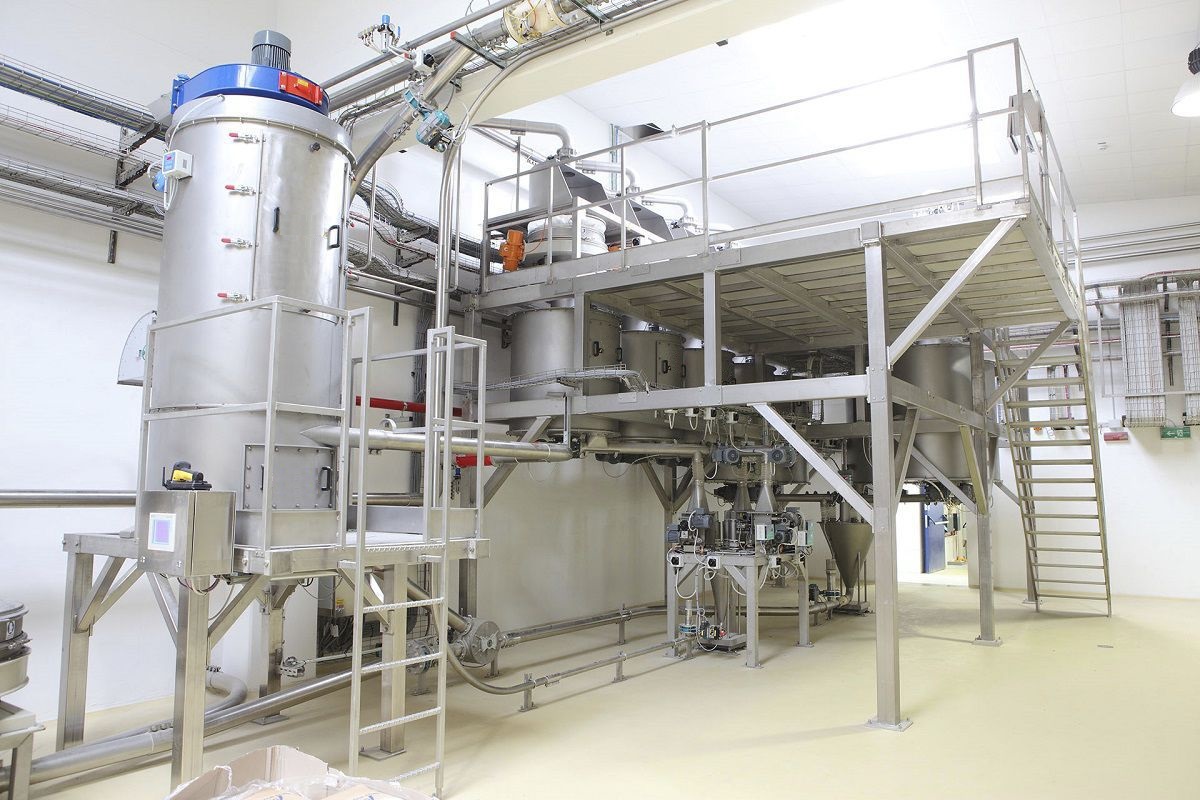
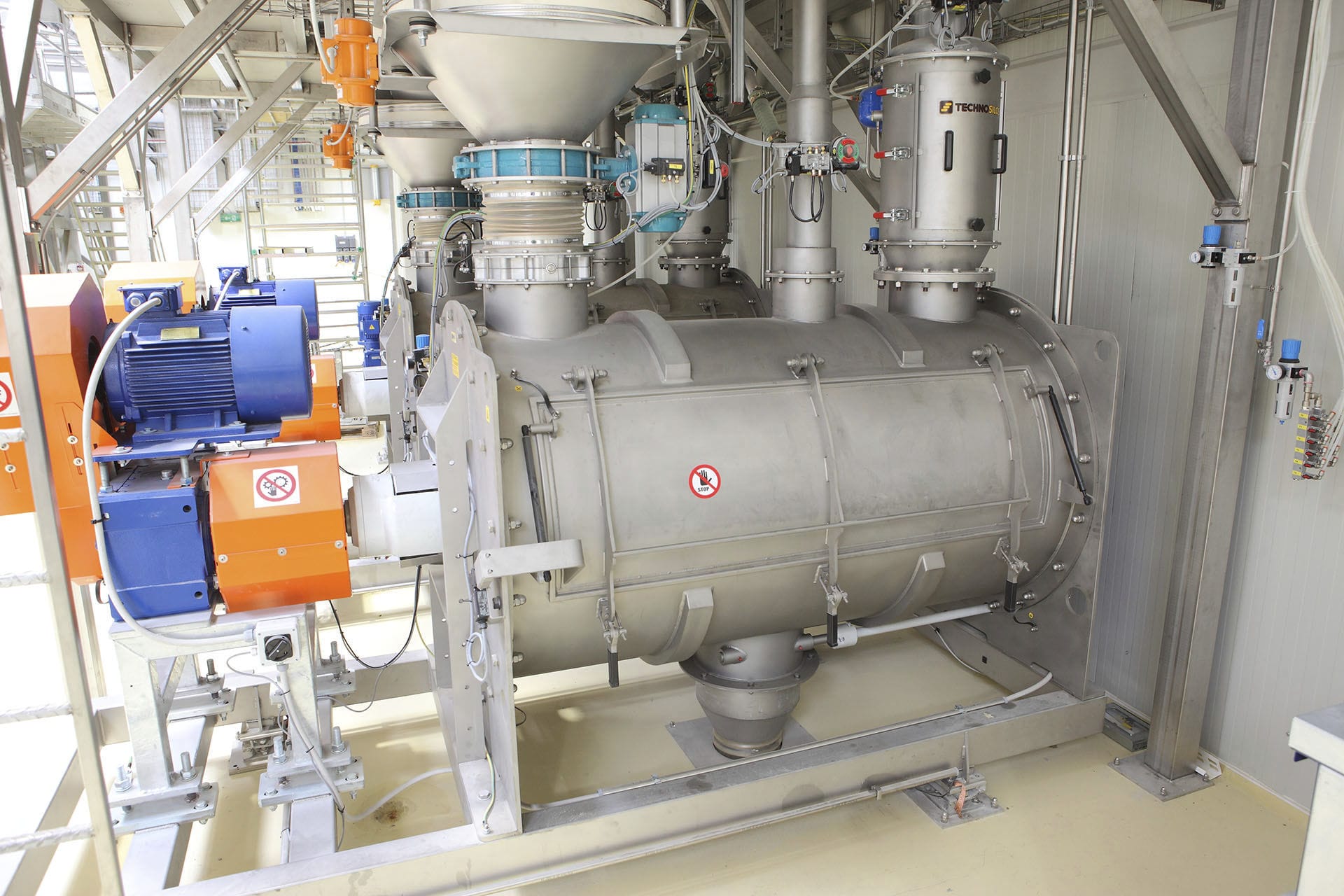
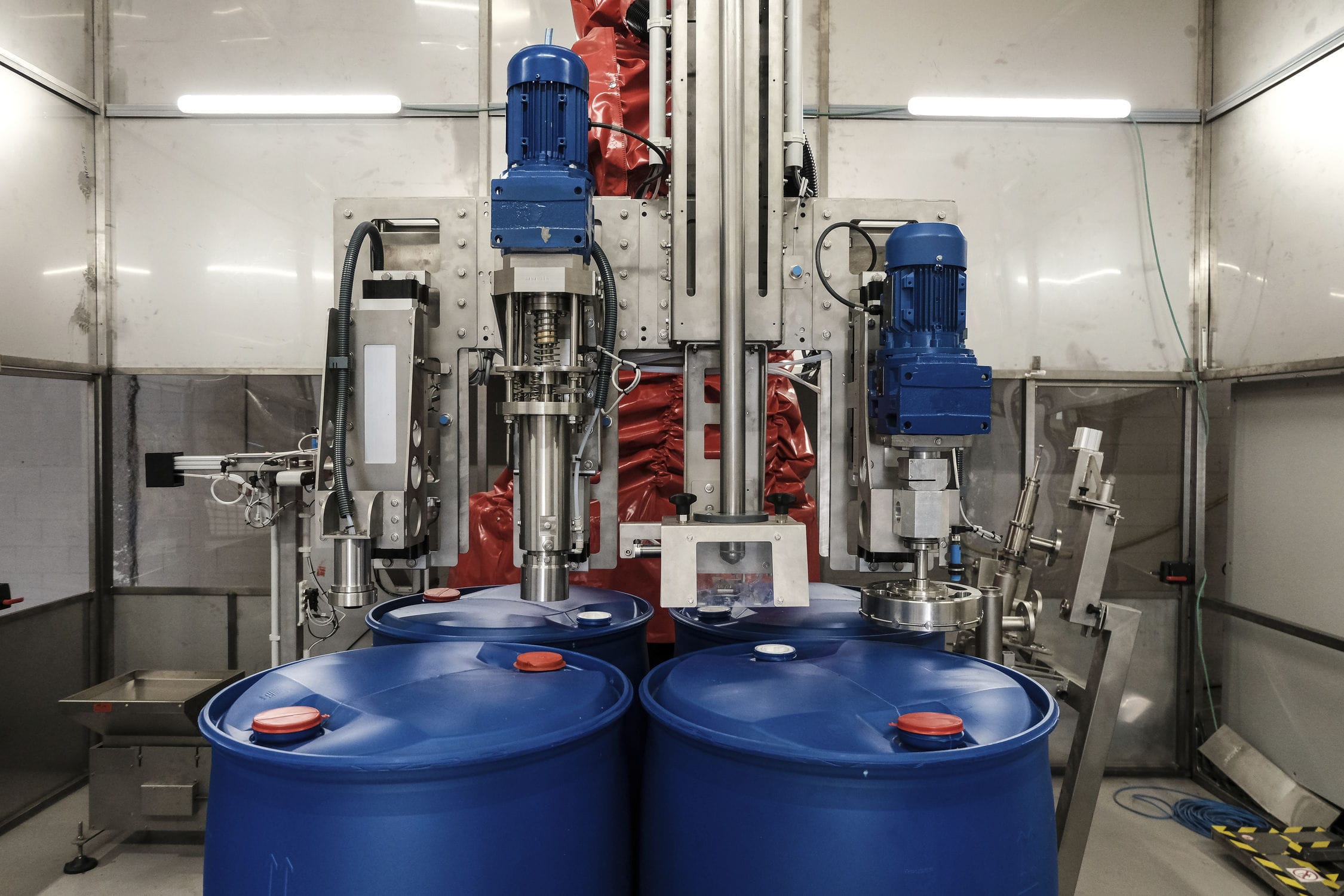
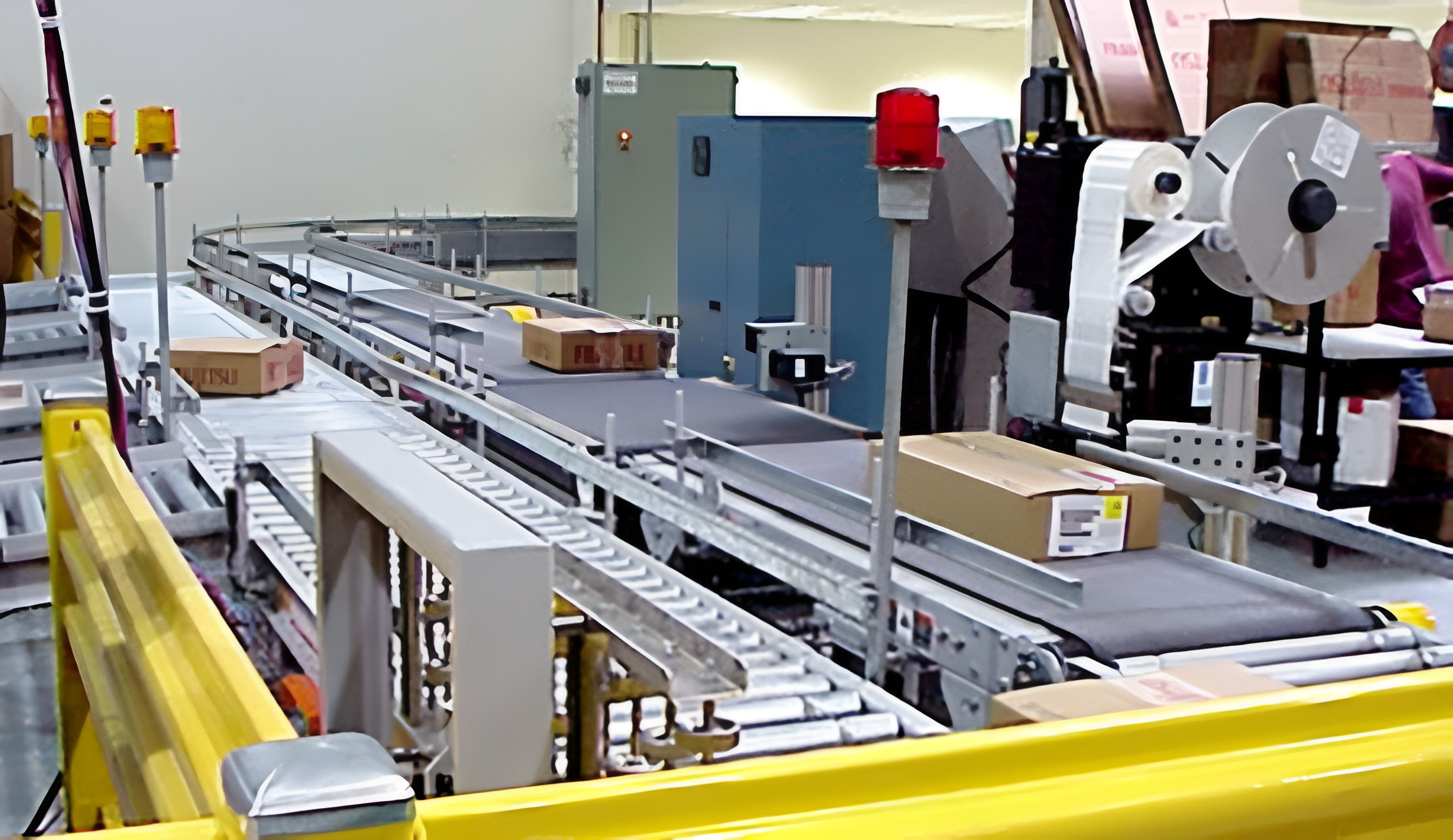
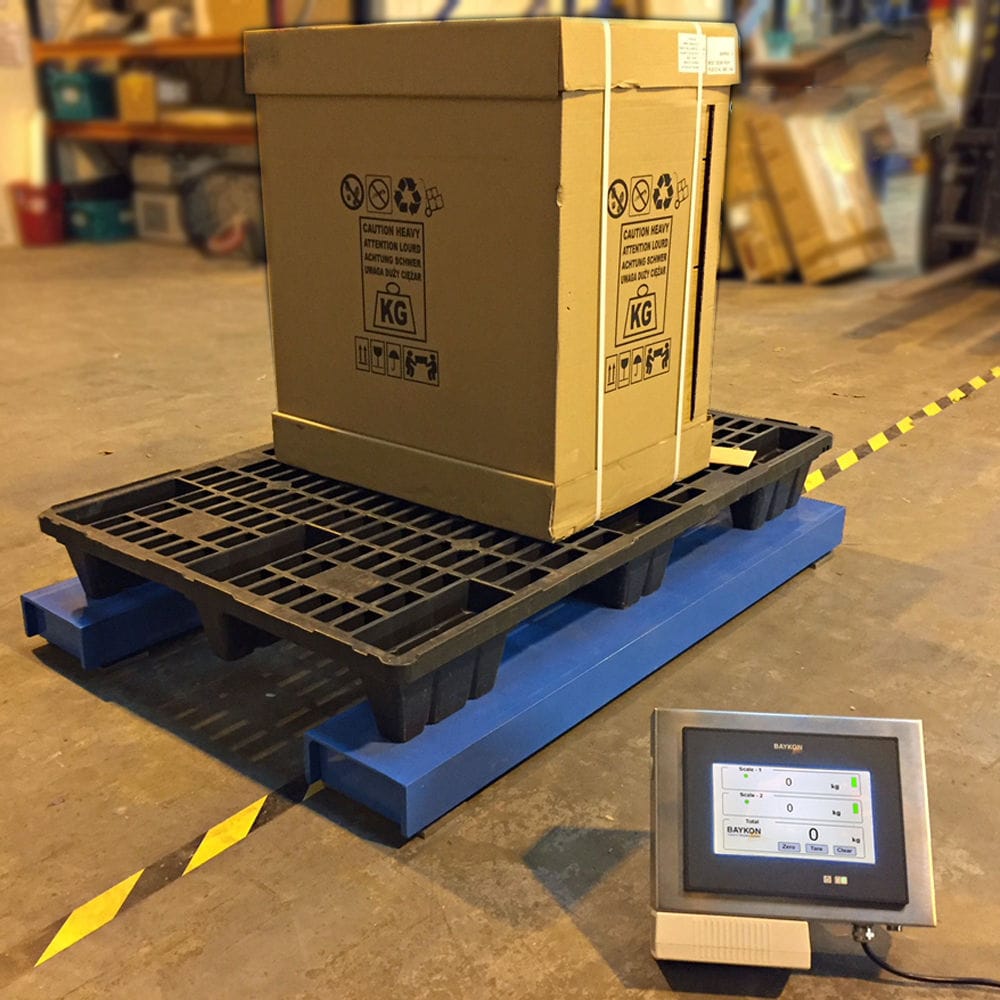


The fully automatic weighing filling machine mainly consists of self-unloading weighing, weighing module, silo, filling device, electrical control device, conveyor and other parts. The filling device controls the feeding amount to achieve the purpose of accuracy. Self-unloading weighing is mainly connected to the weighing module through connecting bearings or cylindrical pins, so that the weight and load of the scale hopper can be accurately displayed on the weighing instrument. The discharge door at the bottom of the hopper is generally pushed by a single cylinder. For the filling process, the management center formulates and issues work orders, sends instructions, and each workstation uses the work order formula as guidance and constraint to carry out business operations at each workstation.


 020-34563445
The Weighing system of the fully automatic weighing Filling machine production line mainly includes the fully automatic weighing unit, filling unit, conveying and detection unit, and palletizing unit. The liquid enters the feeding device of the filling scale from the self-storage hopper. Through coarse and fine feeding, two levels of coarse and fine feeding are achieved. When the weight of the liquid in the scale hopper reaches the final set value, the weighing terminal sends out a signal to stop feeding. After all the flying materials in the air fall into the scale hopper, this weighing cycle ends. At this time, the filling scale waits for the feeding signal from the barrel conveyor. When the automatic barrel loading conveyor finishes loading the barrels, it sends a signal to open the unloading flip door of the weighing barrel and feed materials into the filling barrel. After unloading, the weighing barrel closes the flip door, and the barrel clamping machine releases the barrel clamping device. The filling barrel then enters the automatic capping machine through the conveyor. After the filling barrel is capped, it enters the capping machine. When the photoelectric switch set beside the conveyor detects the filling barrel, the capping machine starts to work. The upper cover is pressed onto the filling bucket. When the filling bucket leaves the capping machine, the capping machine stops and automatically conveys it. The filling barrels pass through the metal detector and the weight re-inspection machine. If they fail the inspection, they will be removed when passing through the automatic Sorting machine. The qualified filling barrels will then pass through the automatic sorting machine smoothly. After that, they will be conveyed to the palletizing unit by inkjet printers, slow stops and other equipment. The repositioning machine will perform repositioning processing on the material barrels in sequence according to the palletizing process requirements in a cycle of barrel straight and barrel horizontal. The filling barrels are then sent into the grouping machine in either vertical or horizontal form. Finally, the filling barrels are stacked onto pallets by the stacking machine, with a stack usually consisting of 8 layers. After the stacking is completed, the pallet conveyor conveys it out of the palletizing area and places it on the pallet conveyor in the forklift area.
The weighing and filling machine mainly consists of self-unloading weighing, Weighing modules, silos, filling devices, electrical control devices, conveyors and other components. The filling device controls the feeding amount to achieve the purpose of accuracy. Self-unloading weighing is mainly connected to the weighing module through connecting bearings or cylindrical pins, so that the weight and load of the scale hopper can be accurately displayed on the weighing instrument. The discharge door at the bottom of the hopper is generally pushed by a single cylinder. A programmable controller is used to supervise and control the industrial control computer host, with digital and analog input/output. For the filling process, the management center formulates and issues work orders, sends instructions, and each workstation uses the work order formula as guidance and constraint to carry out business operations at each workstation.
When the bucket mouth is detected, the cap suction device rotates directly above the bucket mouth of the filling bucket driven by the cylinder, sucks the bucket cap of the filling bucket, and returns to its original position after completing the cap suction action. When the bucket cap is sucked up, the quantitative filling process begins. The PLC controls the rodless cylinder to drive the filling gun into the filling bucket for liquid filling. The weighing module can sense the change in weight in the filling bucket to achieve quantitative filling of the liquid. After the liquid filling is completed, the weighing instrument will send a filling completion mark signal to the PLC, and the PLC will end the quantitative filling process based on this signal. The PLC controls the rodless cylinder to drive the filling gun up to the initial position. The cap suction device rotates directly above the mouth of the filling bucket, and the bucket cap is placed at the mouth of the filling bucket. The conveying motor starts to transport the filled filling barrels to the designated position.
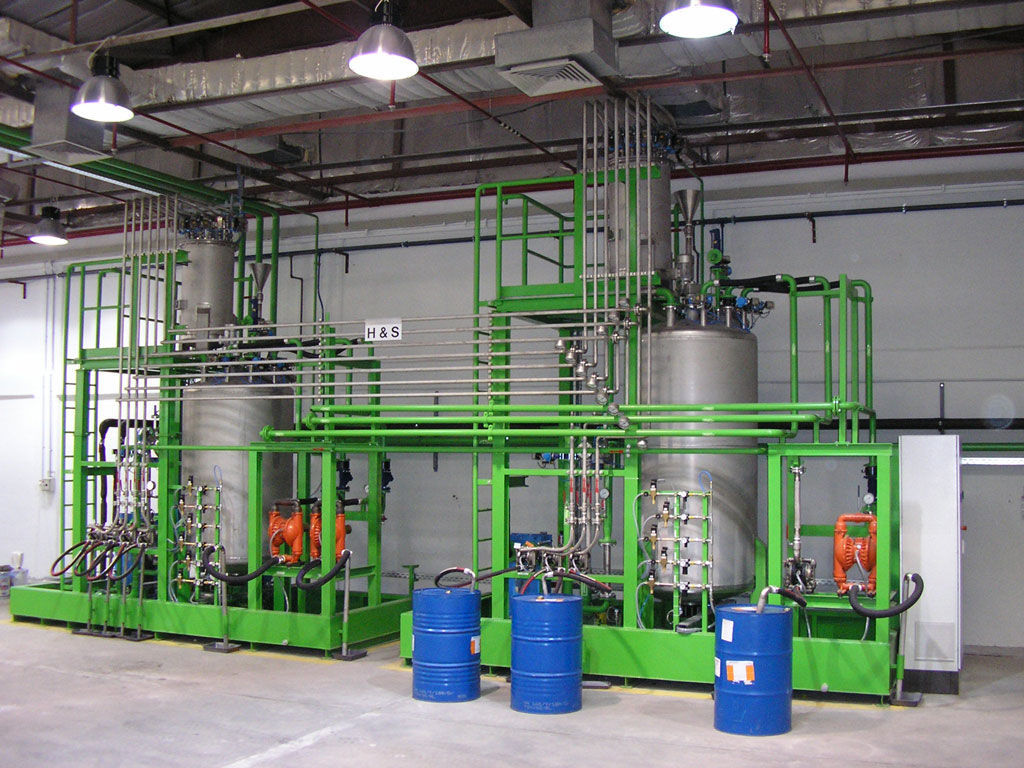
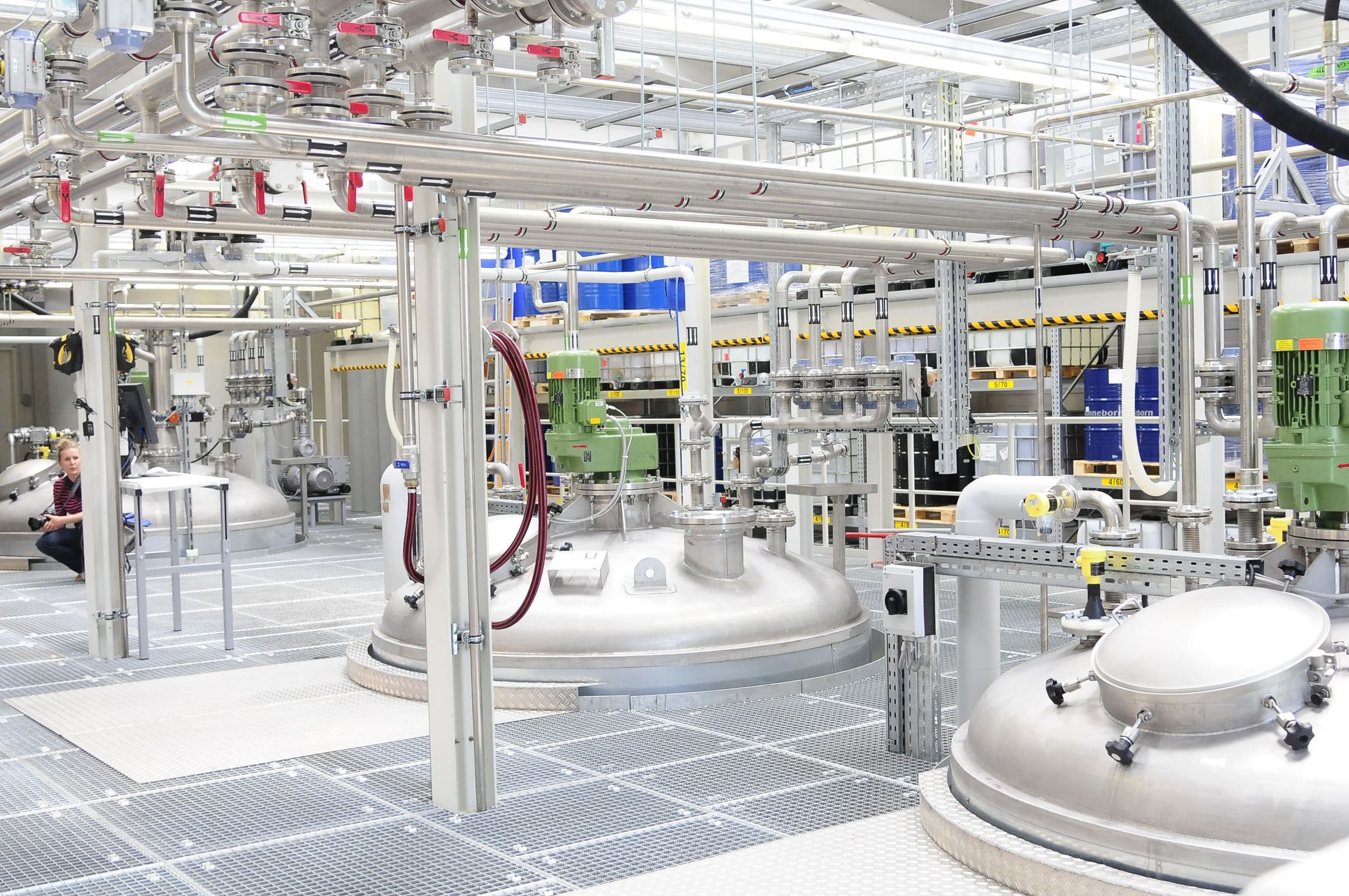
The material bucket is to determine the proportion of each component to be quantified based on experience, and then transfer them respectively into the same material bucket. Then, a pump is used to extract the liquid in the bucket and return it to the same material bucket for uniform circulation. After that, it is capped and conveyed. Each quantification bucket is equipped with nitrogen filling, cleaning heads, vertical lifts, and automatic discharge valves. The quantitative bucket is packed on the weighing module. Respectively enter the quantitative bucket and complete the measurement. After the feeding is completed, turn on the nitrogen protection and quantitatively produce the product. The entire operation of this equipment is controlled by PLC, featuring high measurement accuracy. It also has the operation of washing the quantitative bucket. Through the two cleaning heads on the top of the bucket, the cleaning liquid is sprayed into the quantitative bucket, which has a good cleaning effect on the bucket wall and the bottom of the bucket. This can prevent mutual contamination between different liquids and ensure the quality of each bucket of finished liquid.