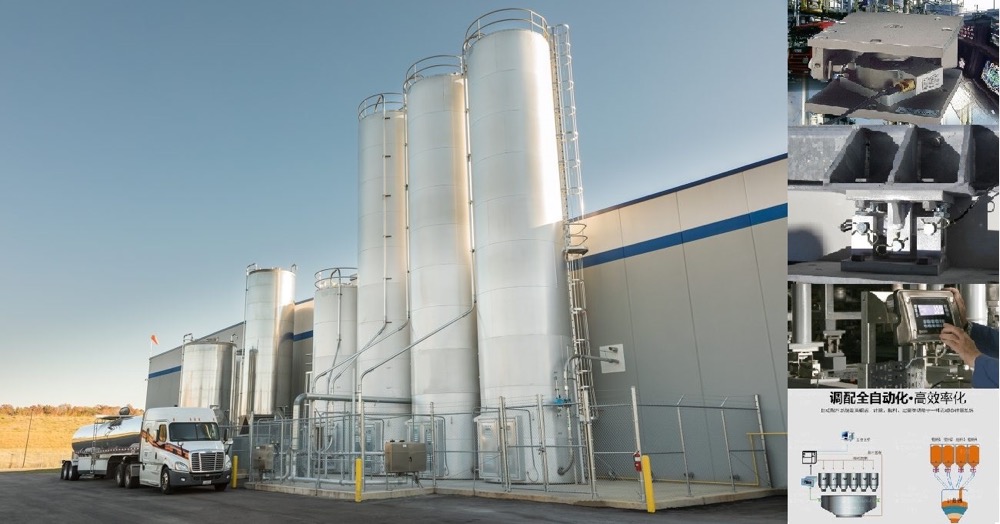








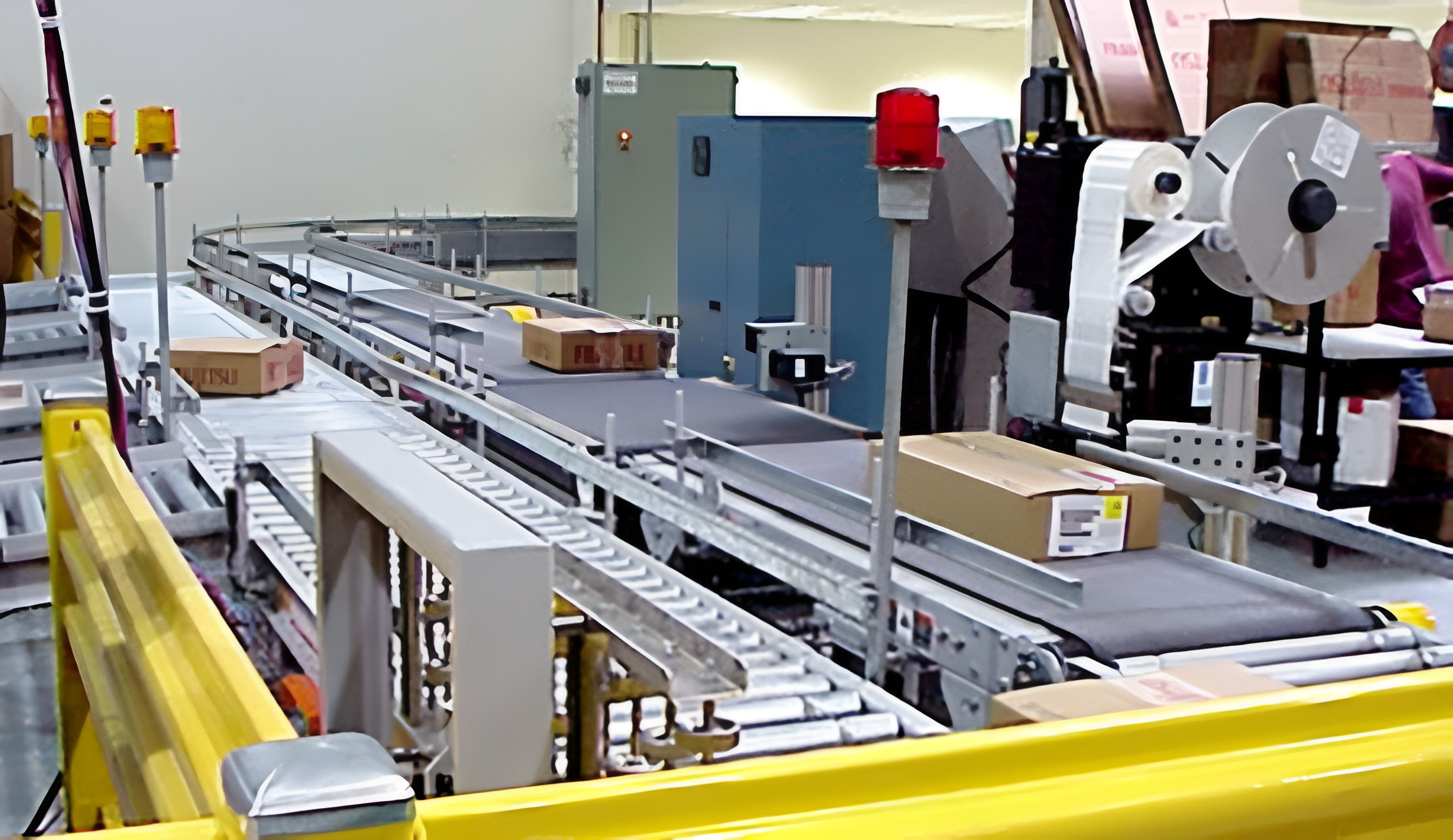
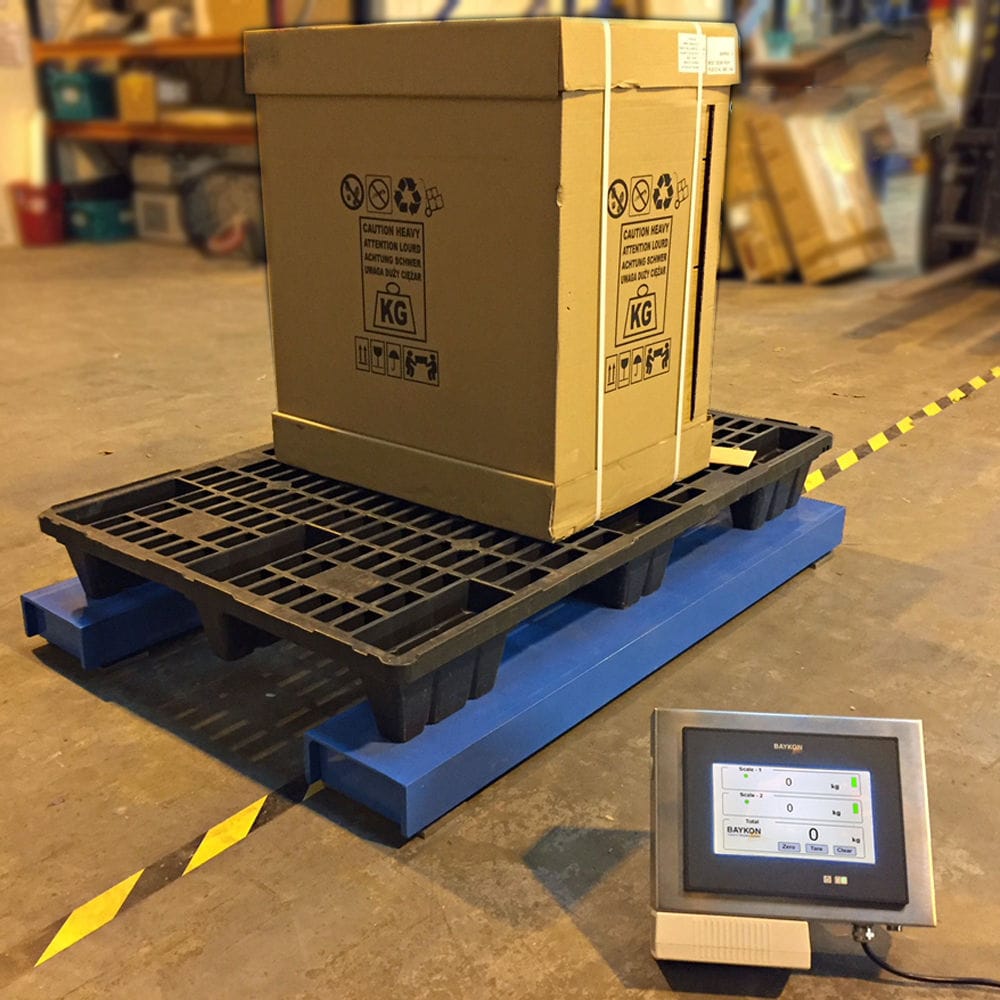


The microcomputer hopper scale is displayed through the human-machine interface touch screen. The operator can directly see the material quantity in the silo from the driver's cab. Meanwhile, the touch screen is equipped with manual and automatic receiving and loading operation modes, and the signals of each material level participate in interlocking. The high material level is the upper limit for receiving materials. After the PLC receives the high material level signal, it automatically controls the electro-hydraulic push rod to close the hopper leak and controls the solenoid valve to stop the hopper from vibrating materials.

 020-34563445
In the power plant production process, the metering microcomputer system communicates with the computer through the weighing instrument, and acquires, establishes and implements the switch signals of the screw Feeder and motor on the computer. Advanced dynamic weighing instruments are adopted, which can accurately collect the speed signal and weighing signal of the screw. Then, after internal calculus processing, precise measurement data is obtained. The upper computer and the instrument obtain the continuous flow data of the screw weighing in real time through the serial communication interface (RS-232/RS-485/RS-422).
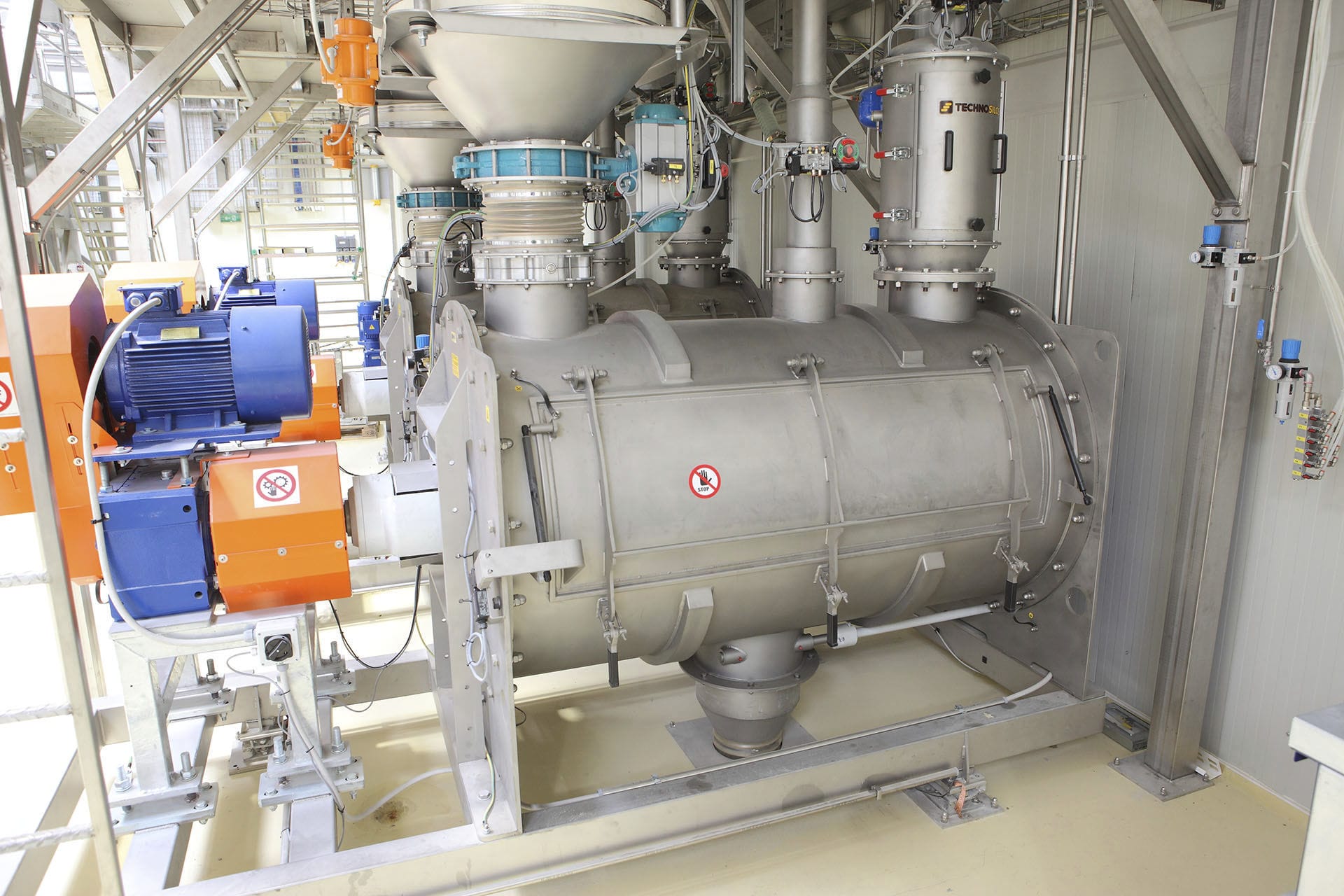
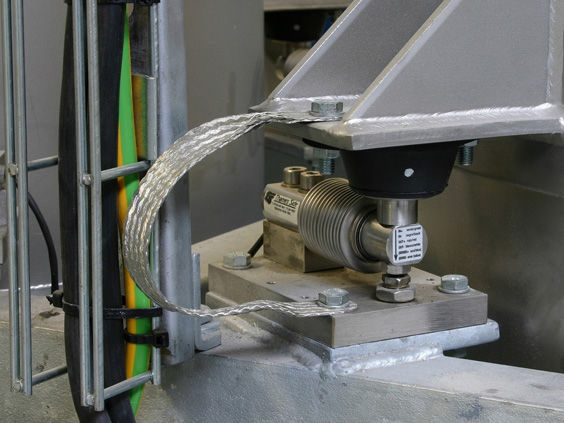
The hopper scale adopts the support points of the weighing module. The metering funnel generates force balance by rationally arranging the plane of the weighing module. The balance of the metering funnel is achieved by changing the position of the support points. Under the existing on-site conditions, through measurement and calculation, the position of the weighing module of the metering funnel is shifted to the front end of the hopper, so that all the force points of the funnel are between all the central support points of the weighing module. And try to increase the distance between the support points and the force-bearing points as much as possible. That is, a triangular frame made of No. 16 channel steel is welded to the left steel column at the front end of the metering funnel, and a cement crossbeam on the ground is used on the right side, with a width of 200mm and a height of 500mm. It has been certified to be capable of bearing the required load. A 2-meter-long square steel crossbeam made of 16 # channel steel and 20 # channel steel is suspended between the frame and the tripod. At the same time, two 12mm thick steel corbels made of steel plates are welded in front of the metering hopper and placed on the weighing module. The weighing module is then installed between the crossbeam and the tripod on the hopper body To ensure that the funnel can be stably placed on the four Weighing modules, to balance the force on the four weighing modules, so as to achieve accurate weighing and guarantee the stable feeding of the hopper.
Each time the loading vehicle fills one material level chamber, it needs to be weighed under the hopper. Assuming the weighing result is y tons, subtract y tons from the measured value x tons at the time of receiving the material, which gives the loading capacity of one material level chamber. This difference can be used as the feedback value of the actual loading capacity and transmitted to the PLC of the loading vehicle through the isolation distributor to dynamically correct the high, medium and low material levels. Until the average loading volume of the material level chamber meets the process requirements. Three 350Ω resistance strain weighing modules are symmetrically installed on each hopper. The weighing module is of press-fitting type, that is, the loading hopper is supported by four weighing sensors. The load cell obtains the bridge excitation power supply through the junction box. The signals of the four load cells are superimposed in the junction box and then input into the analog-to-digital unit for analog-to-digital conversion (both the bridge excitation power supply and the analog-to-digital converter are included in the weighing instrument). At the same time, the weighing instrument transmits the weight value as a standard 4-20mA current signal to the PLC, and the value is displayed on the driver's cab touch screen.
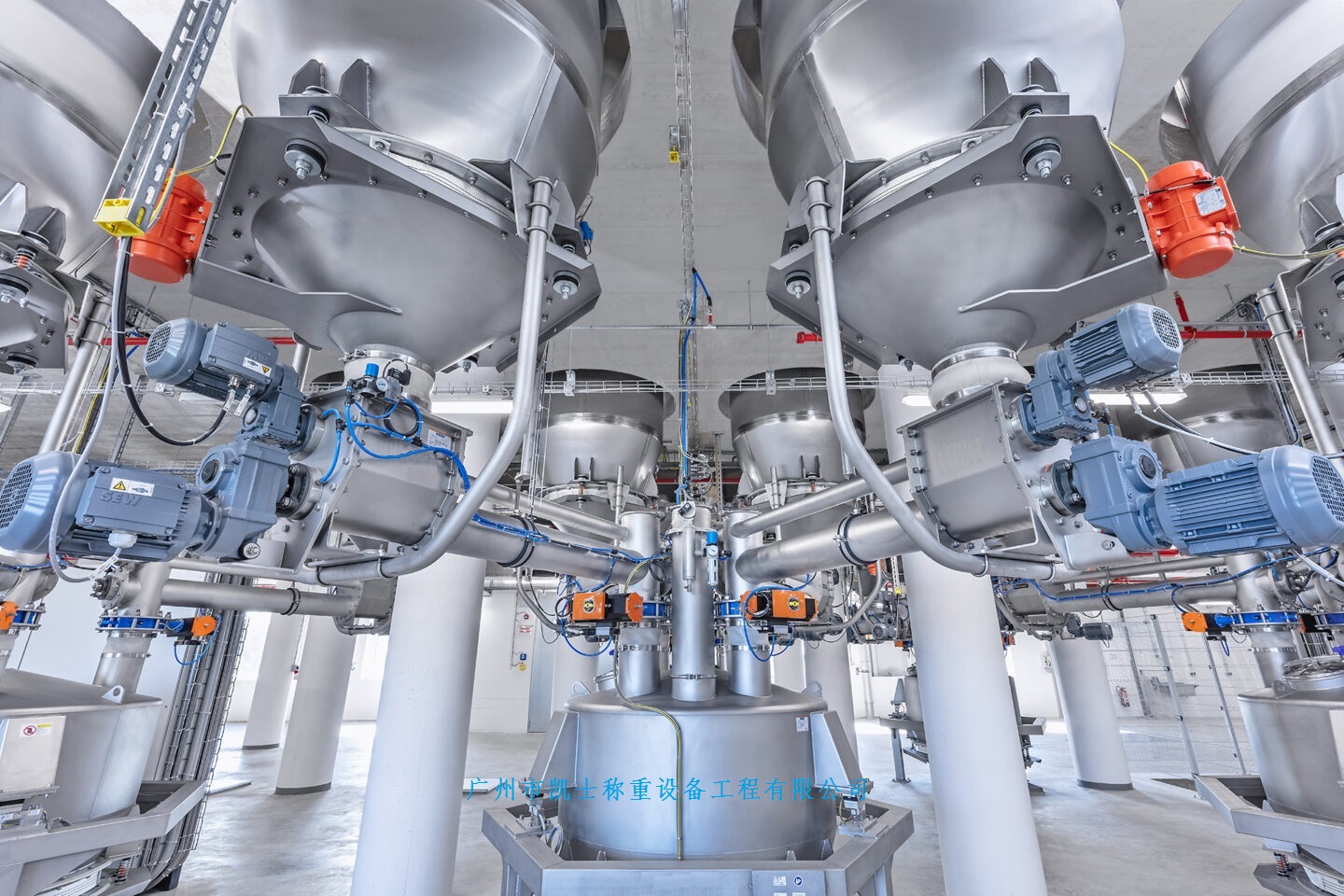
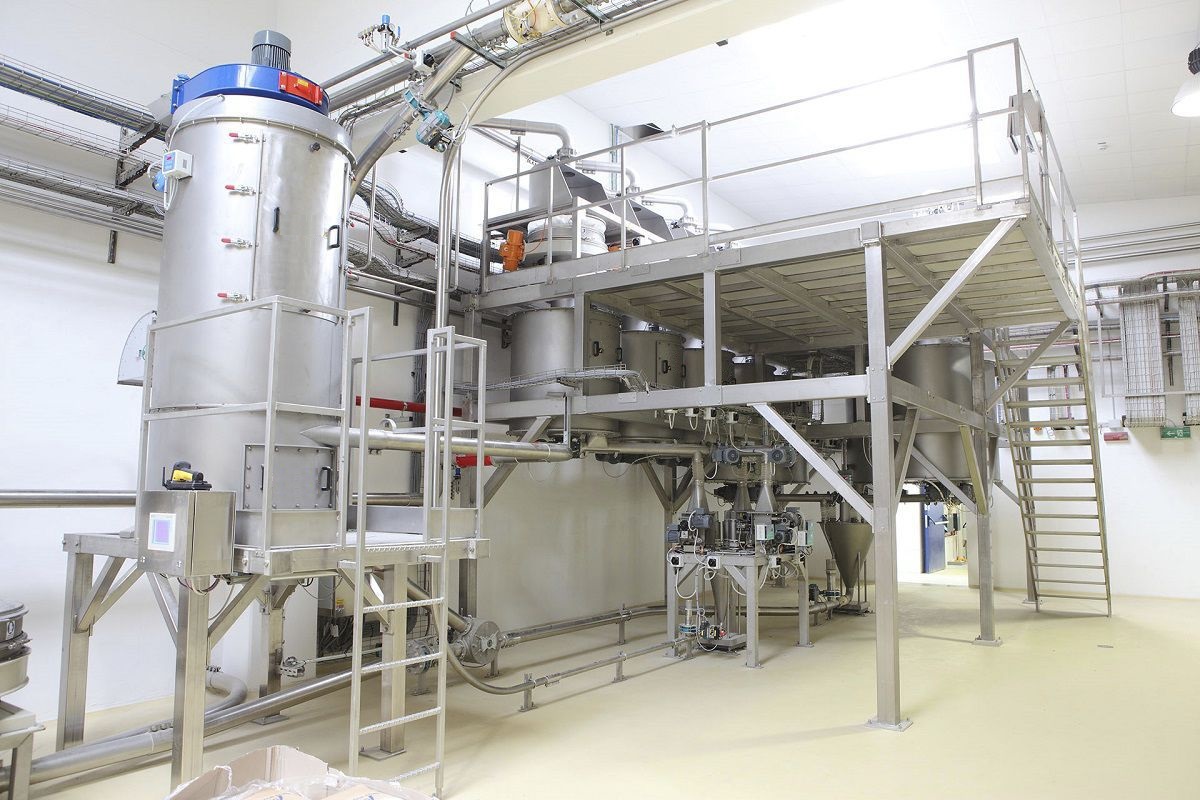
The loading vehicle runs on the loading vehicle track at the bottom of the hopper scale tank. Its function is to take materials from the hopper, measure them and then load them into the material level chamber. At the same time, the flue gas that overflows from the loading holes during the loading process is collected and mixed with an appropriate amount of air, which is then guided into the fixed dust collection main pipe. Under the four loading hoppers, there are respectively motor-driven screw feeders. Through the movable guide sleeves, the materials are loaded into the material level chamber. The total volume of the hoppers is suitable for simultaneous loading of four hoppers. The hopper is equipped with a resistive level gauge, which can display the highest point, lowest point and flat material point of the material line. Each hopper is equipped with a height-adjustable movable receiving grate at the top (with an adjustable capacity of more than 100mm), which can intercept large granular or agglomerated materials flowing out of the hopper during loading. When the hopper is receiving materials, the driver can control the opening and closing as well as the vibration of the hopper's leak on the material cart.
When the material is loaded to the position of each mechanical moving block, the limit switch sends low, medium and high material level signals to the PLC. These signals are displayed on the human-machine interface touch screen. The operator can directly see the material quantity in the silo from the driver's cab. Meanwhile, the touch screen is equipped with manual and automatic receiving and loading operation modes, and each material level signal participates in interlocking. The high material level is the upper limit for receiving materials. After the PLC receives the high material level signal, it automatically controls the electro-hydraulic push rod to close the hopper leak and controls the solenoid valve to stop the hopper from vibrating materials. The middle material level is the flat material level. When the material level chamber is filled with materials to the middle material level, the PLC program control system sends a flat material signal to the material push cart, and the material push cart starts to level the materials. Low material level is the lower limit for loading. After receiving the low material level signal, the PLC automatically stops the screw feeding device, closes the feeding gate plate, covers the tank lid and retract the guide sleeve device and the flue gas external guidance mechanism.