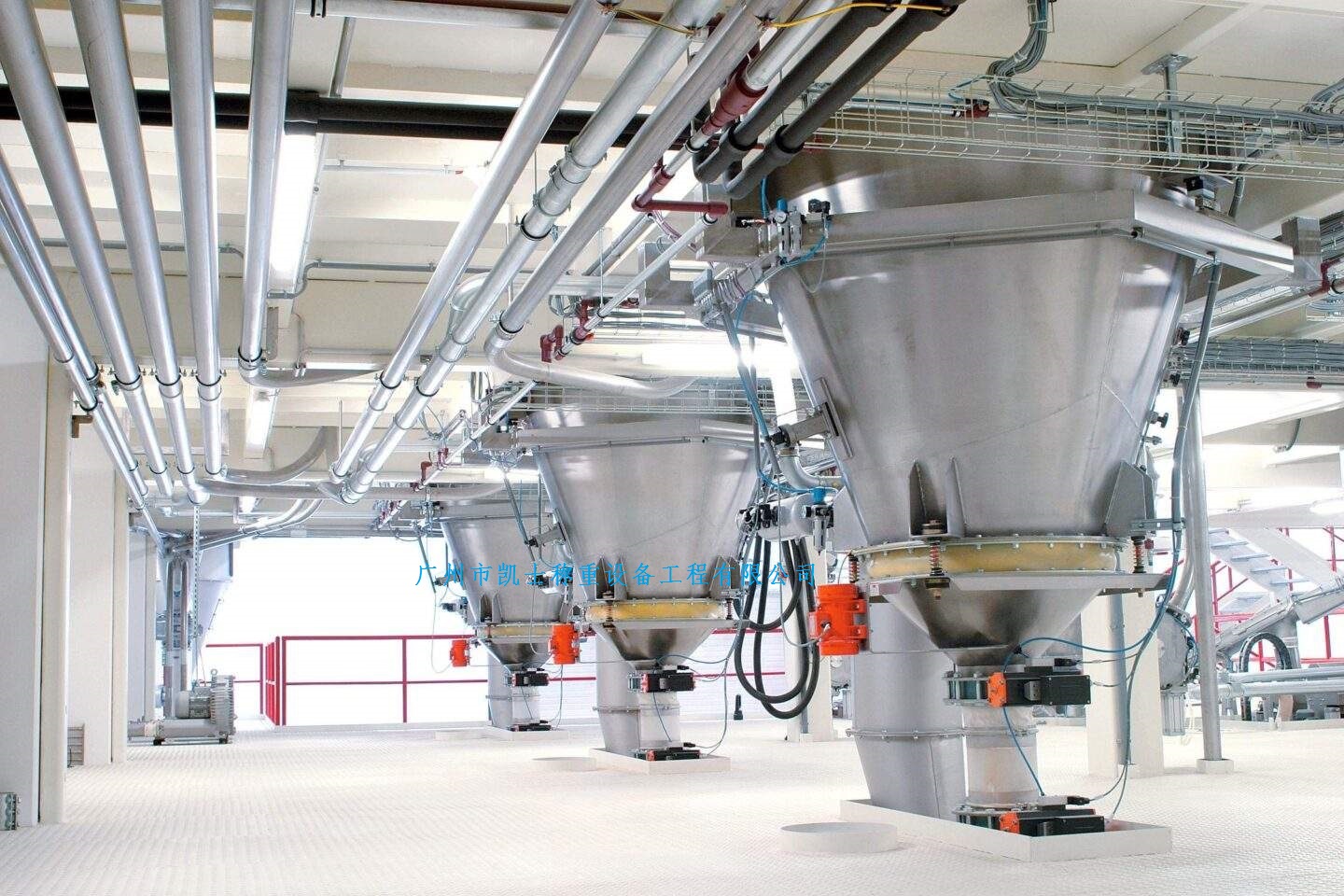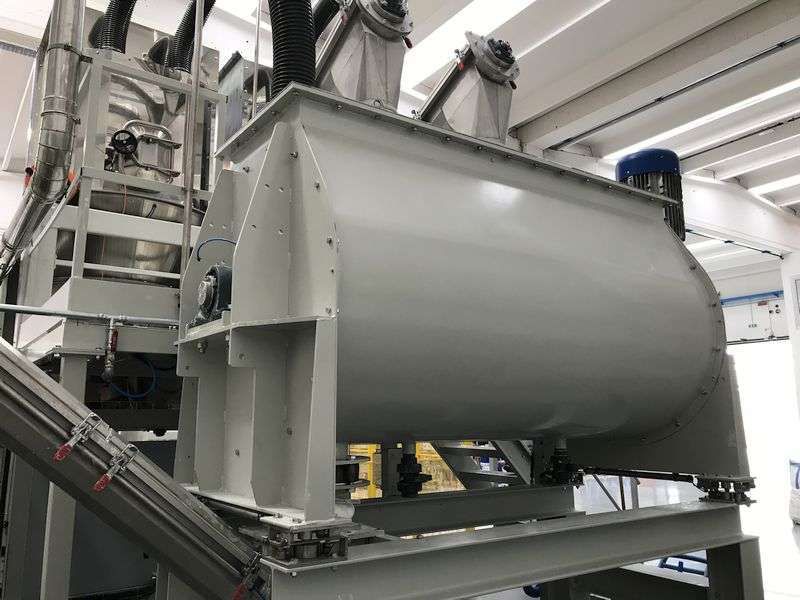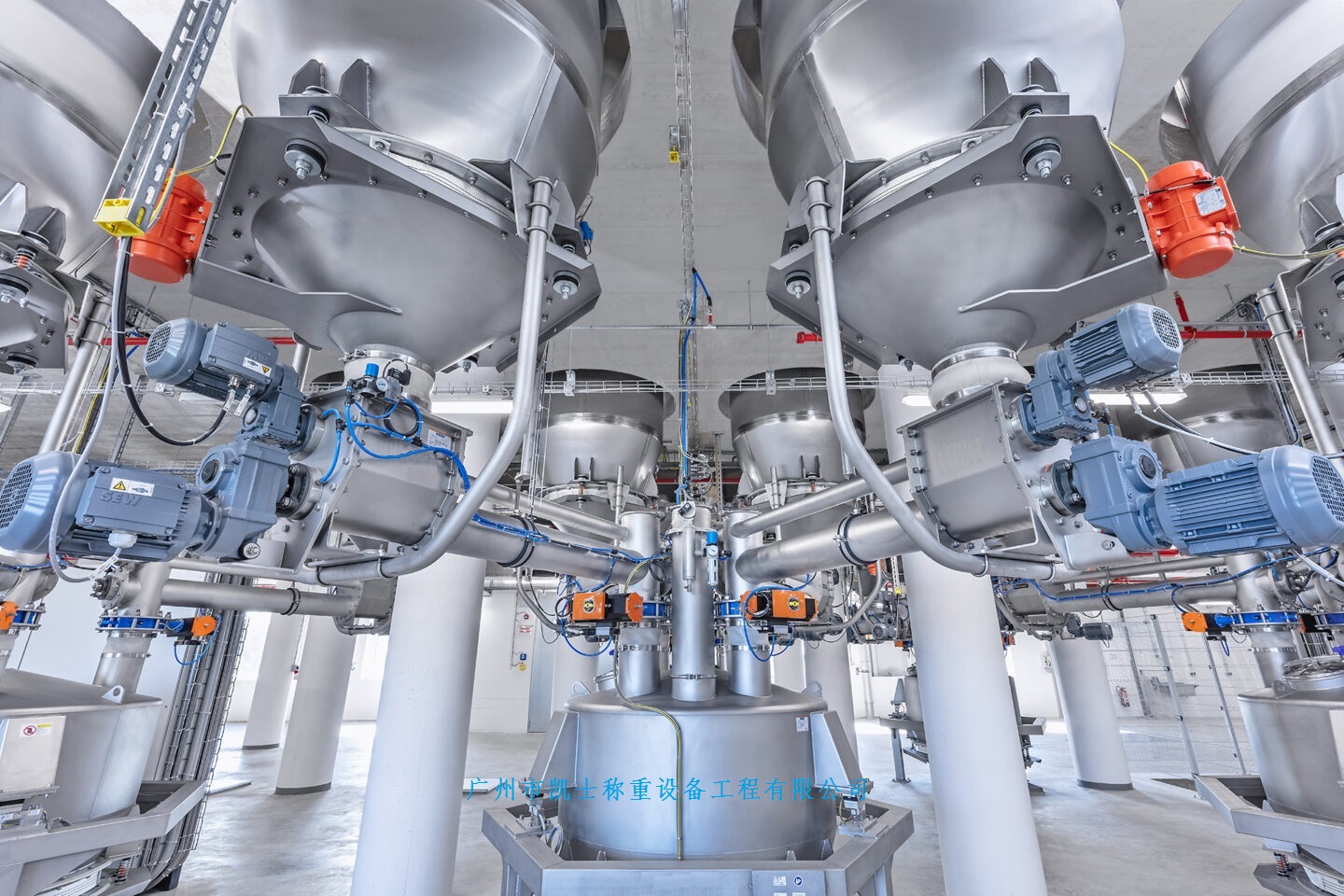






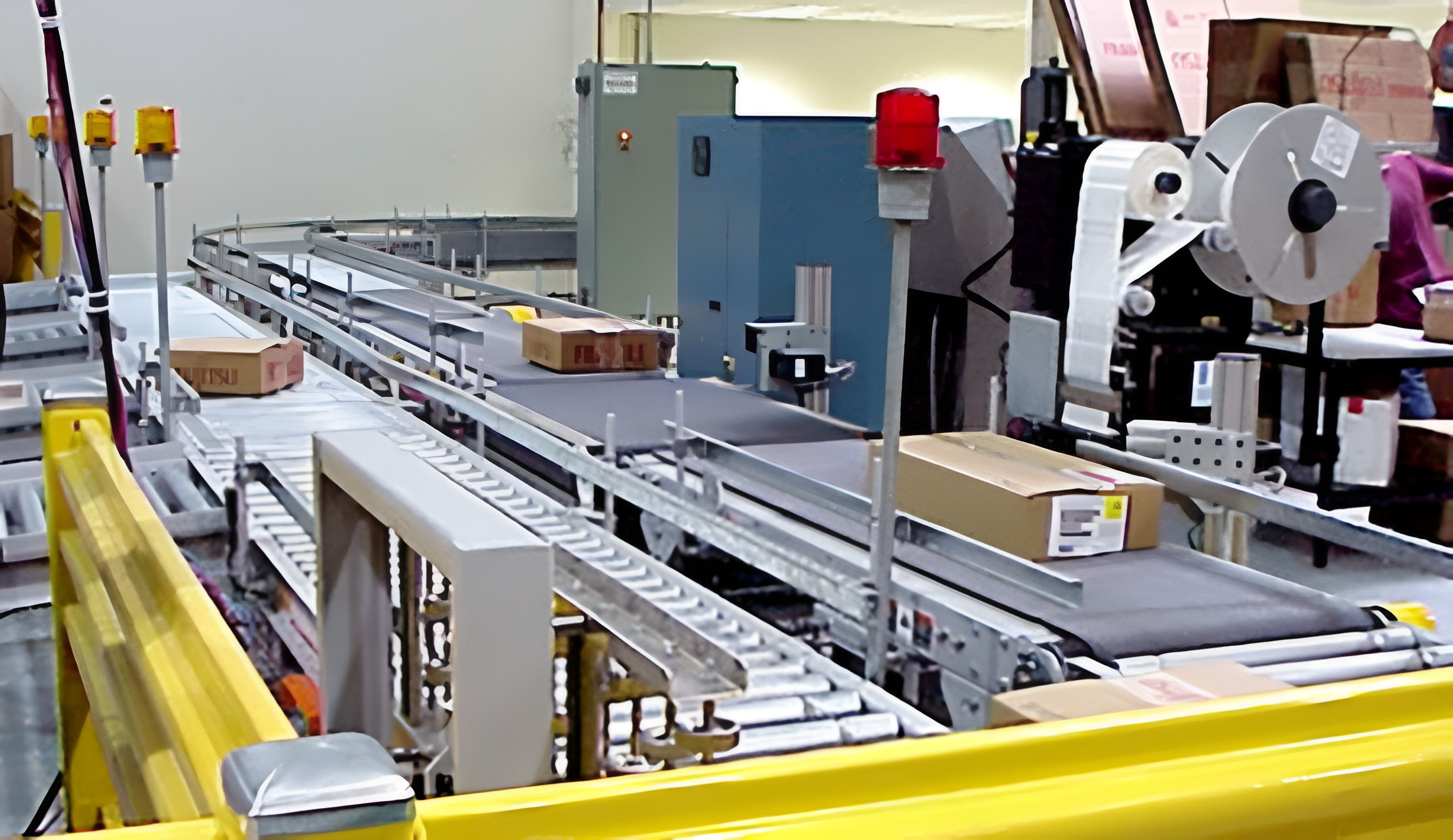
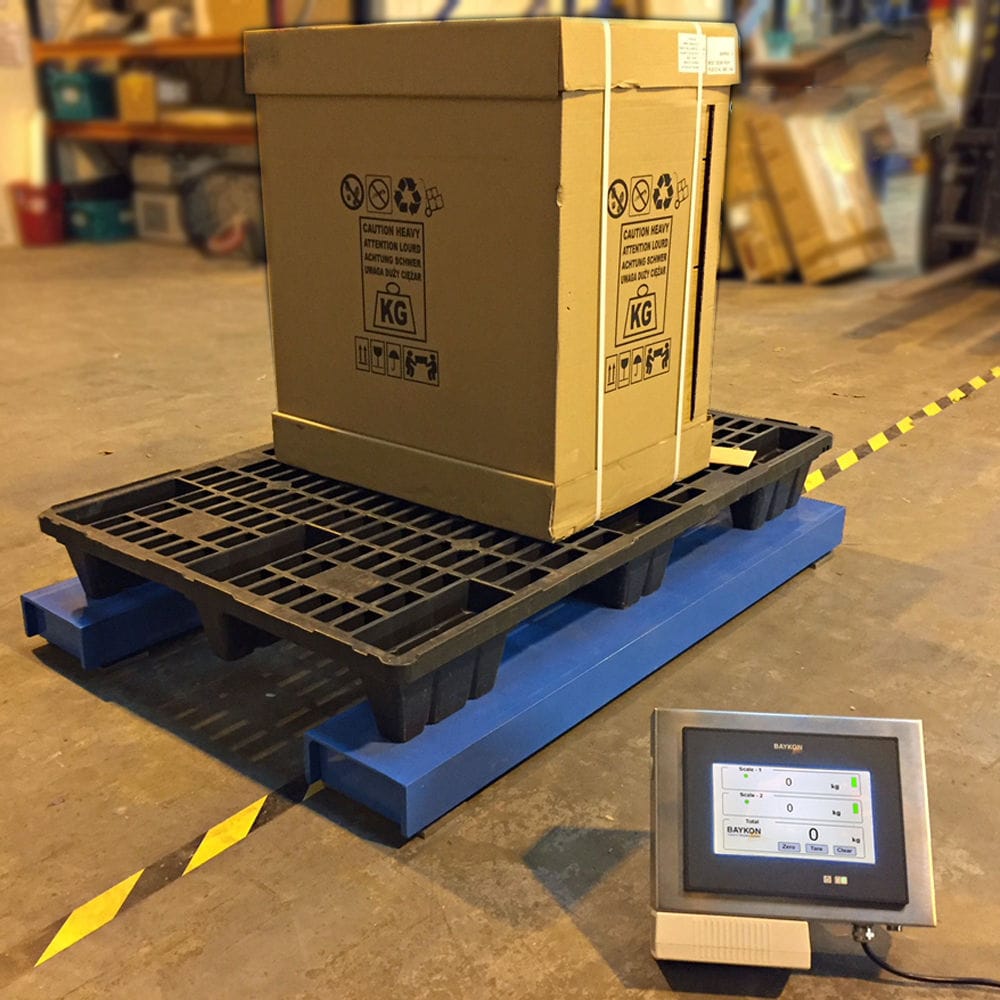


Weighing Copper foil mixing system controls the discharge motor according to the weight of the material in the weighing tank to achieve the purpose of quantitative feeding. When the material in the weighing tank reaches the lower limit of weighing, the discharge motor will fix the discharge amount according to the current speed, and control the material in the silo to quickly drop into the weighing tank. When the material is loaded to the upper limit of weighing, the loading will stop. Improve the accuracy and control precision of weighing.

 020-34563445
Copper grains, electrolytic copper and bare copper wires are all raw materials for the preparation of electrolyte. In addition, as raw materials for the preparation of electrolyte, their purity must comply with the requirements of the No. 1 notice of the national standard GB4667-1997 "Copper for Electrolytic Cathode". That is to say, as raw materials for the weighing of electrolyte, the copper purity of these raw materials must reach over 90%. Only in this way can the quality requirements of copper foil products be met. In addition, sulfuric acid is also an indispensable material in the process of electrolyte preparation. The purity and quality of raw materials largely affect the manufacturing quality of copper foil. Therefore, it is required that relevant staff conduct purity detection and analysis on these raw materials to ensure that the raw materials used in the preparation of electrolytic copper foil meet national standards.
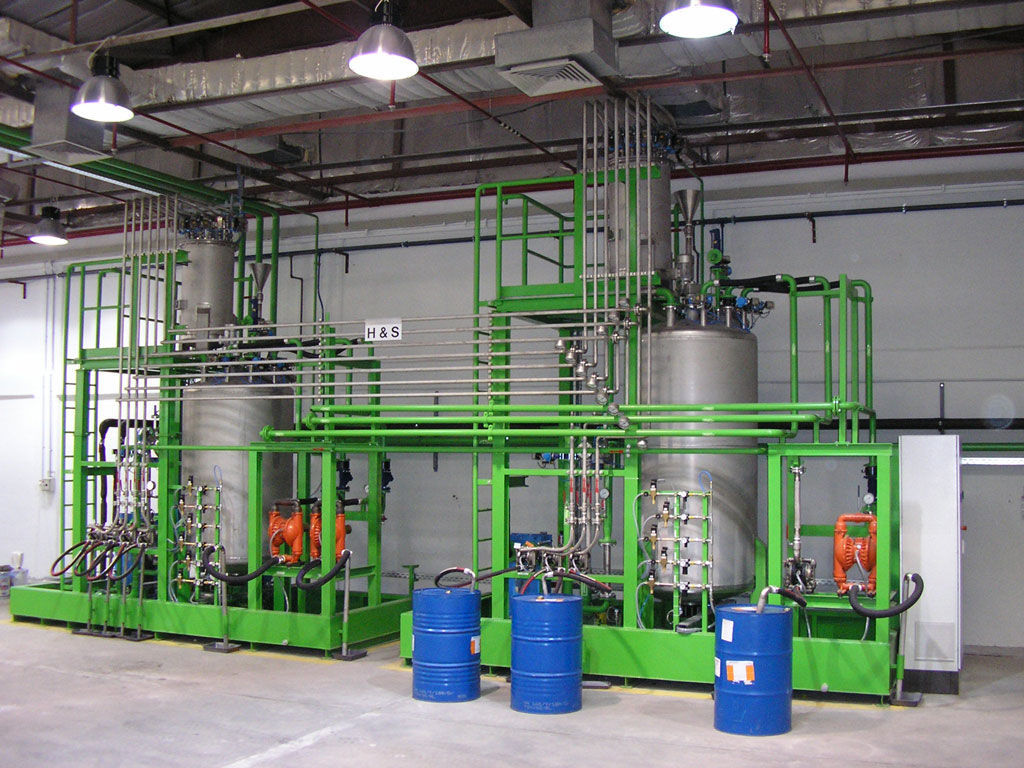
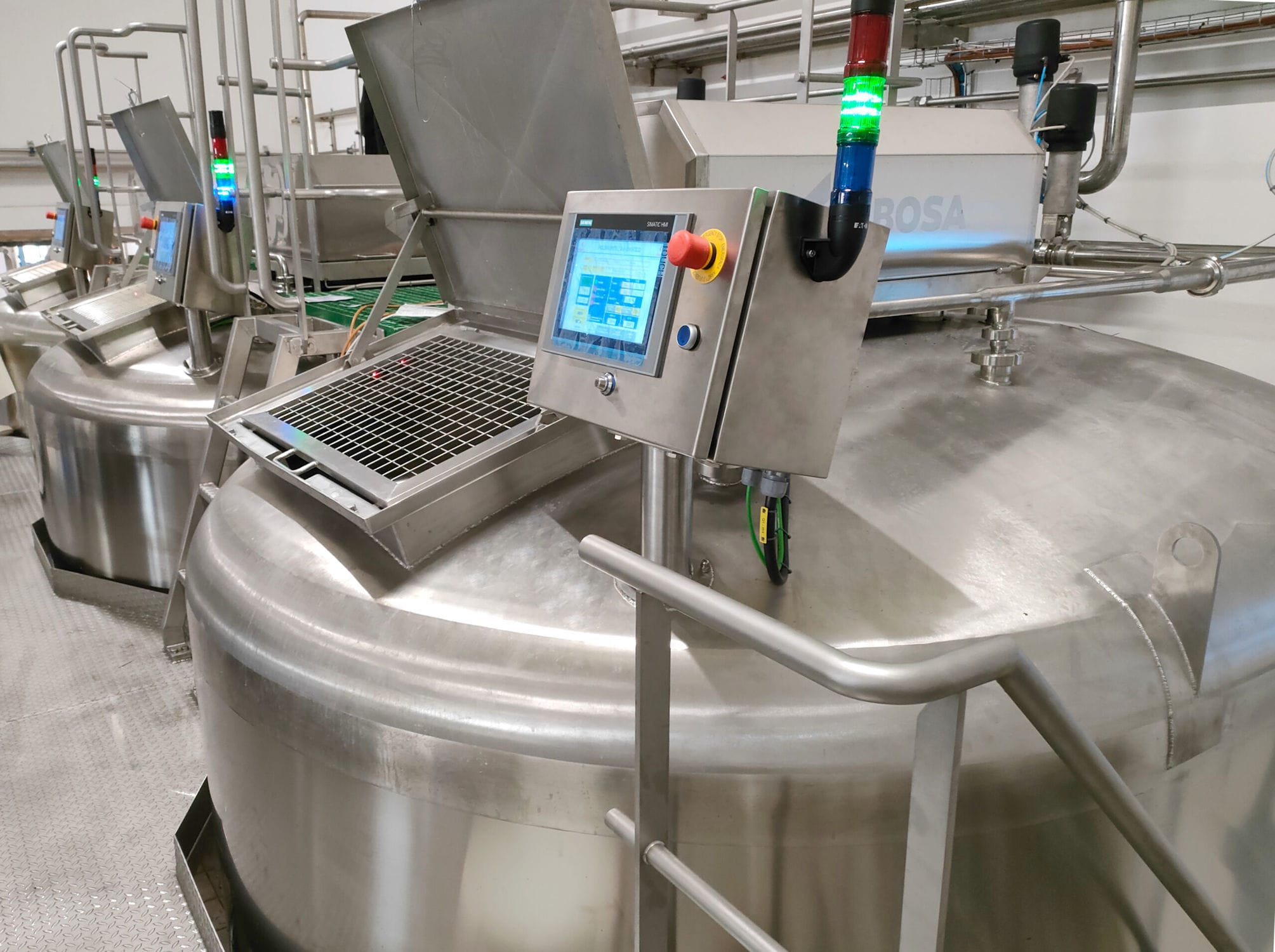
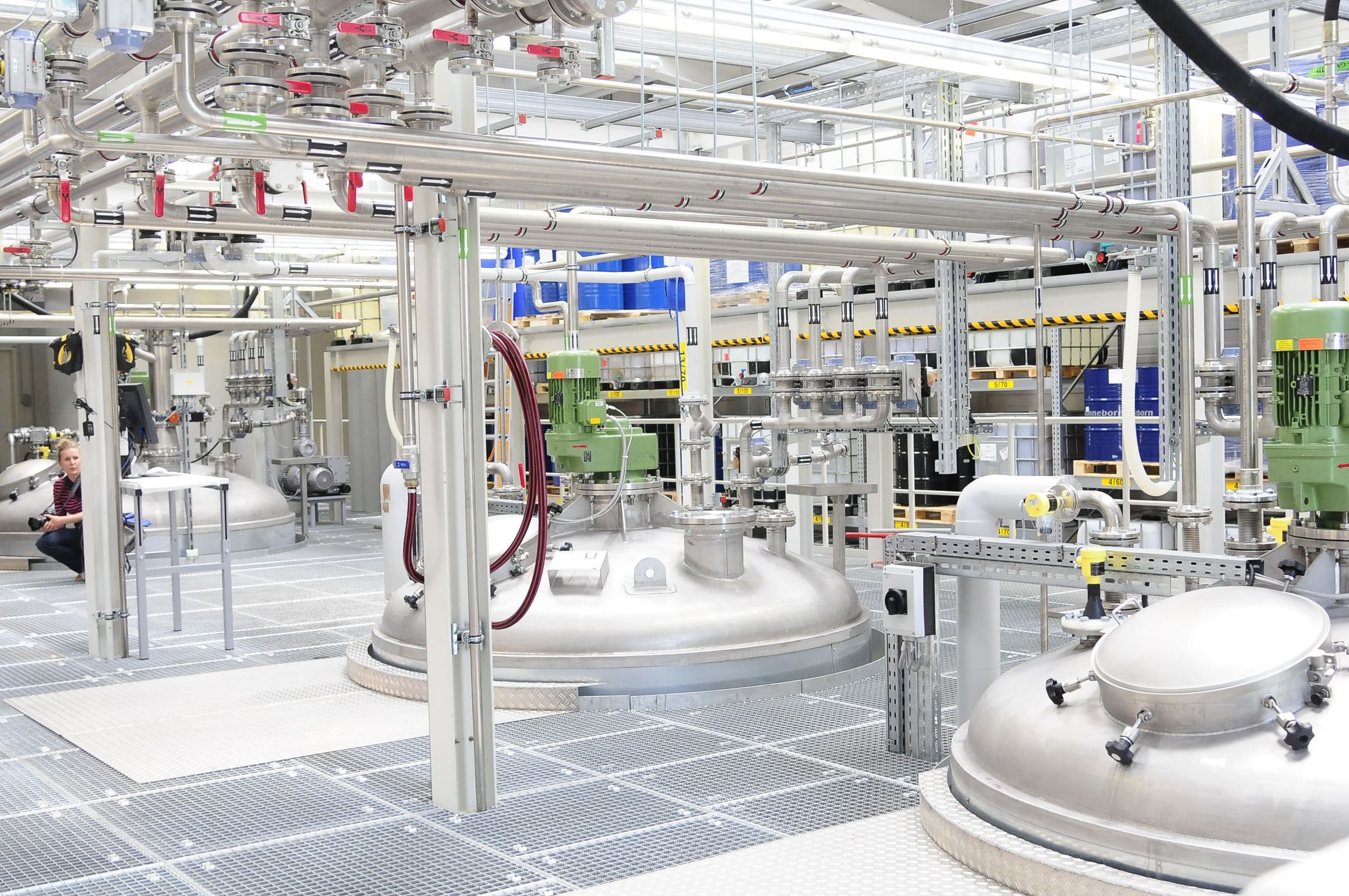
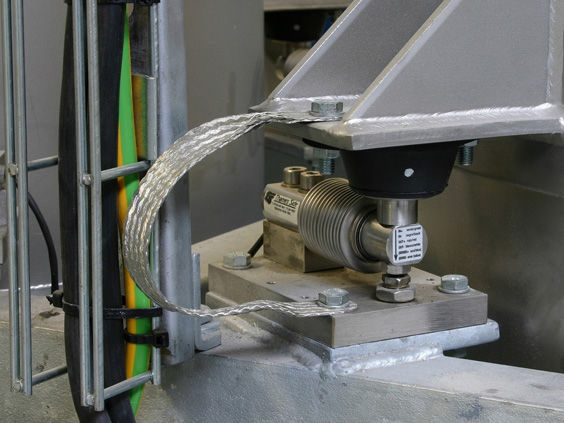
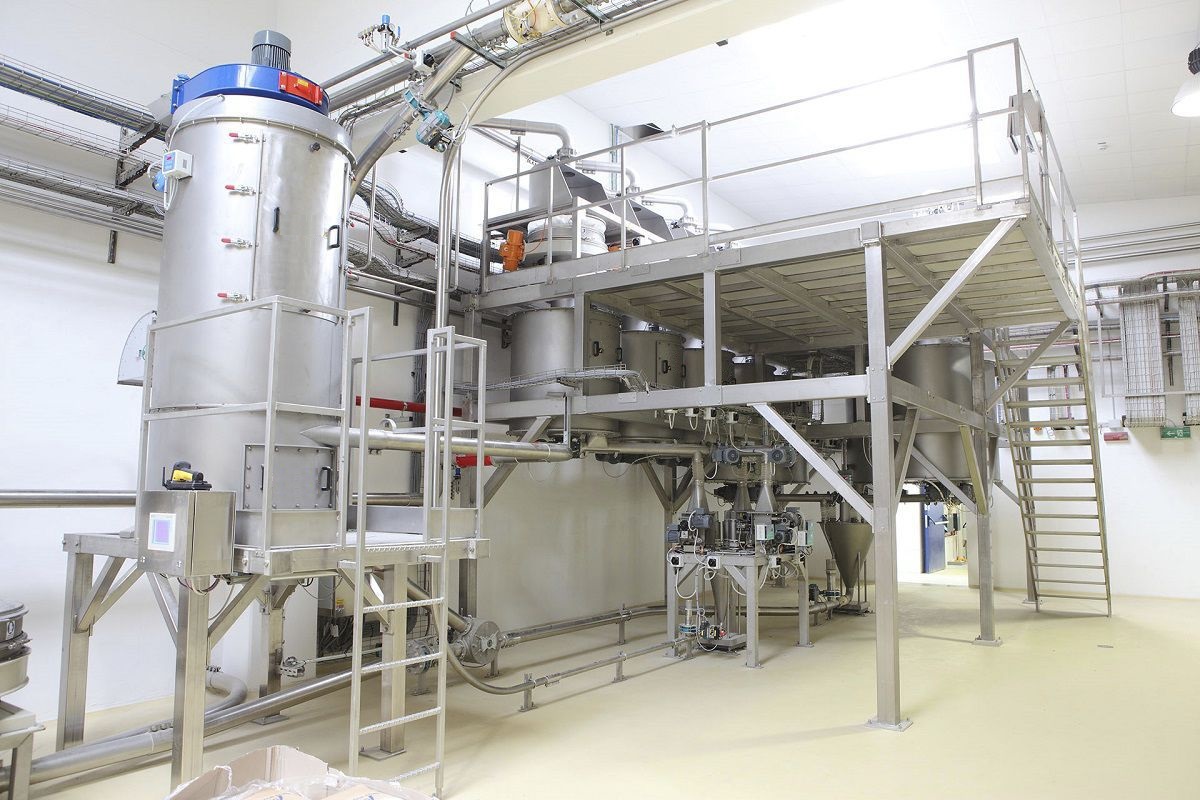
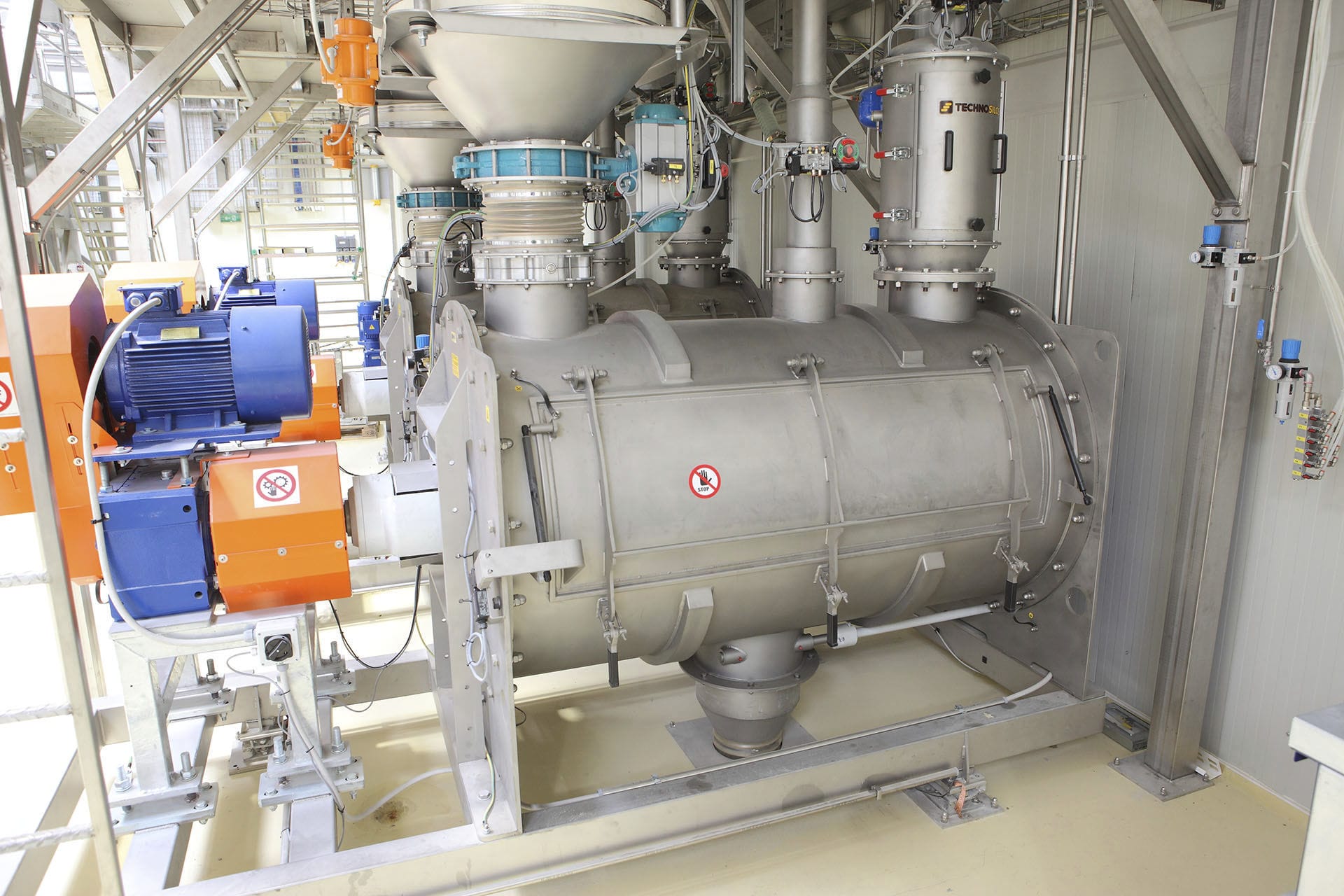
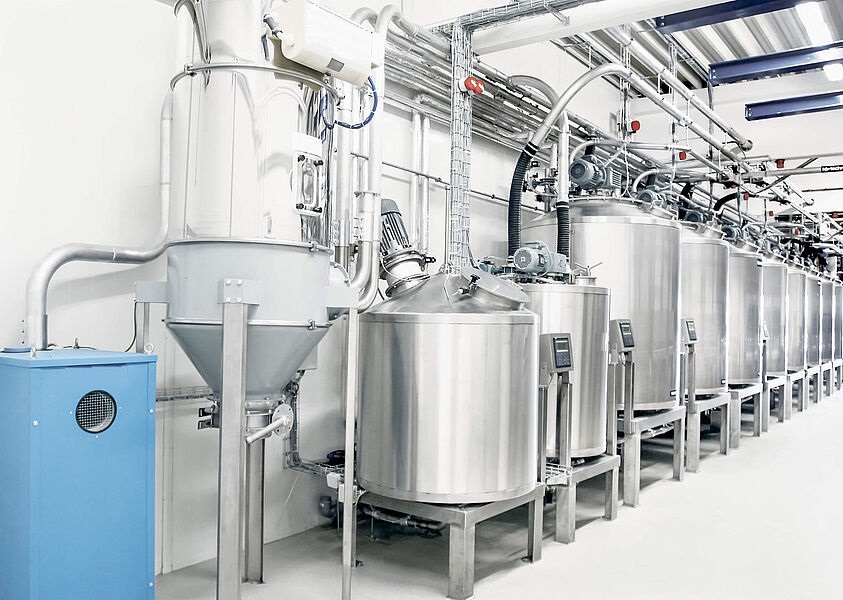
The weighing copper foil mixing system consists of a copper foil making machine, a high-level tank, a raw liquid storage tank, a copper dissolving tank, a weighing control system and a heat exchanger. Raw materials, sulfuric acid, water and compressed air are quantitatively controlled by the weighing module and sent into the copper dissolving tank in a certain proportion. It can also be controlled by the automatic control system. The weighing module is installed at the outriggers or lugs. To reduce weighing errors, the weighing liquid is generally delivered to the copper dissolving tank through a flexible connection to minimize the impact force. When weighing and adding materials to the copper dissolving tank, vibration should be avoided and stirring is not allowed; otherwise, the weighing will be inaccurate. The weighing copper dissolving tank can also be equipped with a liquid level device or a flow device as needed for dual measurement, which is more accurate. The selection of the range of the load cell is based on the mass of the copper dissolving tank plus the total mass of the materials filled in the tank. The weighing module is controlled by the LCD touch screen and PLC controller on the electrical control box, which can output the instantaneous weight and cumulative weight, and can be reset to zero. Under the combined action of the high-level tank and the foil-making machine, the combined substances are sent into the raw liquid storage tank. After being filtered by activated carbon, an electrolyte with relatively high purity can be obtained. In addition, the compounds need to be heated and further mechanically filtered until the purity of the electrolyte reaches the chemical purity grade standard stipulated by the state. In the process flow of the second type of electrolyte metering, copper foil machines, high-level tanks, raw liquid storage tanks, copper dissolving tanks and heat exchangers are also required. However, there are obvious differences in the steps. Firstly, raw materials, water, compressed air and sulfuric acid are added to the copper dissolving tank and directly subjected to mechanical filtration before being sent into the electrolyte tank. Different from the first process, the weighing process of the electrolyte is basically completed after the electrolyte tank is filled. After heating in the high-level tank and filtration by activated carbon, the raw materials can be circulated and filtered. Continuously improve the purity of the electrolyte until it meets the manufacturing requirements of the electrolytic copper foil electrolyte.
Since the production mechanisms of various copper foils are the same, they all require copper material solutions, solid particles, and temperature adjustments before an electrolyte that meets quality standards can be formed. The electrolyte Weighing system is to put the pre-treated copper material into the copper dissolving tank and add compressed air to the copper tank. Under continuous heating, the copper material will undergo an oxidation reaction and generate copper sulfate solution.
The copper sulfate solution is mixed with the copper-poor electrolyte. After a certain period of temperature adjustment and mechanical filtration, the compound is sent to the high-level tank. In fact, the electrolyte is recycled during the production process. On the one hand, this is to enhance the purity of the electrolyte itself. Through continuous filtration and constant composition adjustment, it meets the requirements for the subsequent production of copper foil products. On the other hand, recycling can fully utilize the adsorption function of activated carbon to remove organic matter from the electrolyte and bring the electrolyte to the technical indicators in terms of temperature and concentration.
The auxiliary conditions for electrolyte preparation refer to the supporting conditions required for electrolyte preparation, including compressed air supply, steam supply, and sulfuric acid supply, etc. Sulfuric acid is a consumable material in the production process of electrolytic copper foil electrolyte. Therefore, it is necessary to appropriately increase the amount of sulfuric acid solution in the recycling treatment of the electrolyte. As the quality of sulfuric acid can have a significant impact on the appearance quality of copper foil products, relevant staff need to prepare chemically pure grade sulfuric acid solution (purity ≥95% or above). It is particularly important to note that sulfuric acid is highly corrosive. The containers for holding sulfuric acid are best made of acid-resistant plastic or 316L stainless steel welded containers to prevent sulfuric acid leakage.