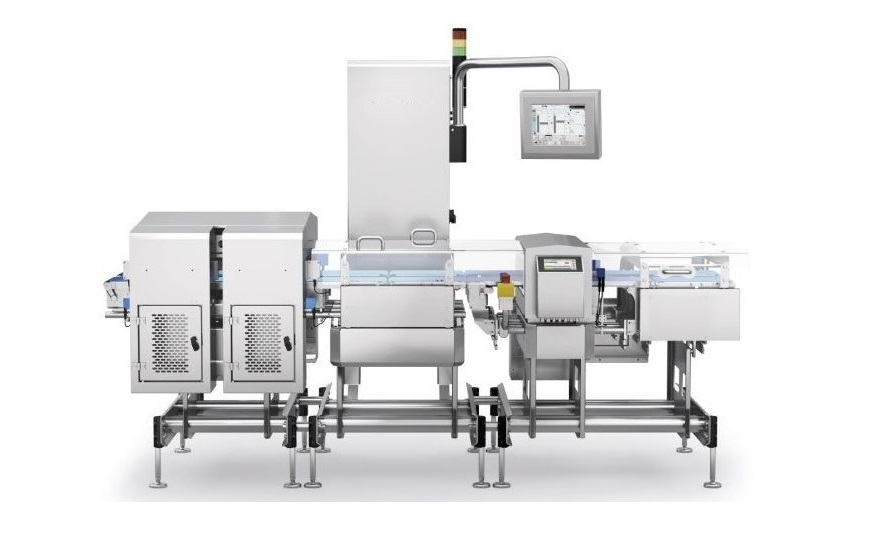







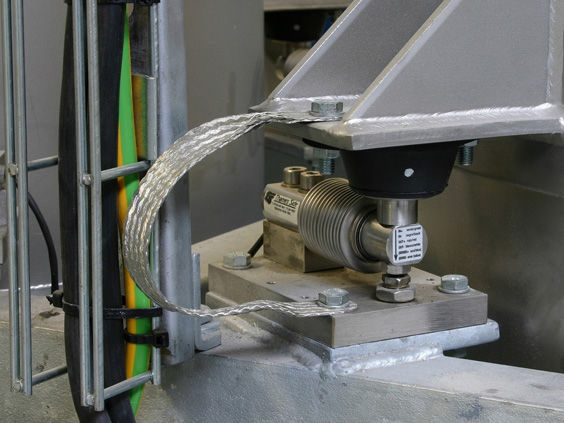
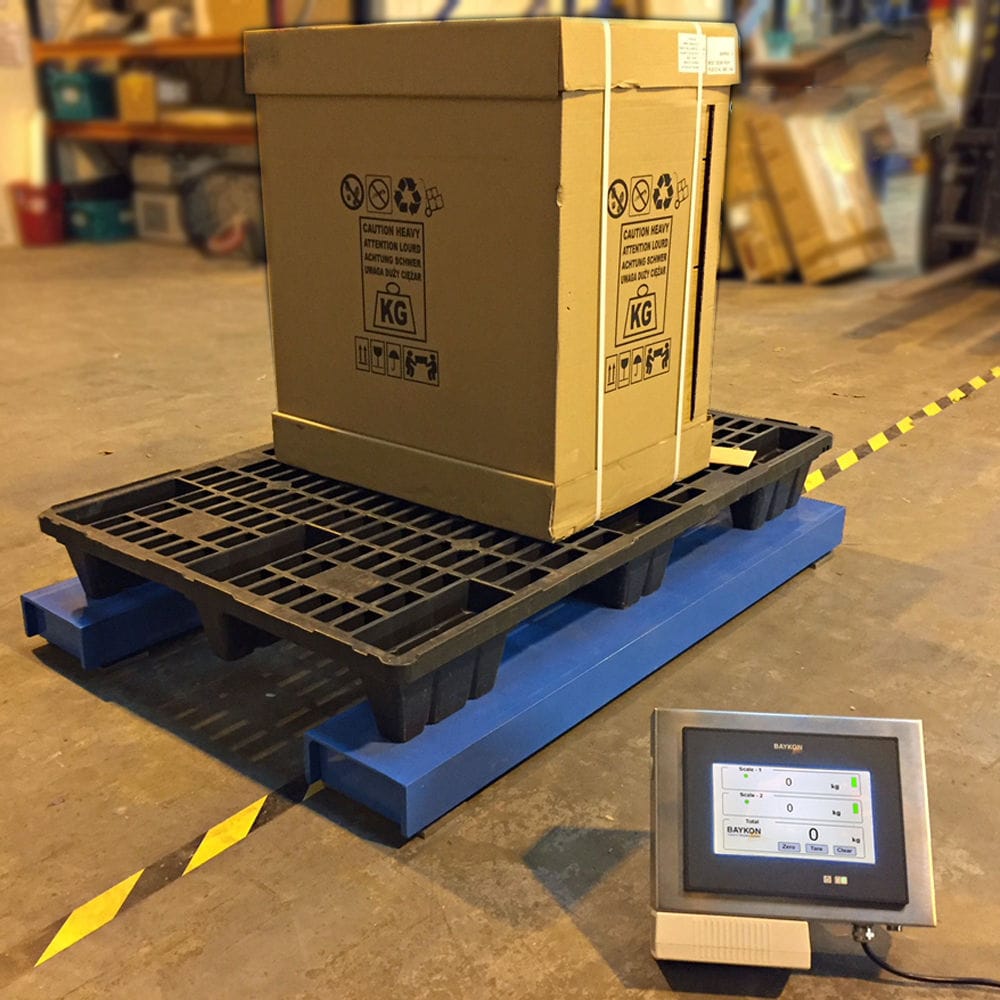


Weighing Automatic Sorting Machines measure the weight of an item by means of a load cell and count the number of items based on a set weight of individual items. The load cell measures the weight of the item. When the item is placed on the scale, the load cell is subjected to the gravity of the item and produces a small deformation. This deformation is converted into an electrical signal by the load cell, which is amplified and filtered to obtain the weight of the item.

 020-34563445
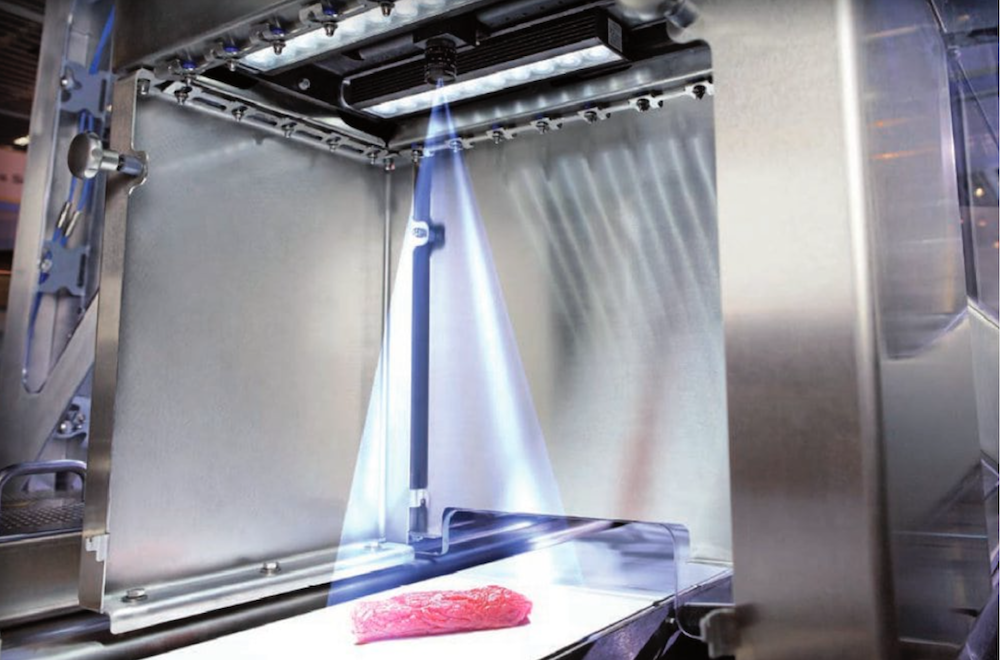
The weighing automatic Sorting machine adopts the world's advanced digital weighing unit. It uses the beam-blocking type for dual-unit simultaneous shading sorting. One light emitter and one receiver form one unit. The distance between the two units is determined by the grading size, and gradually decreases along the direction of the conveyor belt. As the product moves forward on the conveyor belt, when it passes through the grading area, if the product size is larger than the spacing, both light beams are simultaneously blocked. Through the photoelectric element and the control system, the push plate or nozzle works to push the product out of the conveyor belt horizontally, as the product of this spacing value. The number of the two units is the number of the grading specifications for the products. When the sorted products pass through the weighing belt machine scale platform, the weighing module on the scale platform will dynamically detect the weight of the product and transmit the weight to the control system of the weighing belt machine. The system determines the weight range of the product and transmits the data to the sorting mechanism, which then performs the corresponding sorting.
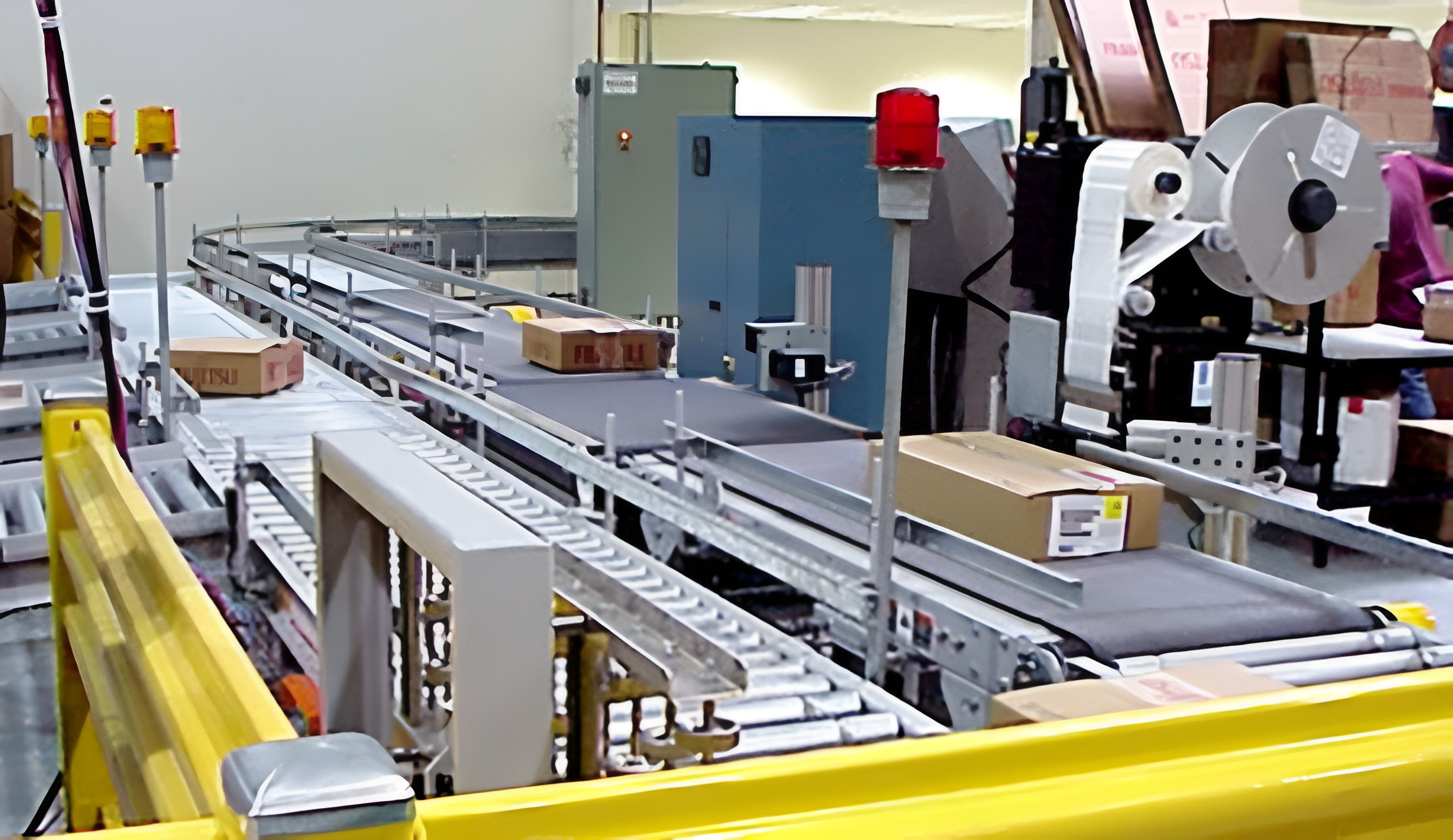
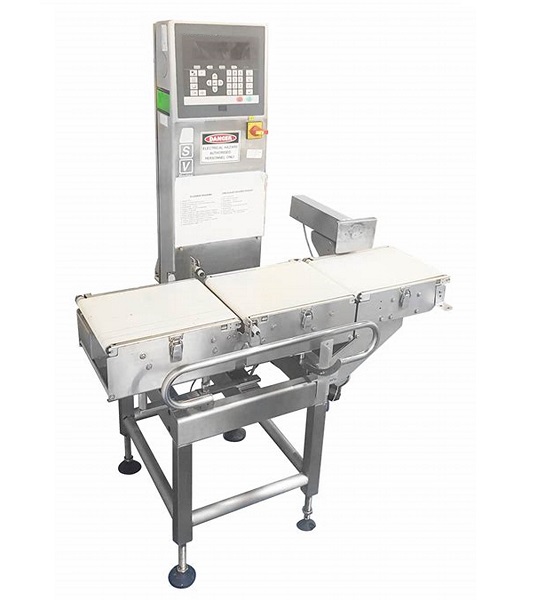
The weighing sorting machine uses the weighing belt machine as the carrier for transportation and weighing. The left side has a driven wheel with an encoder installed, and the right side has a driven wheel driven by a motor reducer. The sidebars on both sides of the belt are installed to prevent the measured products from falling. The driven wheel is the feeding end. Products are placed at a certain distance from each other and enter the feeding end one by one. At the bottom of the belt at a certain distance from the driven wheel, there is a weighing module. The distance from a certain distance is to eliminate the impact of the products on the weighing caused by the feeding process. A certain distance after the weighing module, on the sidebars on one or both sides of the belt, several sorting ports are set at intervals, and each sorting port can be preset to receive the weight range of the product. Products within this weight range will be received by the corresponding sorting device. The number of sorting ports determines the number of product grading. The grading number is equal to the number of sorting ports plus one. The products can be discharged from the tail end of the conveyor belt without passing through any sorting ports. At each sorting port, a sorting guide plate is installed. The sorting guide plate is controlled by an air cylinder to rotate at a certain angle. The air cylinder's intake pipe is equipped with a pressure regulating valve and a throttle valve to adjust the opening and closing force and speed of the sorting guide plate, avoiding damaging the products while maintaining a certain movement speed. When the sorting guide plate is opened, it will block and receive the products on the conveyor belt. When it is closed, it will directly send the products to the discharge collection bin of the sorting port and close the sorting port to retract the sorting guide plate. When the products pass through the weighing module one by one, the weighing module will capture the weight signal of the product and its entire change process and send it to the PLC on-site controller. The PLC records and calculates the weight and position information of the product to determine which sorting port each product should be sent to. When the product reaches the corresponding sorting port, the sorting guide plate will open in advance to receive the product, enter the corresponding sorting port position, and then close the sorting port and retract the sorting guide plate. Since each product is precisely measured and weighed, each sorting port receives the products according to the set and measured weight range of the products, thus quickly achieving accurate weight-based sorting of the products.
The automatic sorting machine control system uses the interrupt program to control the process of the goods being placed and gradually approaching and then moving away from the weighing module, causing changes in the weighing signal. It uses a time interrupt (control weight interrupt) to approximately control the changes in the weighing signal according to the sine function rule.
During the actual weighing process, the goods are placed at the feeding port of the weighing belt, and gradually approach and reach the top of the weighing module through the belt transmission, then move away from the sensor. It is approximately considered that the sensor receives a sine wave composed of an ascending segment and a descending segment, with the minimum value of the function being 0 and the maximum value being the weight value of the goods. The process of the goods passing through the sensor is controlled by the sine wave.
Another time interrupt (sampling interrupt subroutine) continuously extracts the register value of the control weight signal and records the maximum value of the sampling process; During this interruption, a register for controlling the belt encoder is set up, which increments a value by itself. This displacement register will continuously increase to control the belt's displacement and record the position value of the goods. When the measured weight value keeps increasing, the maximum weight value and the corresponding belt movement position value are constantly updated. When the values in the register for multiple consecutive sampling periods are less than the maximum value (entering the decay period), it is determined that this maximum value is the weight of the measured goods. A classification number is calculated based on the required classification rules for the goods grade and recorded in the type circular queue. The program determines which sorting port's driving mechanism activation action to trigger according to the classification number. The program will record the position value corresponding to the maximum weighing value when it is obtained into the position circular queue. Based on the classification number and position value, the opening time of the corresponding sorting port is determined. When the decay period is greater than a certain value and the measured weight value increases again, the maximum value is reset. This indicates that the weighing measurement of one piece of goods has ended and the measurement of the next piece of goods is initiated.