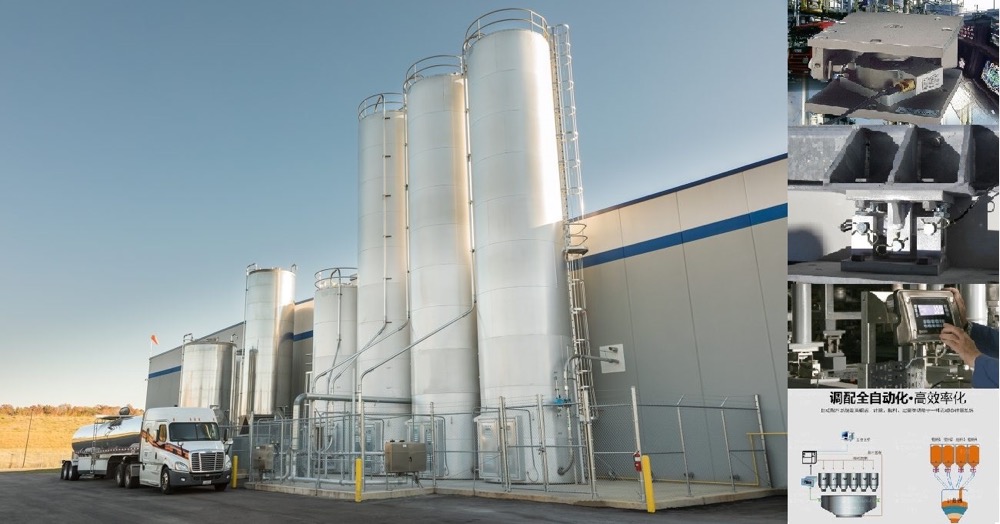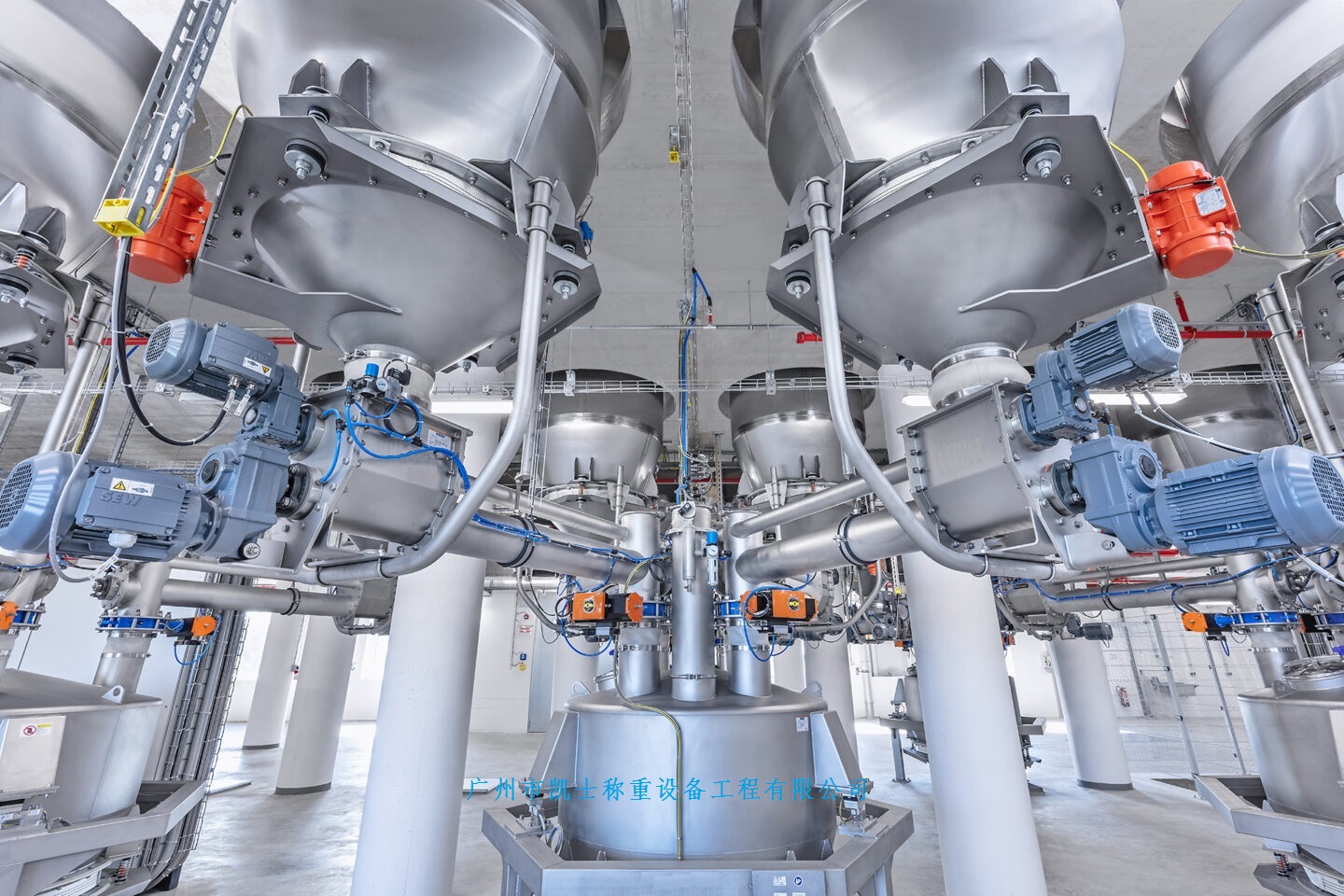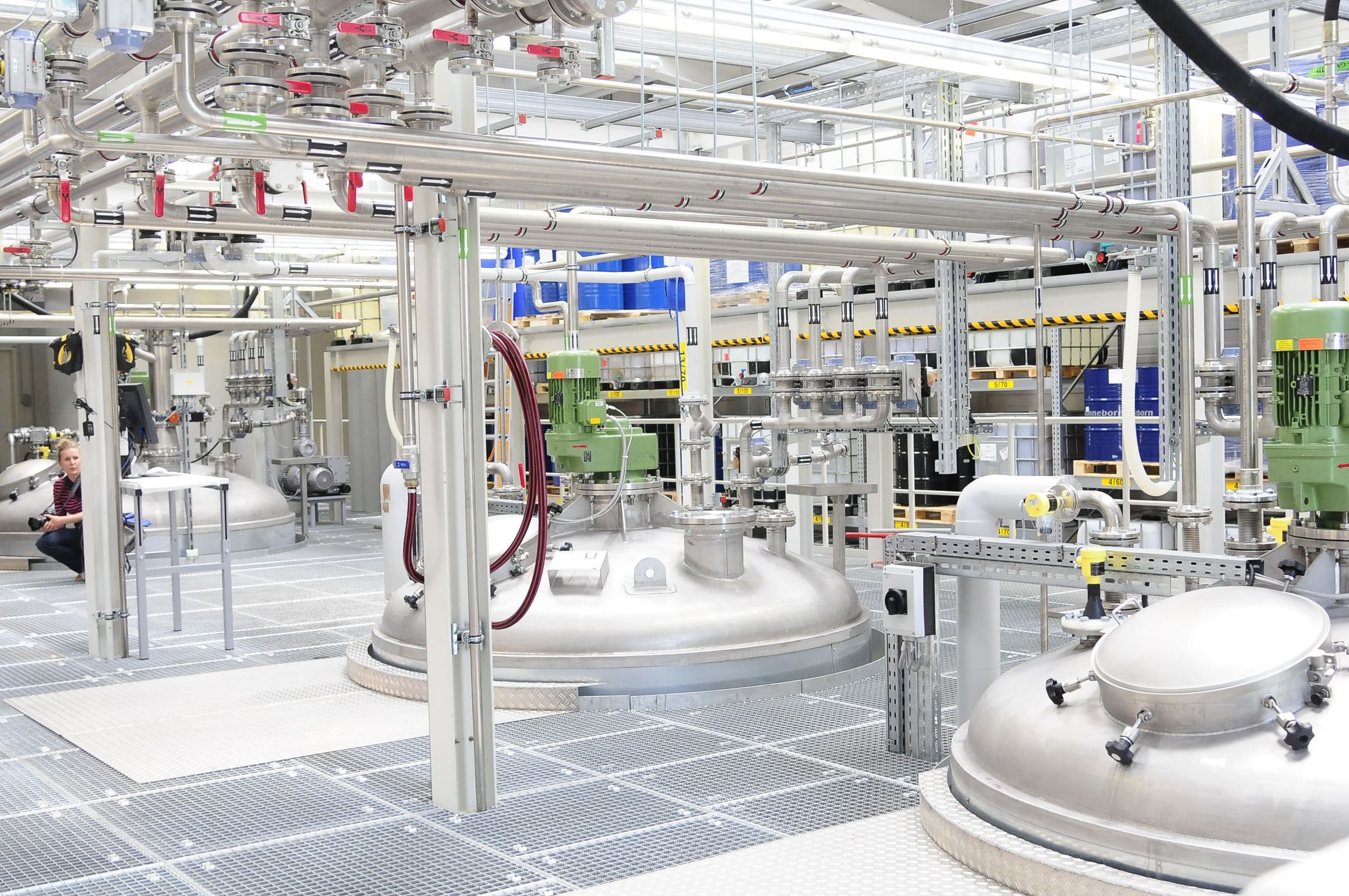


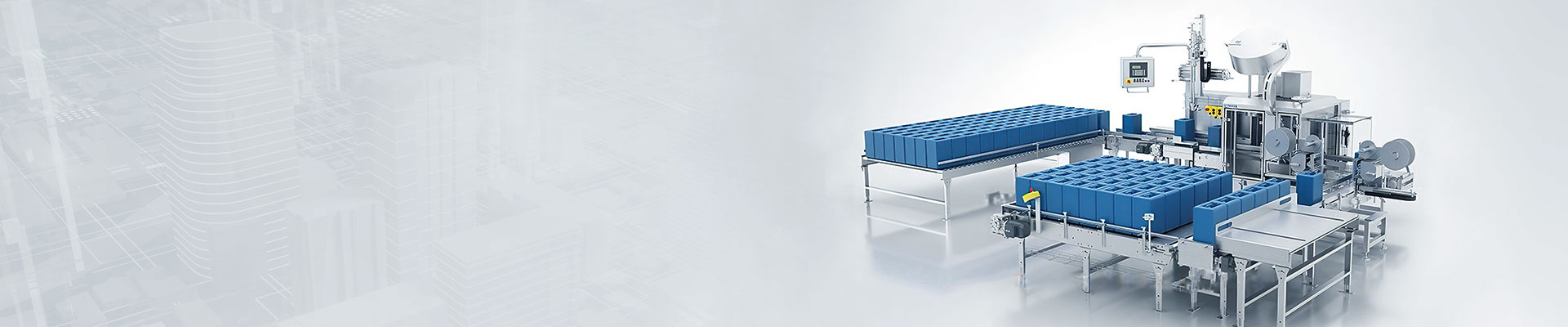



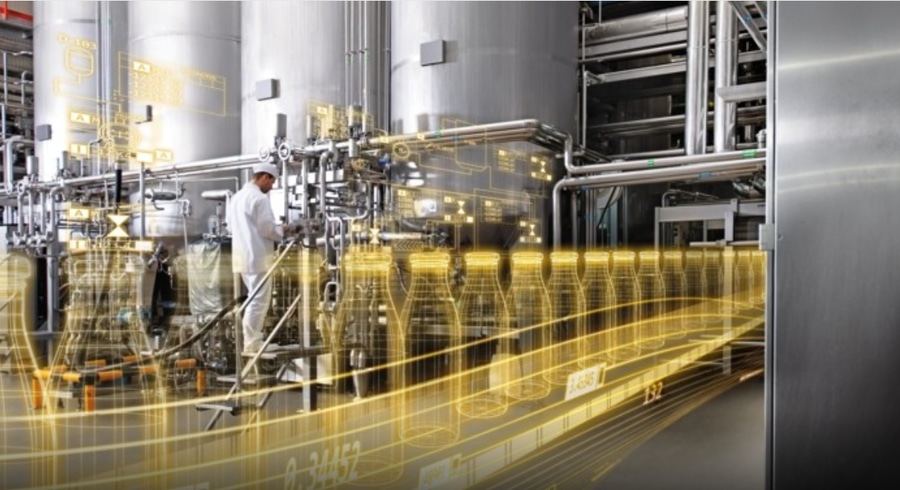
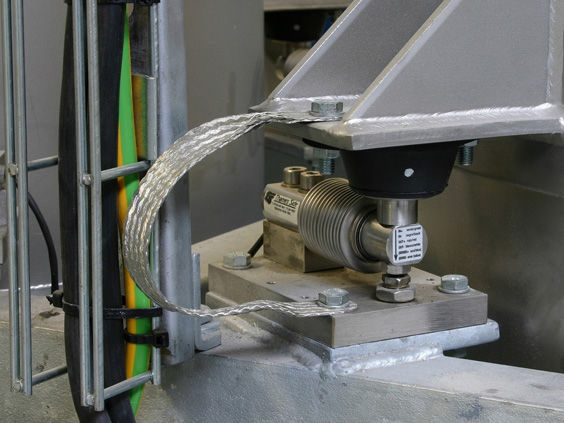
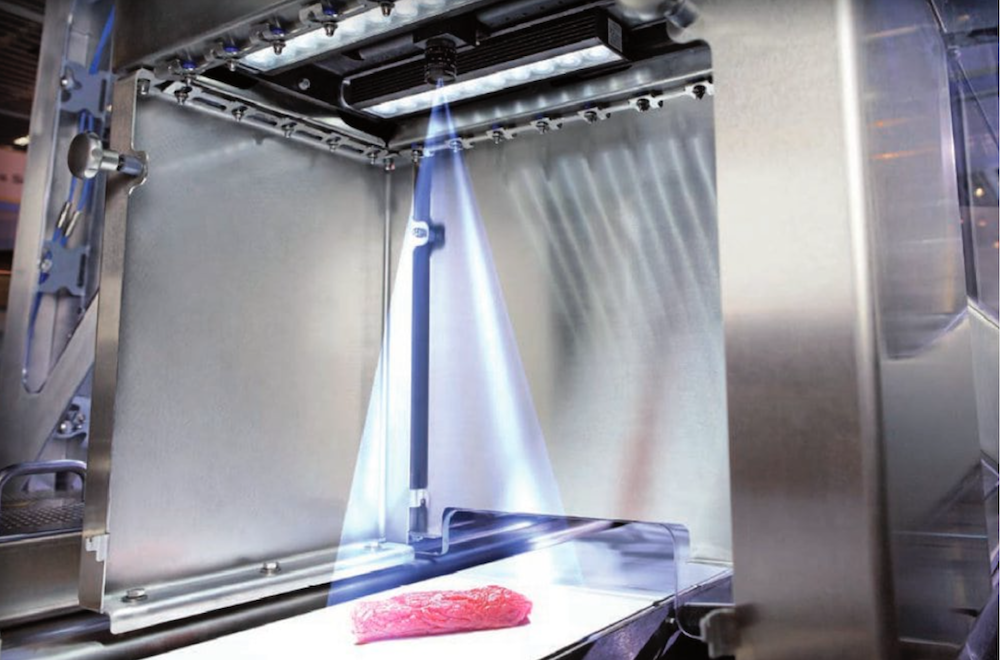
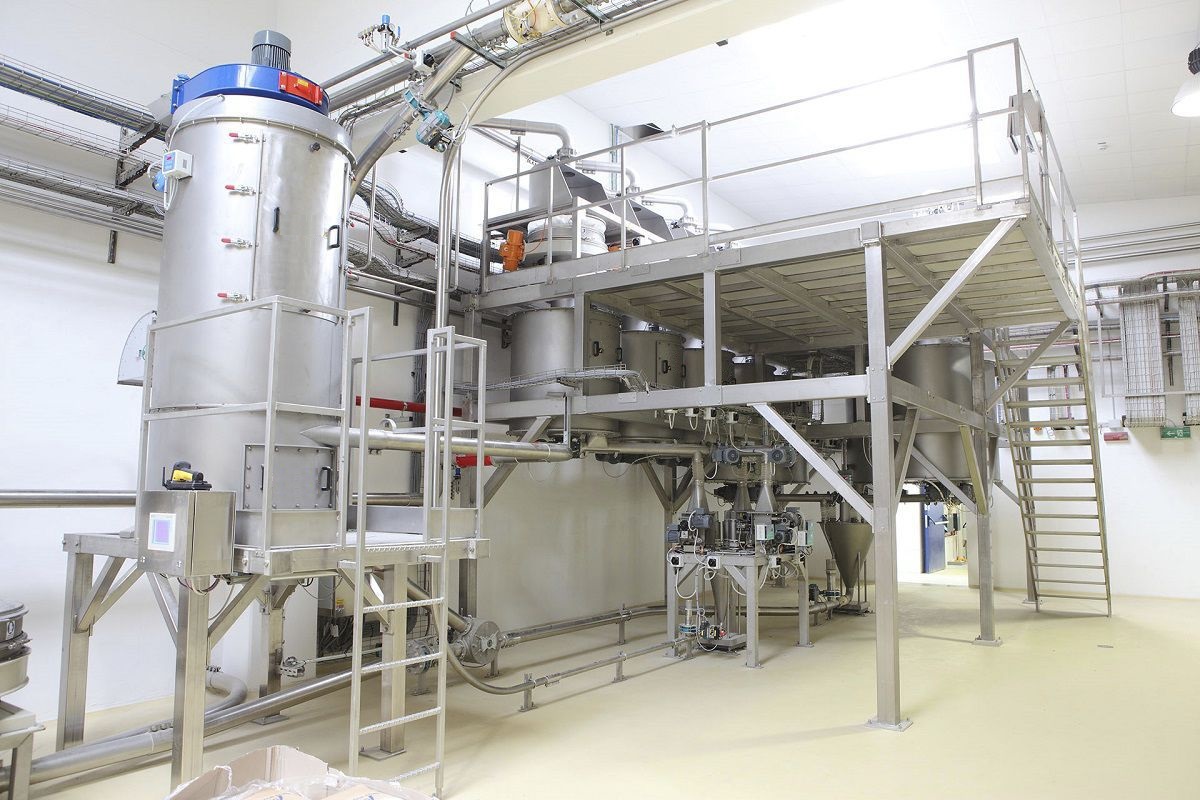
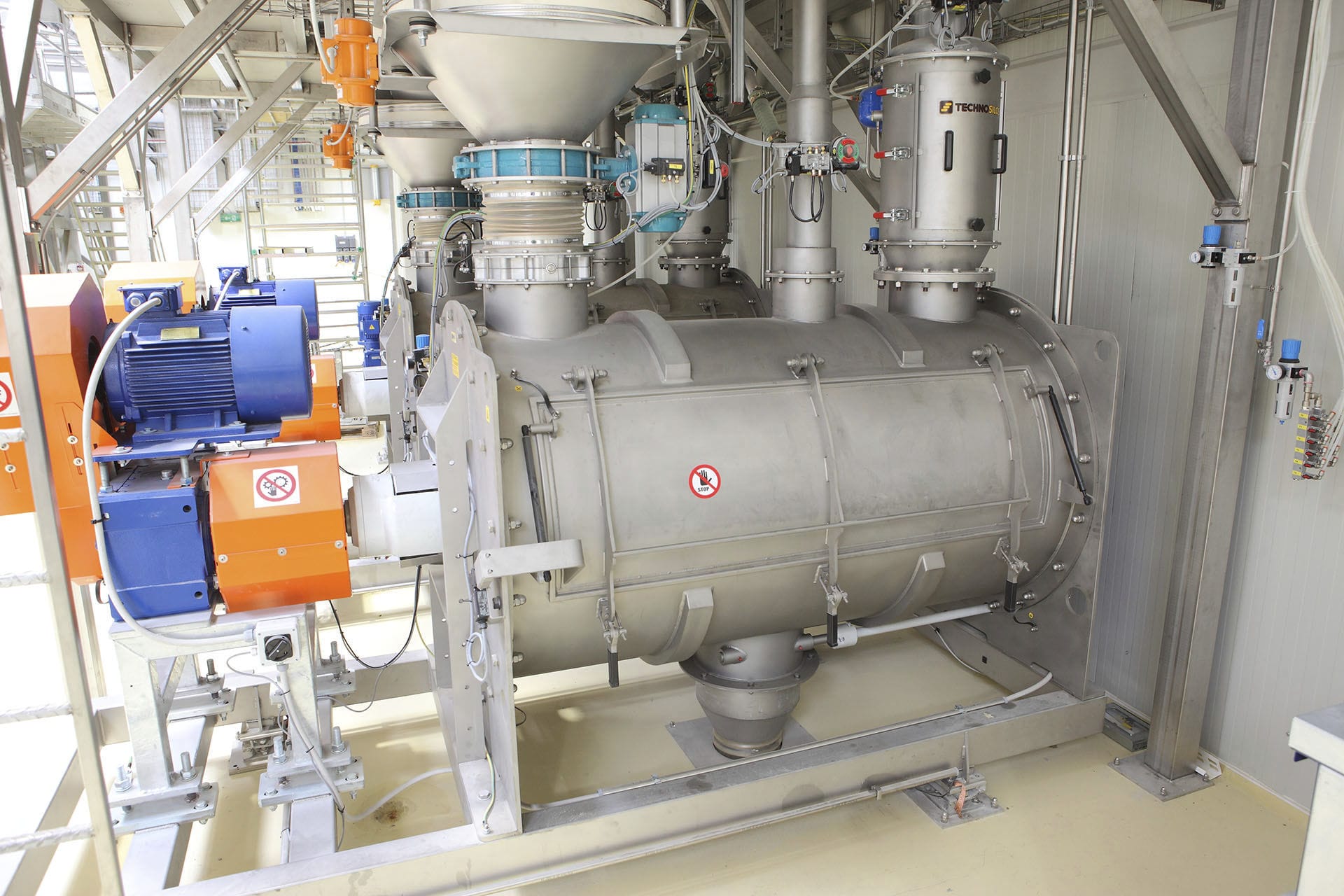
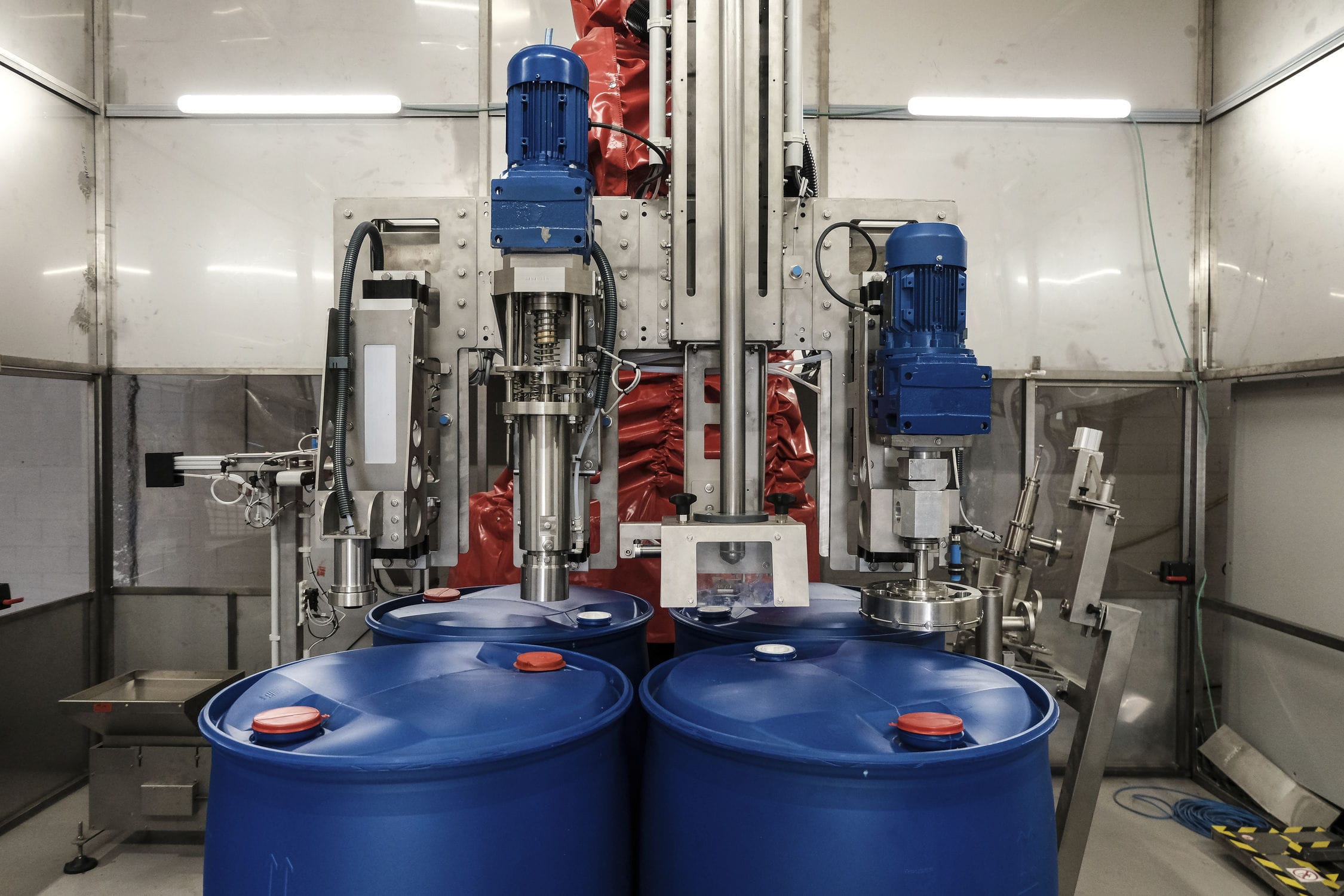
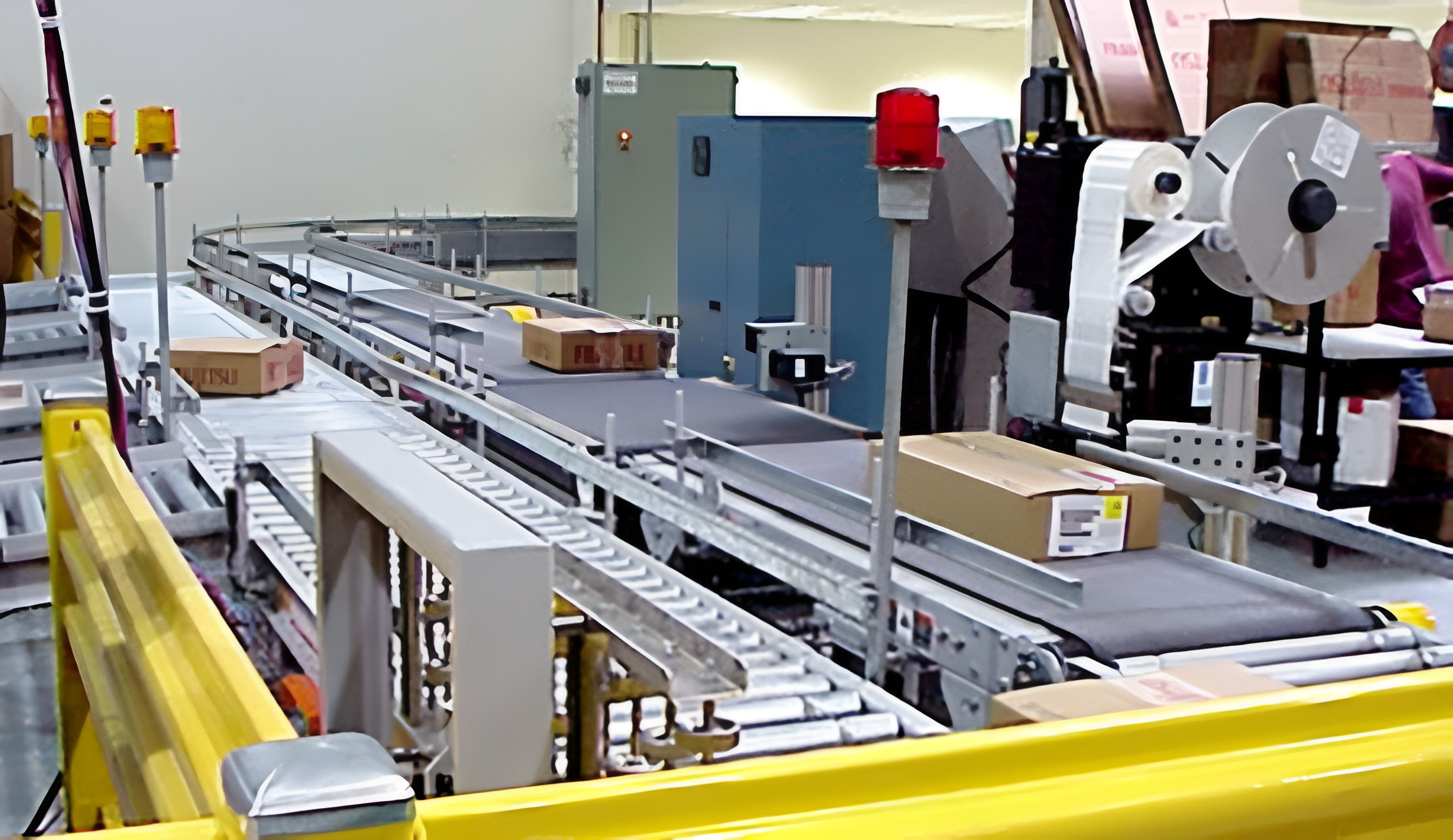
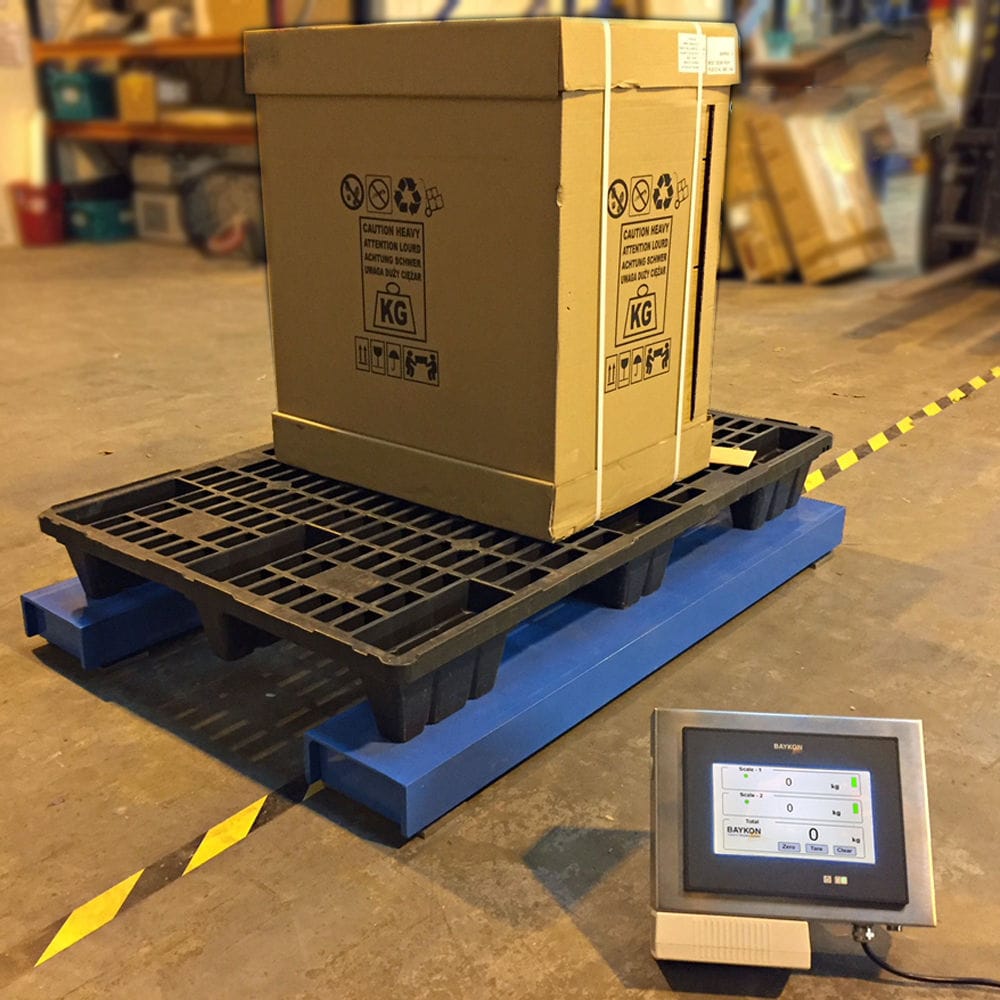


The automatic batching system of the hopper is designed based on the multi-station control requirements, selecting the core of the system control circuit, the weighing sensor, the proportional valve, and the peripheral circuits. The weighing system mainly consists of the weighing module, the material tank, the pneumatic conveyor, and the gas pressure control proportional valve with feedback function. To enhance the stability and reliability of the system, by comparing the input signal and the output signal (pressure) difference, the supply pressure is continuously adjusted under the action of the internal control loop, so that the output pressure is basically equal to the set value. And it is transmitted to the PLC through the Modbus protocol.

 020-34563445
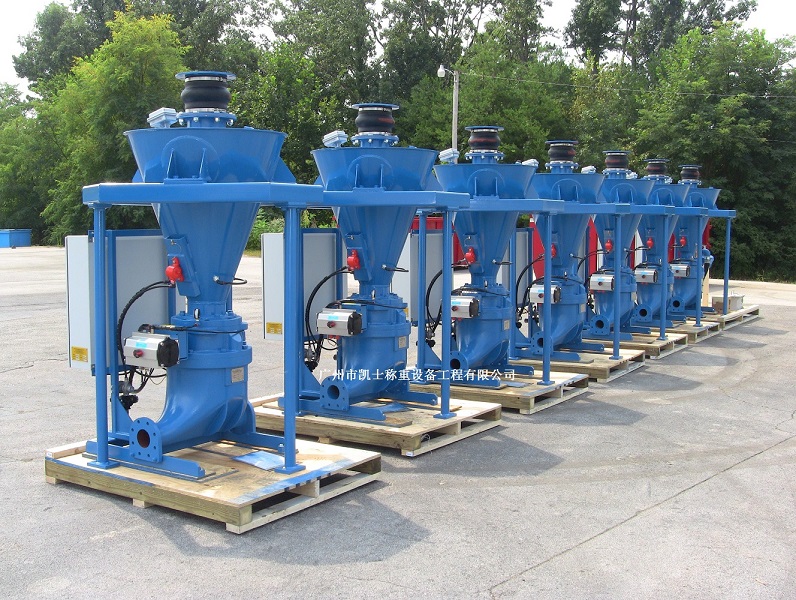
The automatic Batching system for hoppers adheres to the design concept of "first concentrating, then conveying", and "frequent loading and frequent conveying". It consists of a rotary Feeder, a feeding hopper, an adding machine, an Electronic scale, etc. This system can complete powder conveying and quantitative measurement. The vacuum adding machine sucks the powder in the feeding hopper into the rotary feeder for conveying. The conveyed material directly flows into the hopper of the hopper machine. When the weighing value of the electronic scale reaches the preset weight, the material flow of the rotary feeder is cut off and the rotary feeder stops working. Then, the hopper machine hopper is replaced and the above process is repeated. According to the pulse signal fed back by the flow measurement module system to the PLC, when the cumulative flow reaches the set value (quantitative value), the PLC will cut off the power supply of the pump and the electromagnetic valve to achieve the start and stop control of the pump and the valve. It realizes automatic and manual control of the feeding process and can correct the operational errors on-site. This traditional process is prone to cause dust flying. When this system is applied, soft connection technology can be adopted at the inlet and outlet of the rotary feeder, which can effectively prevent dust flying and achieve the purpose of closed production process.
To facilitate the transportation and control of the materials, most materials are in a solid powder form and are transported by a pneumatic conveying process using a pneumatic conveying device composed of a rotary feeder. The basic material tank is transported to two solid-phase polymerization 2 purpose material tanks. The conveying technology adopts the flow form of fluidized continuous conveying, and the air control combination with a Rauch throttling pneumatic valve controls the flow rate of the conveying gas to meet the requirements of different conveying distances. According to the actual demand for conveying gas volume, two air control units are designed, and the Rauch throttling pneumatic valve controls the airflow one-to-one. The throttling control high-speed gas flow descends from sonic speed to kinetic energy, achieving the most equal driving force to move the materials with the minimum resistance loss. The material is fed by the rotary feeder, and it is fully mixed with the conveying gas to reach the design concentration of pneumatic conveying. To ensure the smoothness of the conveying pipeline, automatic anti-blocking and blocking devices are set in the conveying pipeline, which function to prevent the material speed and gas speed from decreasing when the pressure drops, avoid the pipeline being blocked by materials or be able to empty the pipeline and resume the conveying after a fault occurs, maintaining the normal operation of the conveying.
After the Weighing system is powered on, the HMI touch screen enters the login password input interface. After the correct password is entered, the main controller PLC of the electrical system, based on the original set parameters (the previous set parameters), sends analog signals to the pressure regulating proportional valve. The proportional valve can generate different electromagnetic suction forces through different sizes of current given, thereby achieving different opening sizes. The pressure regulating proportional valve is equipped with a weighing module and a PID control loop, which will automatically adjust according to the measured value of the weighing sensor and the pressure setting value. After the adjustment is completed, the system enters the preparation stage. After the parameter settings of the human-machine interaction interface are fully set, click the start button (or external button switch), the HMI transmits data to the main controller PLC. The PLC outputs voltage/current signals based on the set parameter values to control the external equipment.
Through PLC control of the powder batching process, the powder batching process control is completed by the manual control panel. When the PLC fails, the emergency control can be made by the various manual buttons on the control panel. The buttons on the control panel can achieve the same control function as the upper computer. The upper computer acts as the host and sends various commands and stores various data. When the upper computer acts as the host, it selects the formula, and after pressing the start button, the powder batching line automatically completes the powder batching work and stores the powder batching data in the real-time database of the upper computer for data statistics and report printing.
The pneumatic path part gradually opens the valve port of the flow ratio valve under the set pressure condition, and the weighing module detects the gas flow and transmits it to the weighing instrument. After parameter setting, PID regulation and the set value are compared. The actual values of the controlled variables are compared with the expected values and respond accordingly. The regulation control is executed. The frequency of the high-speed pulse output is controlled to control the rotational speed of the stepper motor in the peristaltic pump, thereby achieving the purpose of controlling the flow rate/velocity.
According to the requirements of multi-station control, the core of the system control circuit, the weighing sensor, the proportional valve, and the peripheral circuits are selected. The weighing system mainly includes the weighing module, the material tank, the force conveyor, and the gas pressure control proportional valve with feedback function. To improve the stability and reliability of the system, by comparing the input signal and the output signal (pressure) difference, the supply pressure is continuously adjusted under the action of the internal control loop, so that the output pressure is basically equal to the set value, and it is transmitted to the PLC through the Modbus protocol. The gas flow control adopts a proportional valve controller, and a voltage amplifier is used as the drive circuit to achieve the purpose of driving the proportional valve.