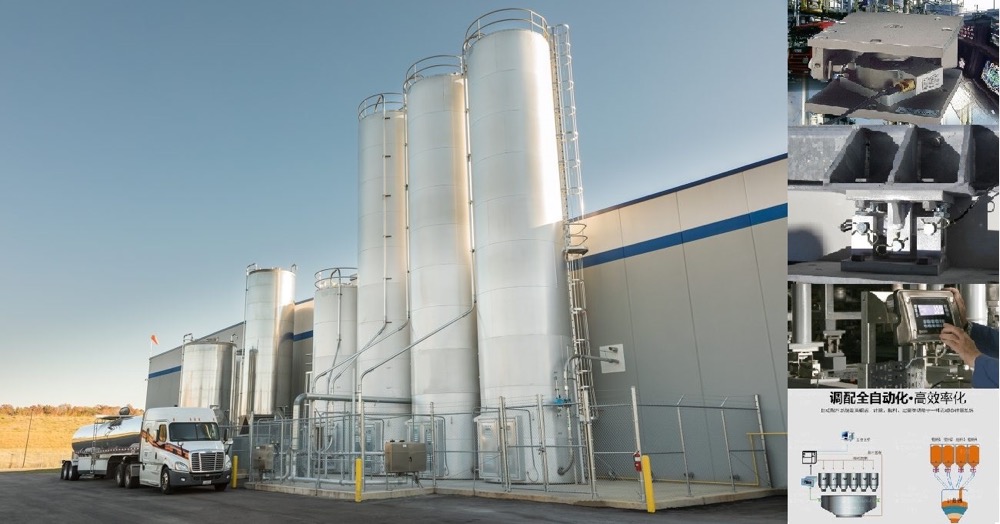





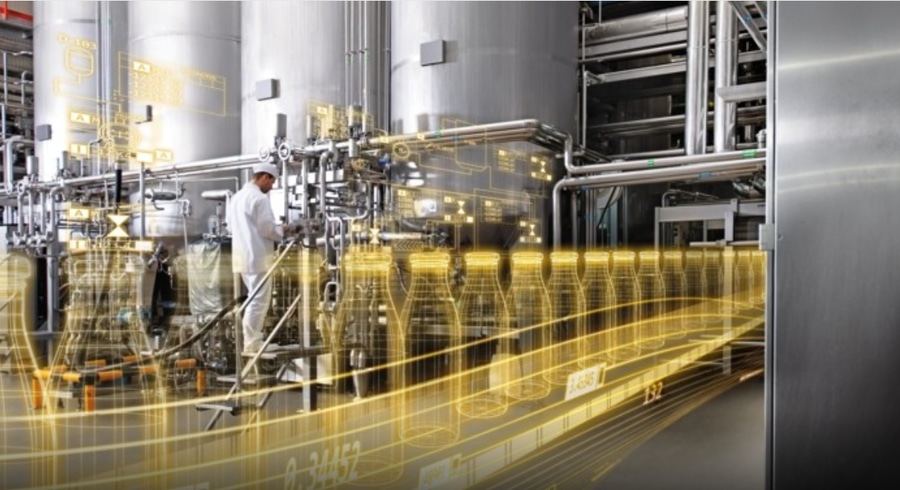
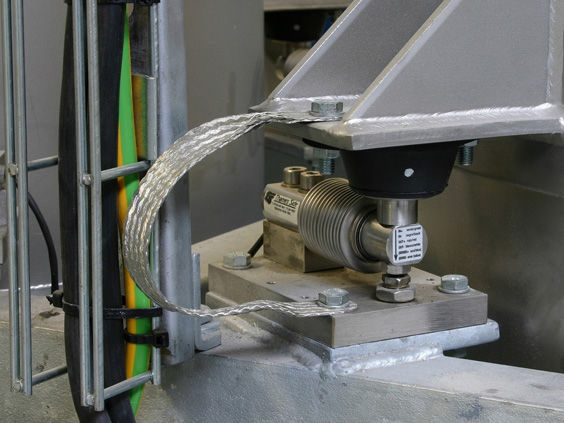
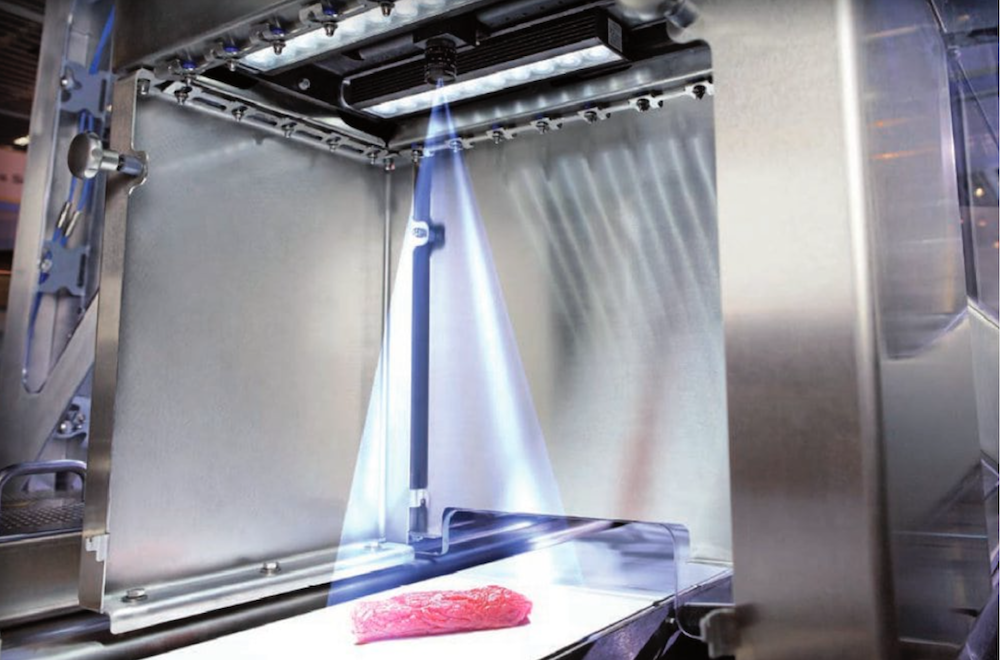
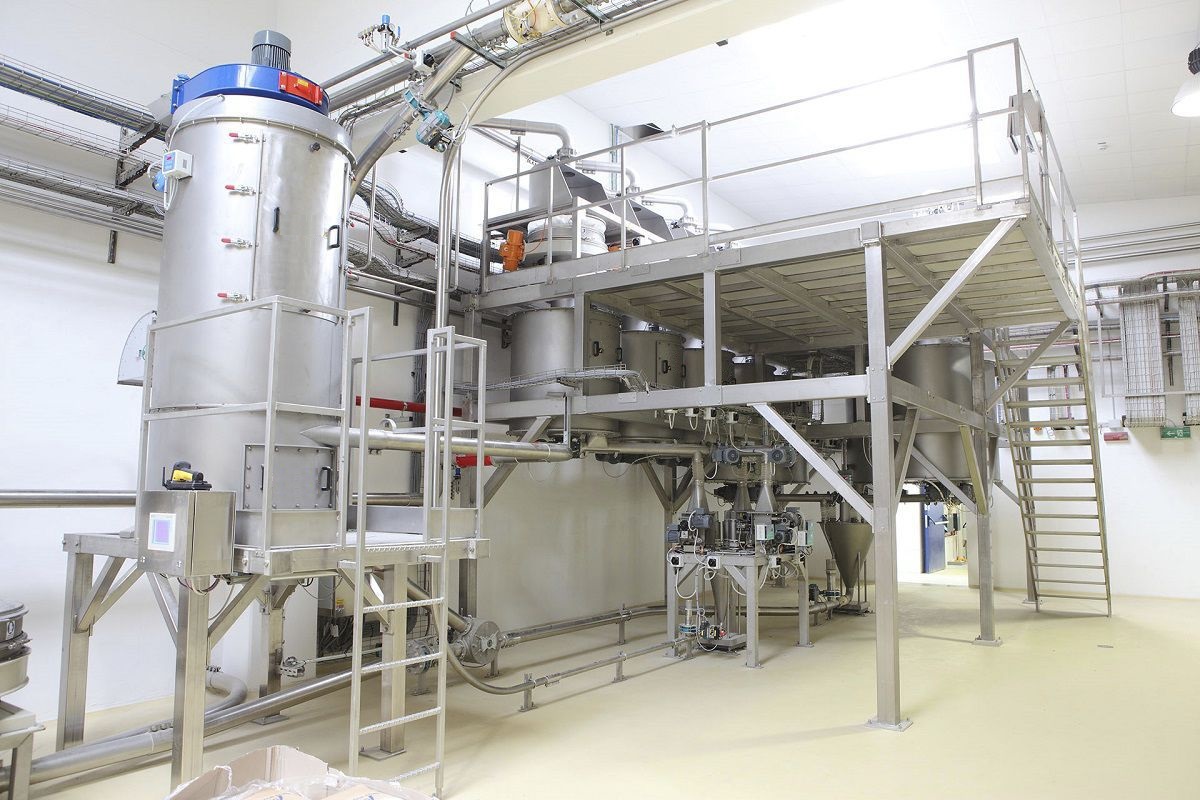
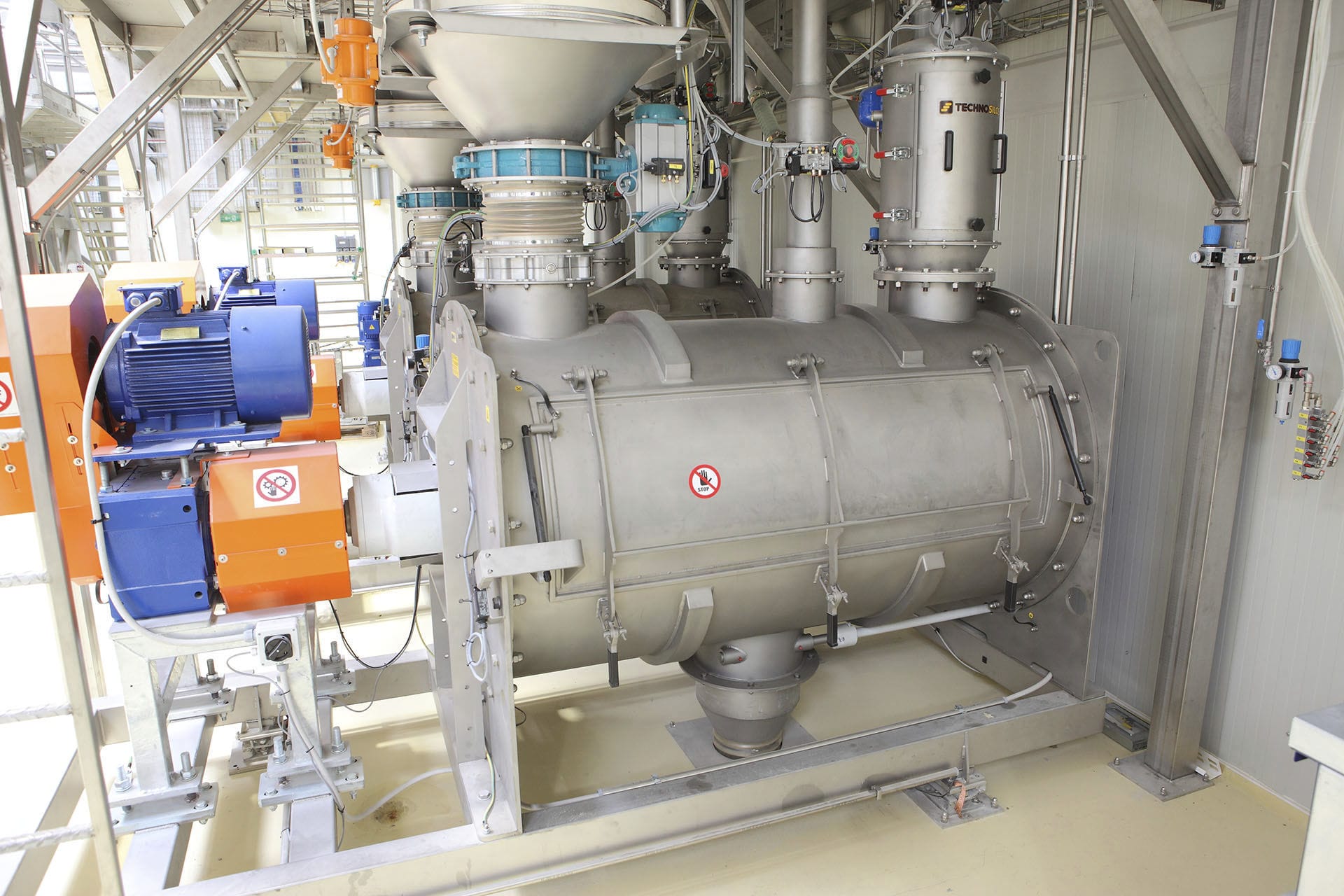
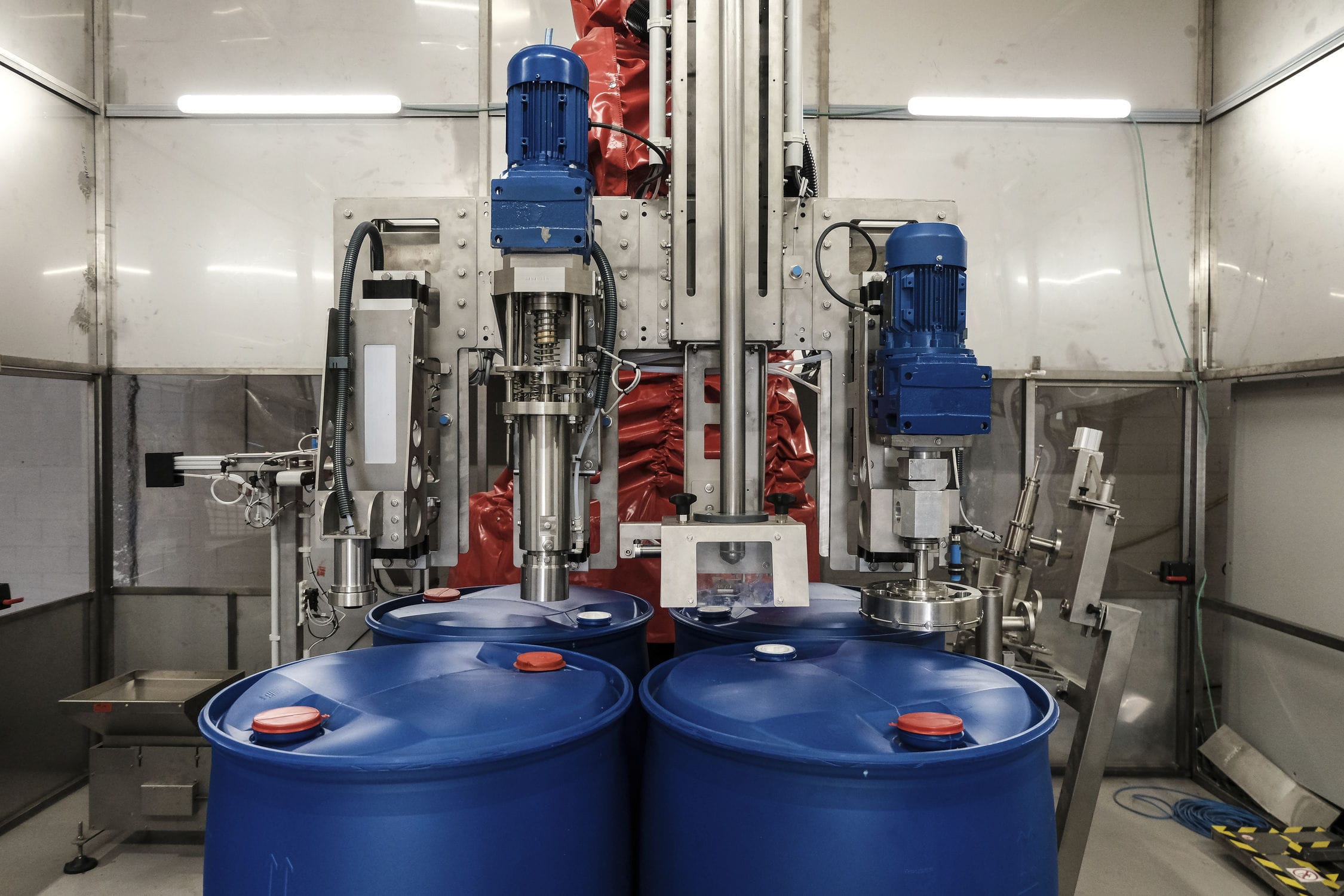
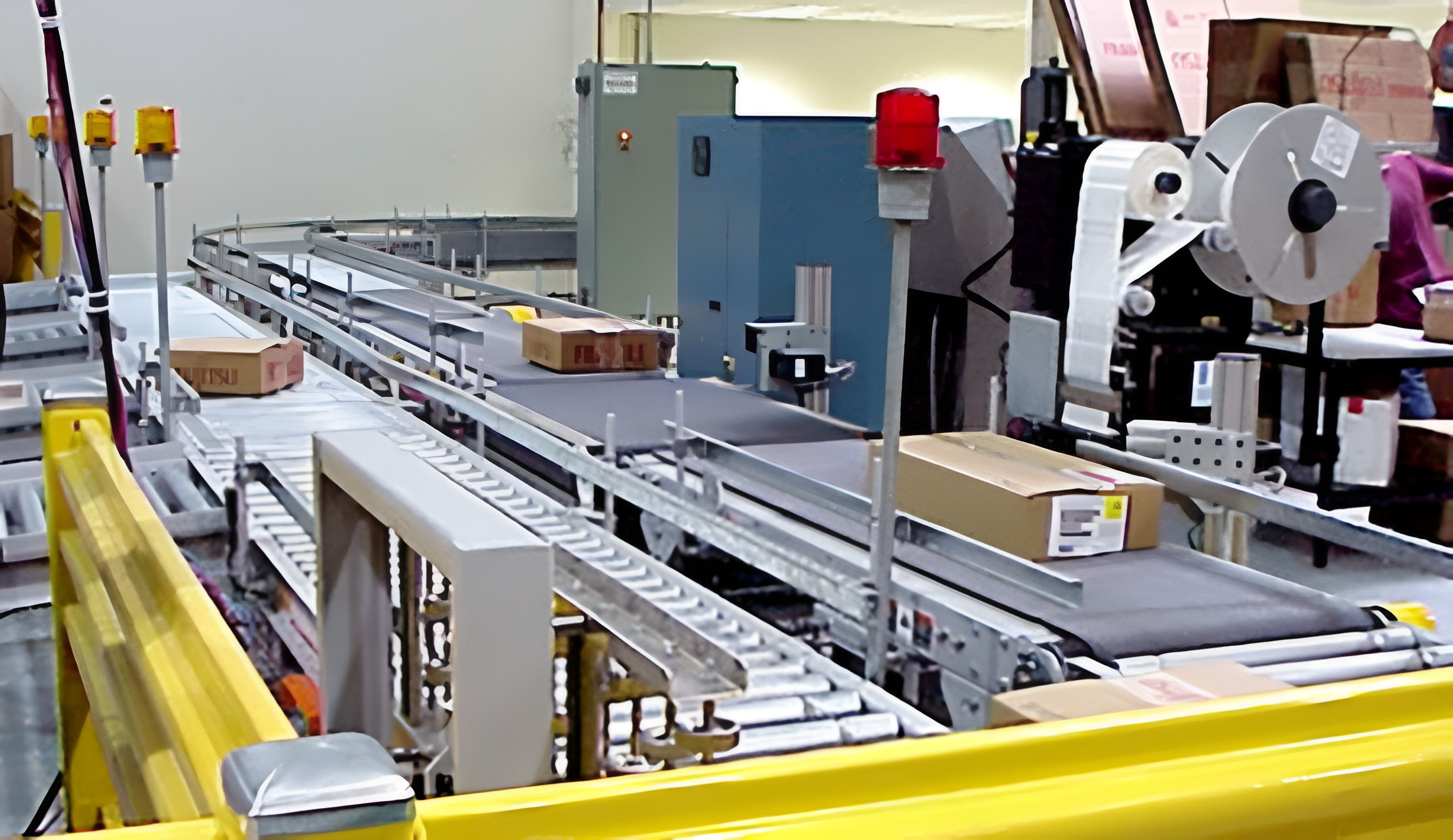
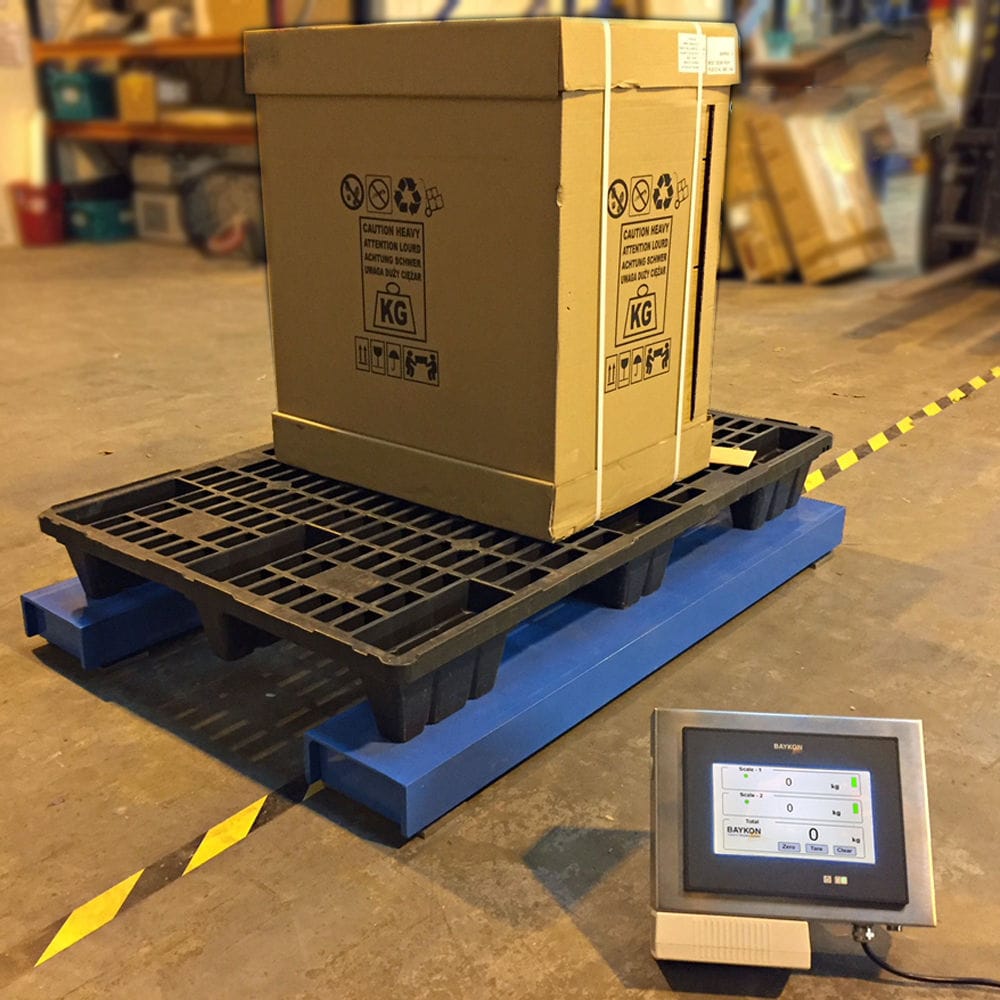


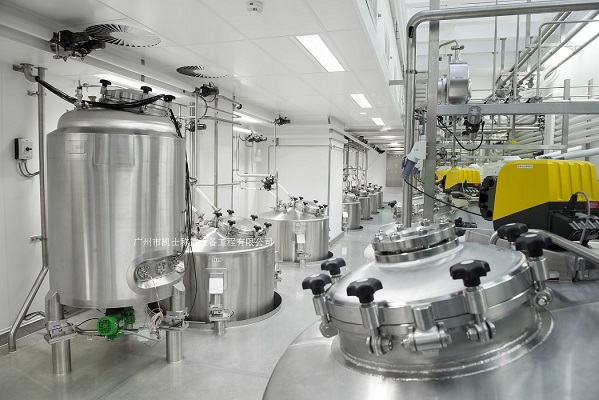
The stirring feeder is divided into three parts: weighing and batching of raw materials, drying of raw materials, dehumidification and dust removal treatment. Vacuum stirring of raw materials, the system acquires the real-time weight of raw materials in each raw material preparation bin. If the weight of raw materials is lower than the lower limit for replenishment, the system prompts manual replenishment. According to the issued batching task, the system calls the corresponding batching process and completes the weighing coordination in the batching bin.

 020-34563445
The feeding process of a stirring Feeder is usually composed of a silo, a metering system, a mixer and an electrical control system. Different specifications are sent into the hopper, and the proportion of different specifications is measured by the metering system. Then they are mixed in the mixer. The automatic working process is divided into four repetitive steps: standby, feeding, fluidization and discharging. During the standby stage, all valves are closed. When the previous feeding process is completed and the set feeding interval period has not yet arrived, the feeder remains in standby mode. When the alarm state is entered, the feeder will stop working and the status of all valves will also return to the standby state. When the set feeding interval cycle is reached, a new feeding process begins. The program first opens the vent valve on the vent pipeline to relieve the pressure in the fluidization tank and maintain normal pressure. Open the feeding valve of the feeding pipeline after a 10-second delay, and then open the butterfly valve after a 5-second delay. The catalyst falls into the fluidized weighing hopper through the feeding pipeline by its own weight. The weighing module measures the weight of the added catalyst. When the set feeding weight is reached, the feeding ends. First, close the butterfly valve, then the feeding valve and the vent valve. When entering the fluidization stage, the fluidization lamp flashes and delays for 5 seconds. Then, the fluidization valve is opened to supply air to the fluidization tank. When the pressure in the fluidizing tank reaches the set value, open the discharge valve. After the discharge valve is opened, hold it for 2 minutes, then close the fluidization valve, close the discharge valve, and return to the standby stage. The Feeding machine takes about three minutes from the start of feeding to the end of discharging. An automatic purging pipeline is led out from the lower part of the fluidization tank, and the purging valve on this pipeline is also a pneumatic valve. It is designed to automatically open the purging valve once every 10 feedings to remove a small amount of catalyst accumulated at the bottom of the fluidization tank. The specific process is as follows: After the discharge is completed, close the discharge valve, open the purging valve (the fluidization valve remains in the open position), purge for one minute, then close the purging valve and the fluidization valve, and return to vent.
The automatic feeding system is divided into three parts: weighing and batching of raw materials, drying of raw materials, dehumidification and dust removal treatment. Vacuum stirring of raw materials: The system acquires the real-time weight of raw materials in each raw material preparation bin. If the weight of raw materials is lower than the lower limit for replenishment, the system prompts manual replenishment. According to the issued batching task, the system calls the corresponding batching process and completes the weighing coordination in the batching bin. The well-mixed raw materials need to be dried, dehumidified and dusted by means of hot air circulation. To prevent the raw materials from carbonizing during the melting process, they need to be melted and formed under vacuum conditions. During the drying and dehumidification process, the conversion chamber is under atmospheric pressure. After the drying and dehumidification are completed, the system closes other valves and simultaneously opens the vacuum pump valve to evacuate the conversion chamber to a vacuum state. Thus, the entire process of automatic feeding of raw materials is completed.
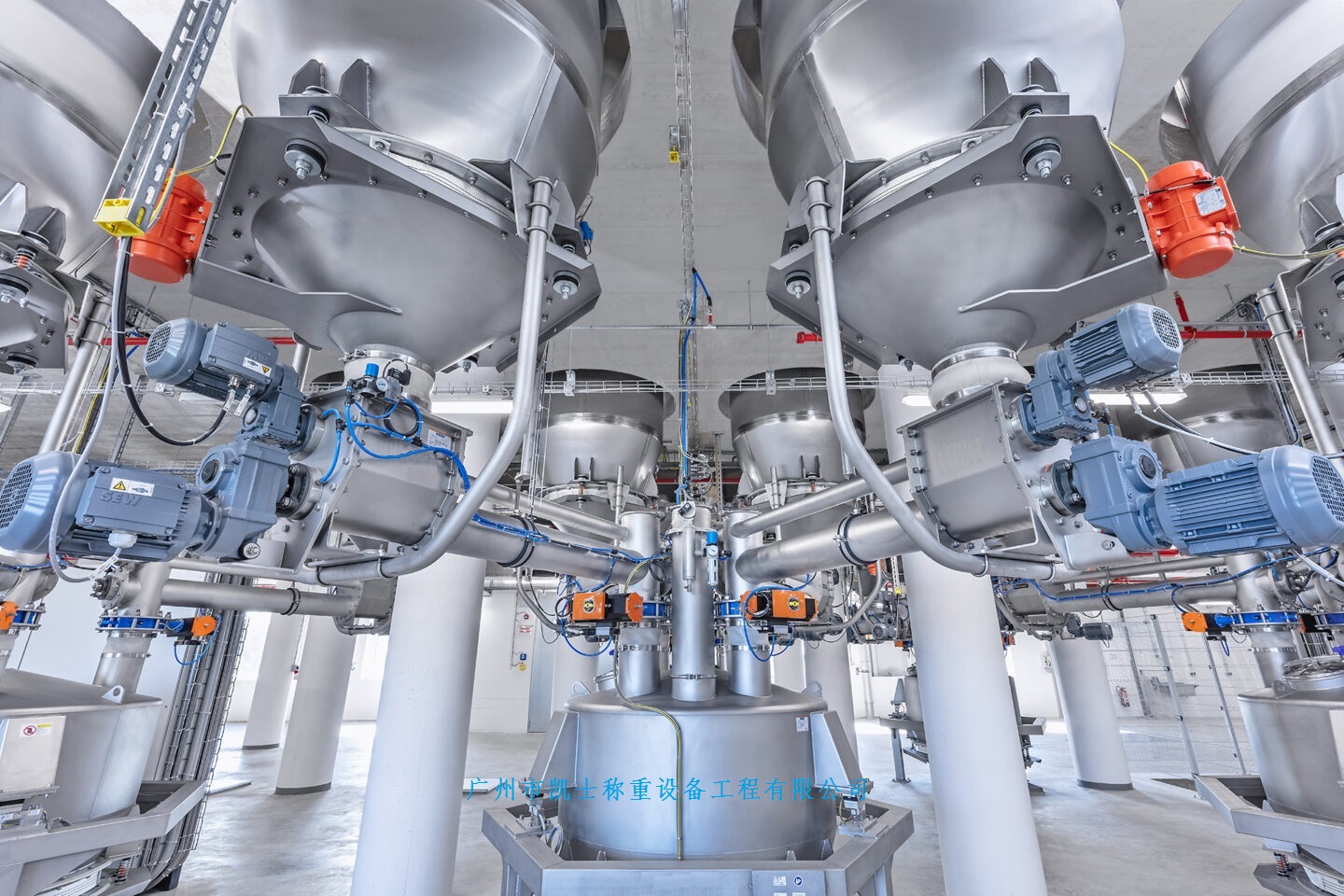
As the hopper scale of the sealed feeder is vertically assembled, the "V" -shaped compartment of the horizontal lock air valve eliminates the squeezing of the material. The material falls into the bottom of the hopper scale in its original loose state and is carried away into the mill by the spiral and rotation. By designing a unique rectifier anti-jamming device inside the feeder, the phenomenon of material jamming after entering the hopper scale has been eliminated. The upper and lower wear surfaces and the bottom cover of the hopper scale are all made of wear-resistant materials. The equipment has smooth material supply without material sticking, excellent sealing, high efficiency and wear resistance, and a long service life.
After the materials are filled at the feeding port, they are rotated to the feeding port through the transmission device and then enter the raw material mill from the feeding port. As the hopper scale fills materials from the top and discharges them from the bottom, the materials adhered to the division wheel will be easily washed away by the feeding impact and discharging erosion. Due to the rotation of the grid screw, the material at the bottom will be scraped off from the material adhered to the bottom sealing plate. In this way, the process of material transportation and the cleaning of the binder is completed, thus eliminating the adhesion of materials.
The vertical rotary lock air valve hopper is of a barrel type. The material comes into contact with the inner cylinder of the hopper scale, thus eliminating the contact between the material and the outer shell and completely avoiding air leakage caused by the outer shell being worn through. The lower sealing plate is inlaid with a wear-resistant plate. Meanwhile, the sealing plate is inlaid, which is convenient for replacement. As the feeding port and the feeding port are at 180°, when the motor rotates in reverse, one side of the sealing plate can be reversed to work on the other side after being used up. At the same time, the bottom sealing plate can also be flipped over for use to achieve the same usage effect.