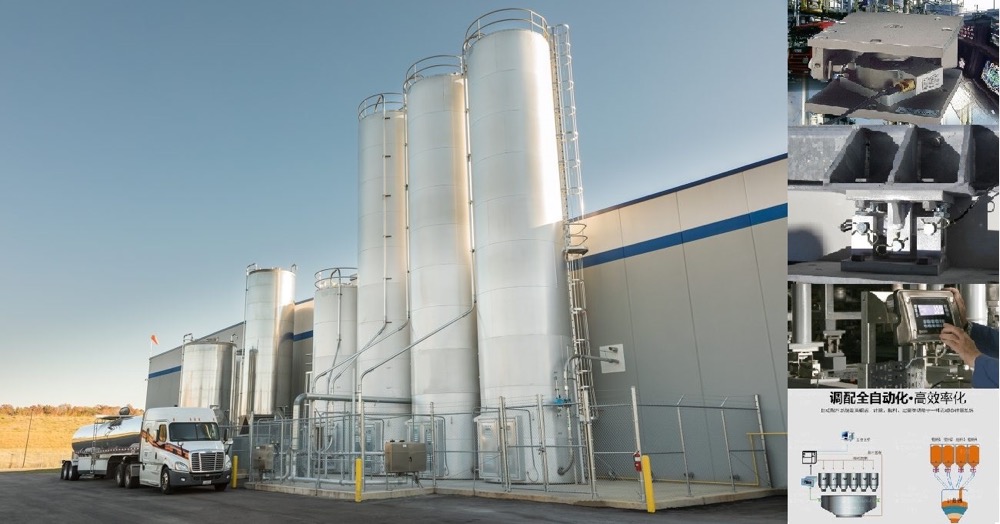


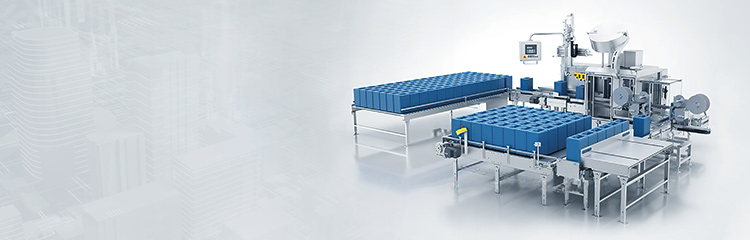


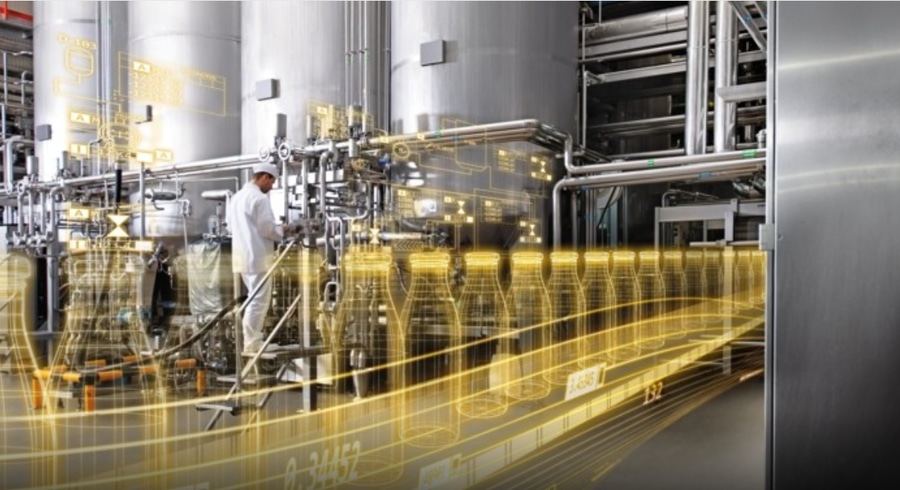
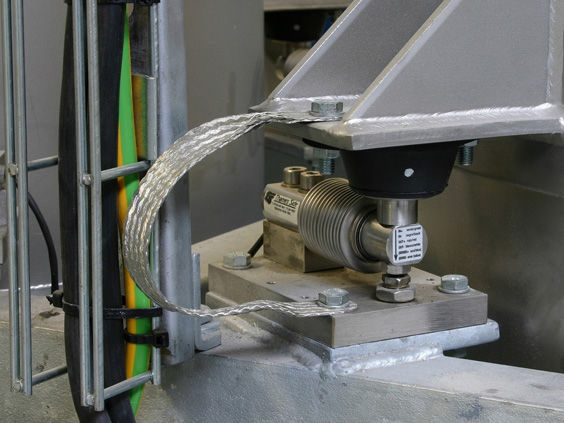
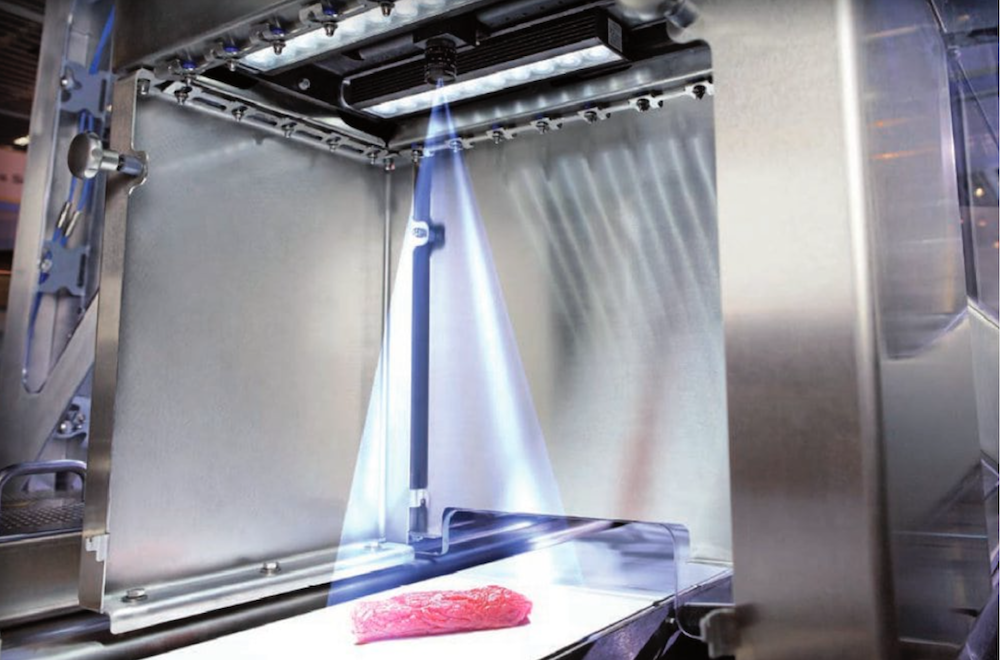
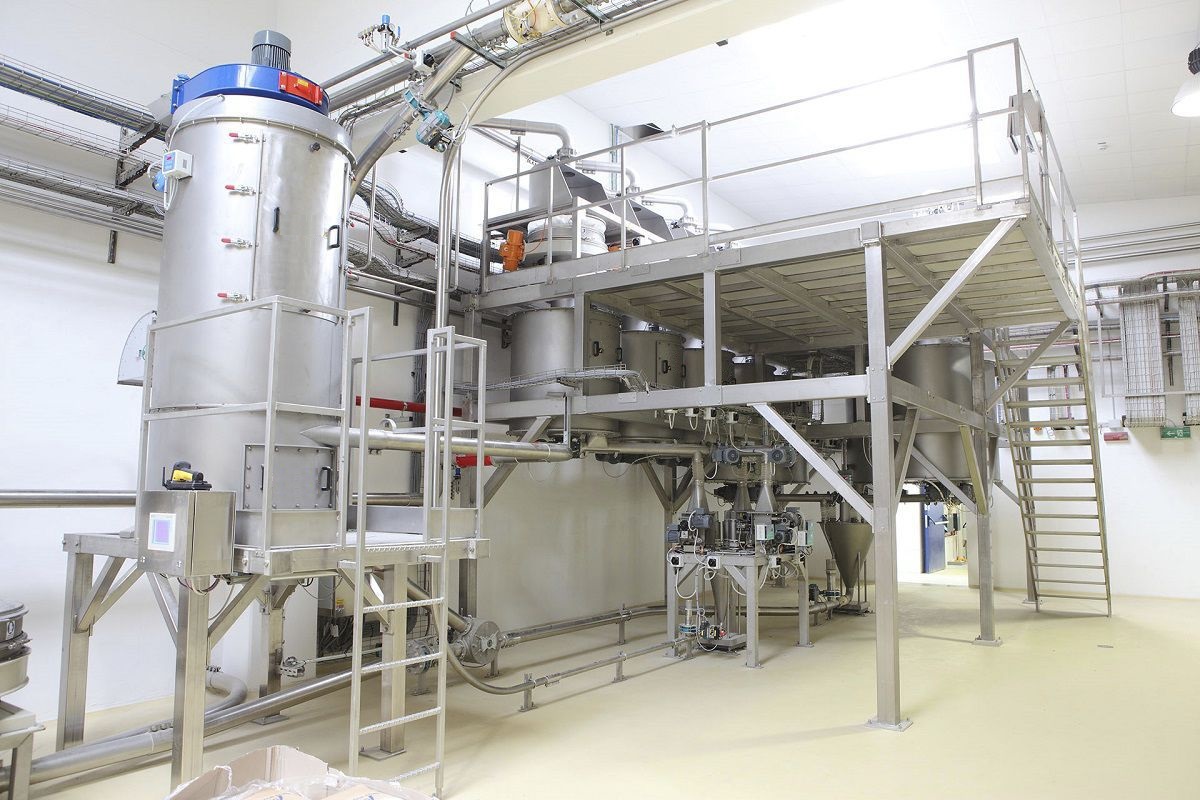
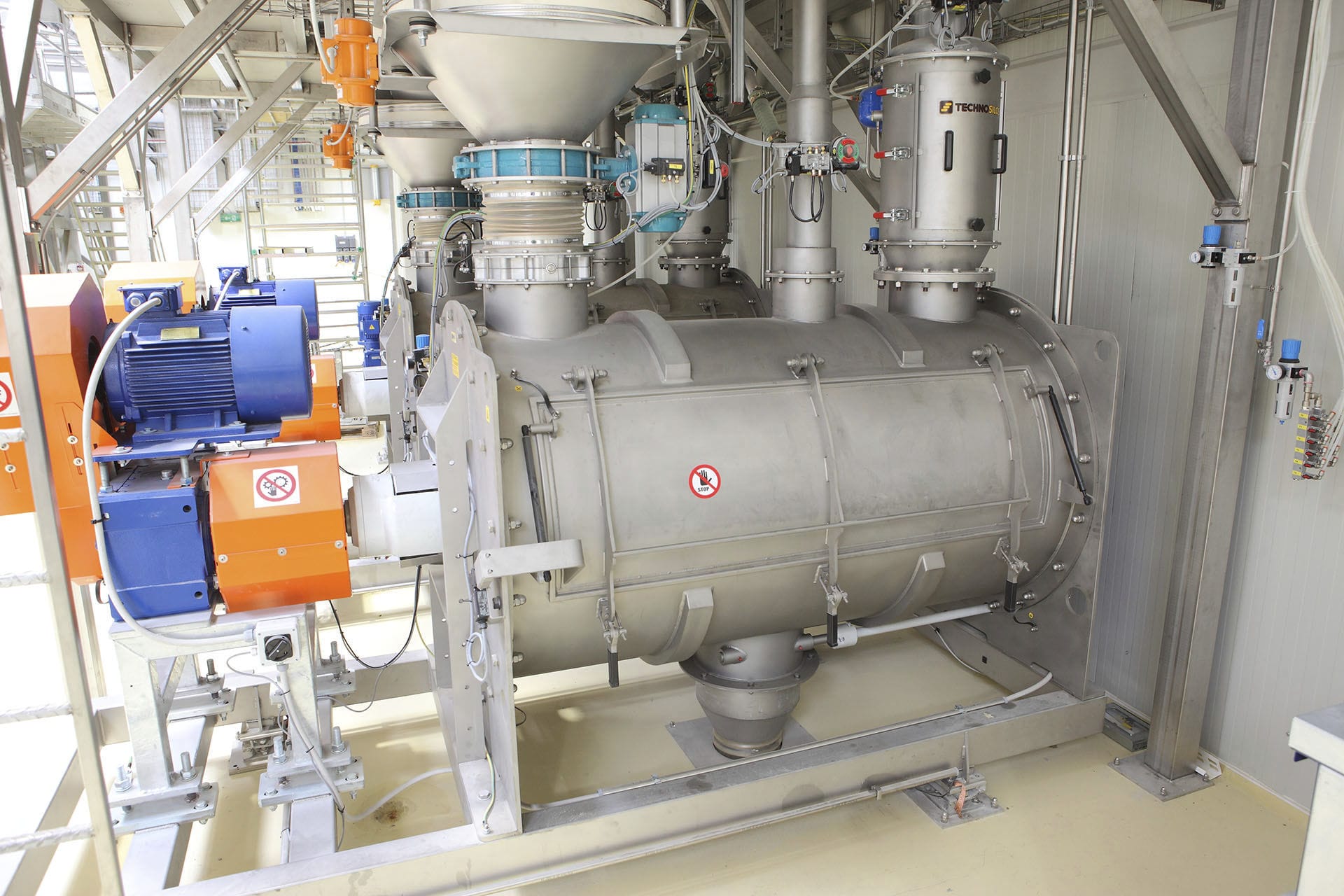
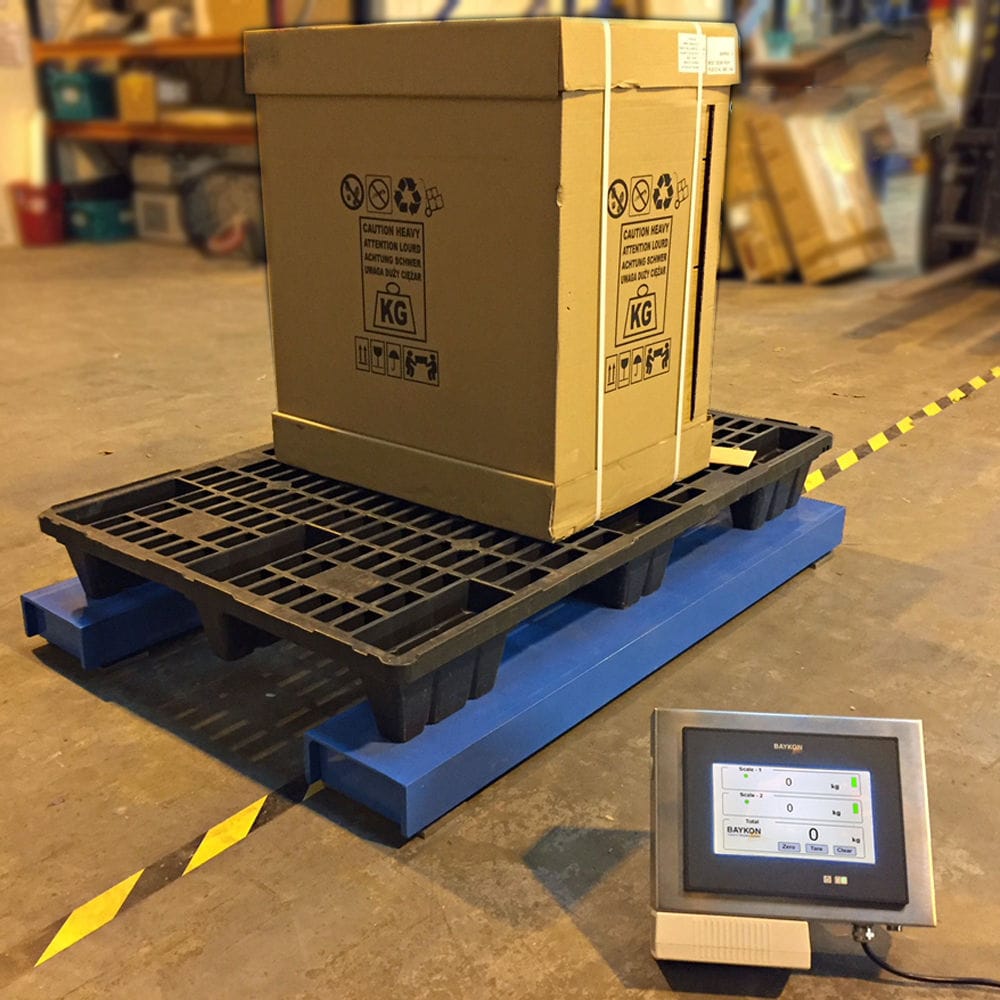


The adjustment batching system sends a full material signal to the PLC through the weighing module. The PLC then controls the conveyor to stop the screw. When the material reaches the minimum storage level, the weighing module sends a signal to start the conveyor's screw rotation. The step motor drives the conveying pipe to rotate, enabling the switching of material transportation between different branches. The step motor rotates the rotating support frame, thereby driving the screw conveying pipe to rotate and connecting it to one of the discharge outlets. This achieves the functions of arbitrary switching of the system distribution machine's conveying pipeline, automatic opening and closing of the electric valve, automatic adjustment of the screw conveying discharge speed, and automatic starting and stopping of the screw.

 020-34563445
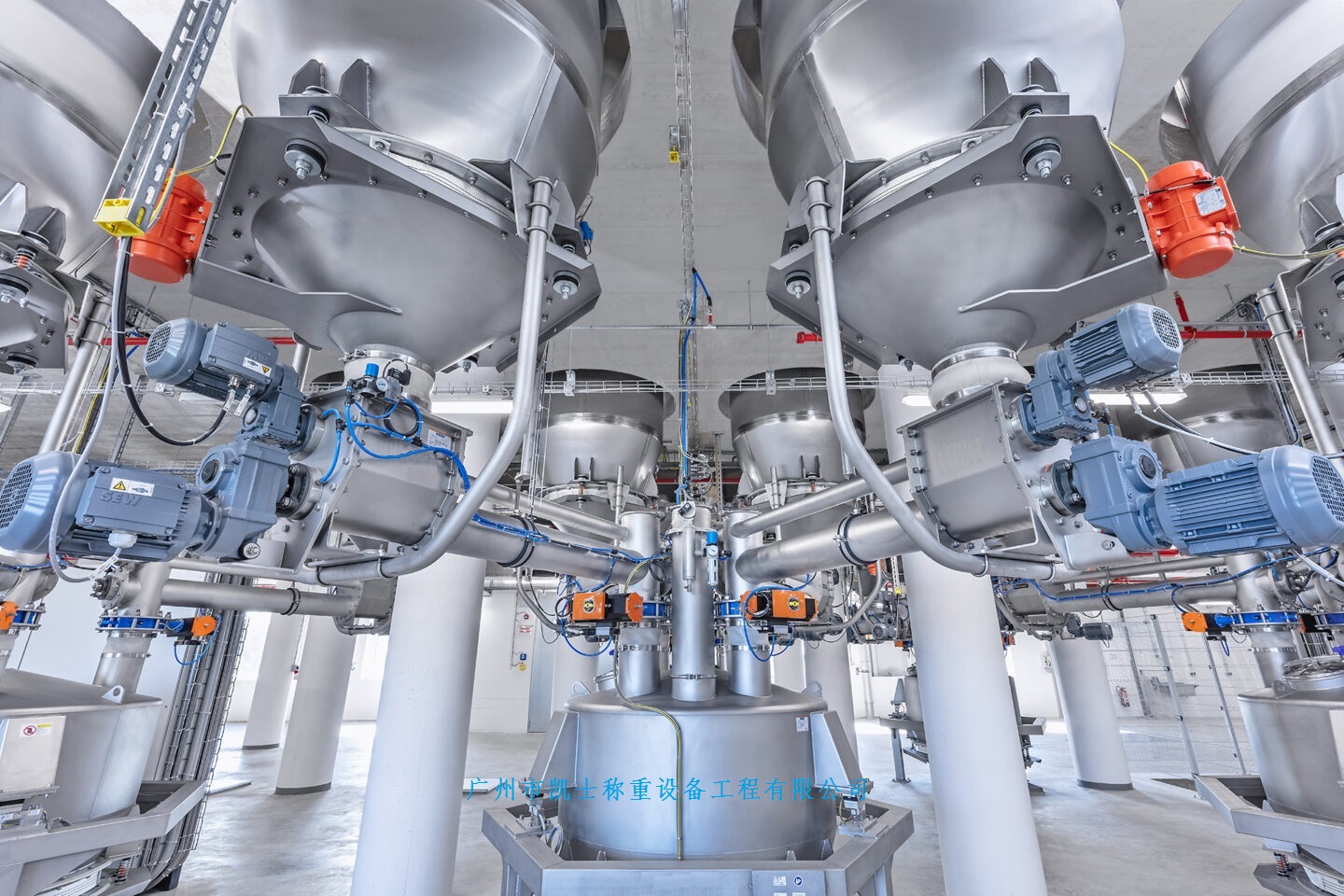
The adjustment Batching system is mainly composed of a motor and a ball valve. When the motor is working, it generates a high-speed spiral bridge flow. The bridge flow enters the pipeline, and the ball valve controls the pressure of the entire system. The feeding system is mainly composed of a spiral conveyor, a small storage bin, and a conveying mechanism. The conveyor transports the material to the small storage bin, and the material in the bin flows through the spiral conveyor pipe. The feeding system is mainly composed of a distribution machine and a conveying pipeline. After the material mixes with the bridge flow generated by the batching system, it is switched to different conveying pipelines by the distribution machine, and then transported to the batching machine.
After entering the system, two actions will be carried out simultaneously: starting the conveyor and starting the motor. The spiral conveyor will input the material from the storage bin to the small storage bin. The spiral of the conveyor is an intermittent spiral. When the small storage bin is full, the spiral stops. When the small storage bin is about to be empty, the weighing module generates a signal to start the motor of the conveyor and empty the material. The residual material in the pipeline is emptied, and the airflow in the pipeline tends to be stable. The electric valve is opened, and the required batching machine is selected. At this time, the rotating pipe of the distribution machine rotates to the designated batching machine position. The electric valve is closed, and the Feeding machine starts. Its speed can be adjusted by the control unit. The material is transported from the small storage bin to the batching system through the pipeline and is sent to the designated batching mixer. After the feeding machine weighs and measures, the batching is completed. At this time, the feeding machine is closed, the electric valve is opened, and the step motor starts. The rotating pipe of the distribution machine rotates to the required batching machine, and the above process is repeated. When all the batching machines have finished feeding, the motor runs for a period of time, clears the material in the pipeline, and closes the system.
The signal control of the weighing module is connected to the PLC through an intermediate relay. When the material in the small storage bin is full, the level weighing module will send a signal to the PLC, which controls the conveyor to stop the spiral. When the material in the small storage bin is at the minimum storage level, the weighing module will send a signal to start the conveyor's spiral, using the stepper motor to drive the conveying pipe to rotate, achieving the switching of transportation between different branches. The stepper motor drives the rotating support frame to rotate, thereby driving the spiral conveying pipe to rotate and connecting it to one of the discharge outlets. This realizes the arbitrary switching of the distribution machine's conveying pipeline, the automatic opening and closing of the electric valve, the automatic adjustment of the conveying speed of the spiral conveyor, and the starting and stopping of the spiral motor. To ensure the safe and loss-free transportation of the material and the overall airtightness of the conveying system, the conveying pipe and the discharge outlet should be seamlessly connected. To achieve seamless connection between them, the rotational movement of the conveying pipe needs to be very precise. To obtain higher accuracy, this system selects the Weighing system as the driver, and the weighing module receives a pulse signal through the stepper motor, driving the stepper motor to rotate in the set direction at a fixed speed. The rotation is carried out step by step at a fixed speed. The pulse number can be controlled to achieve precise positioning, and the speed and acceleration of the motor can be controlled by the pulse frequency, achieving speed regulation. Through the worm gear and worm reducer, the reduction ratio is 1/60. Each pulse of the stepping driver causes the rotating pipe to rotate 0.0002°, achieving high motion control accuracy. Through the processing of the above pulse number, pulse frequency, etc. data program, after calculating the pulse number based on the set rotational speed, it is sent to the stepper motor driver to control the rotation, thereby achieving precise positioning control.
The batching machine realizes the collection of weighing signals, PID control of temperature, and completes the serial RS232, RS485 communication of the flow and the OPC communication of the upper computer, achieving functions such as data display, storage, parameter setting, alarm and safety interlock. The PLC control system collects the conventional weighing module and temperature signals through the safety barrier, and the DO output signal is isolated by the relay. The serial port server, industrial control computer and PLC control system are connected in a star-shaped structure through a switch to achieve data mutual access. The parameter alarm signals output by the PLC control system are connected to the alarm device through relays to alert the operators. The Pt100 temperature signal for temperature control is directly connected to the temperature controller. The temperature controller compares the set temperature with the feedback value and controls the output pulse width modulation signal to the solid-state relay connected to the heater through the built-in PID module, controlling the on-off interval of the heater during the cycle to achieve temperature control. The temperature controller and the electrical components required for heating are modularized and integrated into one unit.
The batching machine has an instrument panel, start/stop buttons and status indicator lights on the front panel. Other temperature and weighing module signals are isolated by safety barriers and then connected to the PLC control system for direct acquisition. To achieve rapid measurement, the reacted and synthesized materials are heated by the circulating electric heating system to reach room temperature. Through the weighing instrument, temperature controller, weighing module, screw conveyor and electric heating equipment, the conversion from gas samples to quantitative control is realized, meeting the requirements of quantitative batching.