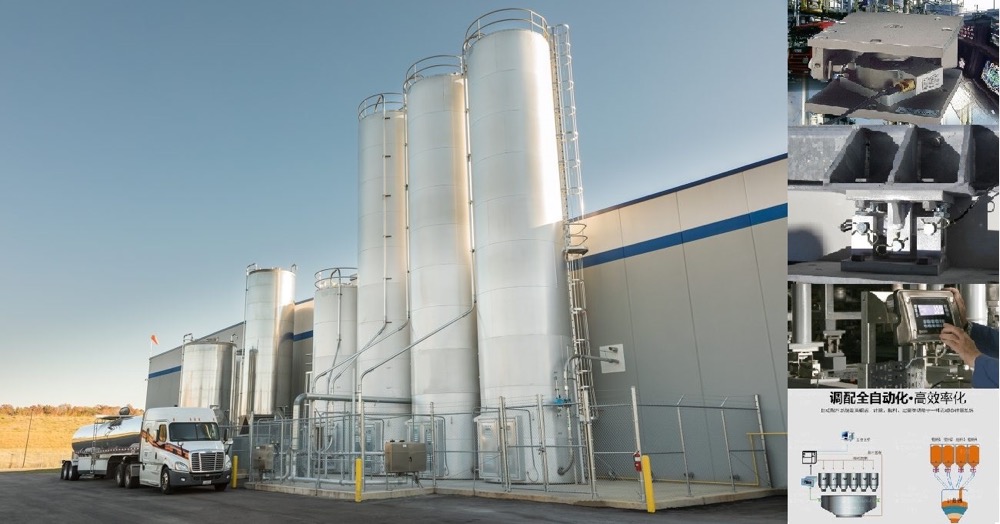


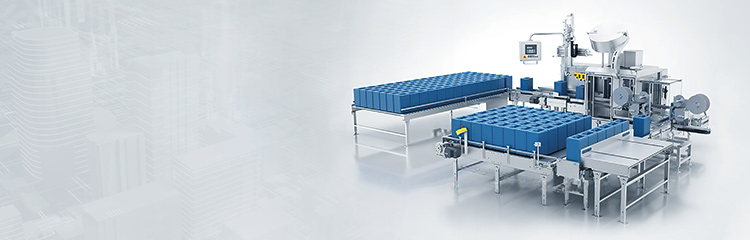


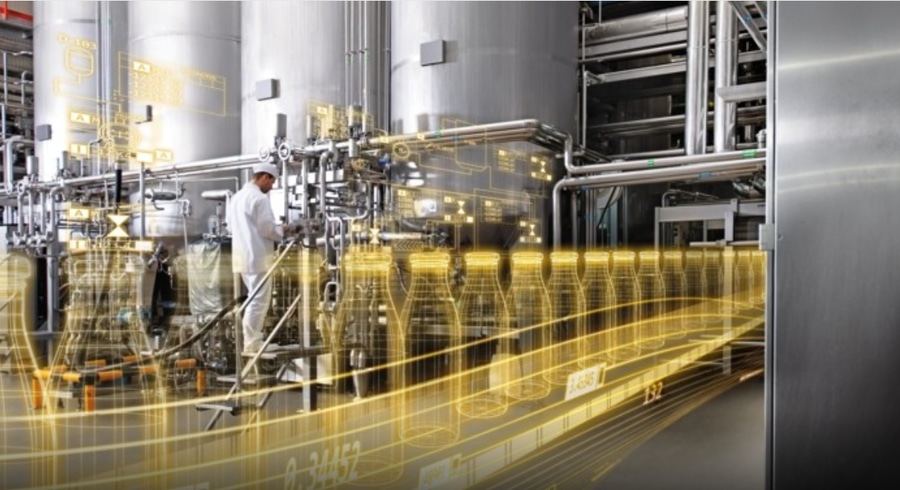
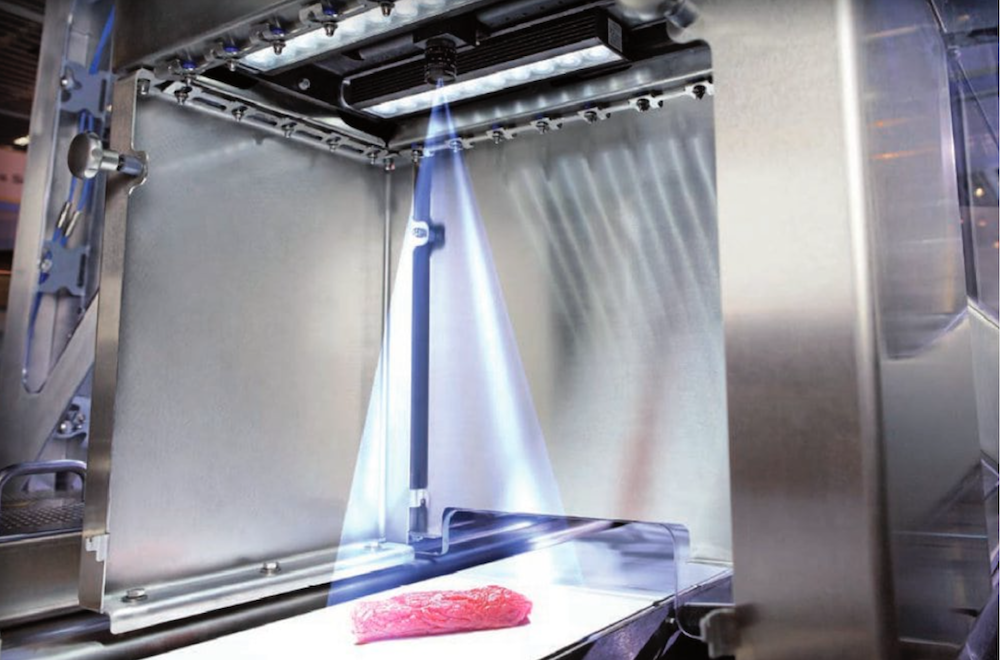


Logic Automatic feeding equipment realizes the functions of dosage process control, logic control, sequence control, etc.; the numbers are mainly pressure, temperature, flow, liquid level, and it consists of one on-site control station and one operation station (also used as engineer station). Mainly responsible for the network and management, in a module on the processor both independent of each other, but also associated with each other (through the DPR), so that the resources of the main CPU has been reasonably used, while maximizing the speed of the entire dosage. Hardware is used up to 100K ~ 16M application memory (general PLC are only a few dozen K), so that it can run larger software.


 020-34563445
The logical automatic feeding equipment completes the automatic and manual proportioning control of powder, liquid and other materials. The powder and slurry are batched simultaneously, and the batching speed is fast. The sequence of material feeding can be adjusted arbitrarily to meet the process requirements. Theoretical calculation and manual correction of the formula. The graphical interface displays the batching conditions, making the operation intuitive. Realize the recording, printing and report generation of proportioning data. The arch breaking can be controlled automatically or manually. Intelligent diagnosis of wiring faults in Weighing modules, accurate location of faulty weighing modules and faulty wiring, and automatic tracking of tare weight. Remote data browsing and printing. The temperature and pre-curing temperature are automatically controlled. When all the materials are put into the agitator for reaction, as it is a chemical reaction, a certain amount of time and temperature are required. The automatic feeding system automatically controls the temperature of the mixed materials in the reactor. When the temperature is lower than the control temperature of the production process, the system issues an instruction to open the solenoid valve of the steam pipe to add steam. Once the set temperature is reached, the solenoid valve is automatically closed (optional). The system is easy to expand.
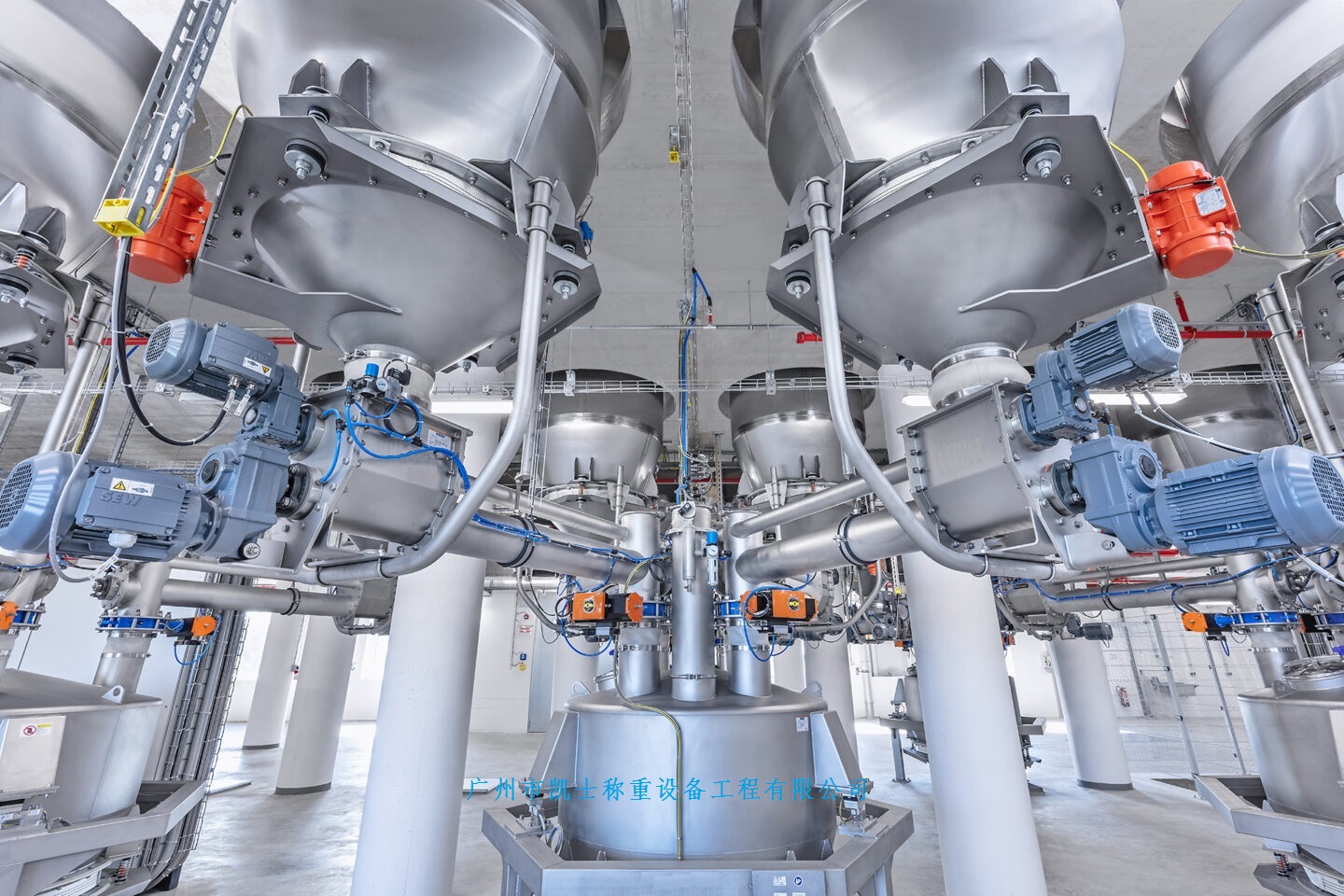
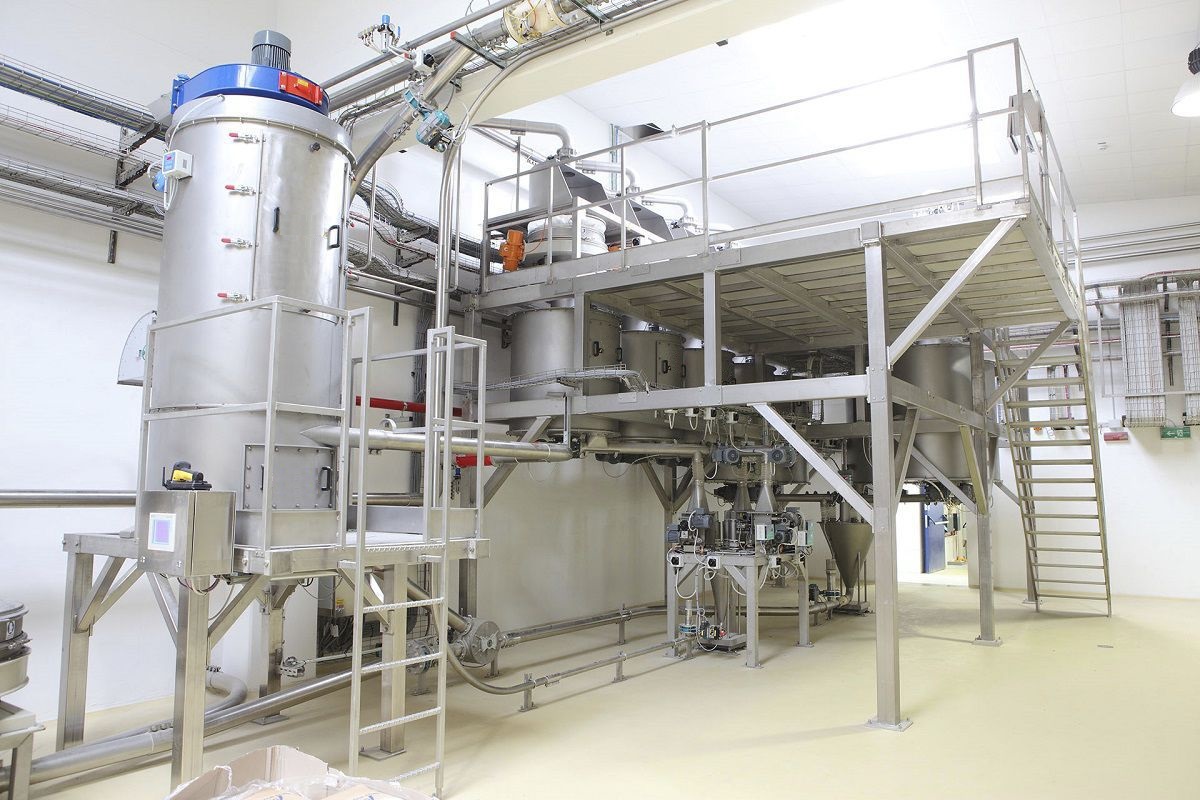
The powder measurement is respectively stored in the raw material silo above the batching building. A pneumatic disc valve is installed at the bottom of the silo, and the outlet of the disc valve is connected to the screw Feeder. The outlet of the screw feeder is flexibly connected to the batching hopper scale. The measurement of powder adopts the cumulative measurement method. The powder is measured in sequence according to the requirements of the process flow and formula.
The powder, liquid and slurry are metered and mixed. After being concentrated and qualified in the reactor room, they are pumped into the slurry metering tank. The system realizes the automatic metering of slurry by controlling the start and stop of the pump and the slurry motor.
Add an automatic tracking and compensation link in the system software design. The "pre-closing" lead amount is automatically corrected according to the switch characteristics. The feeding system is shut down in advance before the material weight reaches the target value. After the weighing value stabilizes, the system automatically makes fine adjustments and replenishes materials based on the difference between the set value and the actual batching weight, thereby ensuring the requirements of material measurement accuracy.
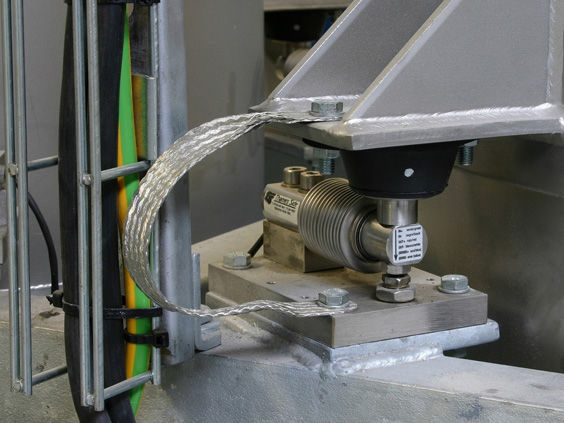
To prevent interference signals from interfering with the weighing module signal, a low-pass filter circuit and a power DC/DC isolation circuit have been added to the hardware circuit to minimize electromagnetic interference and its impact to the greatest extent. In the software, VC is used to compile the underlying data acquisition thread, and oversampling and digital filtering algorithms are adopted to eliminate illegal sampling values and ensure the accuracy of the metering loop.
The weighing instrument can effectively prevent the interference of municipal electrical frequency signals. The weighing instrument and the system adopt the MODBUS fieldbus digital transmission method, completely eliminating the errors generated during the transmission process. Meanwhile, the adoption of fieldbus makes it very easy to expand the system, allowing it to be expanded at any time according to future production needs without incurting significant overhead.
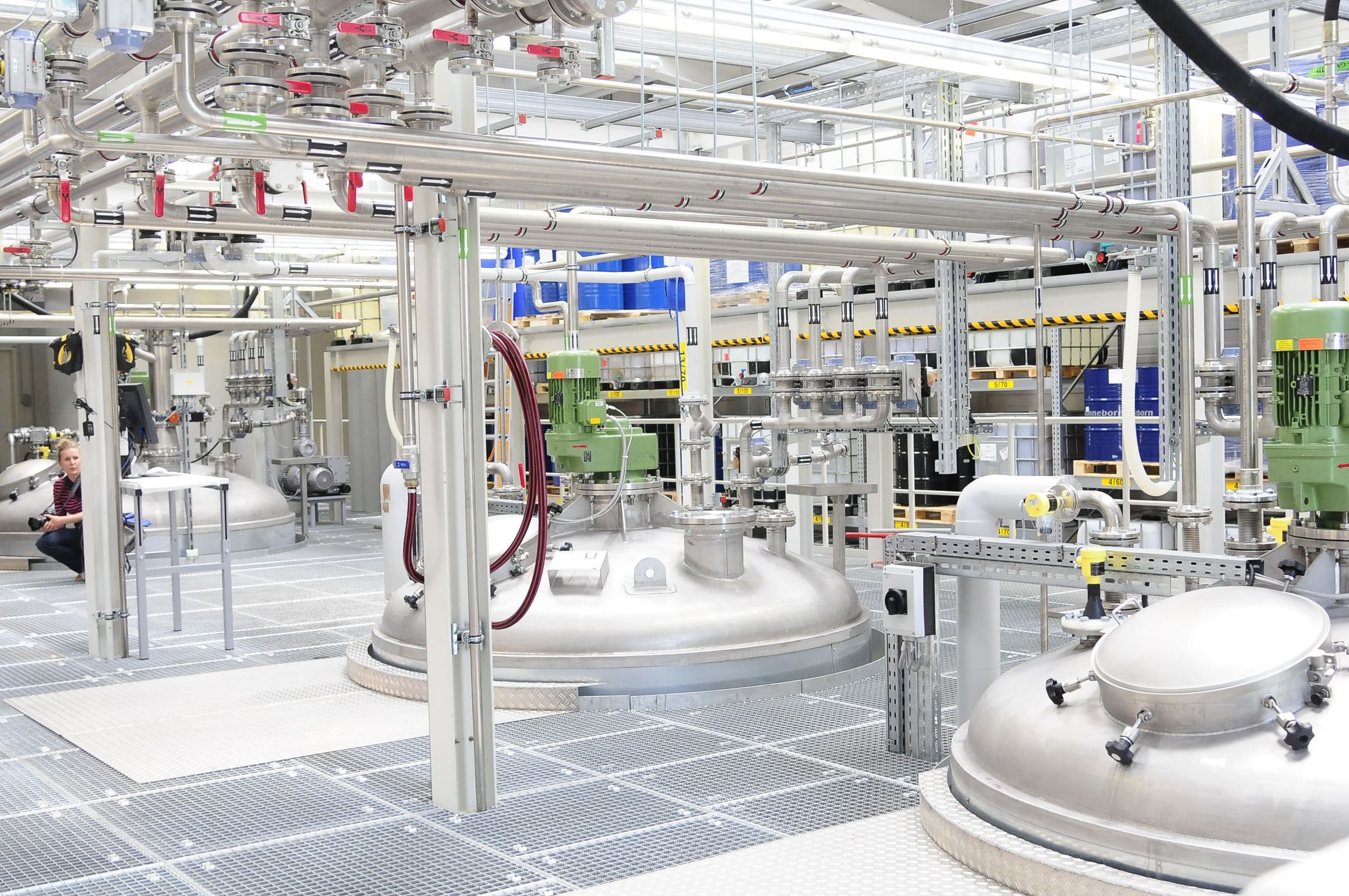
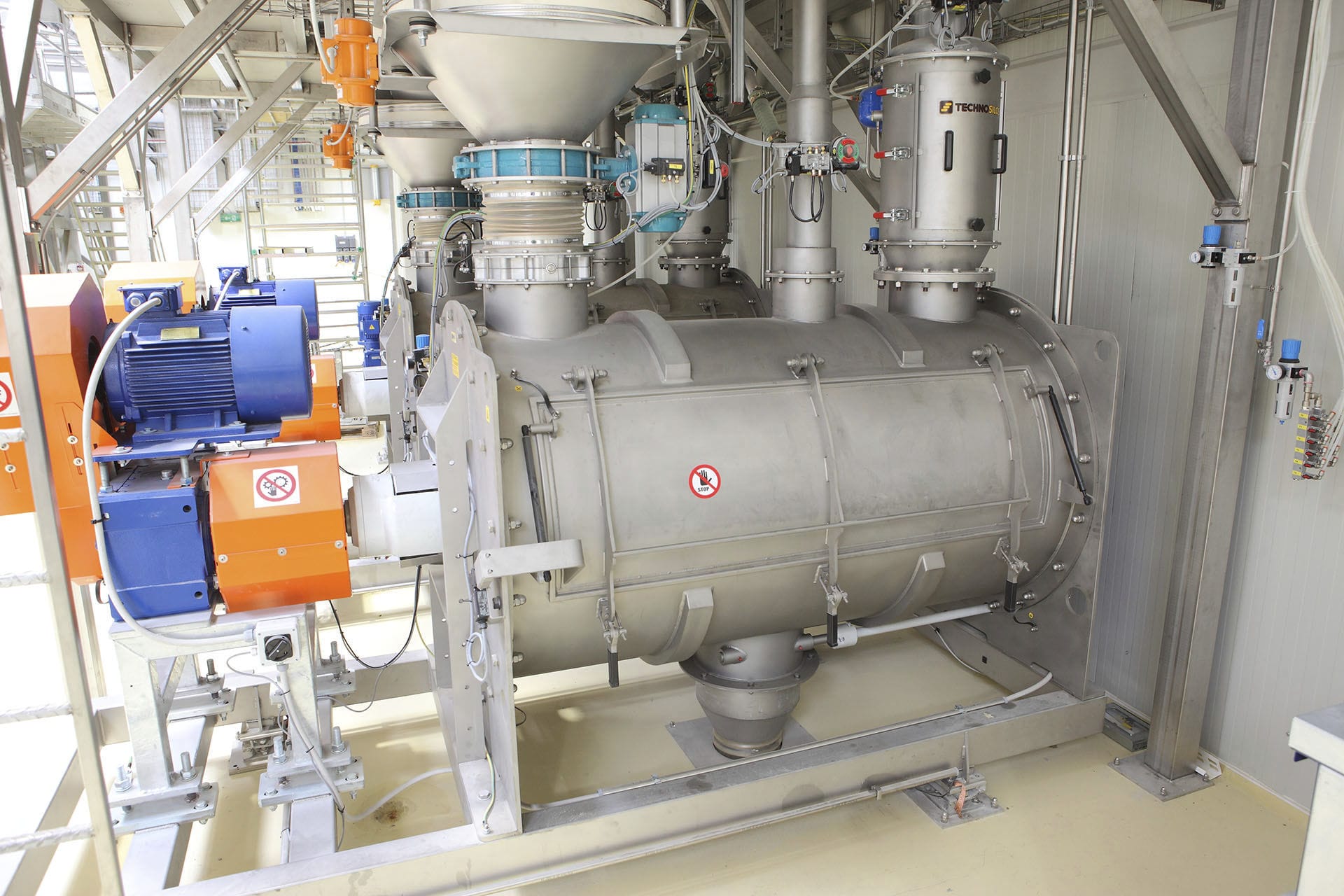
After the mixing tank and other materials are prepared in a certain proportion, they are added to the mixing tank for stirring. The temperature of the mixed materials is raised by injecting high-temperature steam. The temperature of the mixture directly affects the quality of the finished material. Therefore, an electric valve is installed on the steam pipeline, and a mobile temperature Measurement system is installed beside the agitator tank. The system measures the temperature of the agitator tank in real time. When the temperature reaches the set value, the steam valve is automatically closed. This can not only ensure product quality but also prevent energy waste caused by untimely valve closure, which is conducive to reducing the production cost of the product.
The agitator tank uses a digital temperature measurement IC to measure the temperature inside the tank. The weighing terminal is connected to the data transmission radio via a data line and sends the temperature data to the data transmission receiver of the Batching system. The system is connected to the receiver through a communication interface to obtain the real-time temperature of the tank and display it in real time on the system screen. Meanwhile, the system controls the opening and closing of the steam charging electric valve based on the temperature.
The statistics and remote storage of ingredient data: The ingredient data is first stored in the local database of the ingredient system. The ingredient system is equipped with a standard Ethernet interface and is connected to the enterprise management system via network cables. Generally, there is a certain distance between the ingredients and the management office, with the wiring exceeding 100 meters, which is greater than the allowable distance of Ethernet Category 5 cables. Therefore, installing a network switch between the ingredients and the management office can extend the effective connection distance to 160 meters, meeting the needs of remote data sharing of the system. Due to the large amount of dust in the production environment of the ingredients, printers and other equipment are prone to malfunction. Therefore, the printer equipment is placed in the management office with a relatively good environment, and the network printing function is utilized to achieve the statistics, printing and storage of production reports. The sorter is equipped with production management and statistics software in the management office system.