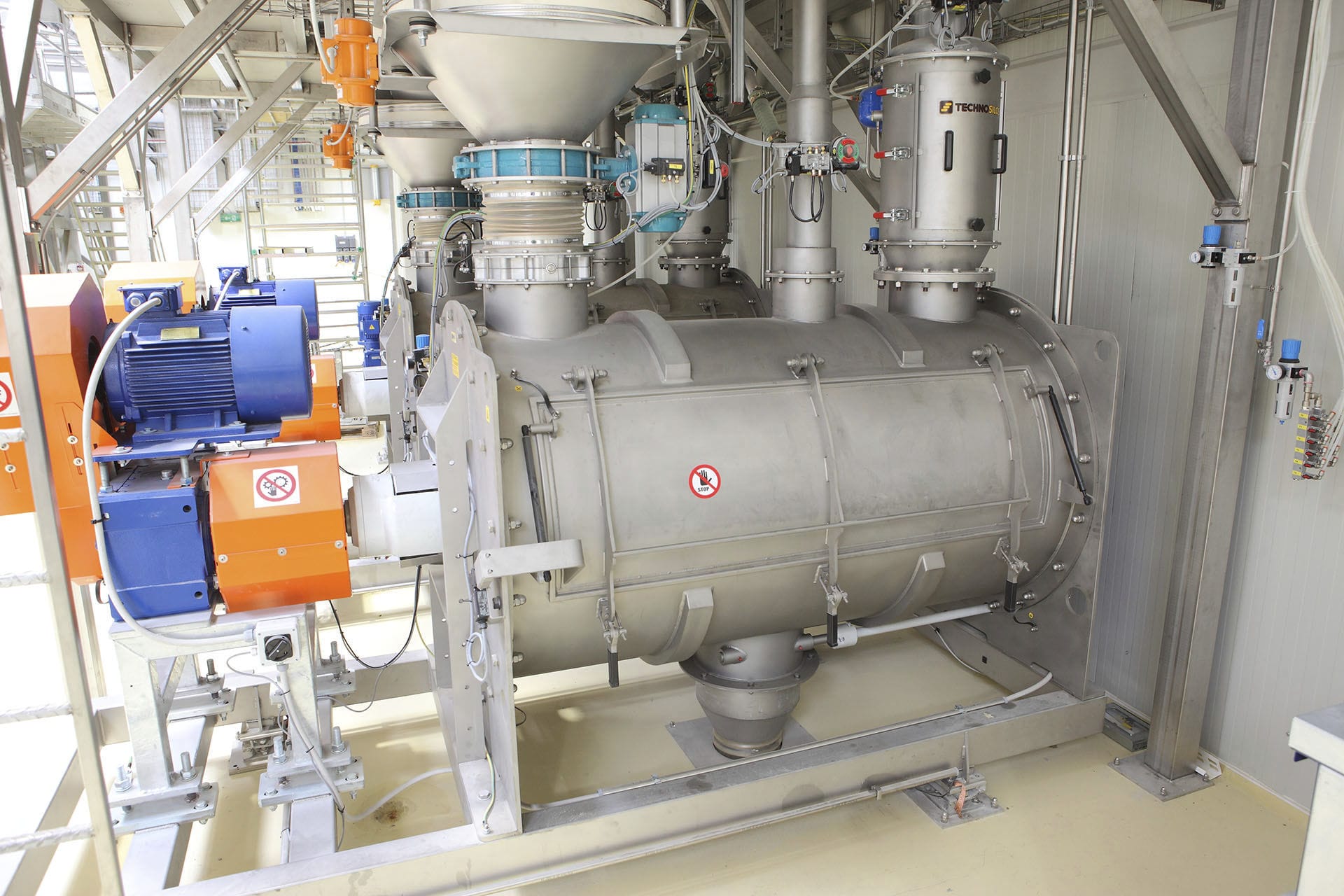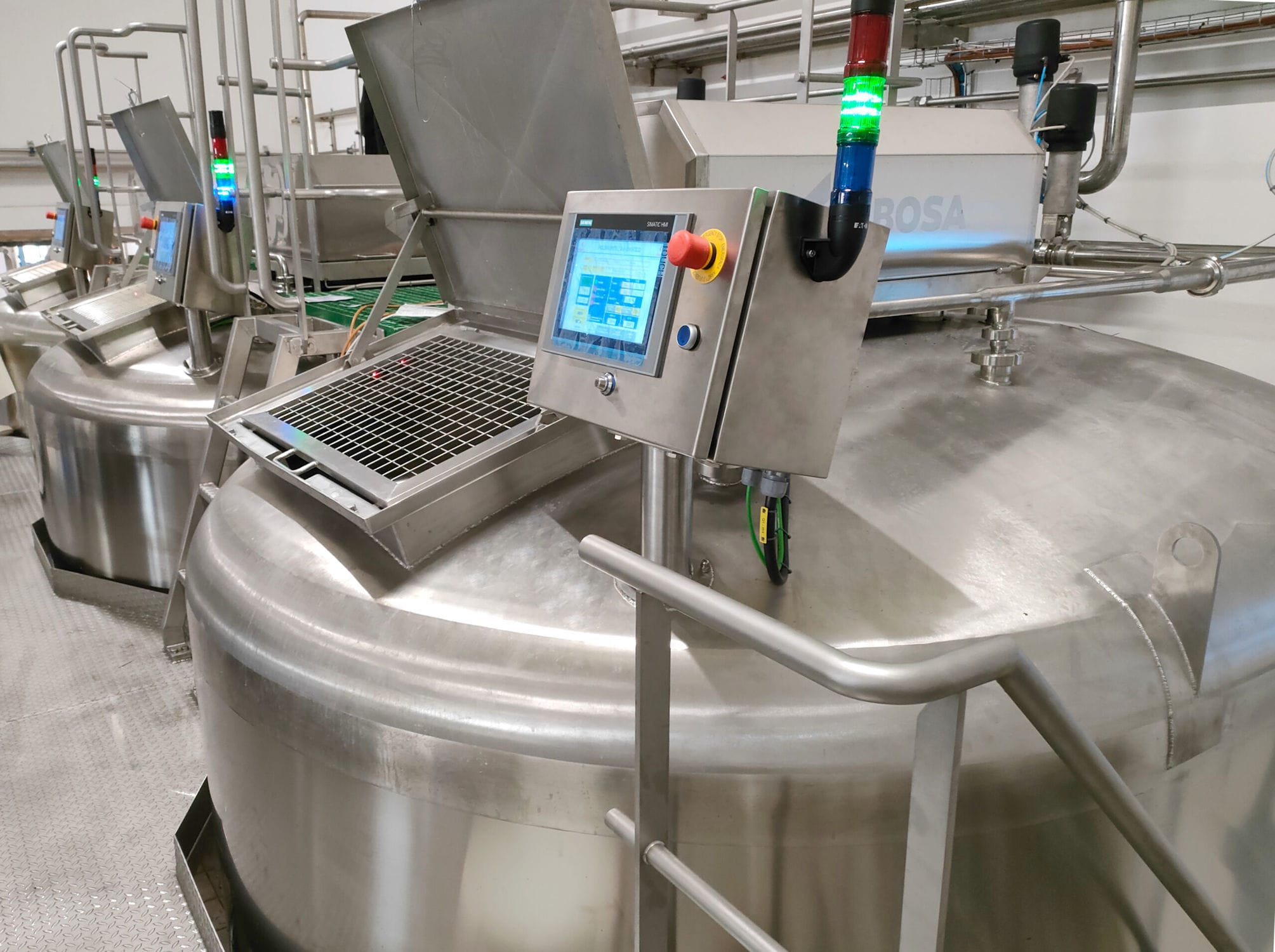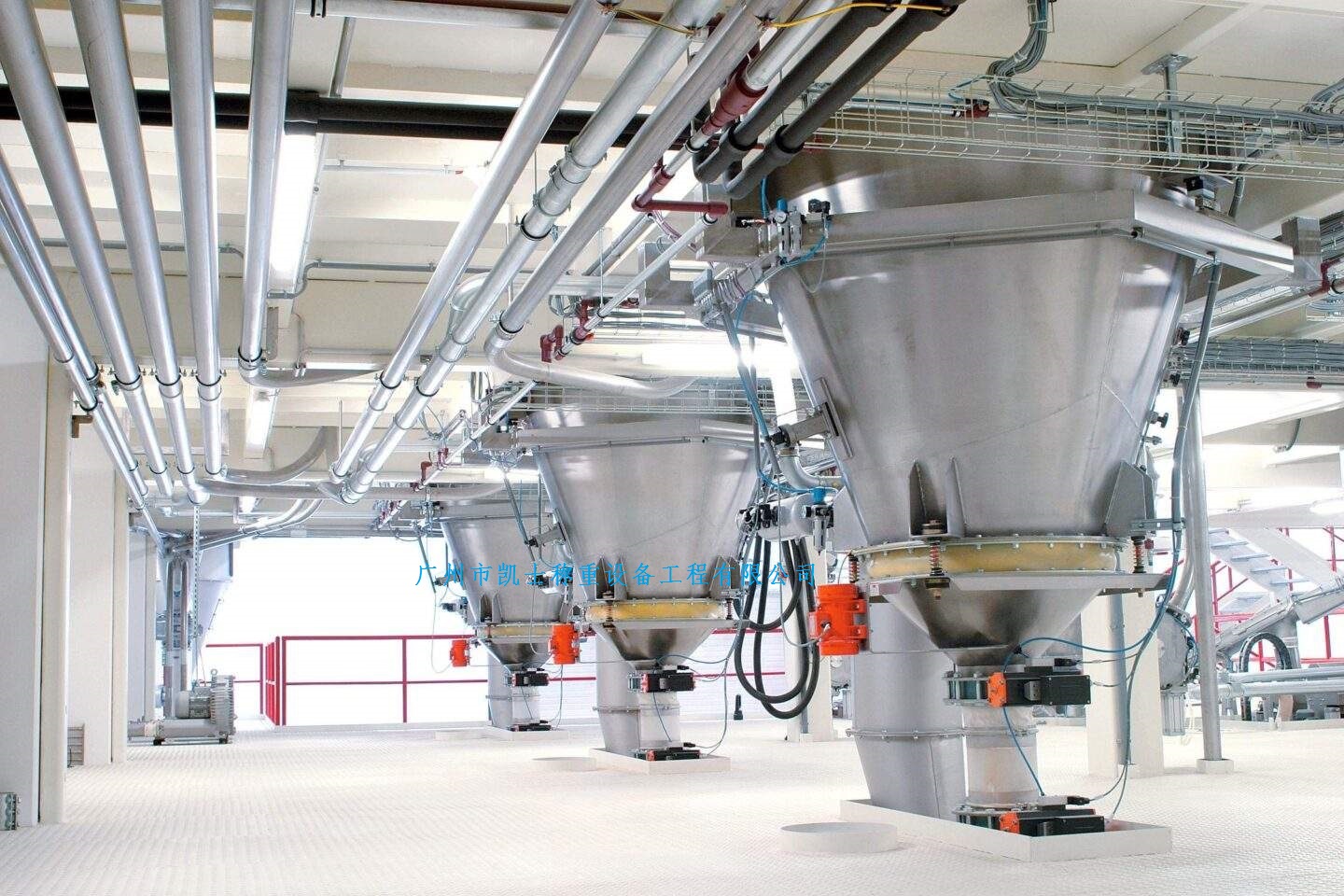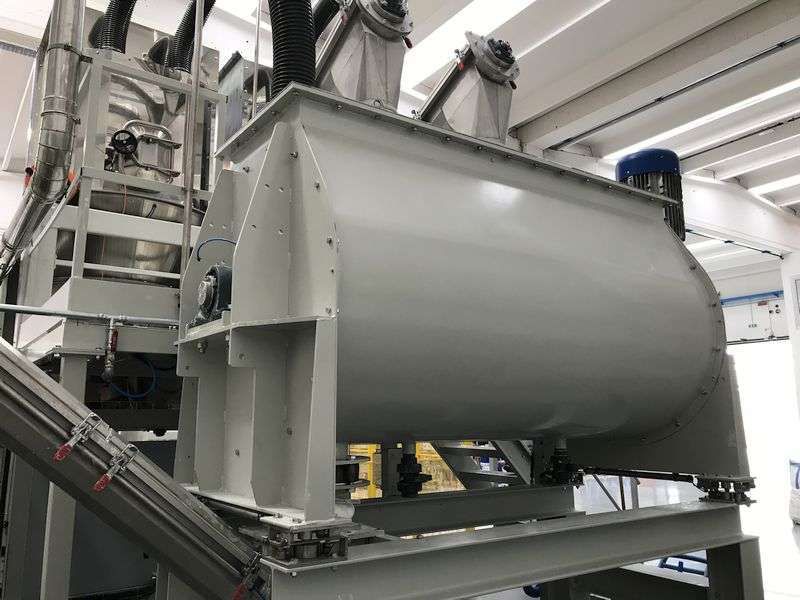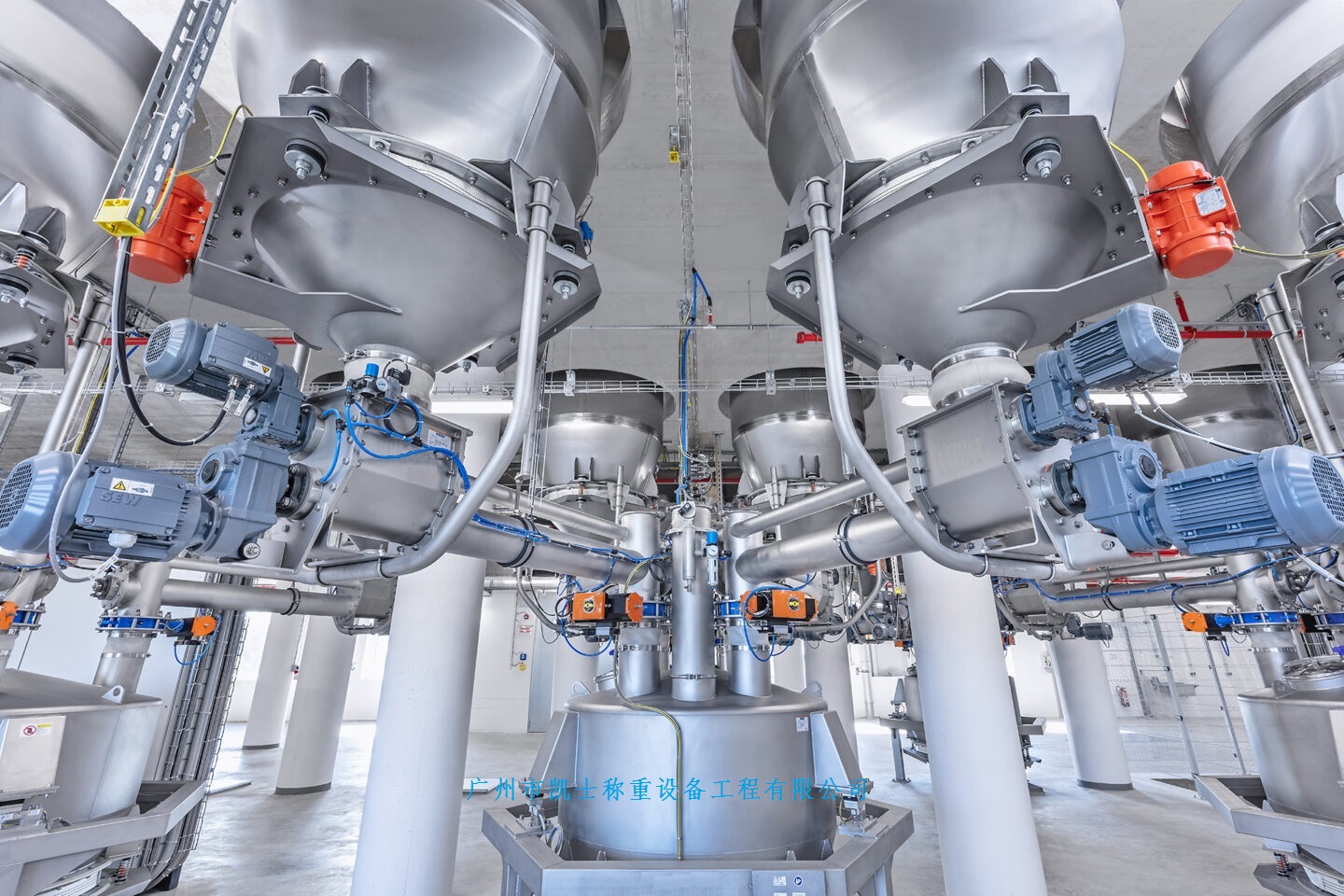



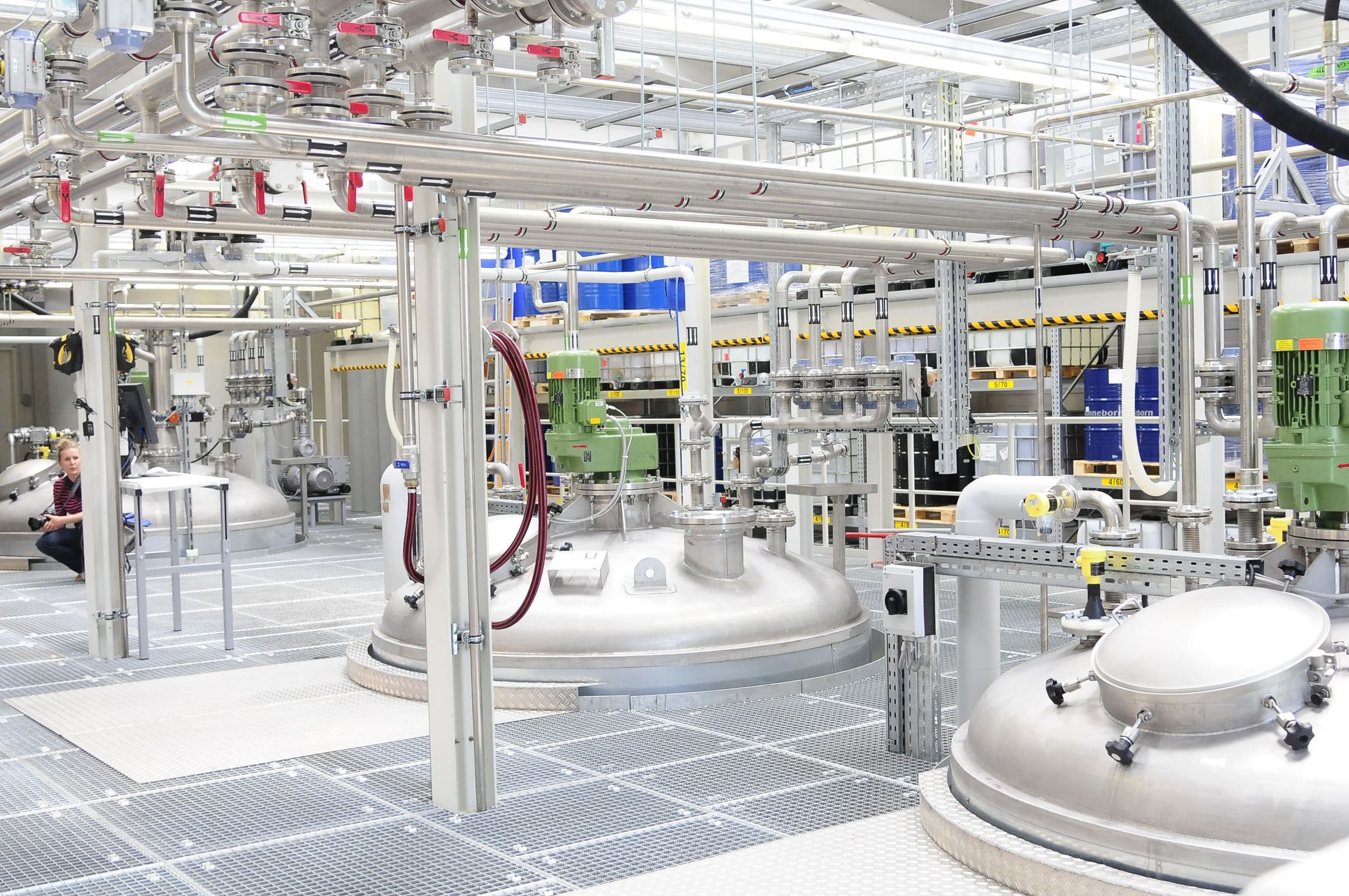


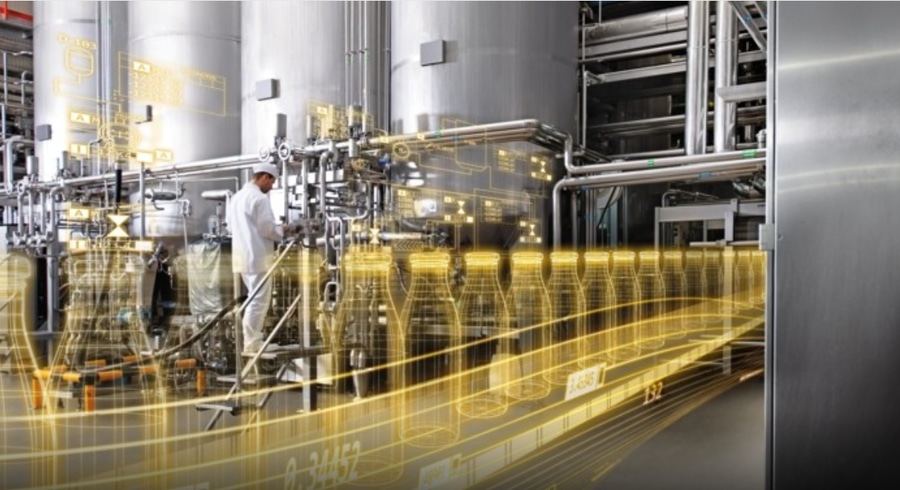
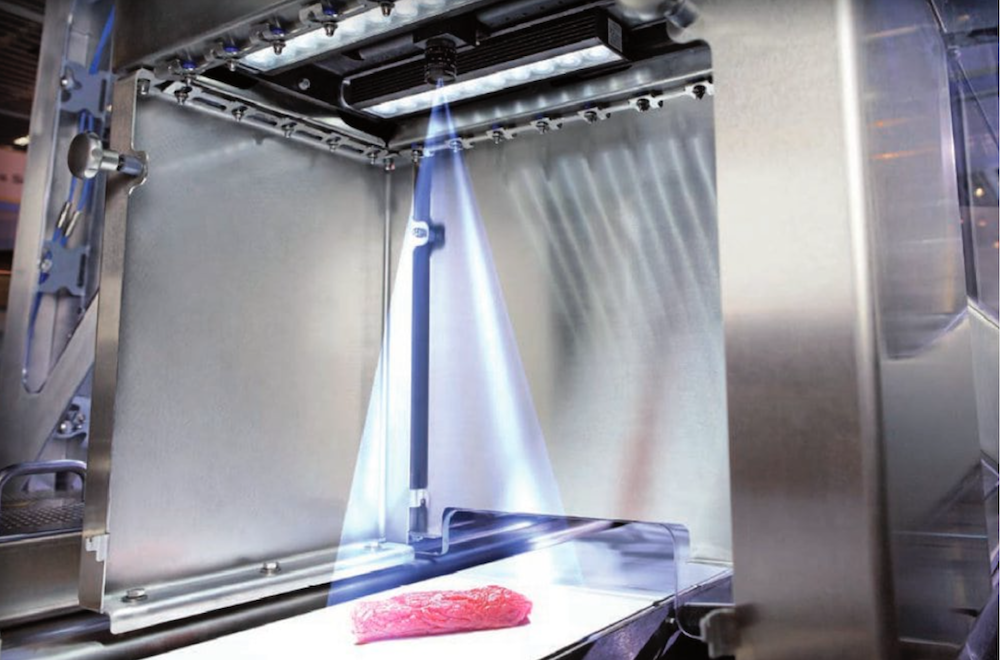
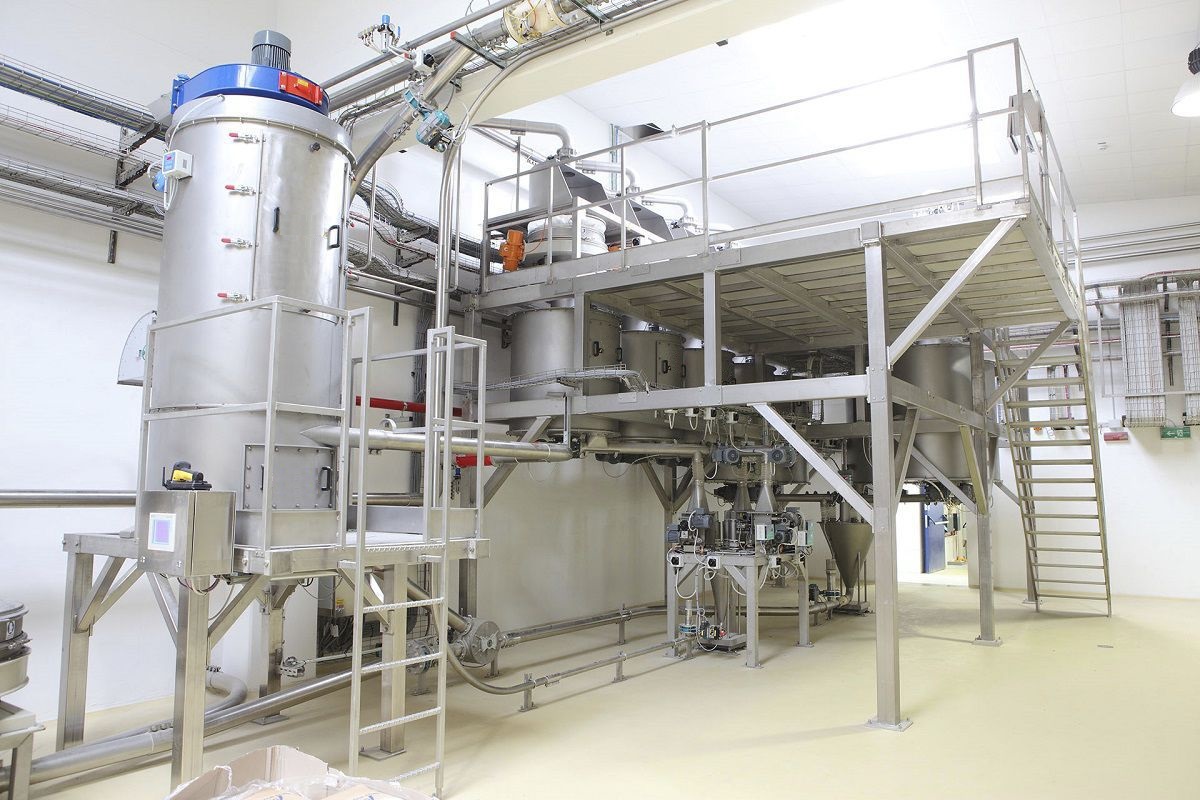
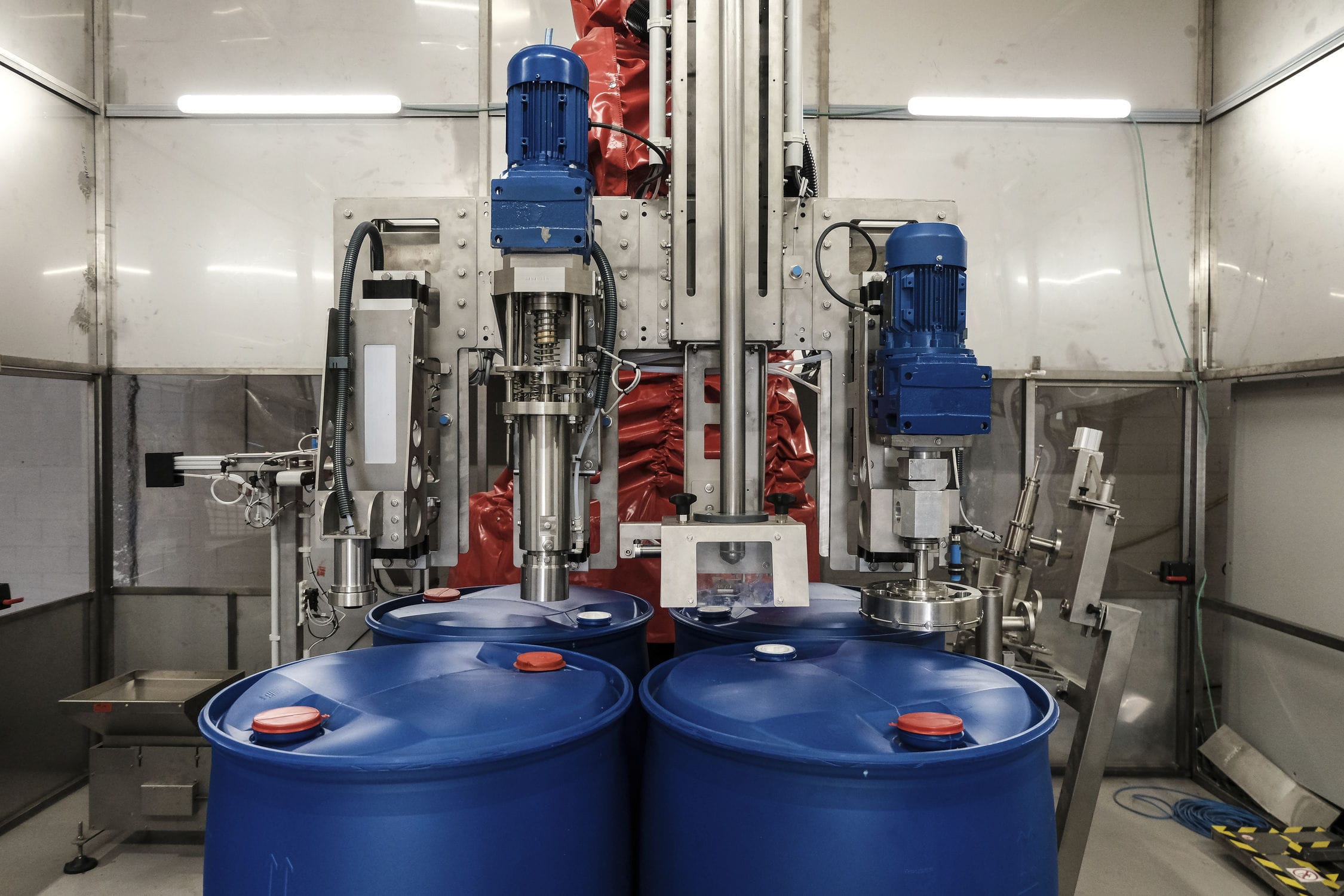
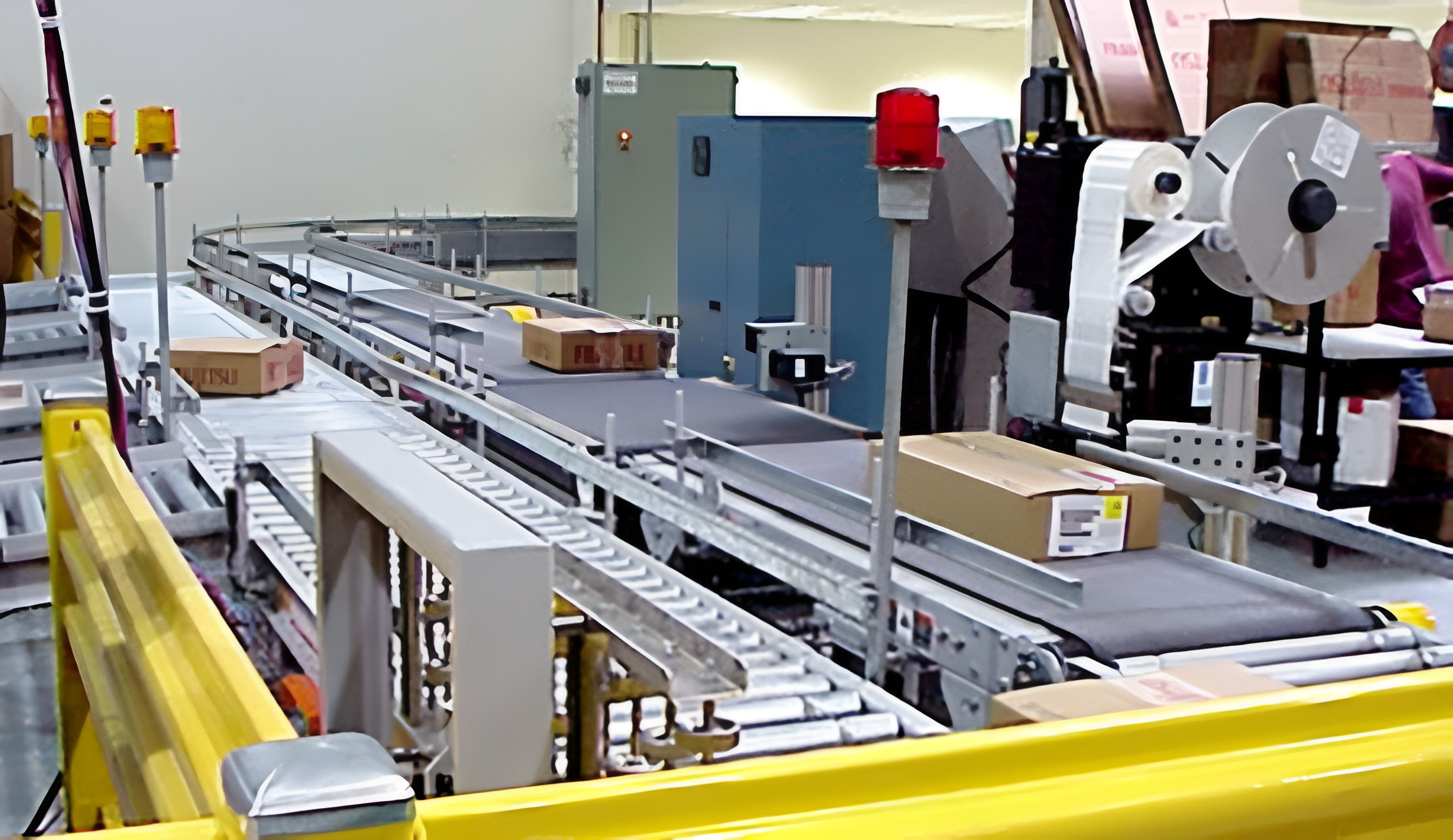


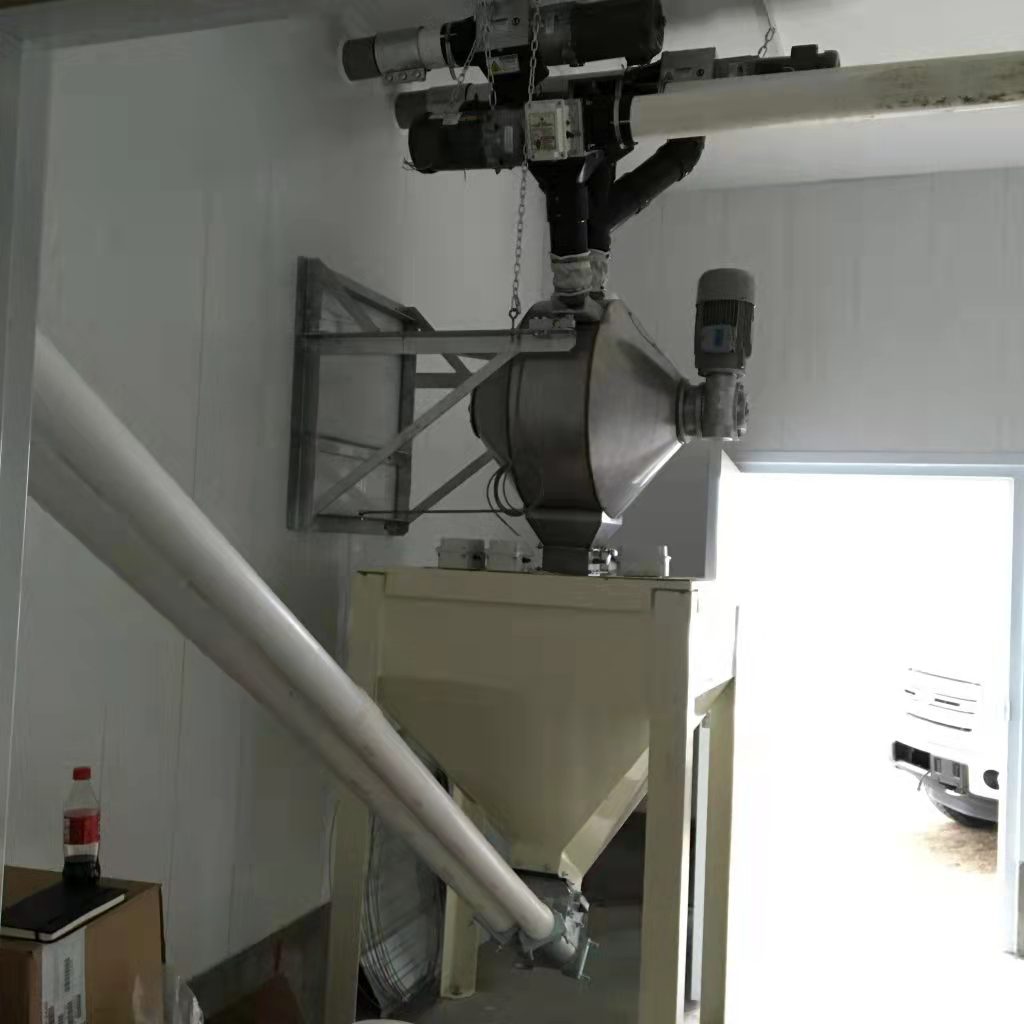
The Reservation feeding system mixes different kinds of raw materials proportionally according to the pre-determined formula. It adopts microcomputer control technology and is mainly composed of pulverizer, elevator, fan, feeder and distributor. The dosing part includes silo, feeder, electronic scale and mixer. The main function of the dosing part is to put all kinds of different raw materials into the respective hopper after the feeding equipment, and then feed into the weighing hopper according to the given proportion of the formula and weigh, and then send it into the mixing machine for a certain period of time for stirring, and then mix evenly into the finished product.

 020-34563445
The Reservation Loading System consists of conveying and feeding equipment, storage equipment, automatic Weighing system, dust removal system and PLC electrical control system. The Feeding machine is an indispensable automated device in ensuring the operation of industrial production and the stability of product quality. It has eliminated the traditional multi-person operation, improved the measurement accuracy of formula weighing, and realized the automatic feeding and precise batching of a wide variety of material types for batch production. The automatic weighing and feeding machine has now been applied in various fields such as lithium batteries, refractory materials, building materials, cement, ceramics, steel, non-ferrous metals, glass, petrochemicals, machinery, boilers, light industry, power, and military industry.
The feeding machine is suitable for sites without continuous batching requirements. These sites do not have high requirements for batching time and can batching by batch. There can be a certain time interval between batches, such as a time interval of 3 to 5 minutes between two batches before and after feeding under the blast furnace trough. Each batch of materials is composed of multiple materials, and the proportion of materials is relatively fixed within a certain period of time according to the process requirements. The composition ratio requirements for individual materials are not strict. As long as the composition ratio of materials in multiple batches can meet the process requirements, it is acceptable.
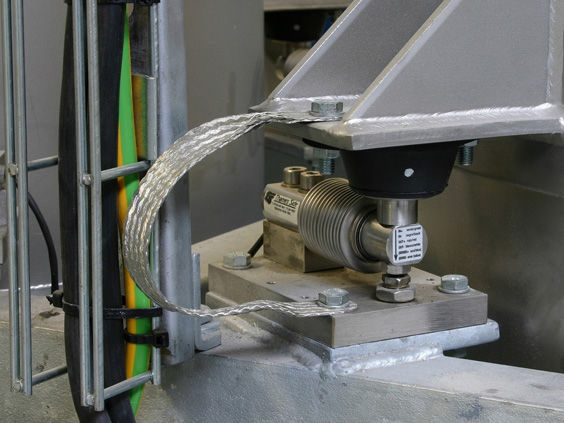
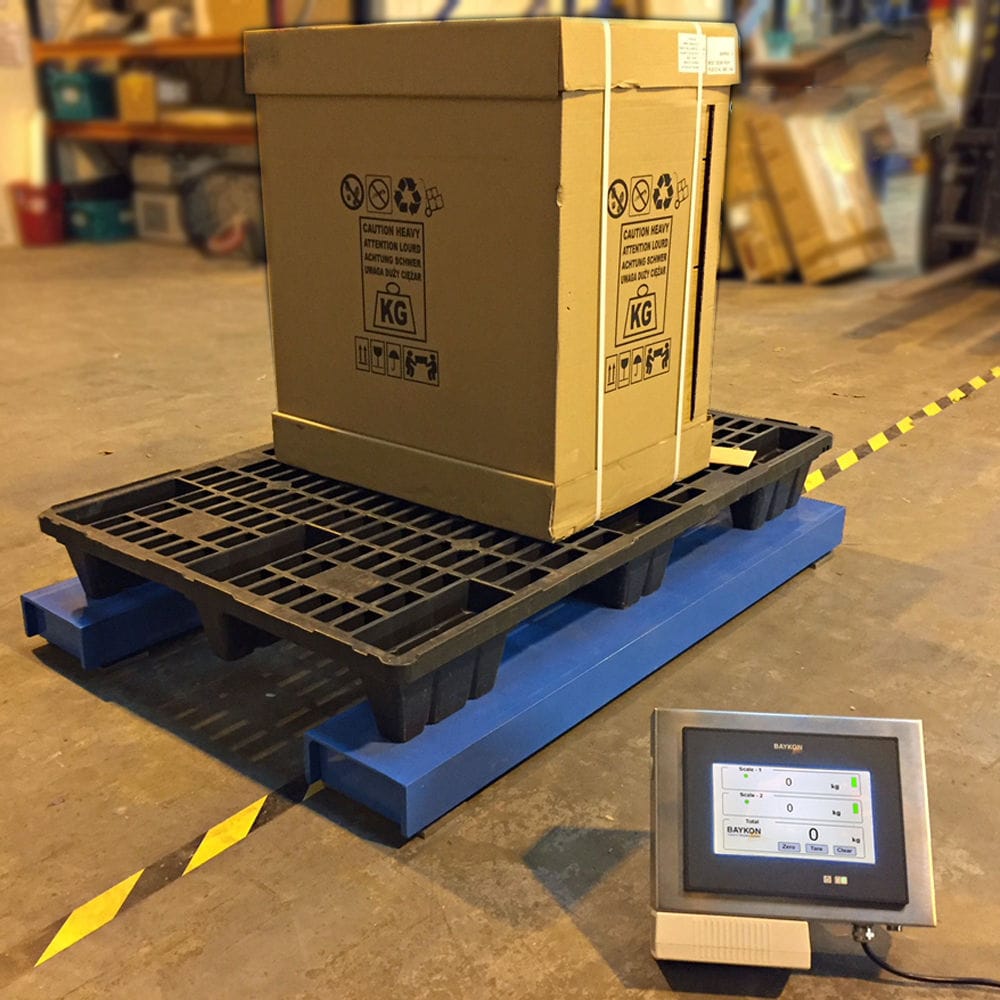
The various materials of the powder Feeder are stored in different silos respectively. The feeding of the silos generally adopts forms such as electric vibration feeding, screw feeding or portal feeding. Measurement is generally carried out in a metering chamber, which is equipped with pressure or tension gravity sensors for force-to-electricity conversion. The signals are amplified and processed by secondary instruments and then connected to PLC or DCS, etc., to complete the measurement. In some application scenarios with strict time requirements, a metering trolley can be used for unified measurement. The metering trolley runs along the track and is positioned under each silo in sequence to add materials in proportion. The addition amounts of various materials are calculated by the subtraction method. There are also cases where a single fixed metering silo method is adopted. Each silo is distributed in a ring around one metering silo, and the measurement of each material is also carried out by the subtraction method. The materials are successively added to the metering silo in proportion through the chute or belt conveyor.
The powder batching machine has its own advantages and disadvantages between separate metering and inspection metering. Separate measurement can be carried out by designing appropriate Electronic scales/weighing bins and weighing instruments based on the weight and volume of each added material, which can improve the accuracy of measurement, especially for small proportion materials. However, the number of metering bins and metering equipment increases several times, resulting in higher costs. The subtraction method of measurement uses a single measurement bin or measurement trolley, which requires less investment in measurement equipment. Meanwhile, since the same measurement equipment is used, regardless of the measurement error, it can ensure that the materials are added in proportion. However, for the addition of small proportion materials, it is difficult to guarantee its accuracy.
After the powder batching and metering materials are collected, they are generally distributed in layers or segments. They are conveyed to the receiving port by conveying equipment (such as belts or trolleys) and enter the next process, thus completing the addition of a batch of materials. Since the material measurement, conveying, and feeding processes can overlap in time, a parallel control method can be adopted in the control flow to save feeding time and increase feeding speed.
Optional components for each part:
Feeding system: Pneumatic conveying (positive and negative pressure), mechanical conveying (bucket lift, belt, screw, tube chain, etc.).
Weighing system: Static measurement (gross weight, net weight, in coordination with mobile trolleys), dynamic measurement (self-gravity flow scale, belt flow scale, screw flow scale, etc.).
Weighing and mixing systems: continuous mixer, intermittent mixer.
Packaging system: Valve bag packaging machine, open bag packaging machine.
Palletizing systems: articulated robot palletizing, mechanical palletizing (high and low positions).
Dust removal systems: pulse bag dust collector, sintered plate dust collector, cartridge dust collector, etc.
Batching control system: Industrial control computer +PLC+ printing.
Functional features
The weighing mixer is suitable for automatic feeding of ton bags and small bags, achieving dust-free feeding.
The unique storage bin arch-breaking mechanism has an arch-breaking function, ensuring good fluidity of the material.
The metering system adopts multiple feeding mechanisms for coordinated control to ensure high speed and high precision.
The hybrid weighing system has both continuous and intermittent mixing methods, with various mixing forms to ensure high speed and high uniformity.
The packaging system can automatically weigh and measure, and the operation is extremely convenient.
The palletizing system can achieve automatic stacking operations, significantly reducing the labor intensity of workers.
The dust removal system can effectively suppress dust and ensure a good working environment during the operation of feeding, metering, mixing and packaging.
It adopts fully automatic computer control, requiring no on-site supervision. It features high precision and fast speed. The control system is convenient and reliable, with intuitive display. It is equipped with a fault alarm system and can be equipped with a printer to print shift output and related data.