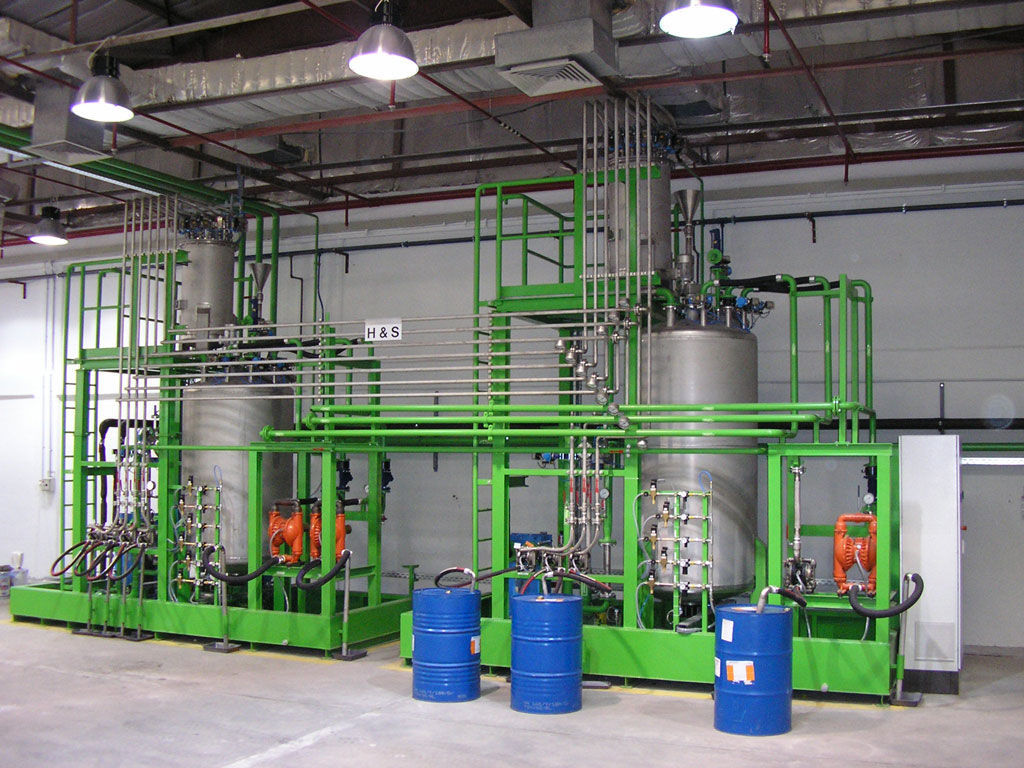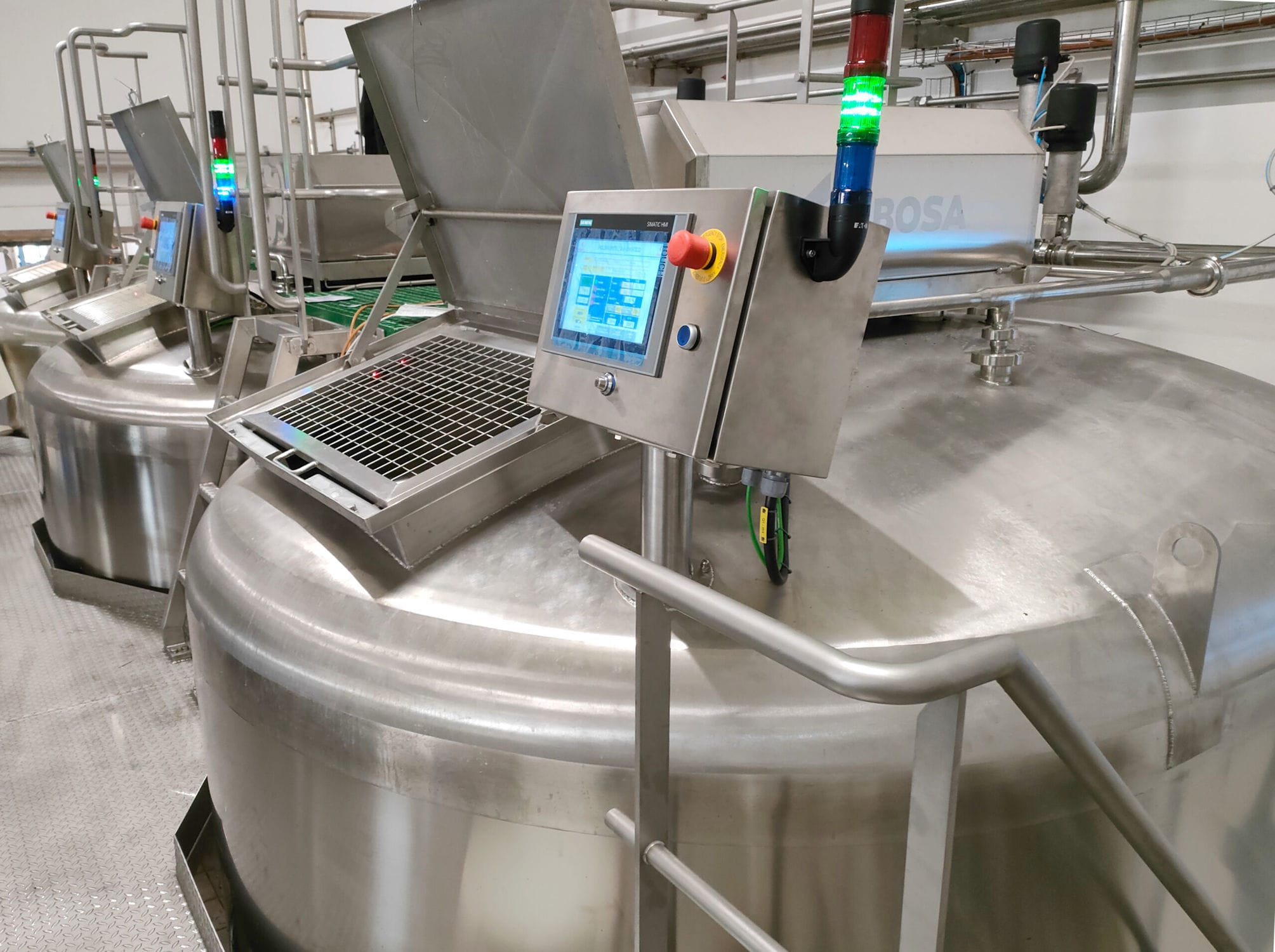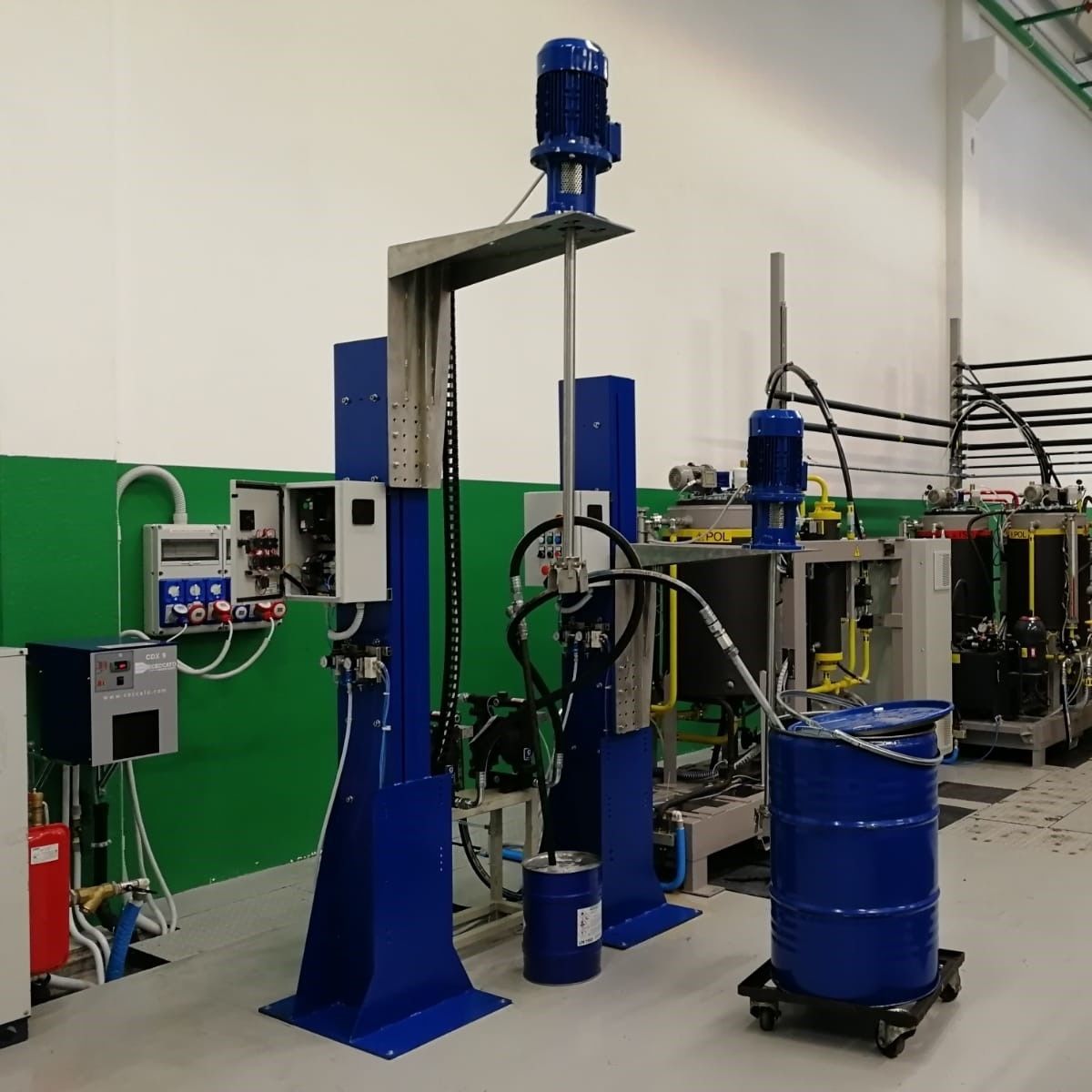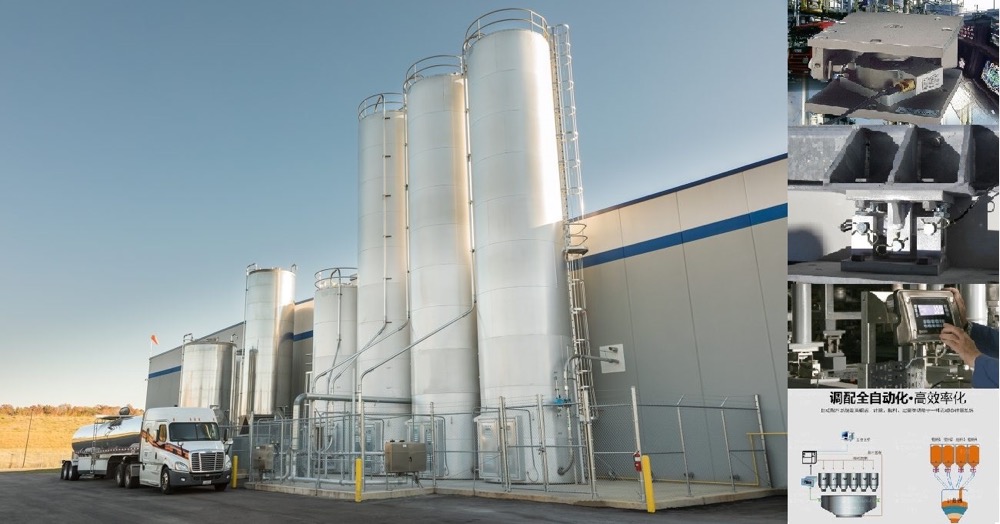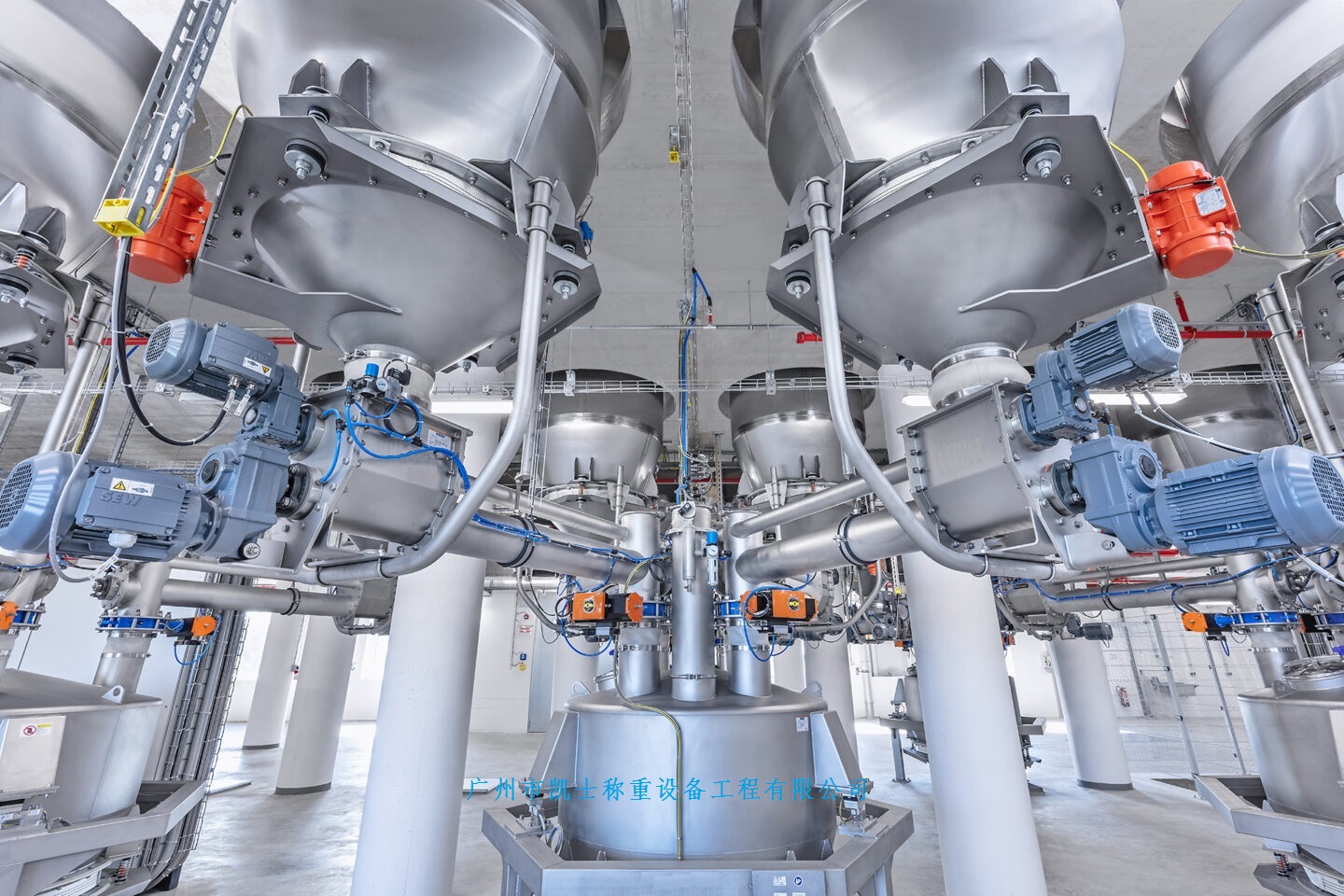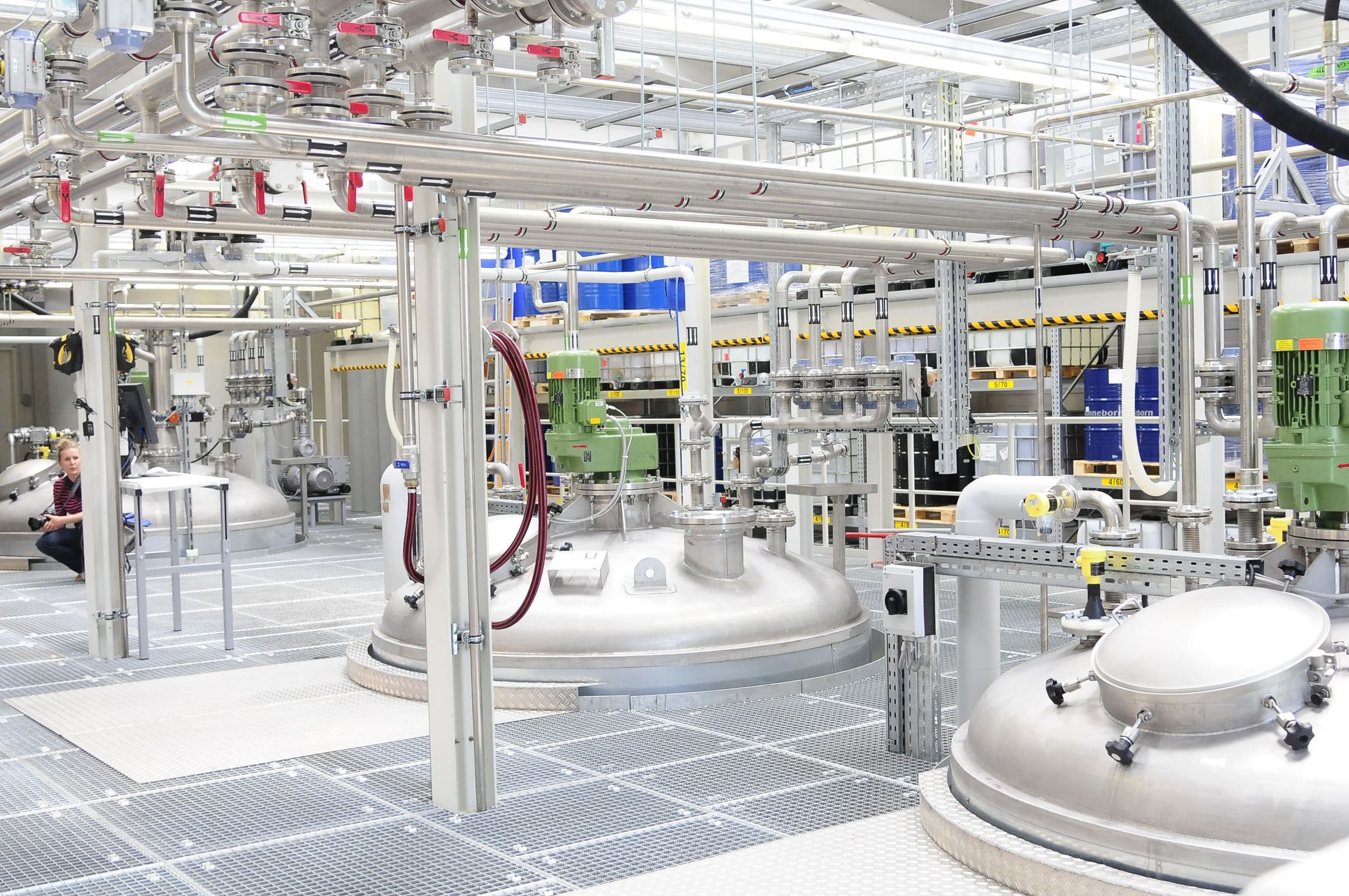




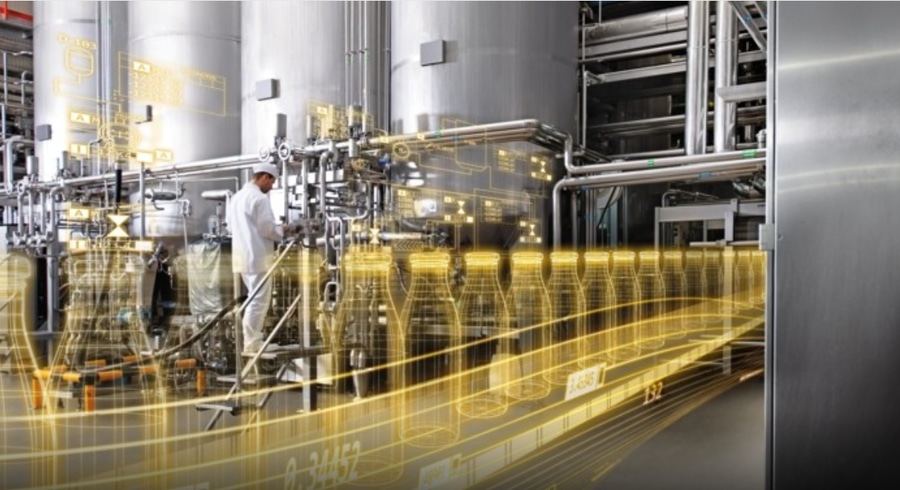
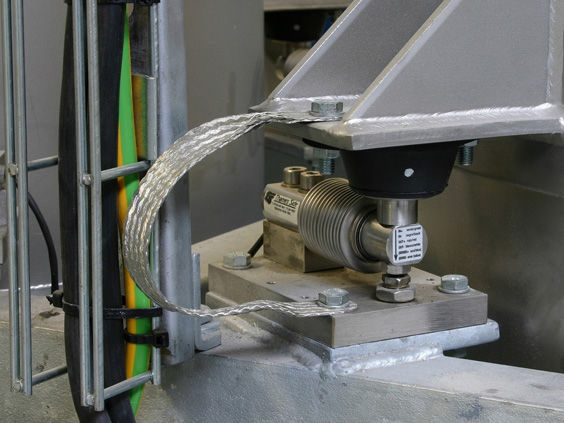
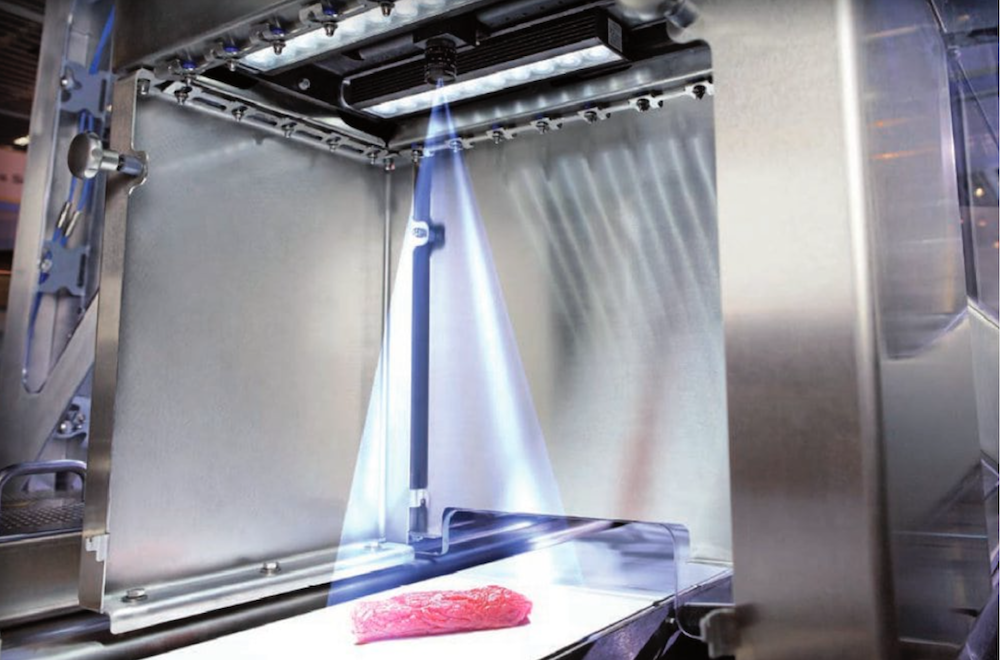
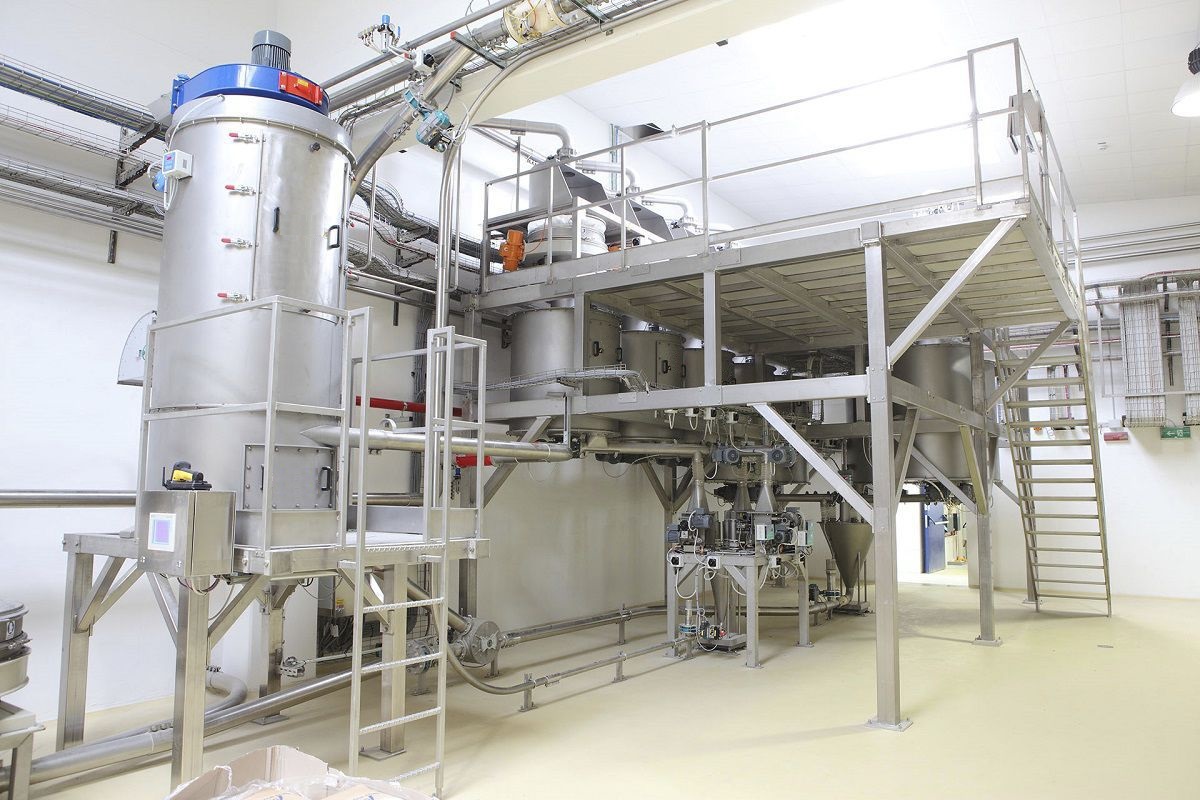
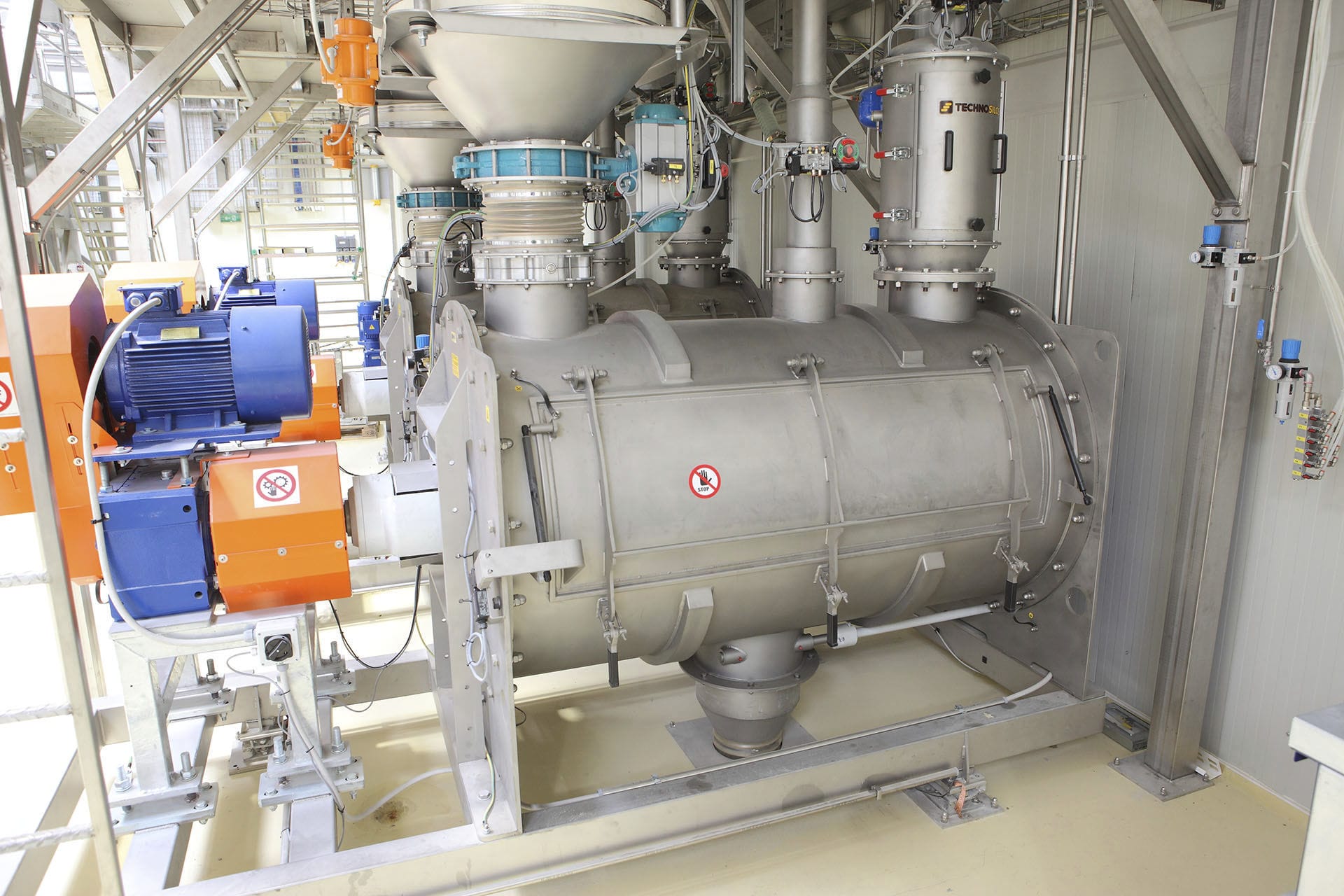
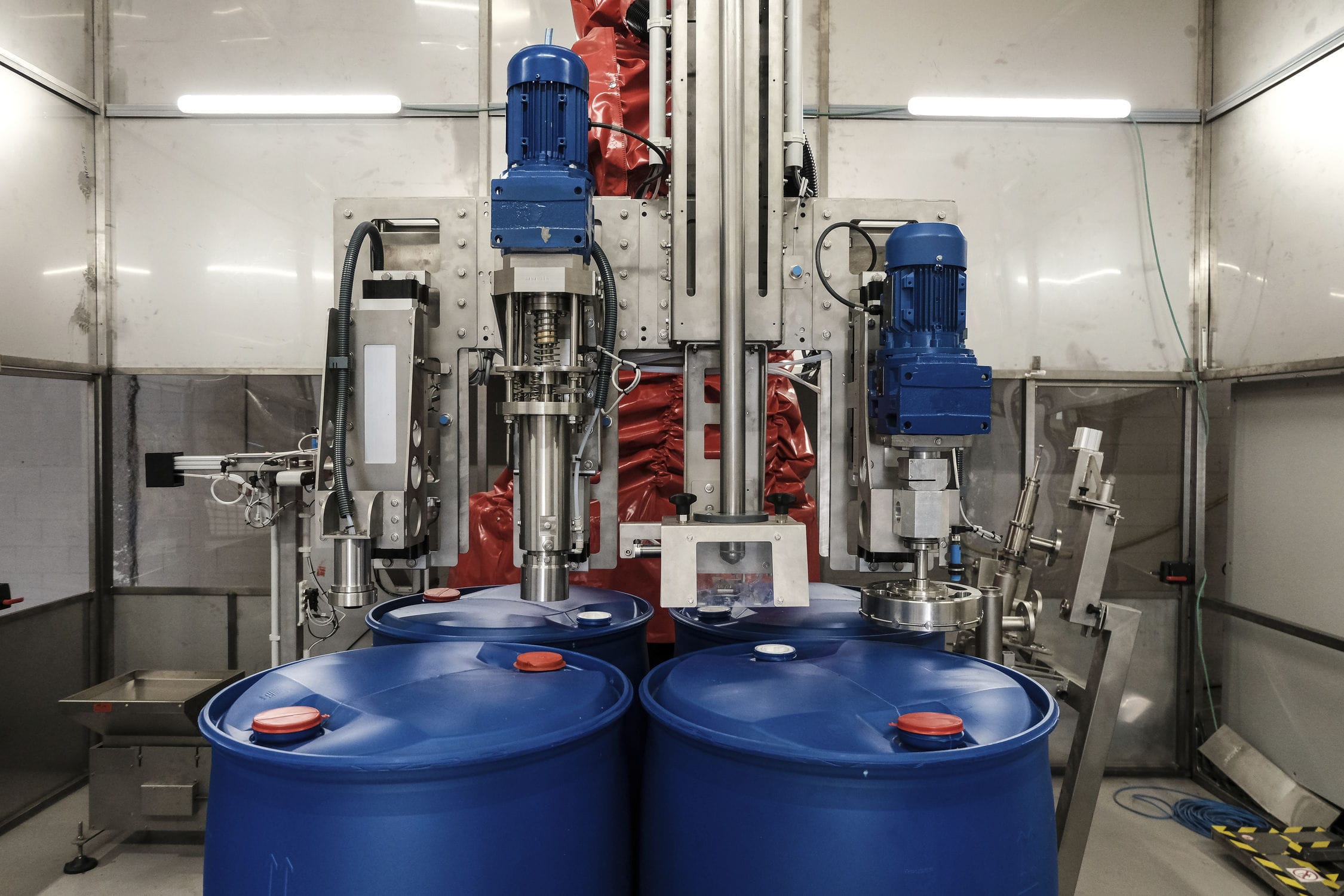
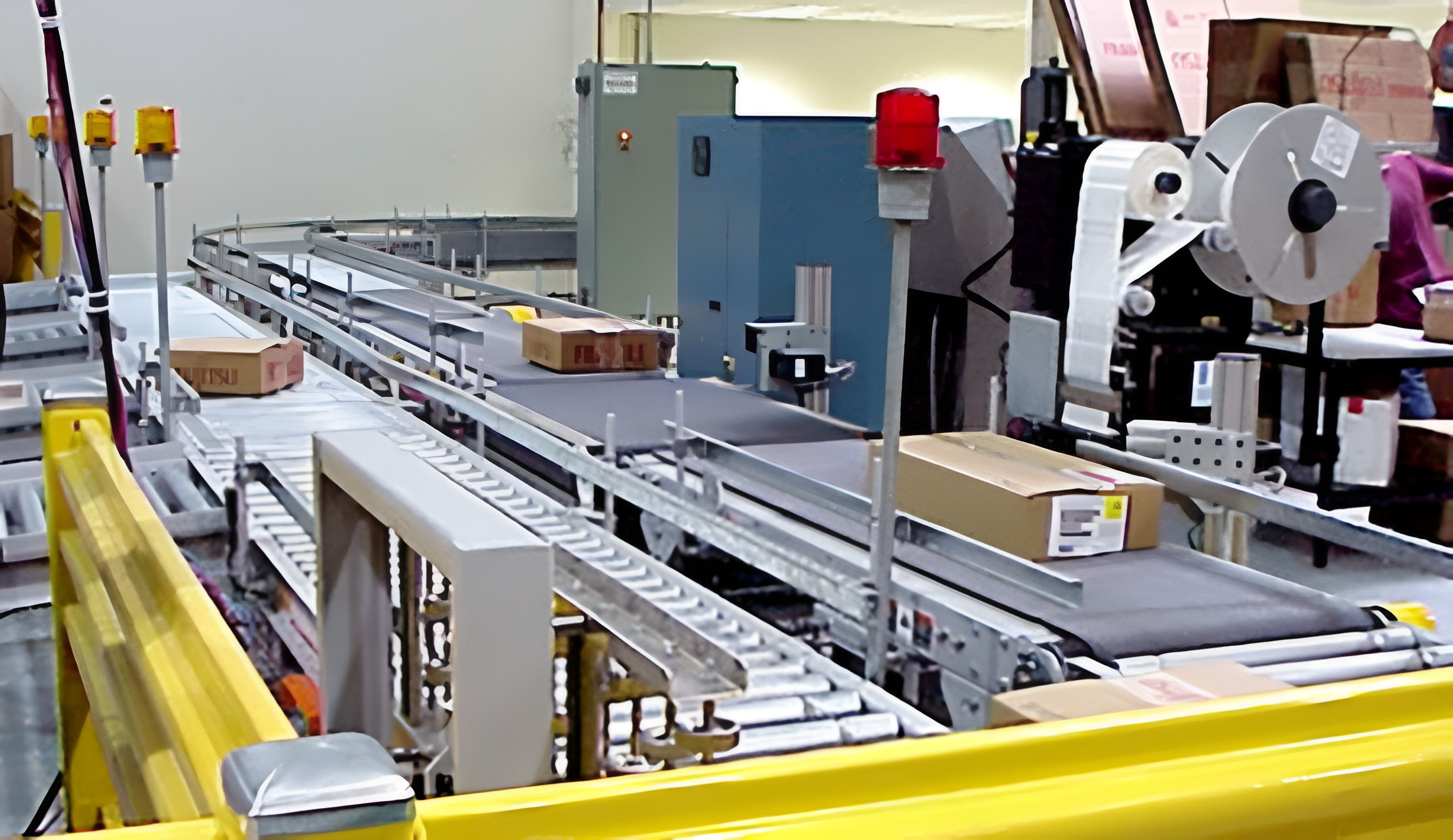
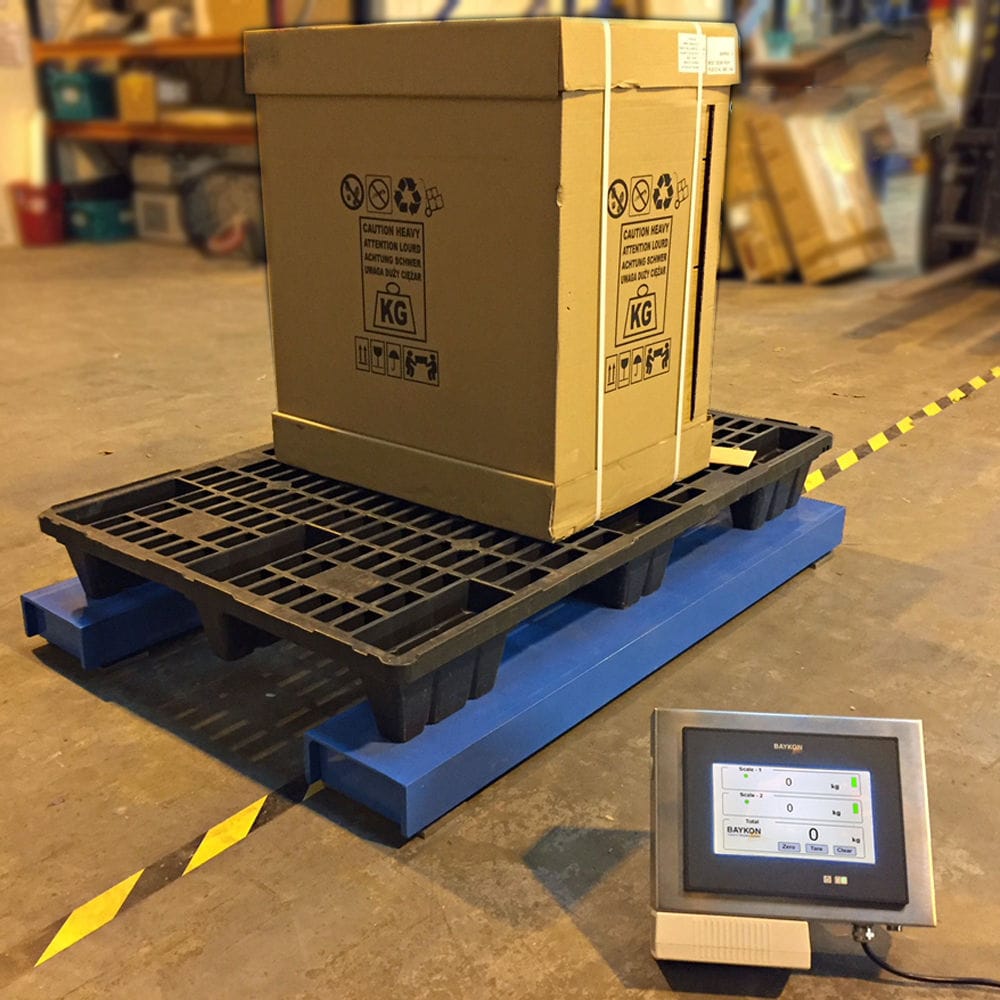


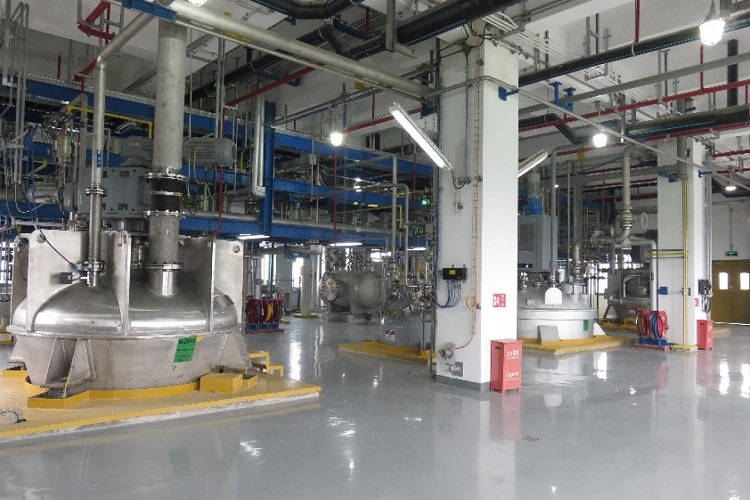
Quantitative Weighing dosing system can be used for material or chemical reaction in a metering equipment, strict control of the reaction temperature, pressure, stirring and material concentration and other important parameters, so that the whole reaction process is more reasonable and adequate. Can be used to meet the reaction process of weighing ingredients, heating evaporation, cooling and low speed mixing weighing equipment. Reaction equipment used to complete sulfonation, nitration, hydrogenation, alkylation, polymerization, condensation and many other processes of organic dyes and intermediates.

 020-34563445
The quantitative weighing Batching system adopts advanced electronic technology, control technology, and modern control theory, absorbing the advantages of various automatic batching systems to date. It is a small-scale batching system that integrates the functions of intelligent instruments, multi-functional loop controllers, sequential controllers, and programmable controllers. It has advanced control strategies, graphical operation interfaces, and online real-time configuration tools, enabling real-time monitoring, recording, operation, management, and continuous control, logic control, and sequential control of industrial processes. It is a new type of computer automatic batching system that realizes the comprehensive automation of complex and diverse industrial processes in various industries, and is particularly suitable for enterprises to establish batching and for the technical transformation of control equipment.
The batching is divided into two parts: dry materials and wet materials. The control part of the dry material batching mainly involves the setting control and automatic adjustment of the mixed liquid, and the batching quantity is proportional to the molding speed, with the ratio remaining unchanged. The feeding control of powder materials is accomplished by a screw gate plate, a fan-type Feeder, a screw conveyor, a bucket elevator, and a metering screw scale. After the feeding system is started, the PLC starts, stops, and regulates the speed of each motor according to the process requirements, and simultaneously sets the feeding amount through the human-machine interface. The analog output module of the PLC outputs a 4-20mA set signal to the metering screw scale, which controls the feeding speed according to the set signal. At the same time, the screw scale transmits the instantaneous and cumulative feeding amounts back to the PLC, which are displayed on the human-machine interface and the upper computer, allowing operators and managers to monitor online and adjust the feeding amount in a timely manner according to the process requirements. The feeding control of additives, starch, and gelling agents is basically the same, and the feeding control is composed of a speed-adjustable screw conveyor, a stirring motor, a fan-type feeder, and a bucket elevator. The control method is basically the same as that of powder materials, except that the analog output module of the PLC outputs a 4-20mA set signal directly to the speed-adjustable screw conveyor, and the PLC automatically adjusts the feeding speed of the screw conveyor according to the recipe set by the human-machine interface. The powder materials that have been proportioned are respectively fed into the screw conveyor, the mixed screw conveyor, and then transported through the conveying to enter the vertical mixer to mix with the slurry, and after thorough mixing, they enter the next molding process.
The feeding system adopts a cascade control loop. While ensuring that the adjustment of the steam supply meets the requirements for dissolved oxygen concentration, it promptly eliminates the influence of pressure fluctuations. If the adjustment of dissolved oxygen concentration is achieved by adjusting the rotational speed of the mixer, the pressure fluctuation in the reactor has an impact on the dissolved oxygen concentration. When the dissolved oxygen concentration is controlled by adjusting the air flow rate supplied, with automatic control, it is considered that the reactor pressure remains constant. As long as the air supply is adjusted to control the dissolved oxygen concentration. At the same time, the combined adjustment of the reactor speed and the air supply is carried out.