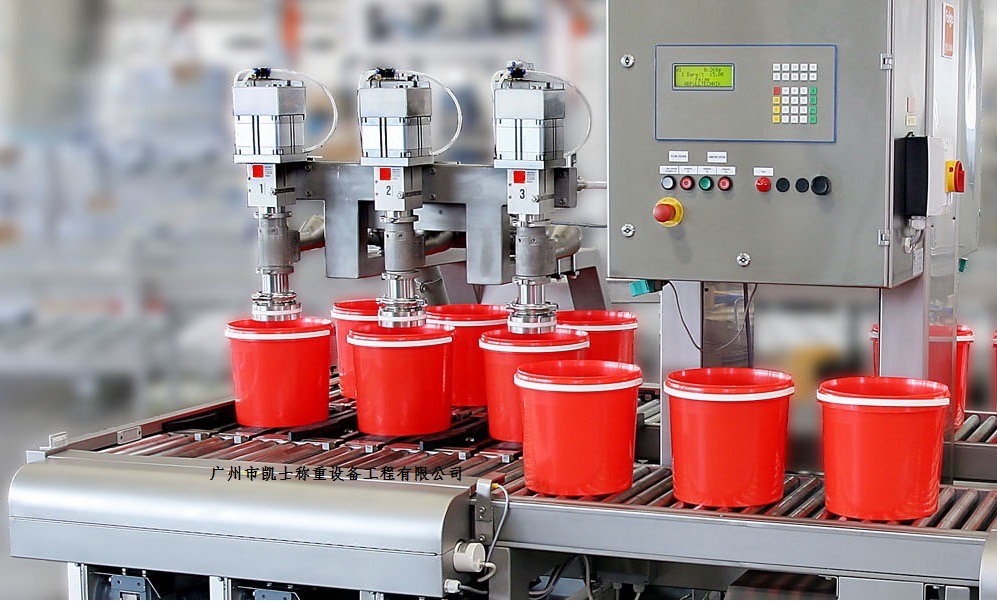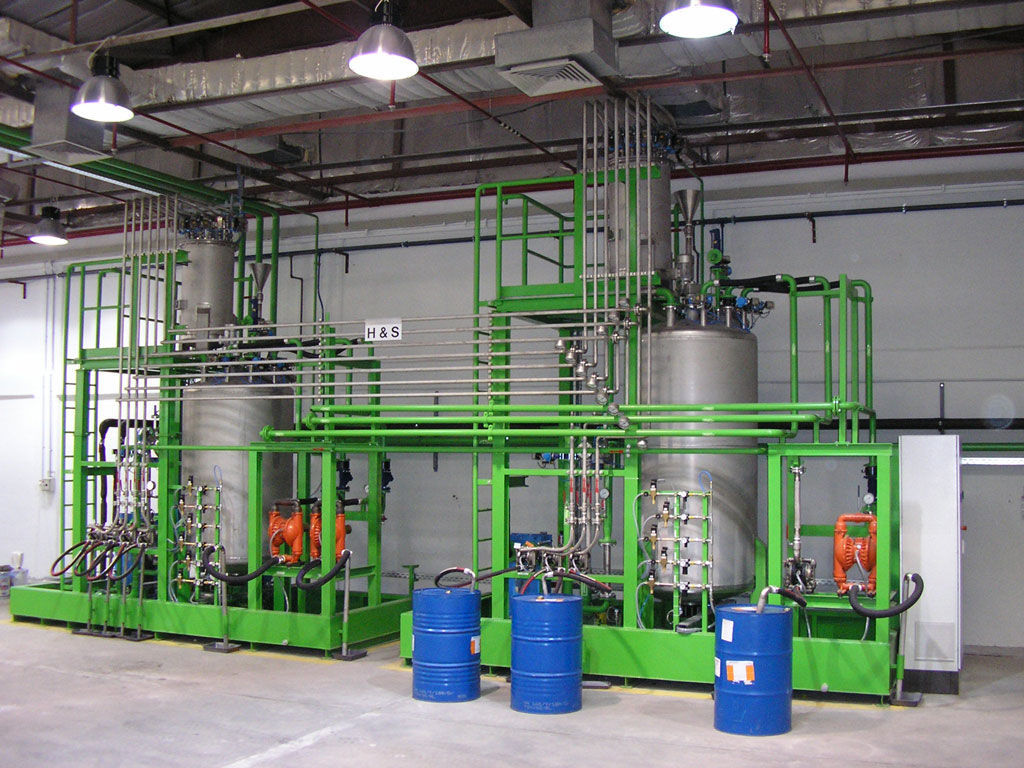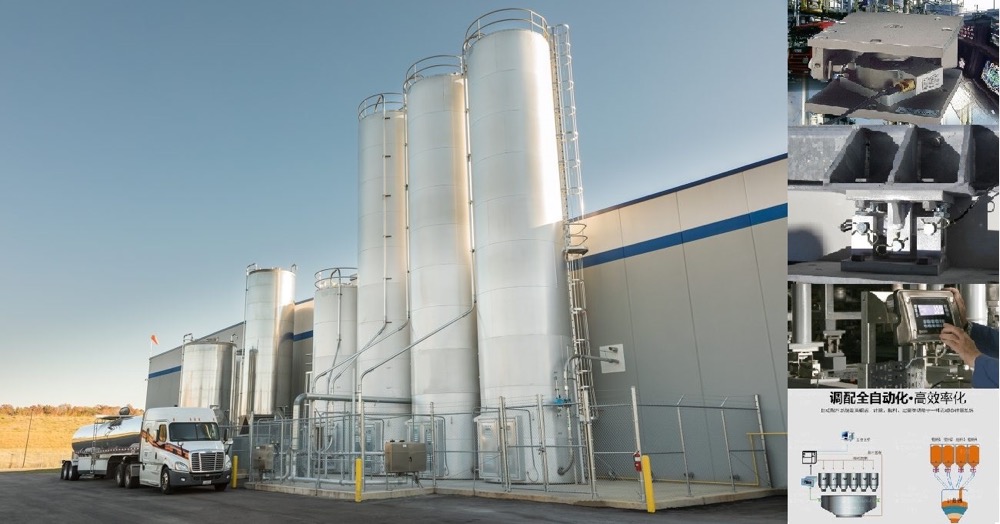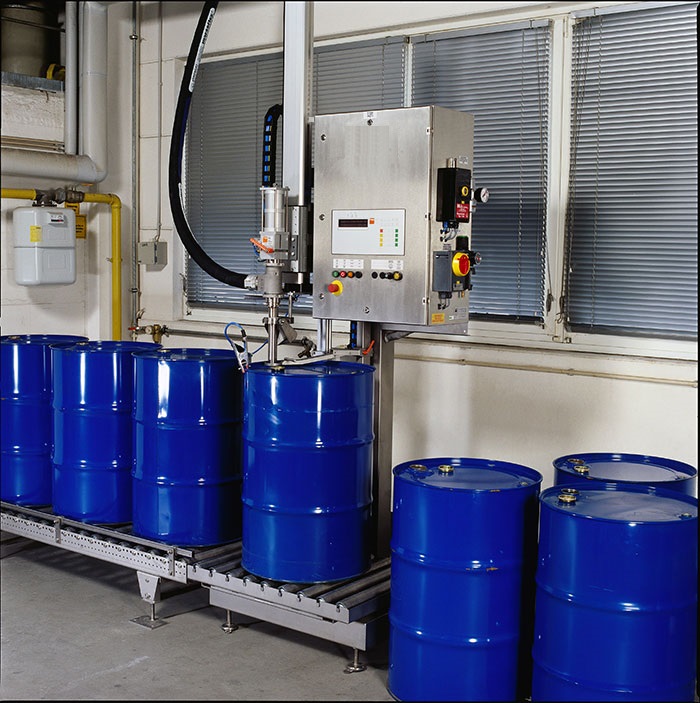


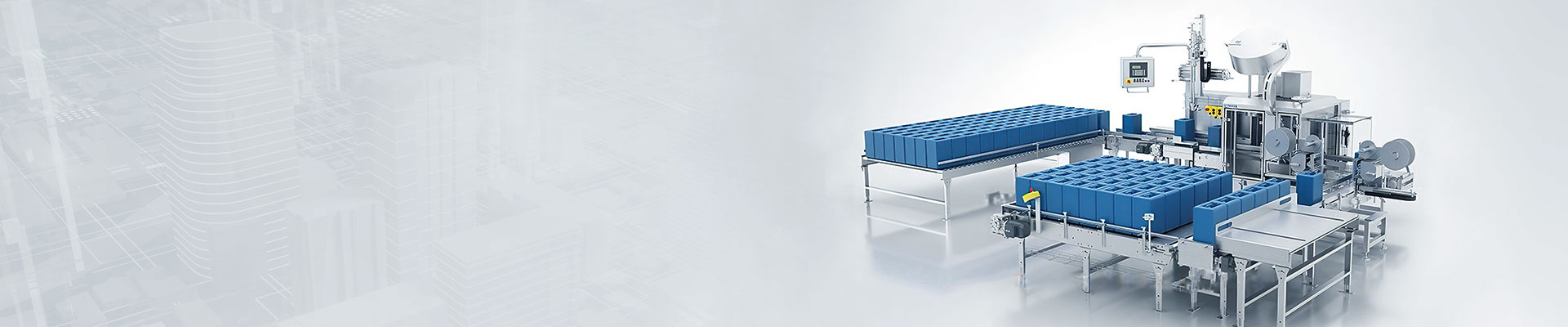
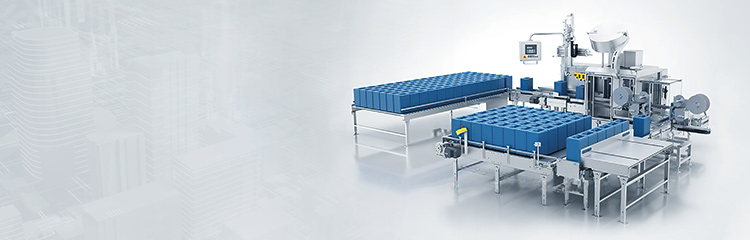


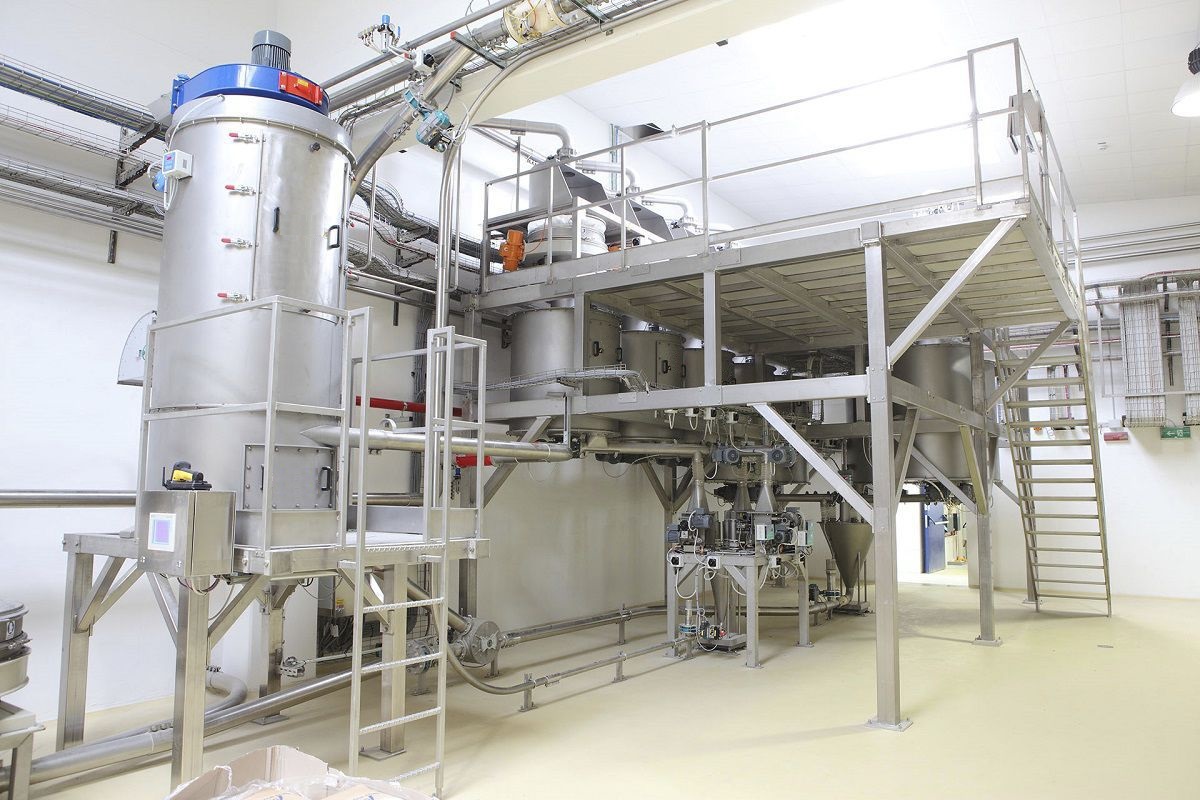
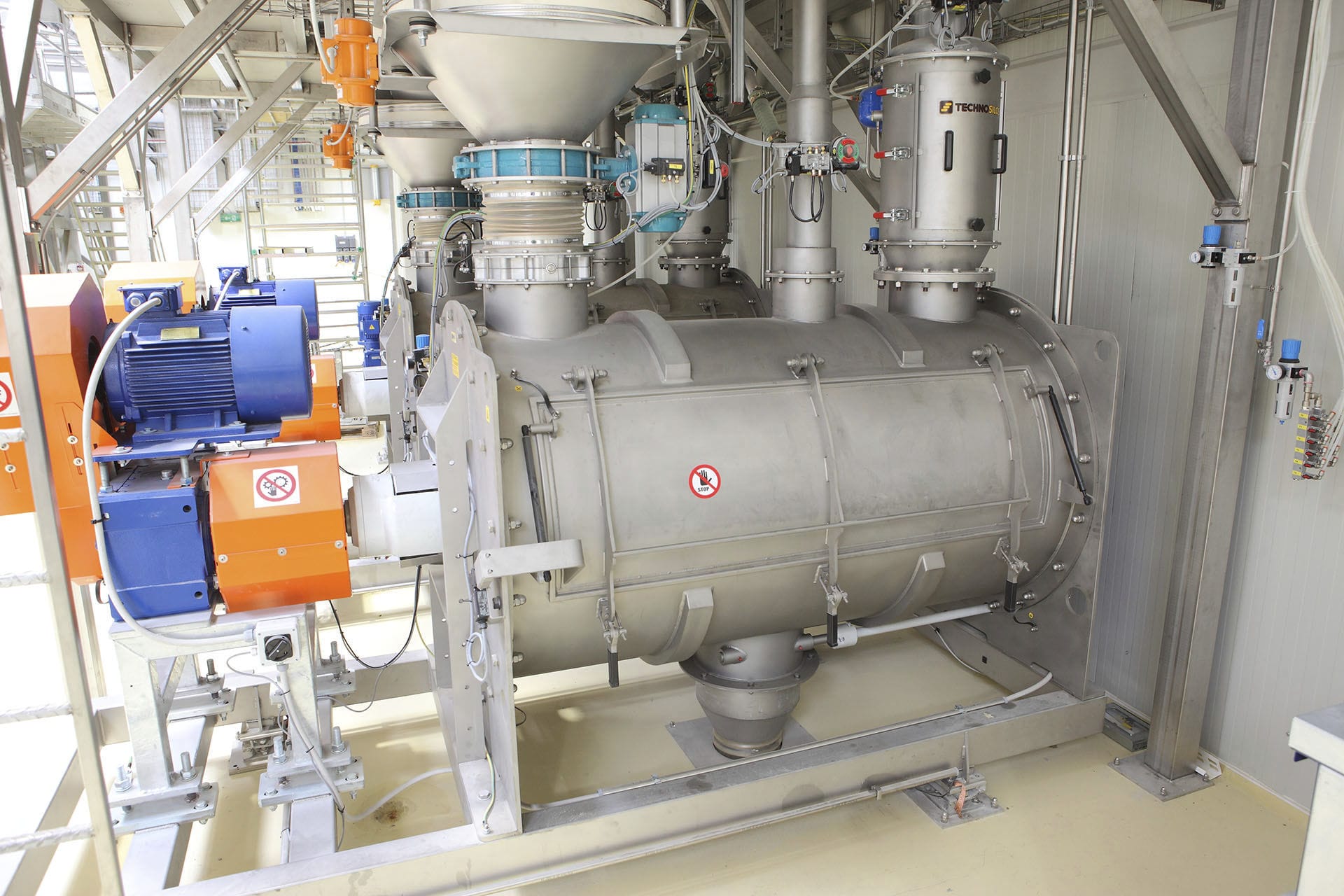
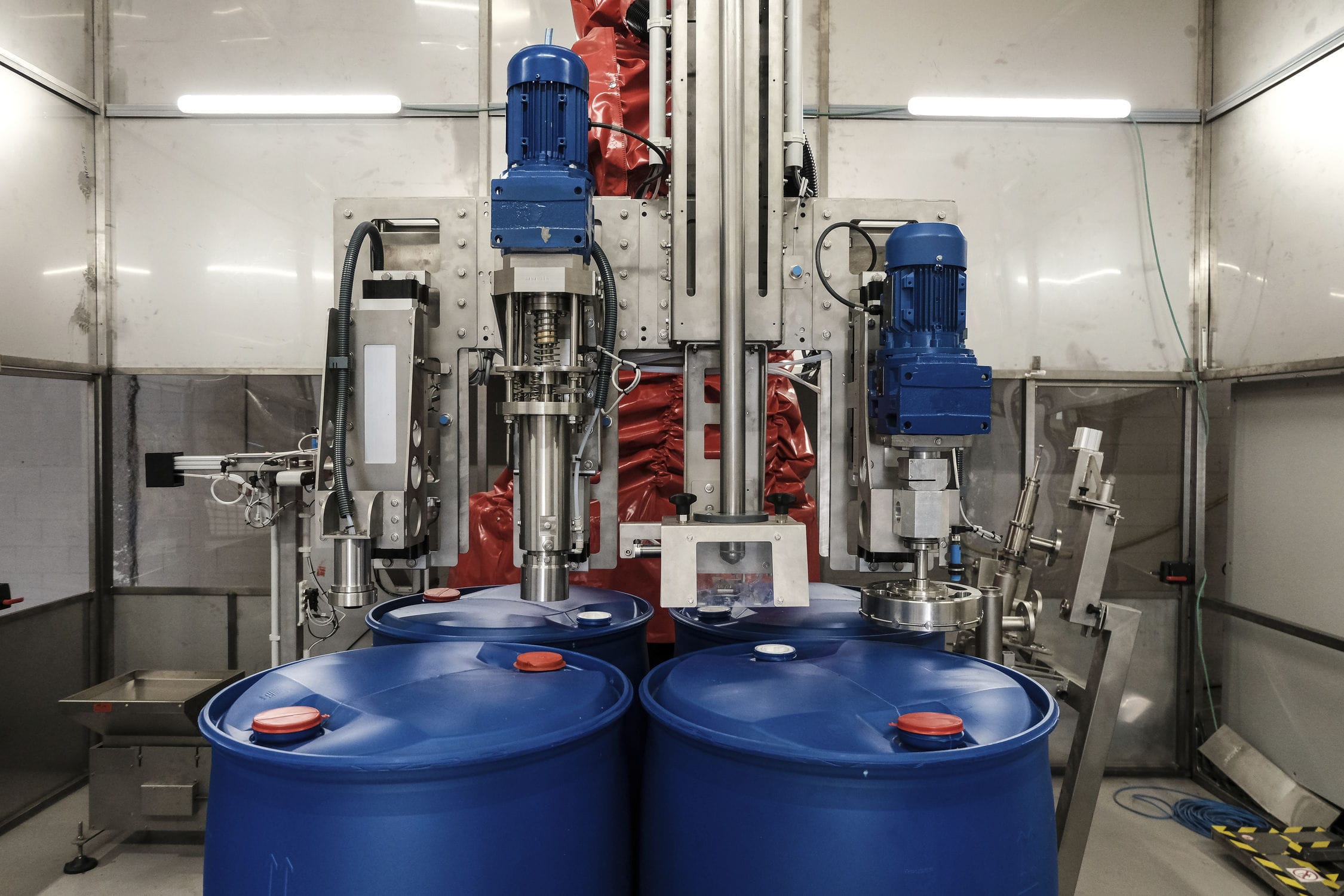
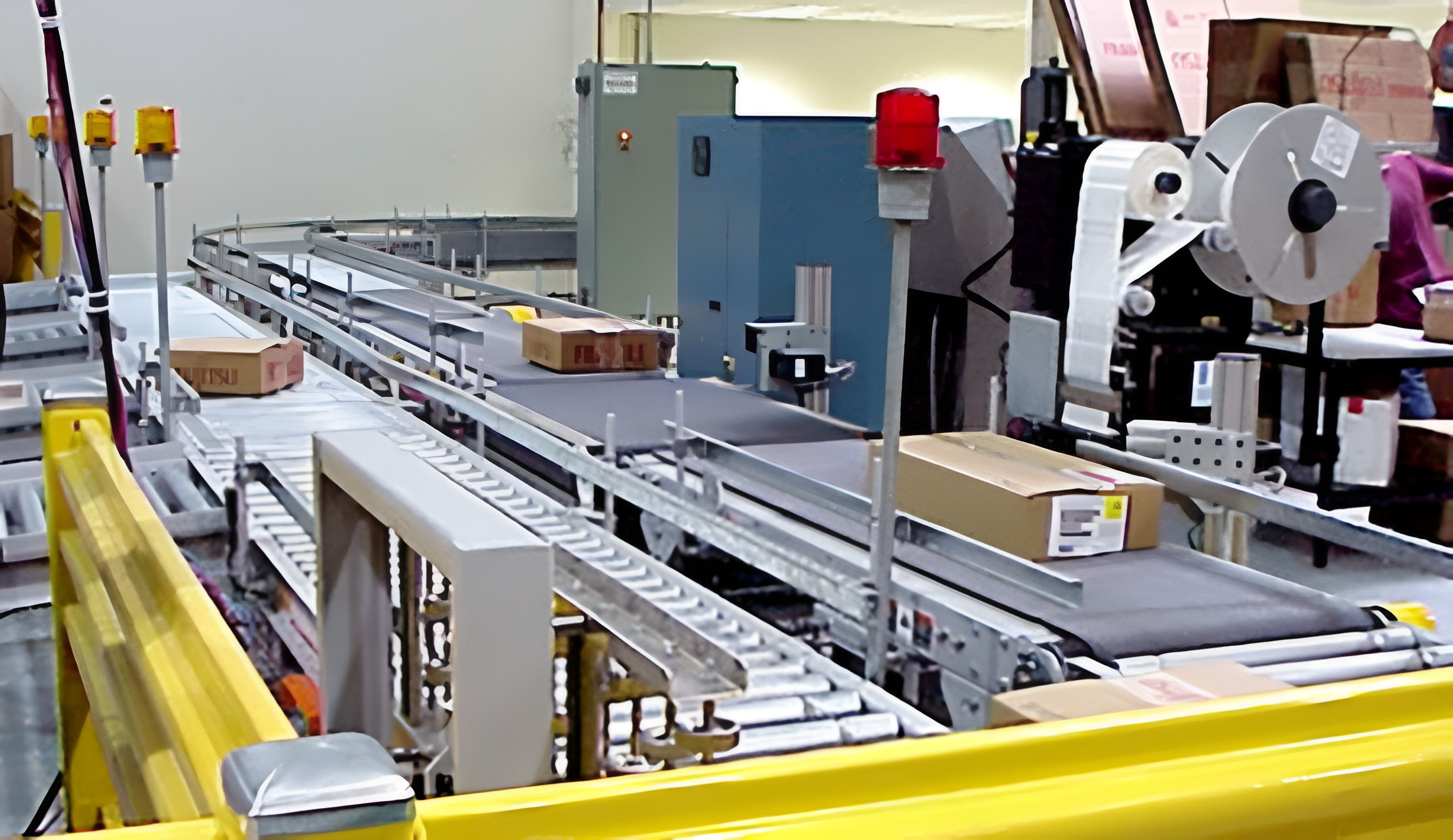
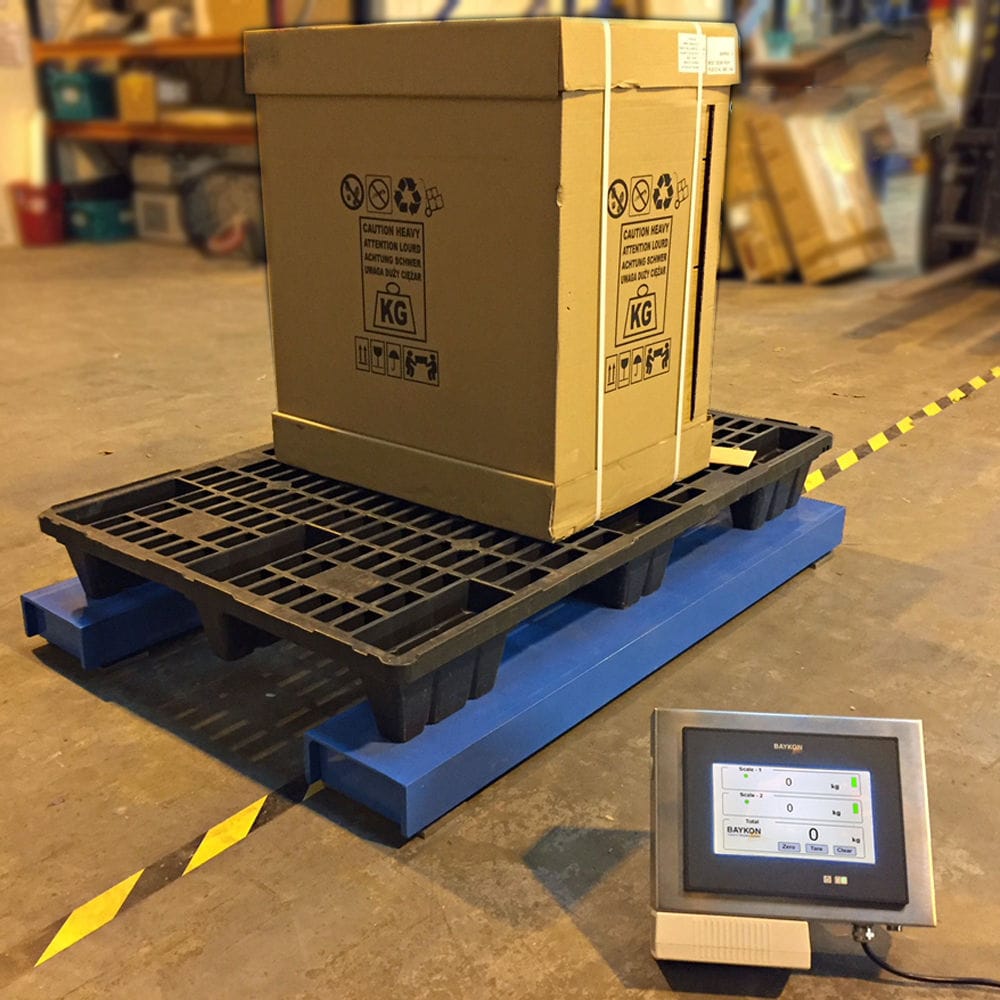


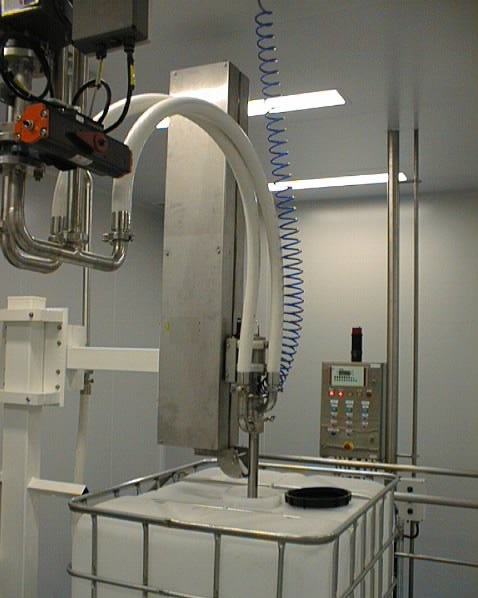
The servo liquid filling machine completes the filling (capping) process and can perform bucket arrangement, filling, bucket arrangement, bucket transportation, capping and other processes. It is composed of a main conveyor belt, a defective product conveyor belt, a filling system, a defective product push device, a photoelectric sensor (positioning), a weighing module, etc. All parts in contact with the liquid are made of stainless steel. The filling is controlled by servo, and the servo drives the main unit. The filling volume adjustment is completed on the touch screen, and the adjustment result is saved in the PC for future reference.

 020-34563445
The automatic Filling machine completes the filling (capping) process and can perform bucket arrangement, filling, bucket arrangement, bucket transportation, capping and other processes. It is composed of a main conveyor belt, a defective product conveyor belt, a Filling system, a defective product push device, a photoelectric sensor (positioning), a weighing module, etc. All parts in contact with the liquid are made of stainless steel. The filling is controlled by servo, and the servo drives the main unit. The filling volume adjustment is completed on the touch screen, and the adjustment result is saved in the PC for future reference. It has functions such as no filling without a bucket, no filling without a bucket, and automatic counting display.
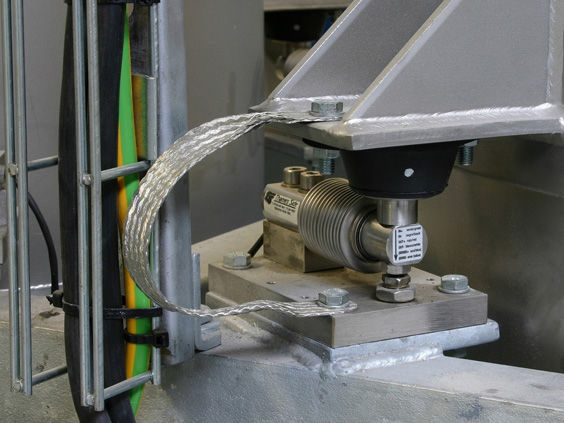
The weighing mechanism structure of the servo Liquid filling machine mainly consists of a feeding motor, a lifting cylinder, a filling gun, a pneumatic ball valve, a weighing frame, a weighing module and limit stop plates, etc. The load cell is fixed between the conveyor and the weighing frame to monitor the weight of the liquid in the hopper in real time. When the weight reaches the set value, the PLC controls the motor to stop rotating, and the power is transmitted to the transmission shaft through the coupling. The lock bucket baffle is opened, and under the action of gravity, the liquid falls onto the Electronic scale bucket, achieving automatic weighing of the liquid.
The automatic filling machine uses the working principle of weighing to simultaneously control the filling volume. The material flows into the container to be filled by itself (or is supplied and conveyed by a pump), and the fast and slow filling are achieved through both thick and thin pipelines. The filling flow rate is adjustable. At the beginning of filling, both pipelines are opened simultaneously. After the filling reaches the fast filling set quantity, the thick pipeline is closed and the thin pipeline continues to fill slowly. Up to the set overall filling volume.
The weighing filling machine is directly connected to the filling gun by the main lifting cylinder and then directly connected to drive the main bucket conveyor belt. The servo lifting motor drives the filling gun. The bucket feeding pulleys are driven by the photoelectric switch of the electronic scale through belt transmission. The bucket feeding servo motor is directly connected to the reducer to drive the bucket feeding. The tracking component and the lifting component are located in the middle of the main bucket conveyor belt of the electronic scale. The material bucket on the electronic scale drives the tracking lifting slide seat for quantitative filling. Enable the filling gun to continuously suck and discharge to complete the filling process.
After the barrel loading mechanism clamps the material barrel, the material barrel is placed vertically. The valve of the filling gun is opened, and the liquid falls into the weighing mechanism to start weighing. When the weight of the liquid reaches the set value, the valve of the filling gun is closed, and the bottom valve of the locking bucket mechanism is opened. Under the action of gravity, the liquid falls into the material bucket conveyor belt on the electronic scale. After being transported by the feeding mechanism, the liquid is conveyed to the material bucket for capping to tighten the bucket mouth, completing the capping action and waiting to be conveyed to the finished product area.
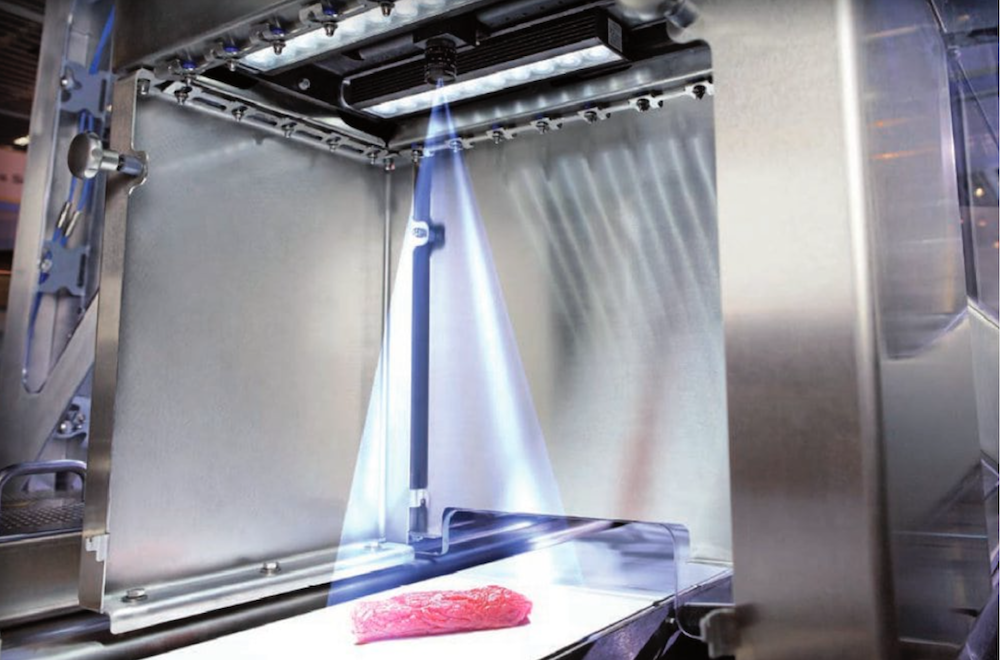
The real-time monitoring of the filling system is detected by the weighing module. The start and stop of the motor, the filling of the Weighing system, the detection, pushing and counting of defective products are all controlled by the PLC. After pressing the start button, the production line enters the automatic working state. Once the working conditions are met, the material barrels enter the filling process along with the conveyor belt. After the filling is completed, the conveyor belt continues to start and run. When the material bucket smoothly enters the filling frame along the main conveyor belt, the photoelectric sensor signal of the filling frame is sent to the PLC. The main conveyor belt stops for 1 second, and the bottle clamping device is fixed. One second later, the solenoid valve of the filling frame opens, and the cylinder starts to fill the material. When the filling reaches the quantitative range (and is full), it automatically stops. During the filling process, there is an alarm prompt. After the filling is completed, The main conveyor belt starts up and checks whether the bottles are full through the weighing module. Those that are not full are pushed into the defective product conveyor belt by the push rod. Count during the full bottle detection process (count genuine products and defective products separately).