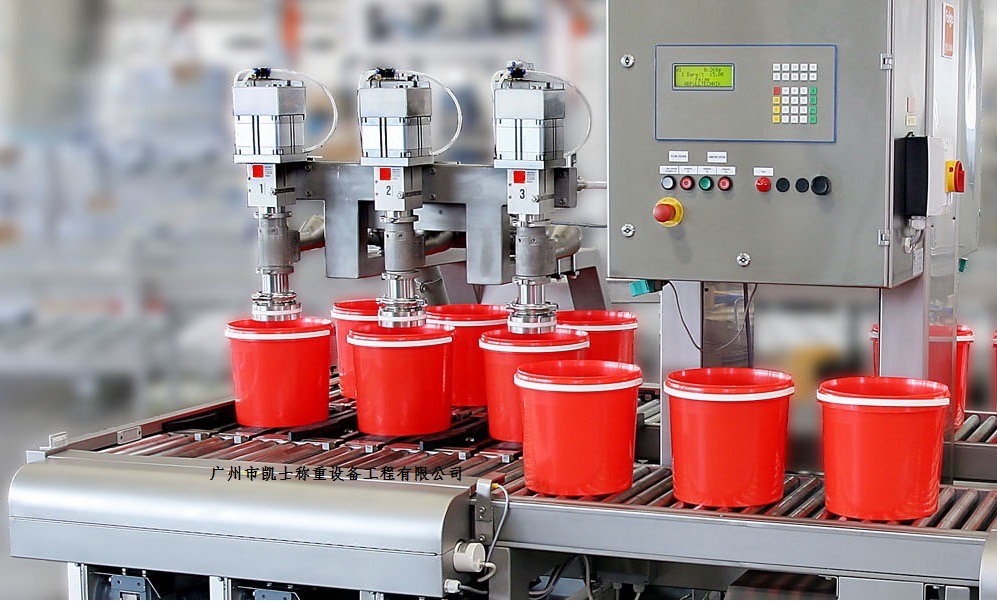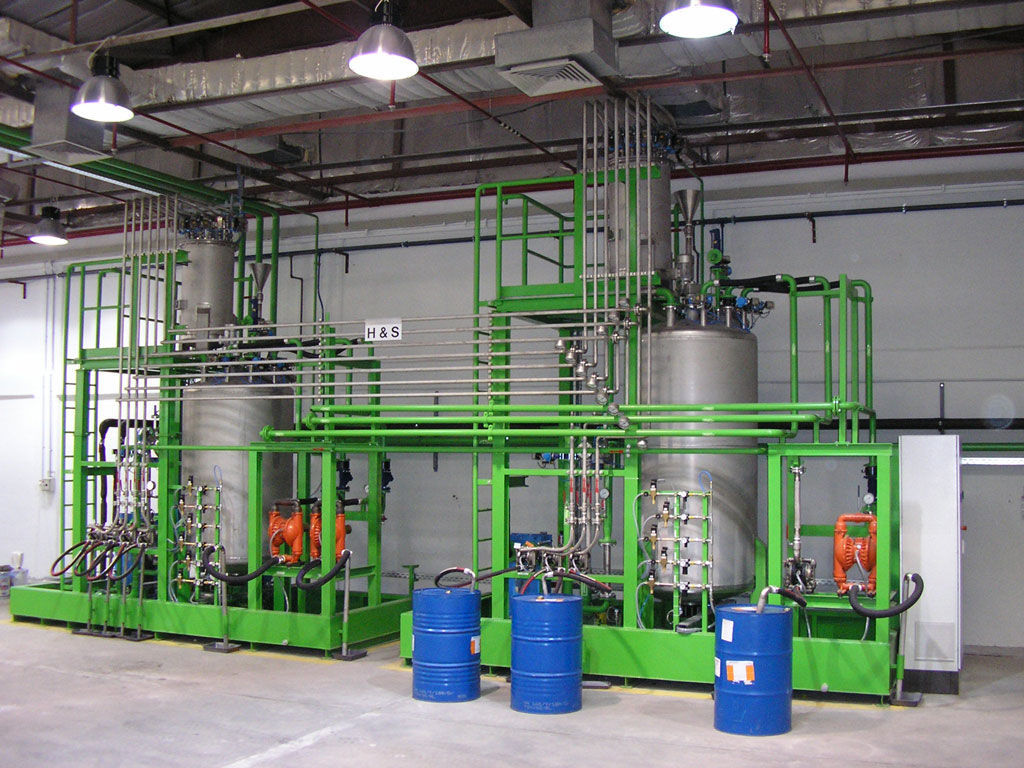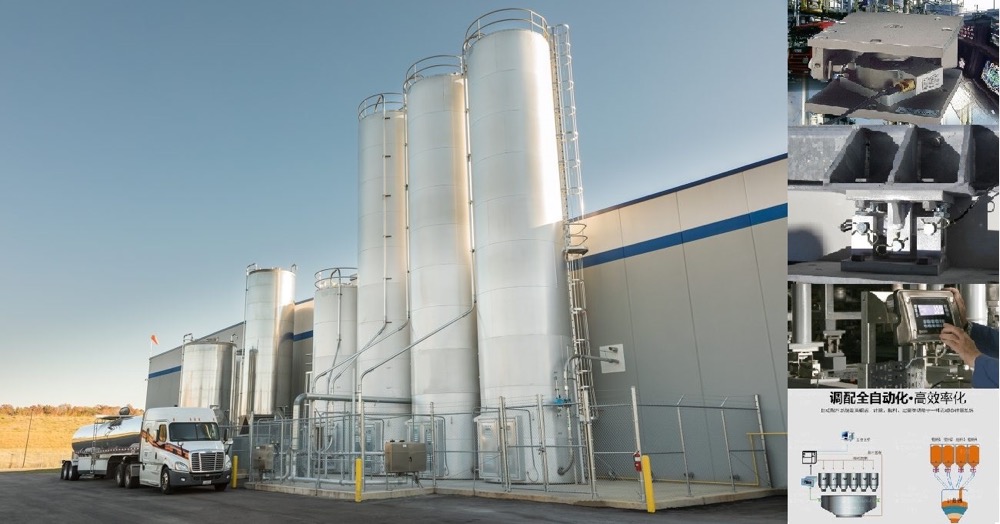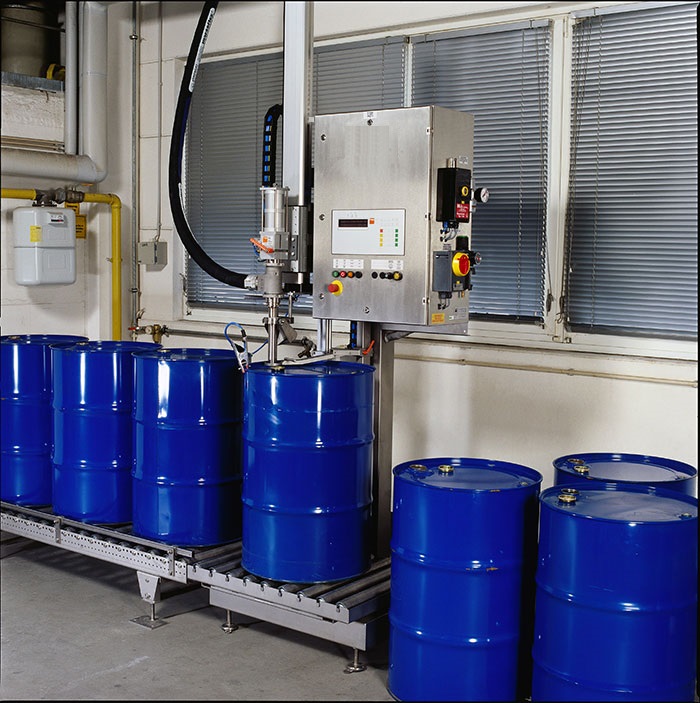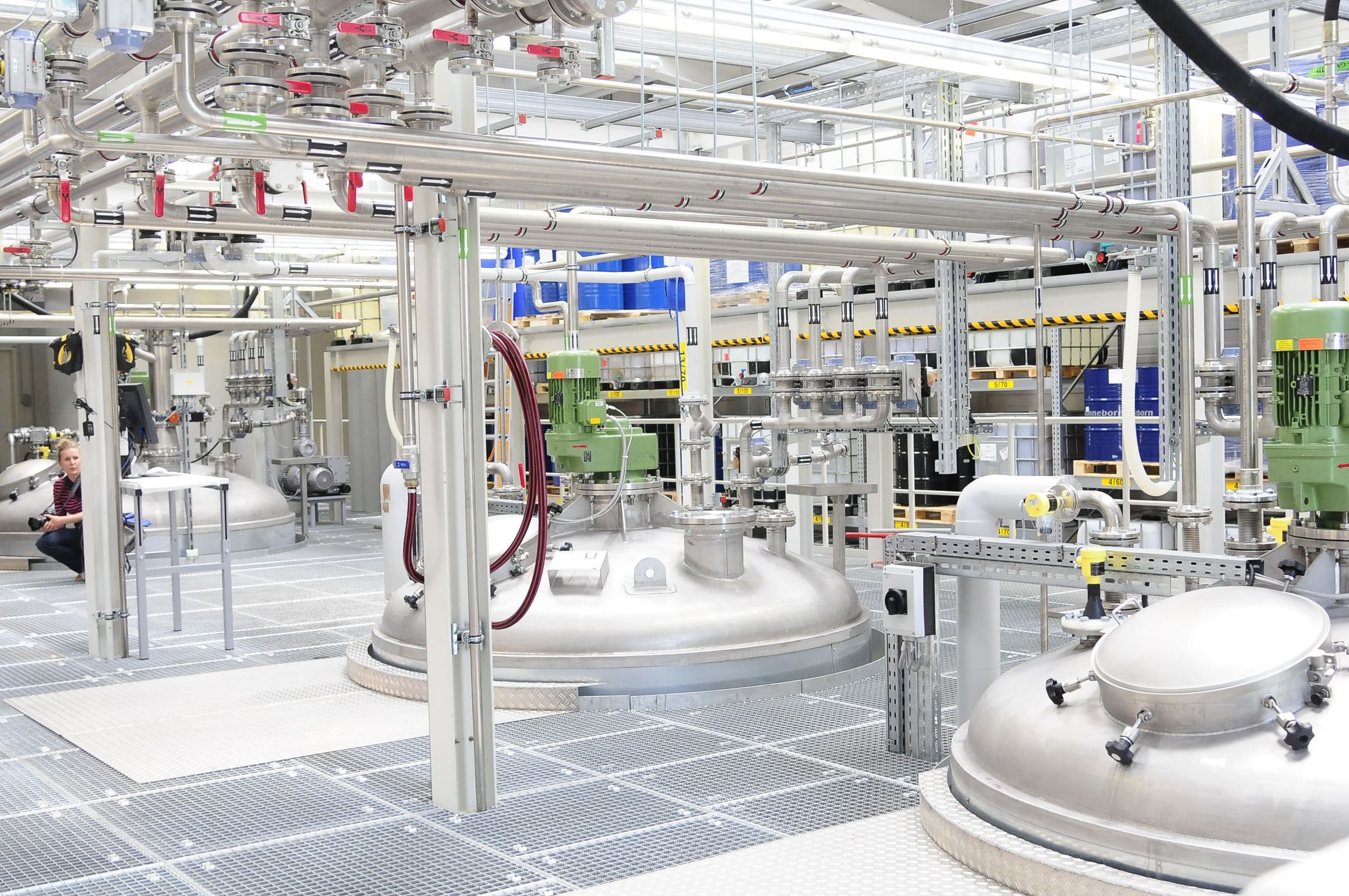


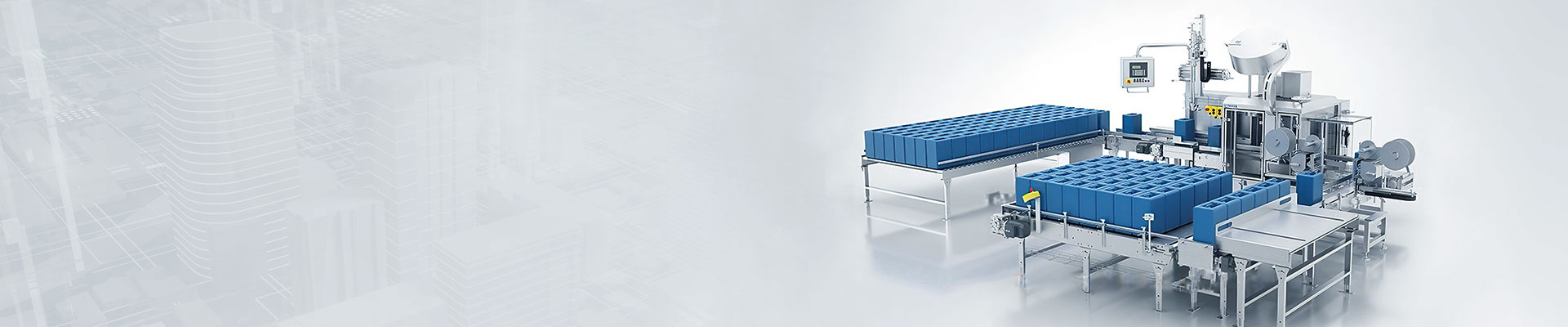




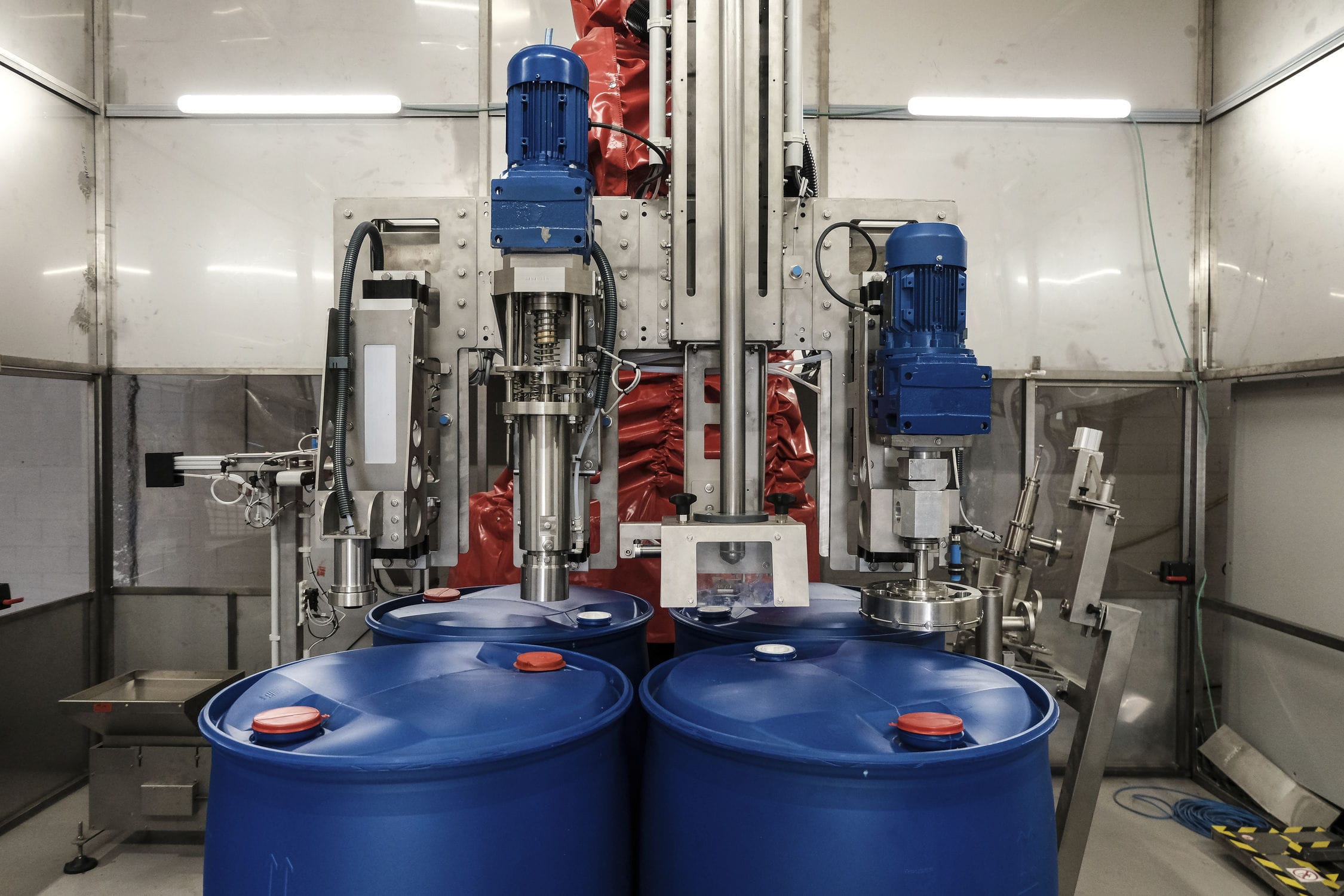
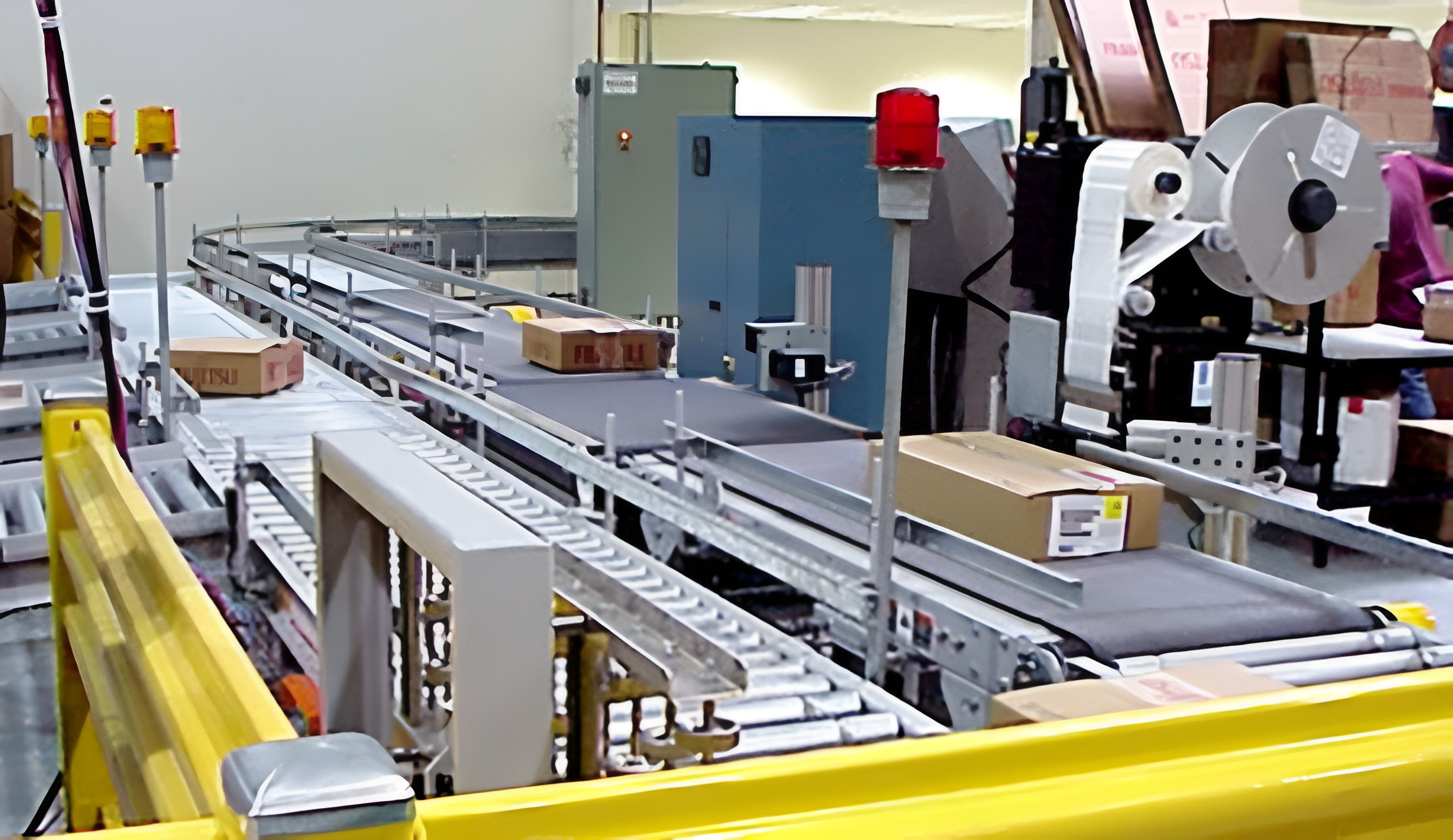


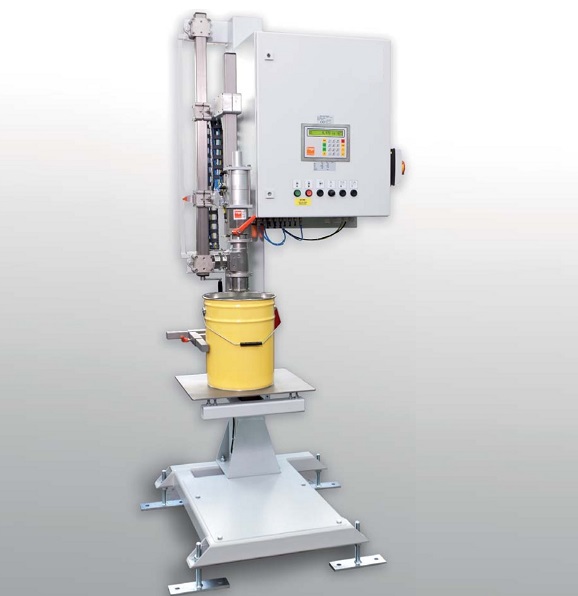
The rotary automatic filling machine is composed of a filling system, a frame, a stainless steel rotating conveyor belt, a capping system, pneumatic control, electrical control, etc. It enables the process of manual bucket placement - automatic filling - manual cap placement - automatic capping - finished product storage. It uses the most widely applied PID regulation in industrial control for the actual control of flow rate. Based on the weight deviation, the control quantity is calculated using proportional, integral, and derivative methods.

 020-34563445
The rotary automatic Filling machine is composed of a Filling system, a frame, a stainless steel rotating conveyor belt, a capping system, pneumatic control, electrical control, etc. It realizes the process of manual bucket placement - automatic filling - manual cap placement - automatic capping - finished product storage. It uses PID regulation, which is the most widely used in industrial control, to control the flow rate. According to the weight deviation, the control quantity is calculated using proportion, integration, and differentiation. The motor speed is adjusted by the frequency converter to adjust the given quantity to be equal to the set value, completing the automatic filling process. The computer is connected to the weighing instrument through serial communication and can collect data in real time and process it. It inputs and saves the data on the production line. The filling and packaging buckets complete the steps of bucket filling, bucket feeding, feeding, filling, bucket discharging, capping, box sealing, stacking, etc. The filling device has an automatic metering device, which directly fills the coating into the packaging bucket conveyed by the power track according to the preset standard through the filling nozzle. The filled packaging bucket will be transmitted to the next stage by the power track.
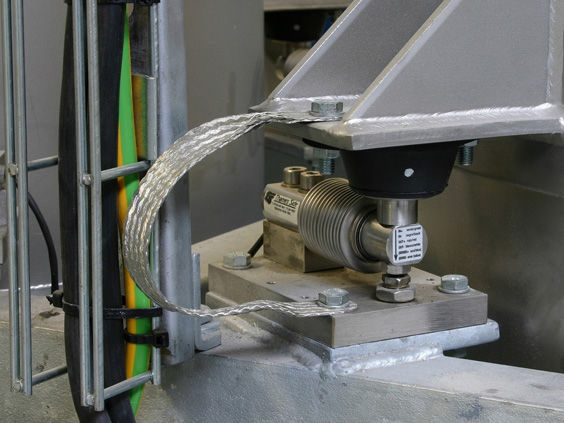
The weighing filling machine conveys the material through a rotor pump at a pressure adjusted by a pressure regulating valve and into the filling gun. When the bucket reaches the feeding conveyor belt, the screw bucket separator separates the bucket and sends it to the fixed scale platform under the rotating oil tank filling gun. Quantitative filling is achieved by symmetrically configuring the piston cylinder around the rotating oil tank. Each piston is connected to an axle through a connecting rod and slides along an inclined circular trajectory. The first 180 degrees of the inclined circular motion causes the piston to rise, and the last 180 degrees causes the piston to fall. When the piston rises, the material is controlled by the valve to be sucked into the piston cylinder from the upper oil tank. When the valve connecting the piston cylinder and the filling gun is opened, the material is injected into the lower bucket, and the filling machine selects the bulk measurement verification based on the total flow rate over a certain period of time. The precision of the measurement verification can be controlled by PLC. The weighing sensor detects the position of the Electronic scale bucket on the conveyor (left or right) to determine the conduct path of the filling gun. The weighing sensor is installed in the transmission channel and detects the weight of the production bucket and transmits the weight pulse signal to the PLC. The PLC completes the quantity control. When the weight reaches the set value, the solenoid valve closes, the rotor pump cycle switch opens, the material enters the pipeline, and the filling gun enters the corresponding stop state, completing the liquid filling. Through the PLC left shift instruction, the motor and bucket position detection switch synchronously detect the moving bucket. The main motor rotates once, exactly corresponding to the bucket position rotated by one bucket. The corresponding bucket position unit in the PLC internal unit controls the corresponding filling gun and motor to be on or off. The internal corresponding unit in the PLC controls the corresponding filling gun and motor based on the position detected by the motor at the frequency of the motor rotation speed.
The initial working state of the filling system is that the filling valve is closed and the rotating conveyor is in a stopped state. When the automatic filling machine enters the automatic operation state, the operator presses the start switch to send a start signal to the system. The filling mechanism opens, and the rotating conveyor starts to operate. The operator places the empty bucket on the front rotating conveyor, and the bucket runs to the appropriate position on the electronic scale. The proximity switch detects the signal that the bucket is in place, and the filling mechanism opens. The rotating conveyor stops, and the system automatically resets the weight and sends a control signal to control the filling valve to open, starting the coarse feeding. The material is sucked into the bucket by the force of gravity. The weight signal of the material is detected by the weighing module and converted into an analog signal sent to the weighing instrument. It is converted into a digital signal by preamplification and AD conversion and used for weight calculation and control. When the material weight reaches the preset advance amount, the system sends a control signal to the solenoid valve to control the cylinder to partially close for fine feeding. When the material weight reaches the final value, the system sends a control signal to the solenoid valve to control the gate to be completely closed, and the weighing ends. After the delay, the rotary conveyor starts to operate, dragging the heavy barrel away from the electronic scale. At the same time, the next empty material barrel enters the filling station to prepare for receiving the material. This process repeats automatically in a continuous cycle.