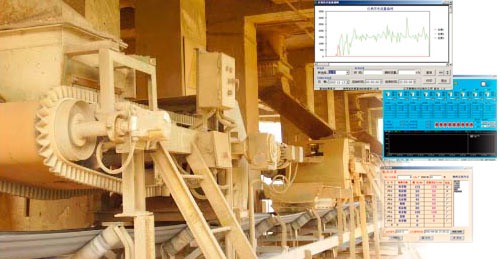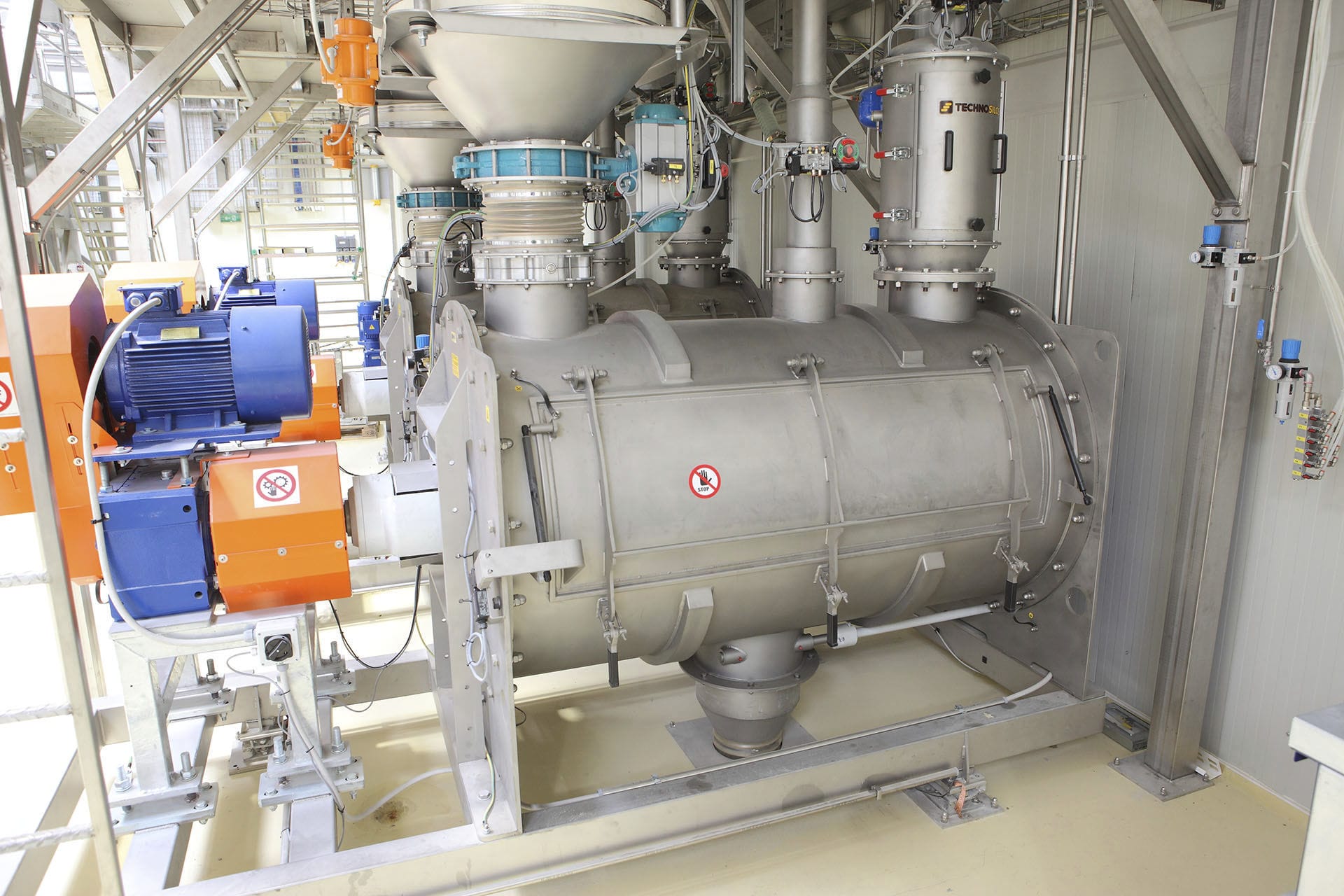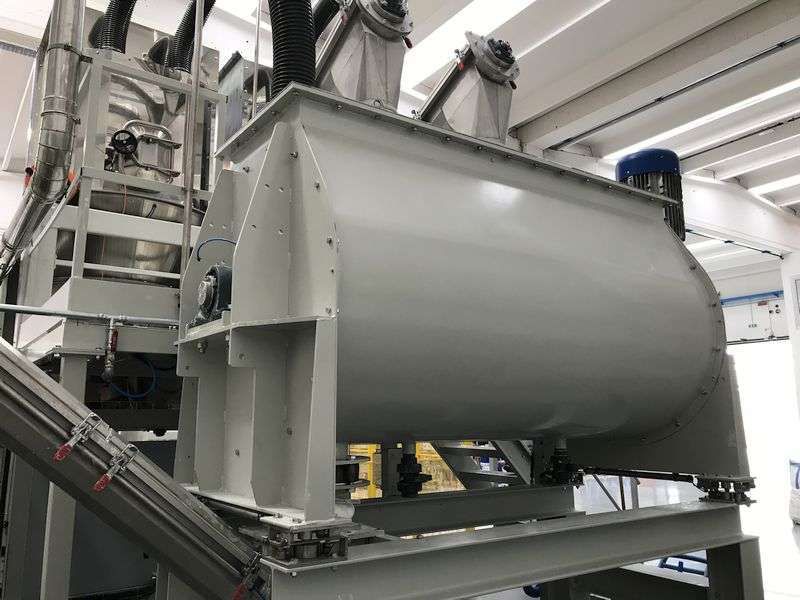


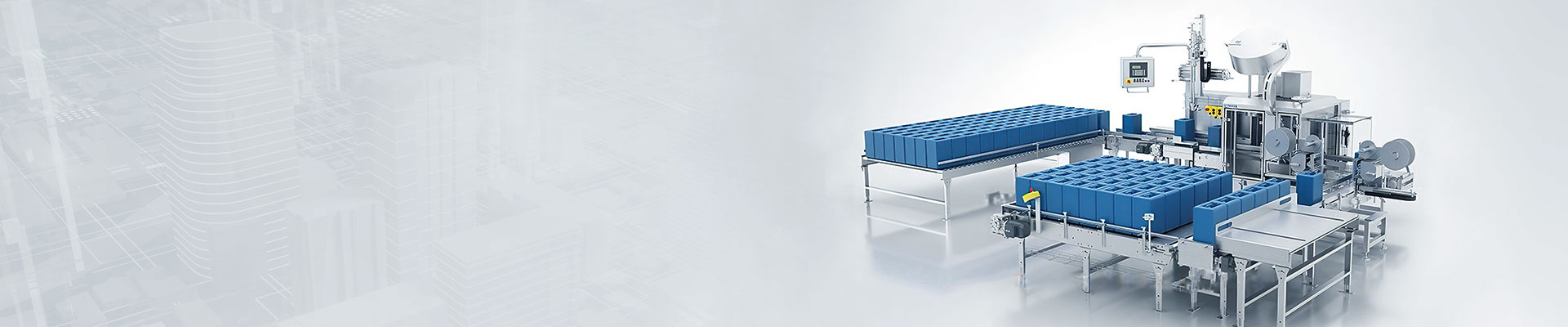




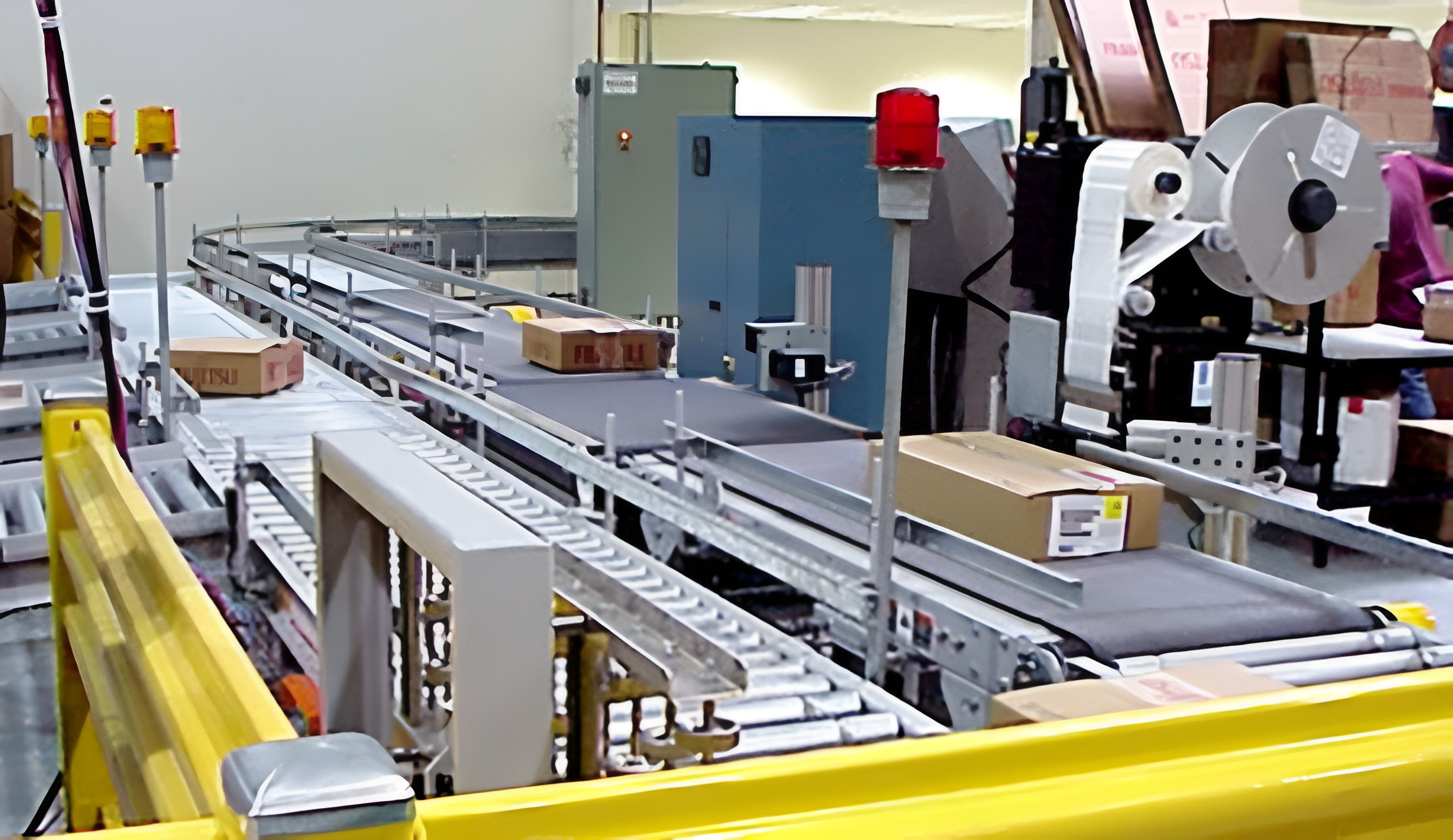


The Sensing weighing belt conveyor is used for the quantitative feeding of bulk materials, the feeding process is a continuous feeding of the belt, the feeder will be from the user feed silo or other feeding equipment to transport the material and through the weighing bridge for weight detection, at the same time mounted in the tail pulley of the speed sensor to detect the speed of the belt. The measured weight and speed signals are sent to the accumulator for differential processing and display the instantaneous flow in tons per hour for comparison, and according to the size of the deviation from the output of the corresponding signal value (PID signal), through the frequency converter to change the speed of the motor to change the feeding volume, so that it is a certain amount of time with the set value, so as to complete the control of a constant feeding flow.

 020-34563445
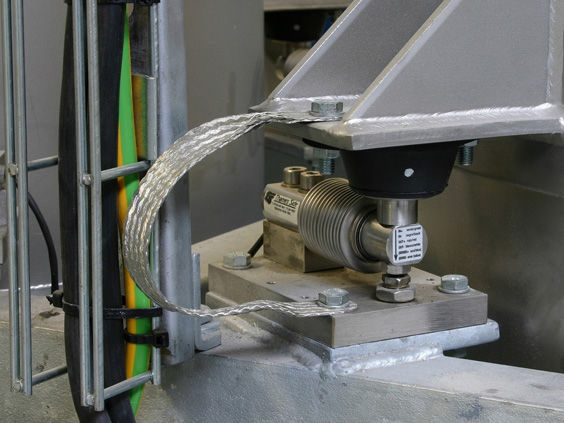
When the sensor weighing belt conveyor measures the transmission weight, it first determines the instantaneous loading density and the belt distance, and then inputs the measured values as input signals into the computing equipment with multiplication and integration functions, the Feeder. The belt feed rate detector, integrated controller and drive unit, the loading detector, belt feed rate detector and drive unit are all installed as components of the feeder. The loading detection unit consists of a roller and two Weighing modules. The two weighing modules measure the mass (gravity) on the precision weighing platform and transmit the signal to the integrated controller. The signal of each sensor is consistent with the previous data The signal from another load cell is compared to verify its validity. If the signal is valid, multiply it by the correction factor to obtain the actual mass per unit length of the belt. If the signal measured by the load sensor is invalid, the control process automatically switches to the volume operation mode and issues an alarm that the Weighing system has malfunctioned. In the volume operation mode, the integrated controller uses the corresponding stored data based on the actual measured density of the material to provide the best control method for this mode.
The belt feed measurement unit is a pulse generator installed on the drive unit, used to measure the feed length of the belt. And pass the measured value to the integrated controller.
The drive unit receives the signal generated by the integrated controller at the drive motor controller to control the rotational speed of the drive motor, ensuring that the material is supplied to the abrasive machine at a constant speed. The drive motor drives the belt through the reducer and the driving roller.
The integrated controller calculates the loading signal and the belt feed length signal sent from the detection system. The belt feed speed is measured by the motor. After the motor signal is transmitted to the integrated controller, it is multiplied by a correction coefficient to obtain the distance fed by the belt per second. Signals from the load sensor (mass per unit length) and signals from the motor (belt displacement per second
Multiply to obtain the material transfer volume per second, and then compare this value with the required quantity signal. If there is a difference, the comprehensive controller will adjust the control of the motor.
To display the feeding speed and provide the feeding weight record, the integrated controller also performs time integration operations on the actual transmitted data, and the data is saved in the non-volatile memory of the integrated controller.