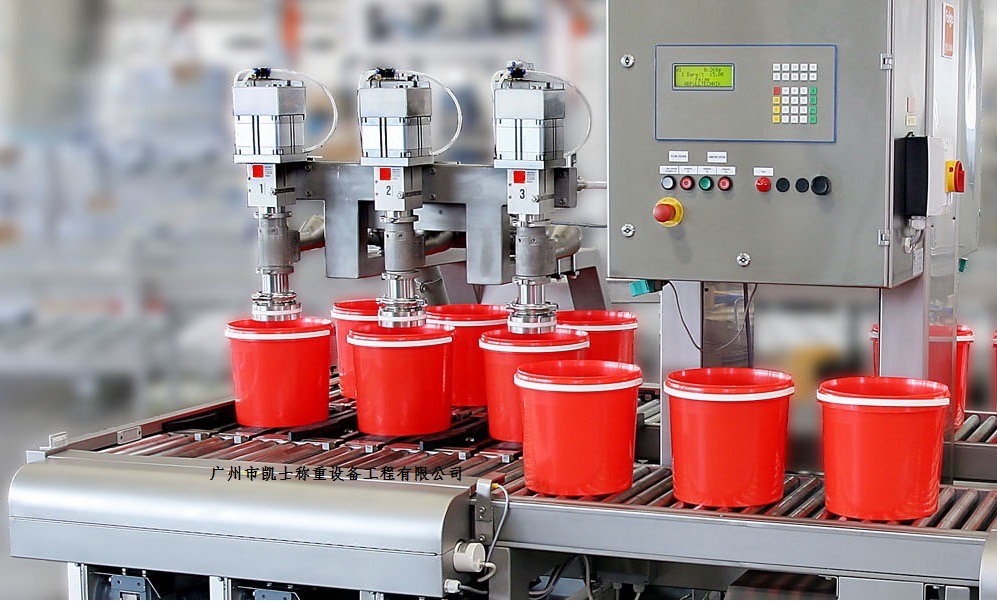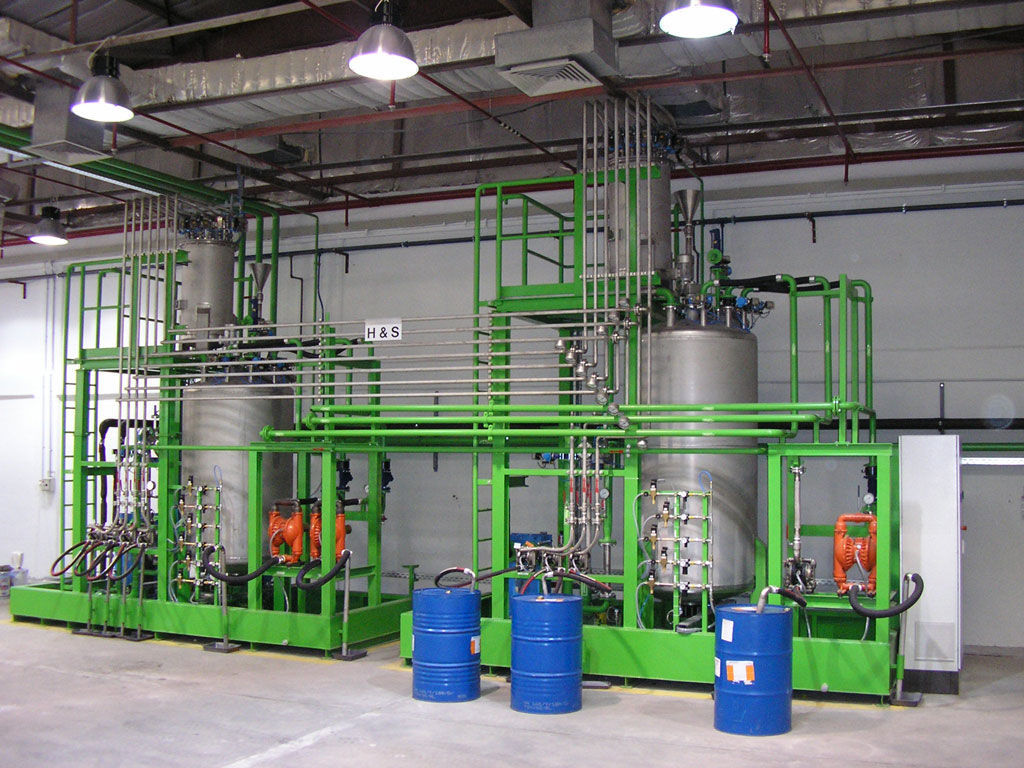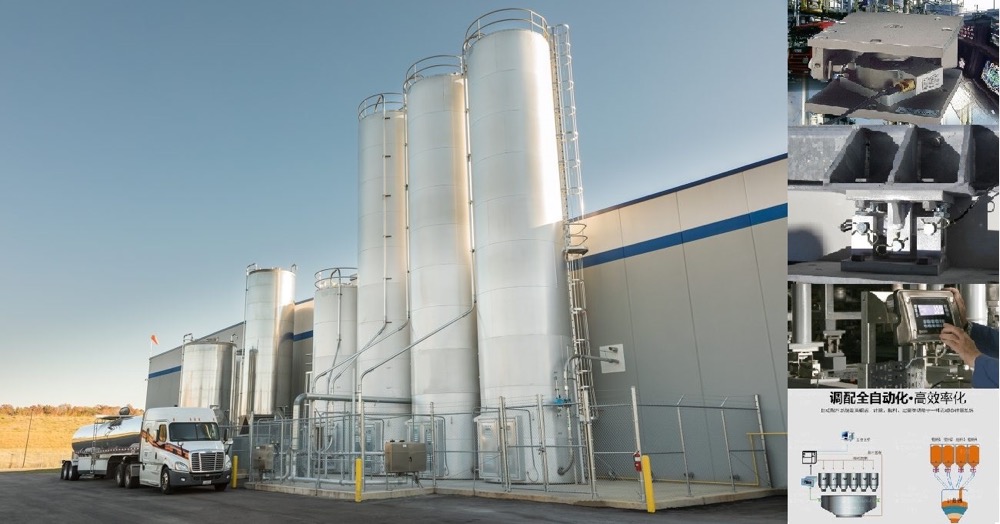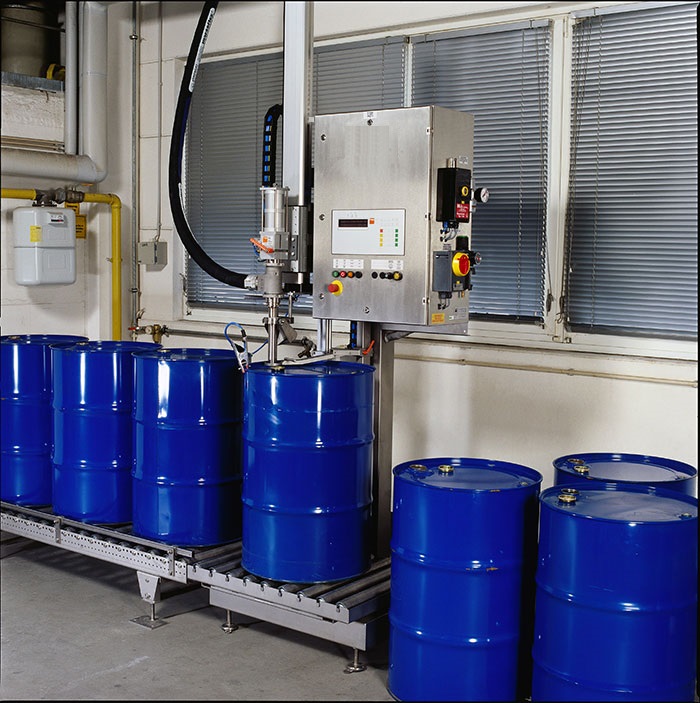




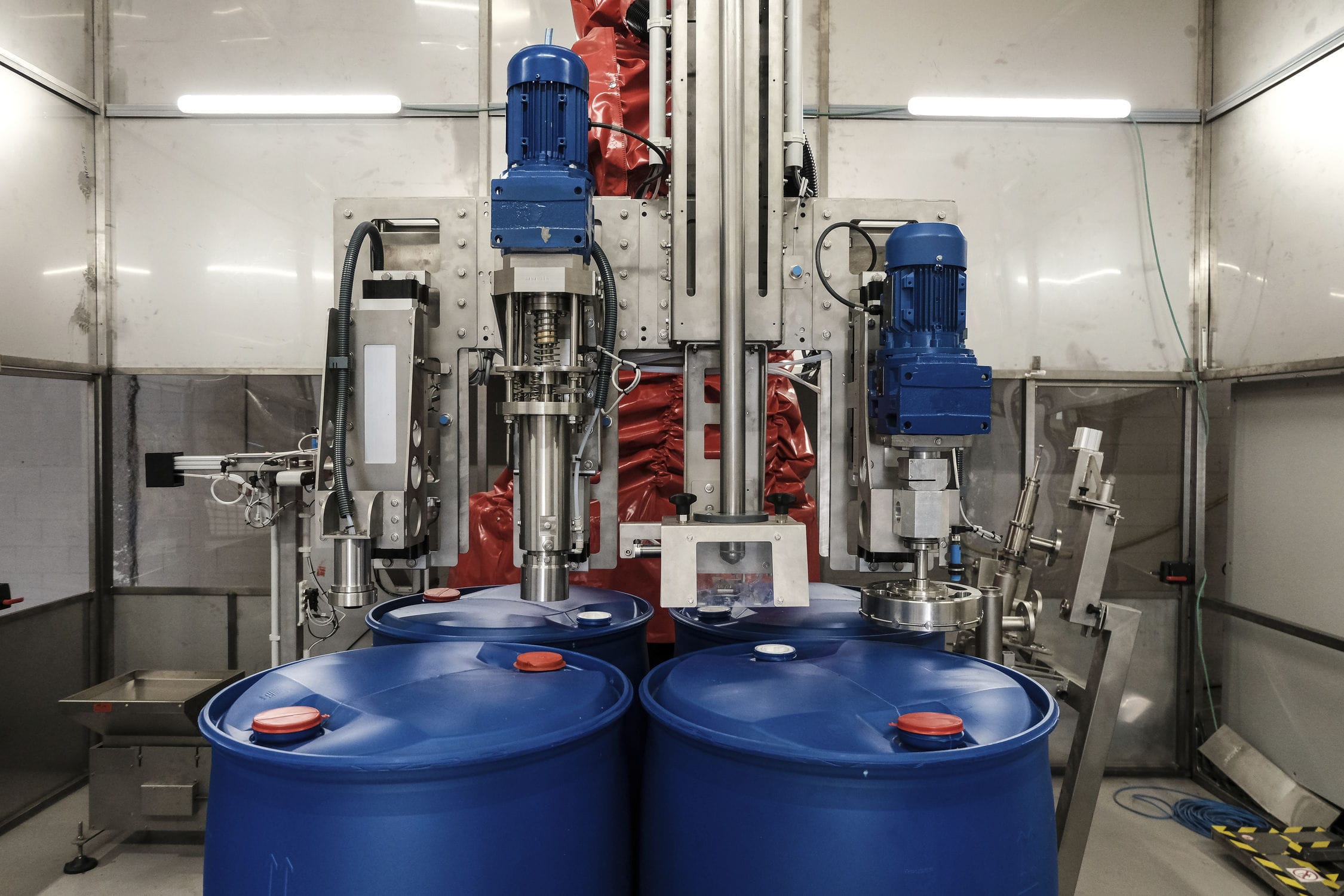
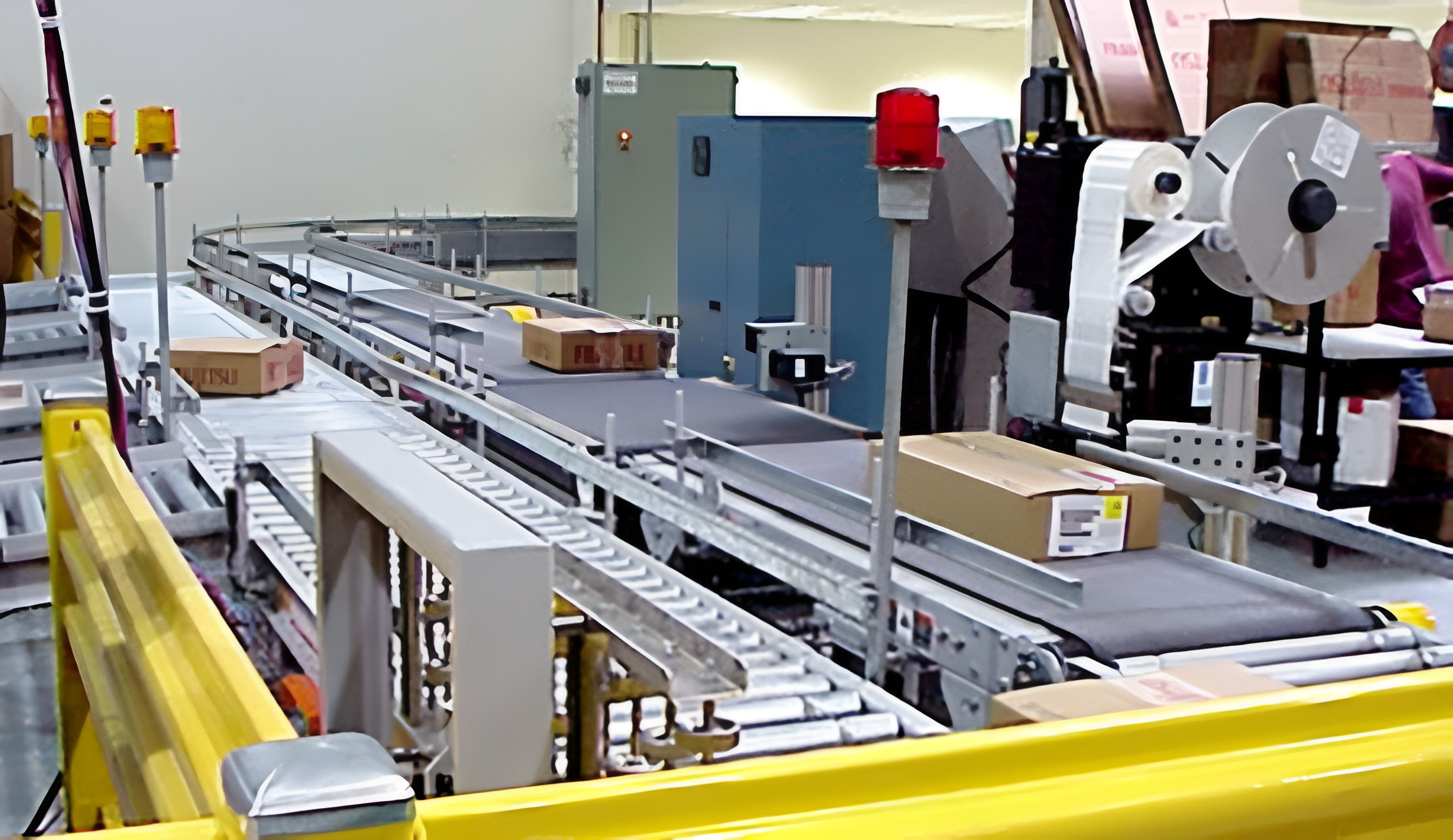
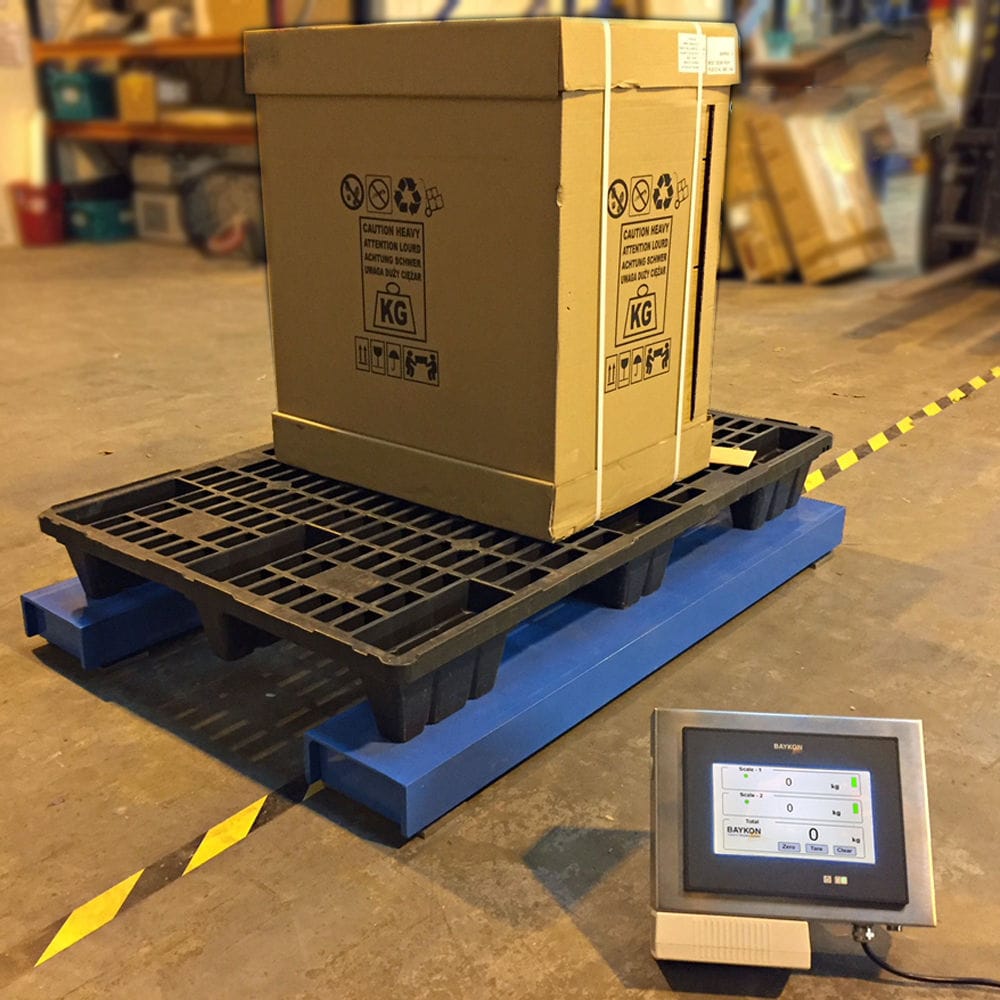


The automatic distribution system adopts configuration king software, programmable controller and electronic scale to form a two-stage computer control network, weight control through PID regulation, according to the deviation of the falling material, using proportional, integral, differential calculation of the control error, through the frequency converter to regulate the speed of the motor, adjusting the amount of feed to make it equal to the set value, to complete the automatic filling process.

 020-34563445
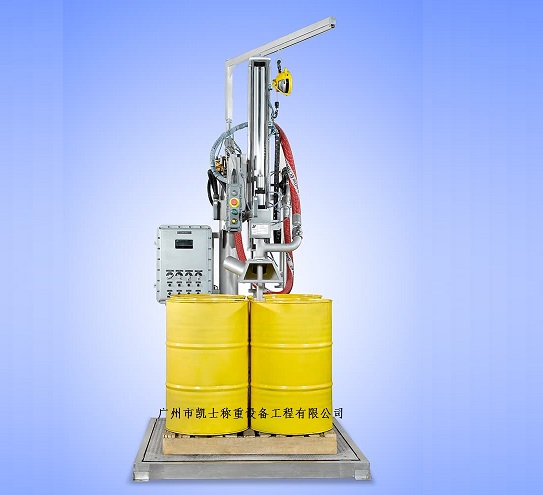
The distribution system adopts the software of Configuration King, and the programmable controller and Electronic scale form a two-stage computer control network. The Filling system carries out weight control through PID regulation, and according to the deviation of the falling material, the control error is calculated by using proportionality, integration, and differentiation, and the speed of the motor is adjusted through the frequency converter, and the amount of the feed is adjusted to be equal with the set value, so as to complete the automatic filling process. It can record the capacity and operation of the filling production line, and assist the manager to improve and enhance the product performance and process operation; it coordinates the relevant departments such as raw materials, production and transportation, so as to make the departments work more closely together and improve the production efficiency.
The weighing and dispensing machine adopts with serial port (RS232) based on VB platform preparation, its functions include data acquisition, data processing, generating documents, and data printing. The weighing and Filling machine adopts Siemens S7-200CPU226cnDC/DC/DCPLC as the core control, and at the same time, extends EM235 analog module for weight collection, and the upper computer adopts integrated embedded T1061Ti touch screen to realize the functions of status display, set value input and operation process monitoring. In order to adapt to different specifications of the filling needs, the system has two working modes, automatic and manual: secondly, you can manually set the filling parameters in the system. Parameter settings include: setting the weight of the filling container (i.e. tare weight), setting the filling weight (i.e. net filling volume).
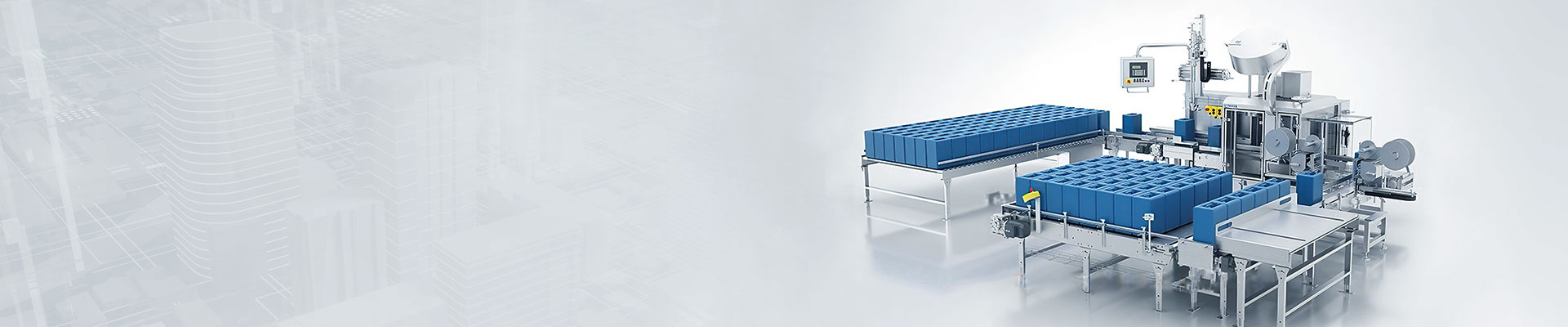
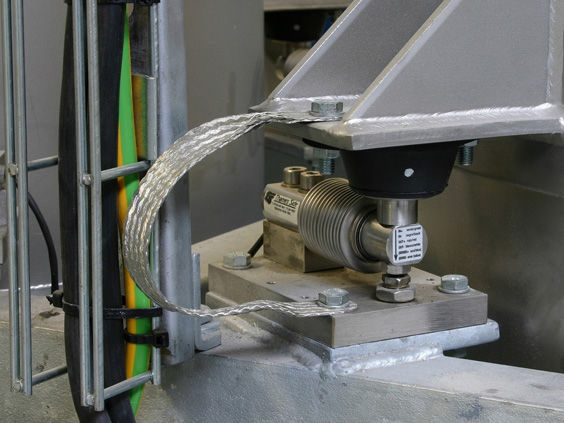
Weighing and filling machine using AT89S52 microcontroller as the control core, filling system using CMOS process design of low-power, high-performance 8-bit microcontroller. Internal has 8k in the system programmable Flash memory. The chip is fully compatible with industrial 80C51 products instructions and pins, on-chip Flash allows program memory in the system programming, also applies to the general programmer. The microcontroller is mainly used to collect the set value of the filling quantity, process the pulse signal of the weighing module, the touch screen drives the relay to drive the frequency converter to control the motor and the centrifugal pump to convey the materials, and through the weighing module to calculate the pulse signal of the pipeline flow, to get the actual weight of the liquid discharged by the Weighing system, and to control the motor according to the difference between the actual filling quantity and the set value, so as to realize the precise control of filling quantity according to the actual needs. The automatic filling machine is mainly composed of DC frequency conversion motor, centrifugal pump, weighing instrument including touch screen control box, filling machinery, cylinder filling gun, filter, pneumatic ball valve and so on.
The filling system is mainly composed of AT89S52 microcontroller, peripheral circuits, relays, potentiometers, weighing instruments and touch screen. Through the weighing module to calculate the amount of liquid, the weighing sensor data into the control system control system and then control the motor operation, you can realize the real-time monitoring of the amount of liquid. Mainly complete the collection of data from the weighing module, display data by the touch screen, accept the potentiometer data input, control relays and solenoid valves to control the stable operation of the system, including the main program, sensor data acquisition subroutine, timer interrupt service program and LCD subroutine and so on. After the controller enters the program control, it first detects the mode button to determine under which working mode the system is under. The set value of filling is collected by AD; then, the relay is opened. The motor operation collects the pulse number of the sensor and displays it on the LCD in real time. When the filling quantity corresponding to the pulse number reaches the set value, close the relay to cut off the motor drive circuit. The contact switch of the solenoid valve of the filling gun in the quantitative filling control circuit remains normally closed, and the weighing module displays the current filling quantity.
Basic parameters:
Maximum weighing capacity: 1200kg
Minimum Sensitivity: 0.2kg
Filling error: ±0.2-0.5kg
Filling speed: about 50-80 barrels/hour
Control mode: 2-speed control
Filling method: Insertion, liquid level up
Gun head line: Teflon gun head, valve + Teflon hose
Structure material: host SUS304 stainless steel, conveying palletizing carbon steel anticorrosion paint.
Weighing platform size: 1200×1200mm (304 stainless steel power raceway)
Empty barrel raceway: 1200mm × 2500mm (304 stainless steel power raceway) with another 1200mm slope without power roller
Heavy drum raceway: 1200mm×2500mm (304 stainless steel power raceway, 2 sets)
Separate barrel device: for 200L barrels, carbon steel anticorrosive paint structure, 304 stainless steel raceway.
Palletizing equipment: pan-transfer type, suitable for pallets 1200×1200×140mm, including supplying pallets, palletizing, and lower pallet conveying.
Pipe pressure: 0.2-0.6MPa (related to material properties).
Material interface: DN40 flange connector 4, according to the user to provide interface standards
Air Connection: User supplied 12mm air hose connector for quick coupling connection
Power supply: AC220/50Hz (user-supplied to one side of the machine)
Using air source: 0.4-0.8Mpa (provided by the user to the side of the machine)
Use temperature: -10℃-50℃
Base condition: Ammonia solution flat solid concrete floor, concrete thickness should be more than 10cm.
Optional models: standard, explosion-proof filling