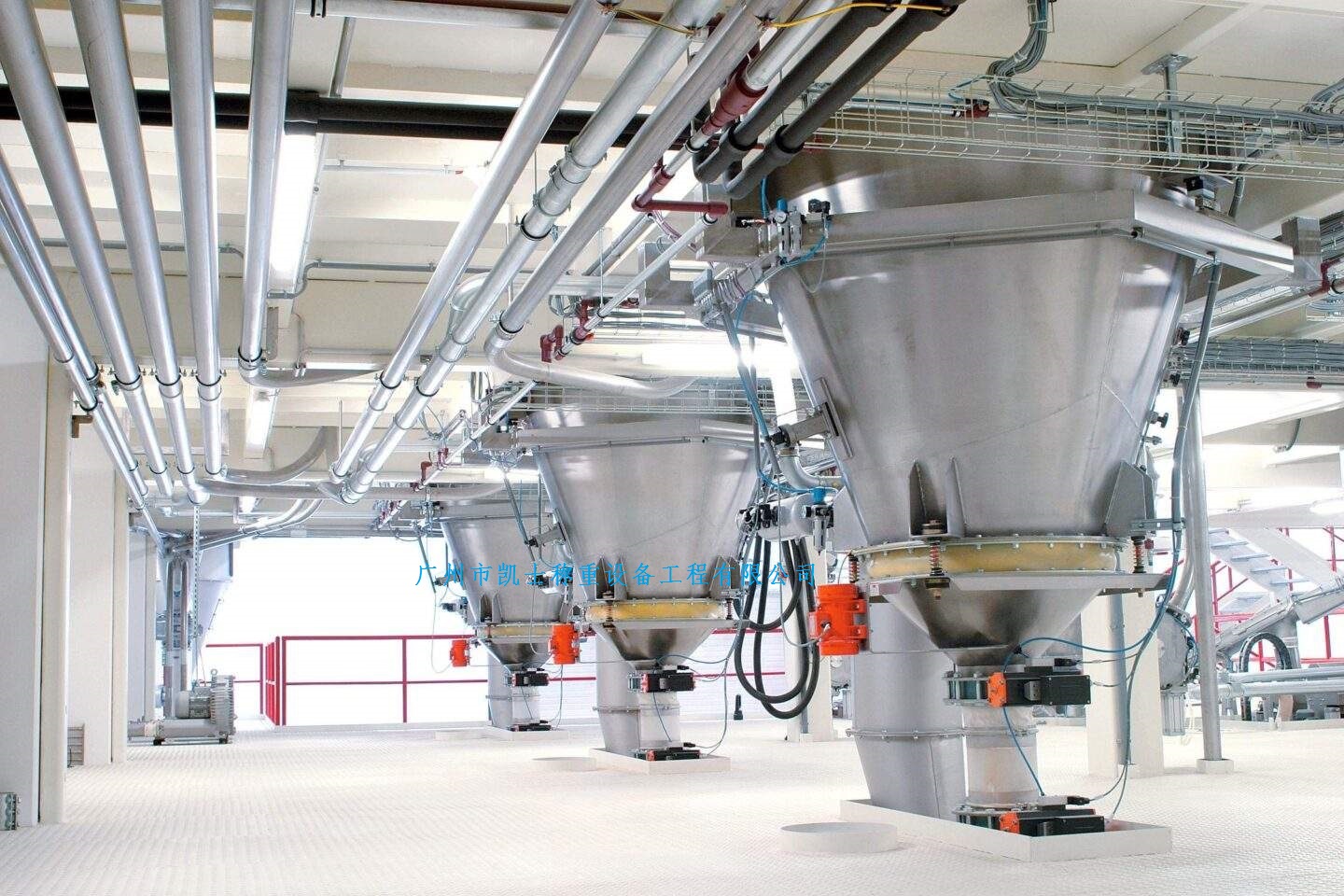




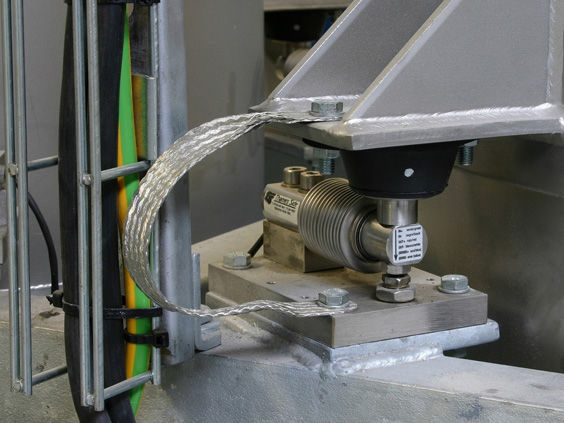
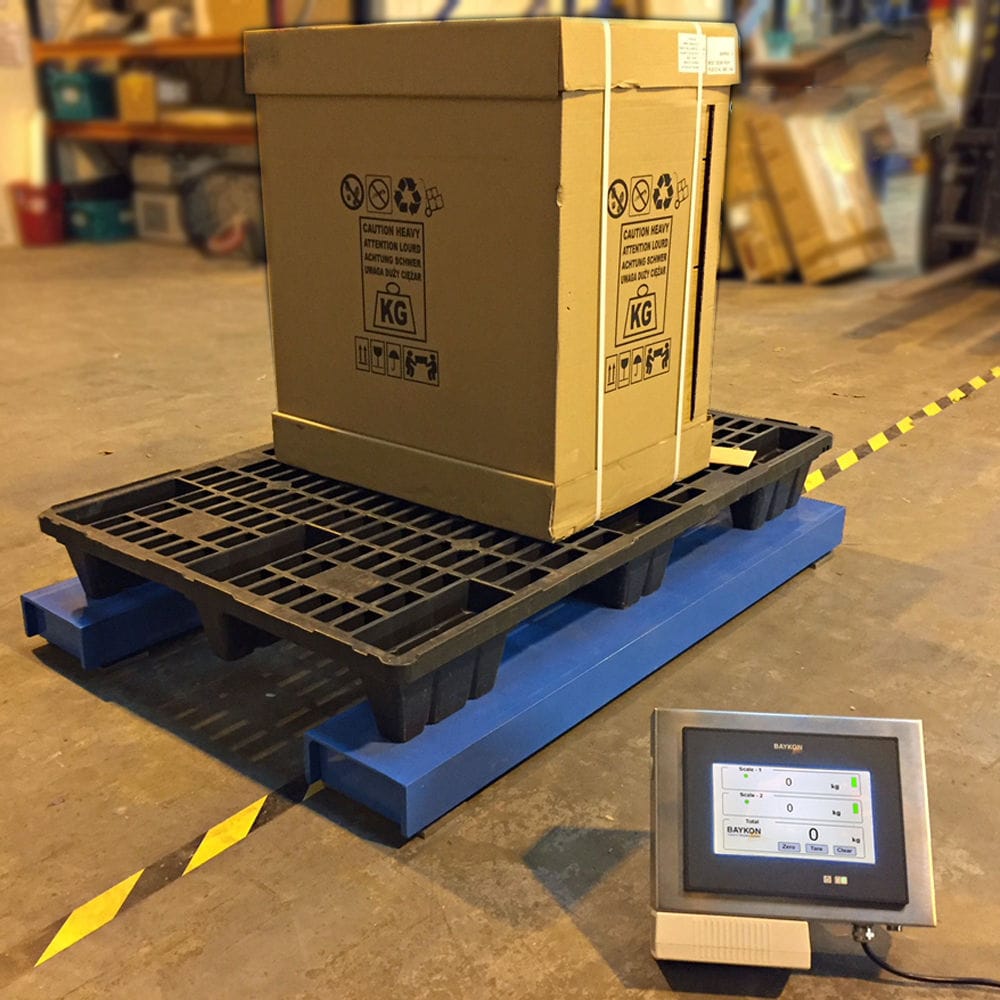


The signal collected by the weighing sensor in the reaction weighing mixed system is a small signal at the mV level. The dynamic weighing signal of the selected weighing module is within the range of 0 to 30mV and cannot be directly read by the PLC. It needs to be processed by an external amplification circuit to be converted into a standard voltage signal of 0 to 10V. To achieve voltage amplification, the LM324 series devices with true differential input four-operational amplifiers are adopted. The standard voltage signal of 0-10V after conversion is then passed through an A/D converter (EM235 analog input module) to convert the analog (electrical signal) into a digital signal that can be directly input into the PLC module. Finally, these digital signals are transmitted to the PLC for calculation, analysis and comparison. If the input quantity reaches the preset value, the cylinder will be controlled to act and the discharge port will be closed.

 020-34563445
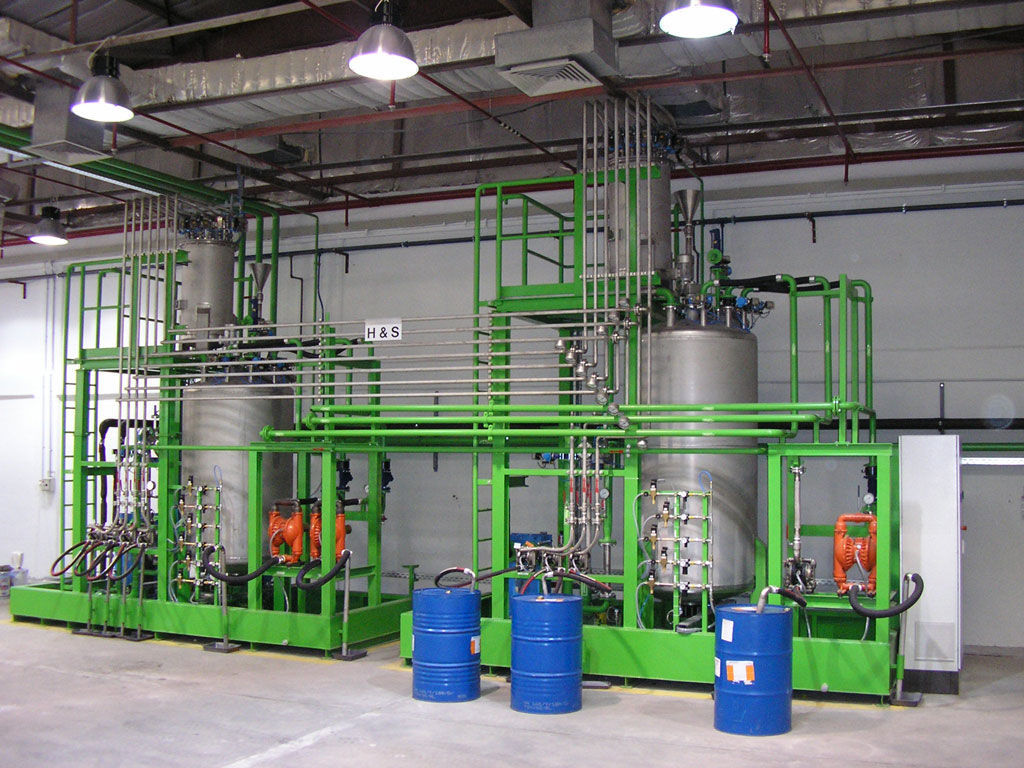
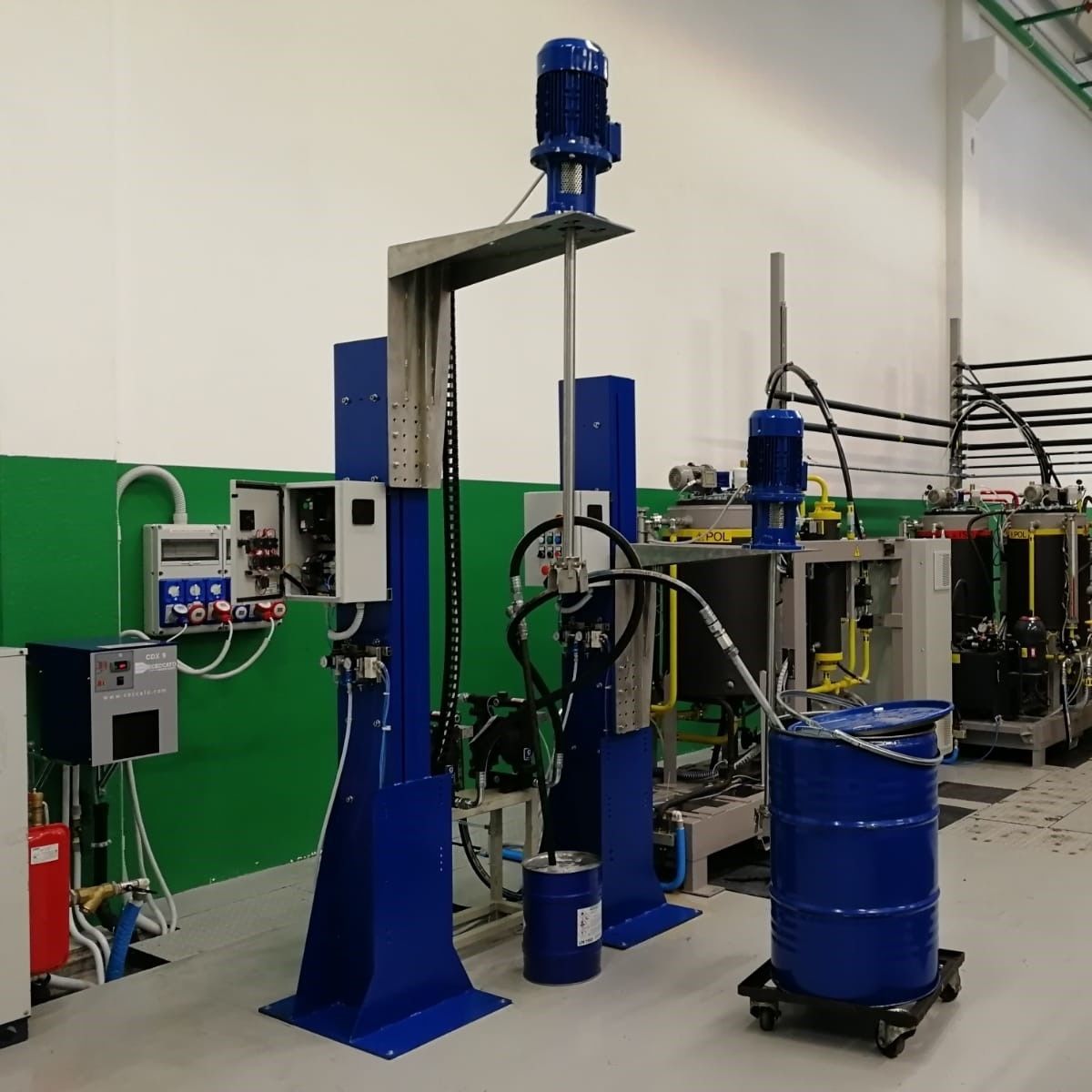
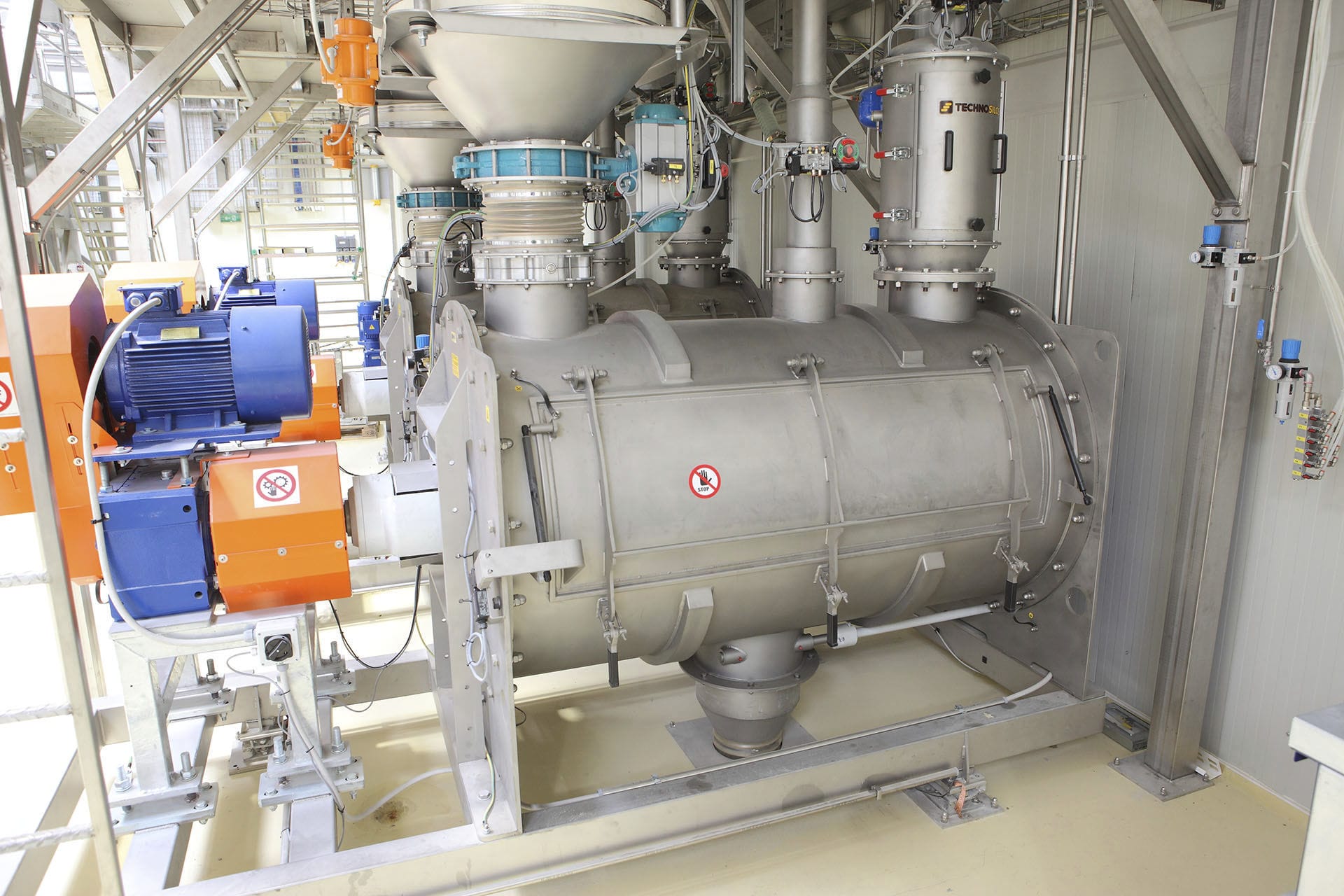
The reaction weighing and mixing system is mainly composed of PLC, feeding device, weighing device and frequency converter. The operator inputs the chemical composition and proportion of various raw materials through the operator station. The flow signal is converted into a 4-20mA signal by the weighing equipment and weighing display, and then input into the functional module for comparison with the set value. The resulting control word is transmitted to the frequency converter through the bus, and the frequency converter controls the speed of the feeding device motor based on this signal. The feeding volume of each feeding device fluctuates slightly around the set value. The frequency of batching and feeding is controlled by the PLC output and the instrument Settings. When the given PC system malfunctions, it can be switched to the instrument output, which ensures the continuity of production at the PLC output end. When the operator selects the given ratio on the operation screen, the on-site frequency converter is controlled in three ways: the given ratio, the given flow rate and the given frequency. By inputting the total flow rate of the ingredients and the proportion of each scale, the feeding volume of each scale can be automatically calculated, and then tracked and adjusted based on this feeding volume. When adjusting the PID parameters of each scale, the flow setting is controlled through the flow setting area on the screen to regulate the flow of each scale.
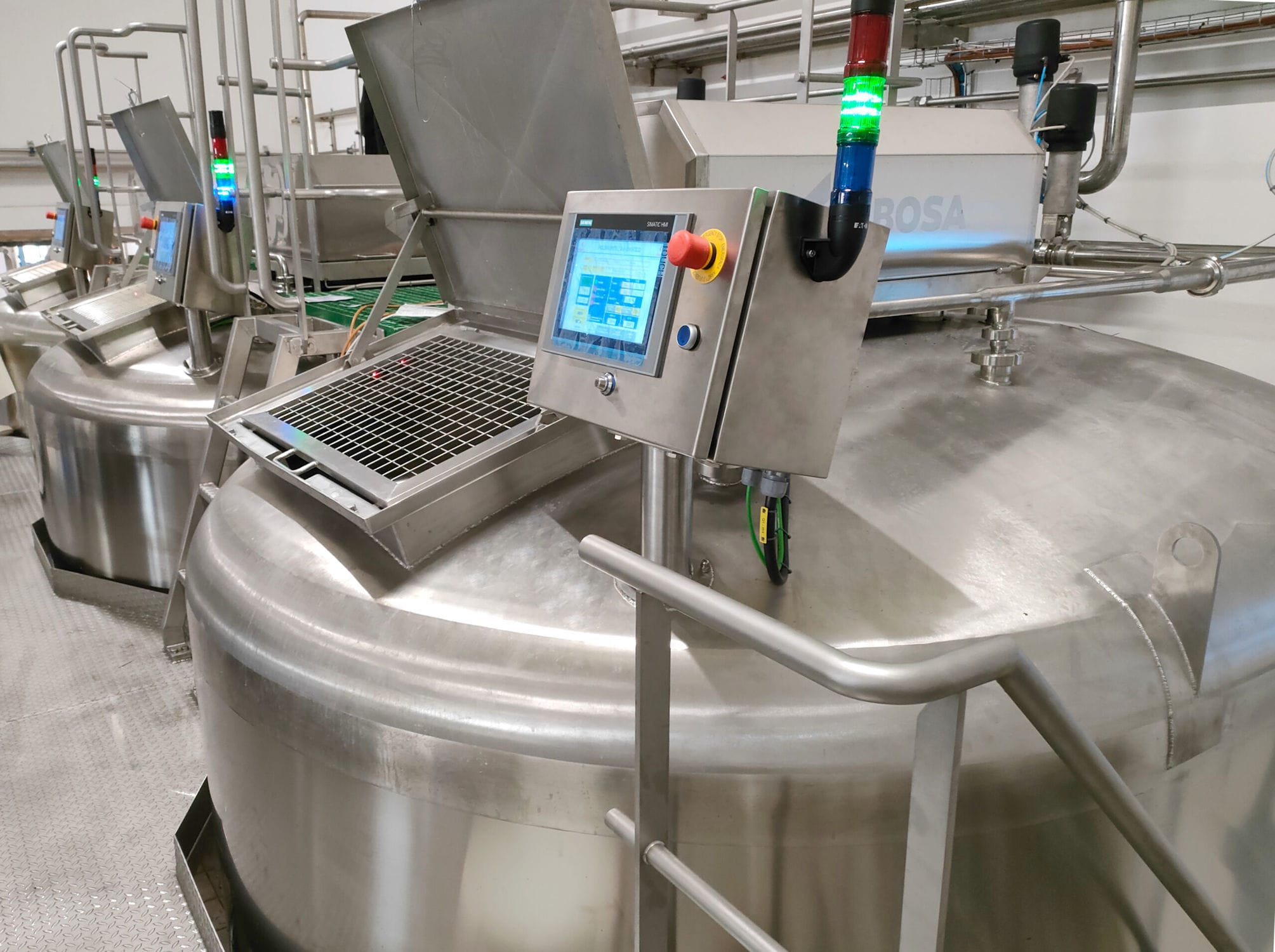
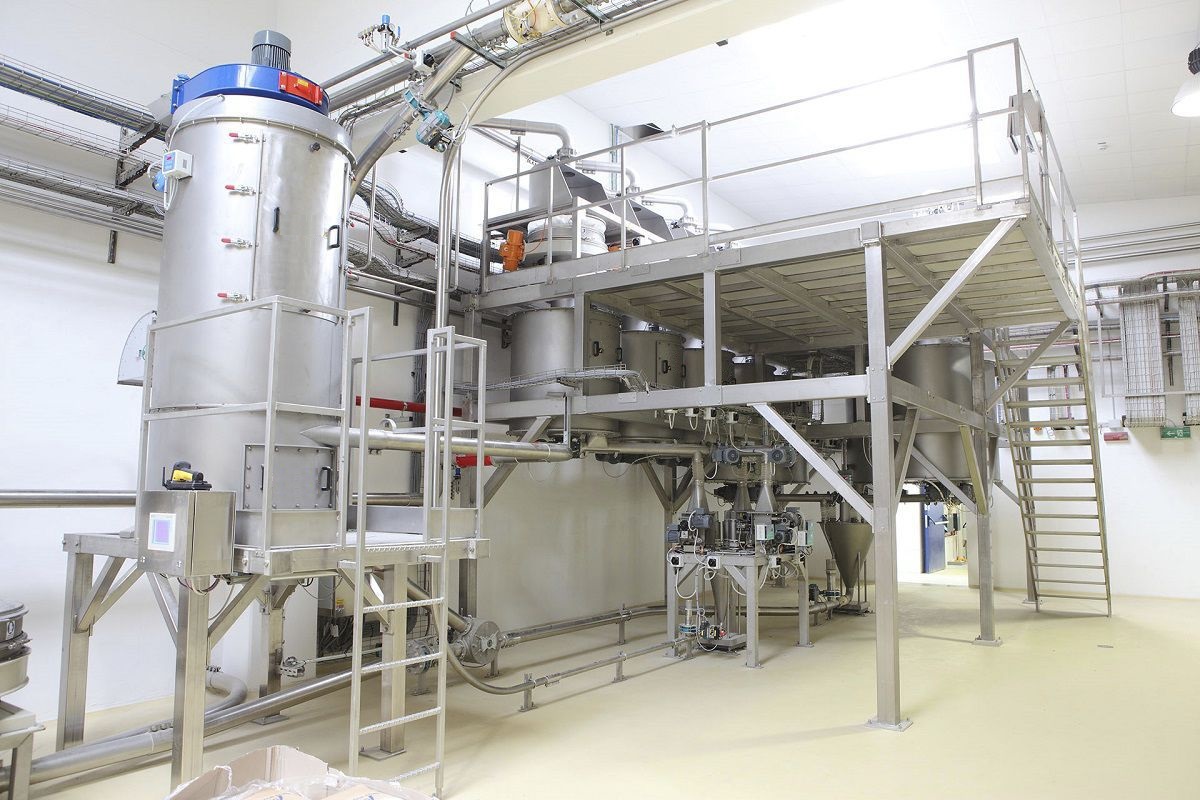
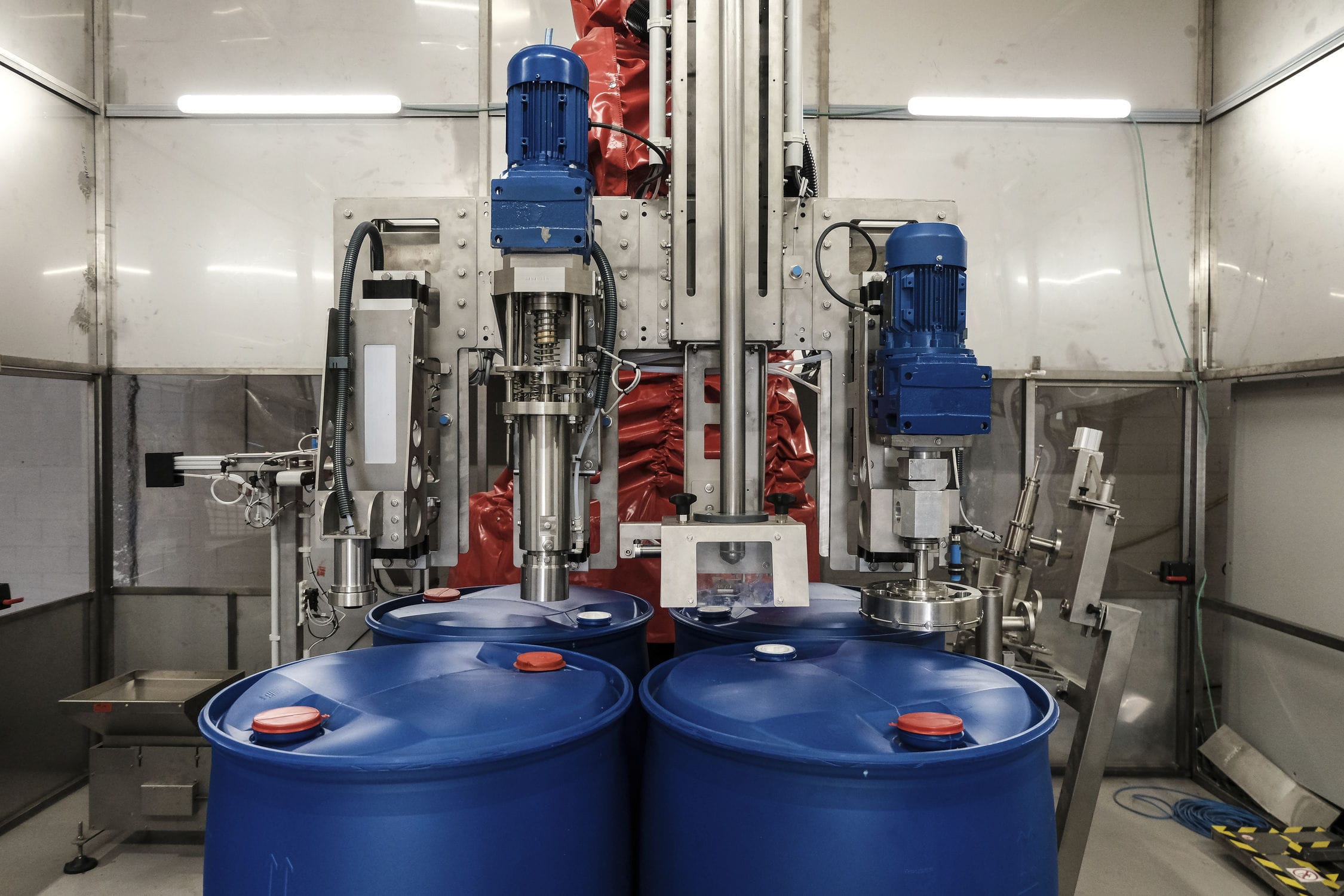
The feeding system mainly consists of computers (servers, engineer workstations, and each production workstation), main modules (including digital modules and analog modules), Electronic scales, control stations, on-site measurement modules, on-site touch screen button boxes, etc. This equipment is an optimized combination composed of advanced control concepts, which can effectively ensure that the computer conducts data management, the force gauge marks the weight, controls the production mode, uses HPS to manage the metering and batching software, conducts comprehensive production testing and safety management, as well as the safe operation of the equipment. When starting the batching process, the batching is supplied according to the set formula parameters and production sequence. The main computer displays the batching status, which can be viewed on multiple interfaces on the computer, including the main interface, the main reaction sub-interface, the temperature curve interface, etc. After operation, the materials are supplied according to the target weight and material sequence set on the main computer. When measuring, the corresponding valves will open automatically. After reaching the set target quantity, the valve will automatically close. To better control the measurement accuracy, a low-speed rotation value can be set on the computer to close the discharge valve in advance, thereby reducing the impact of the discharge weight on the measurement.