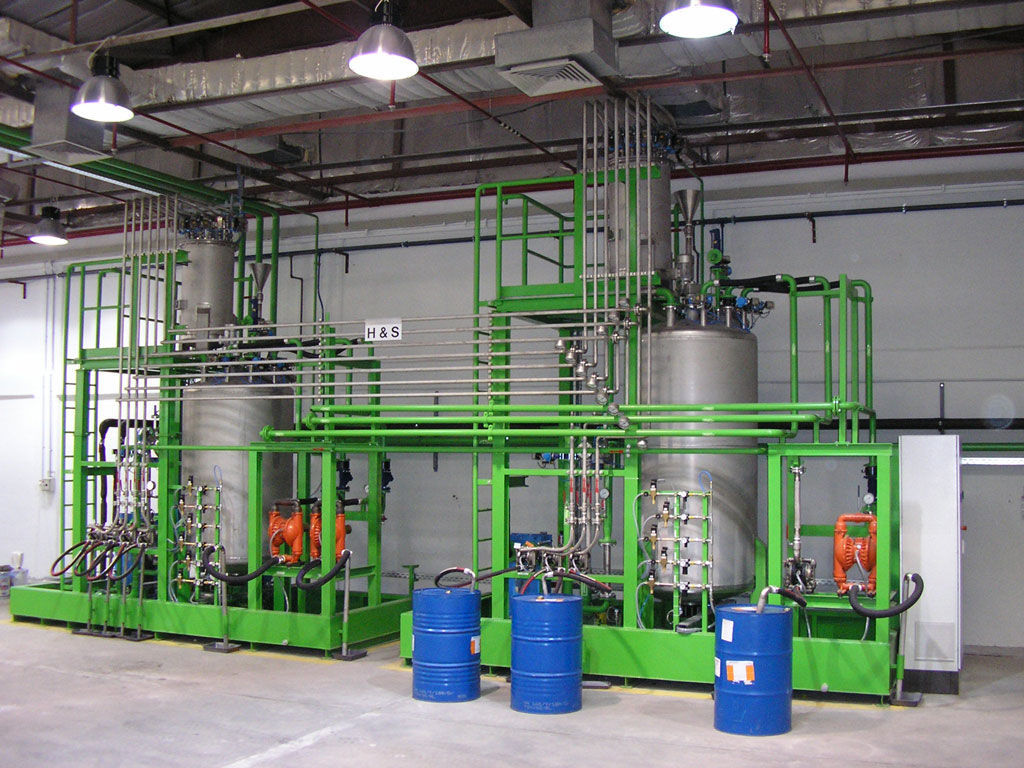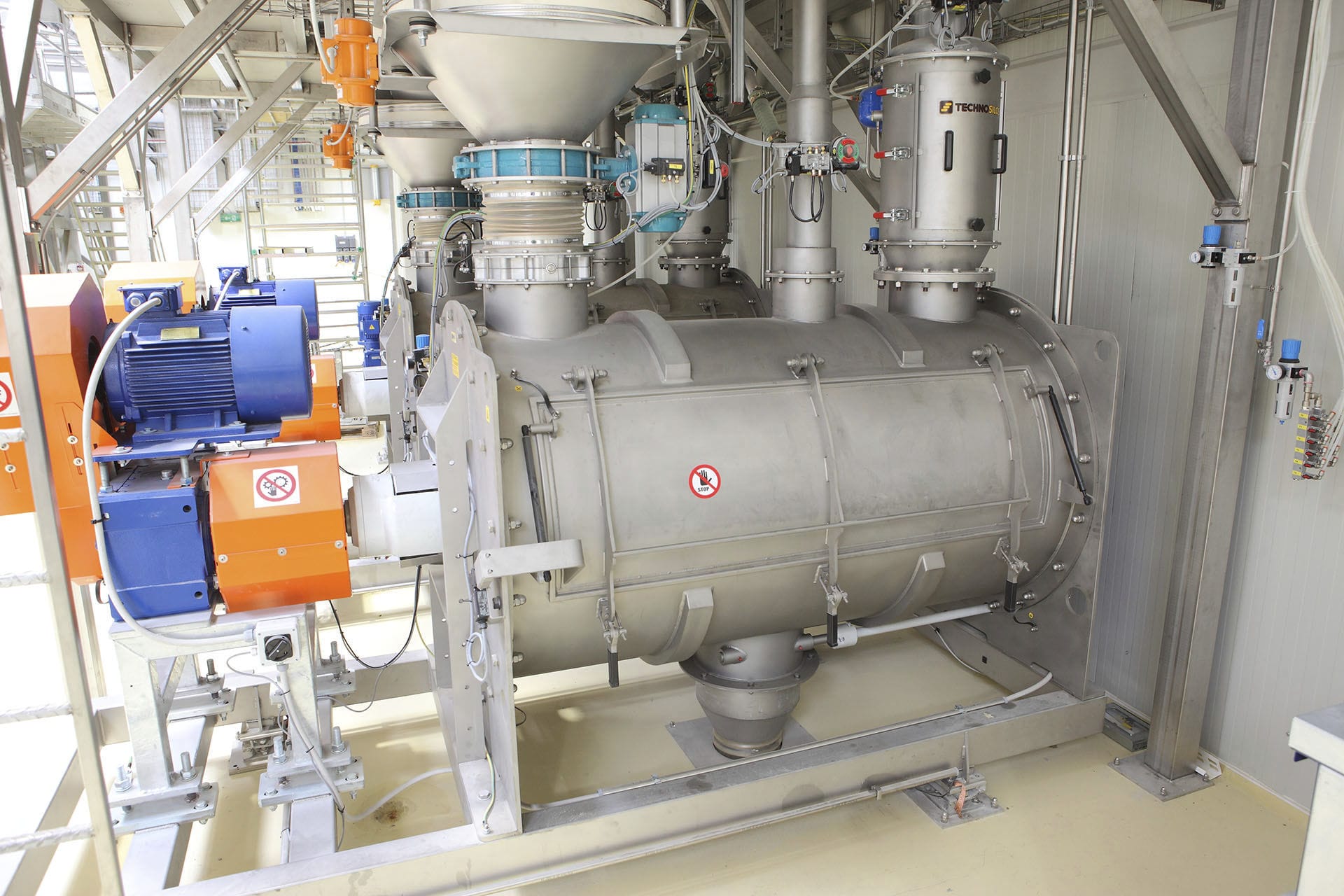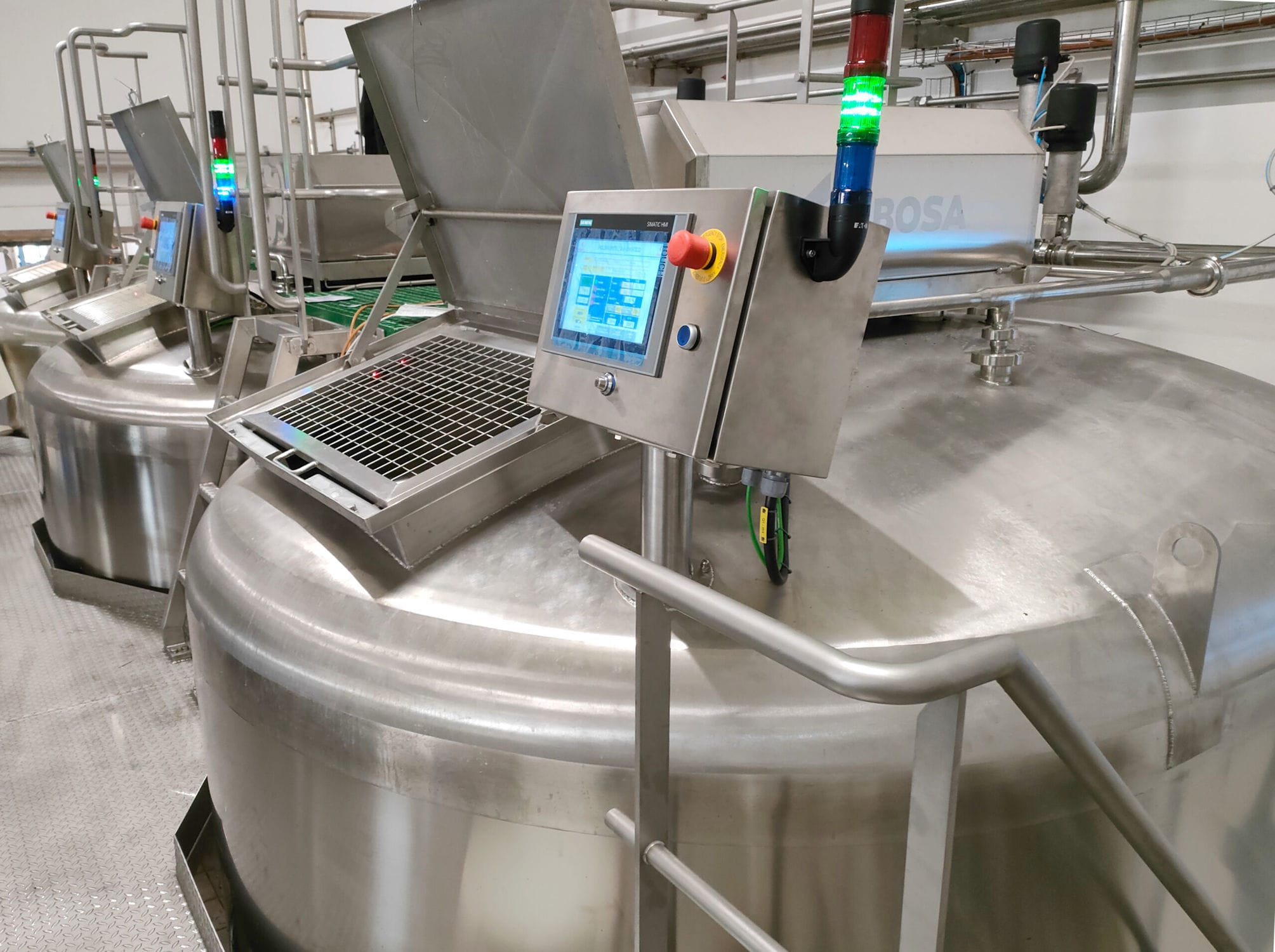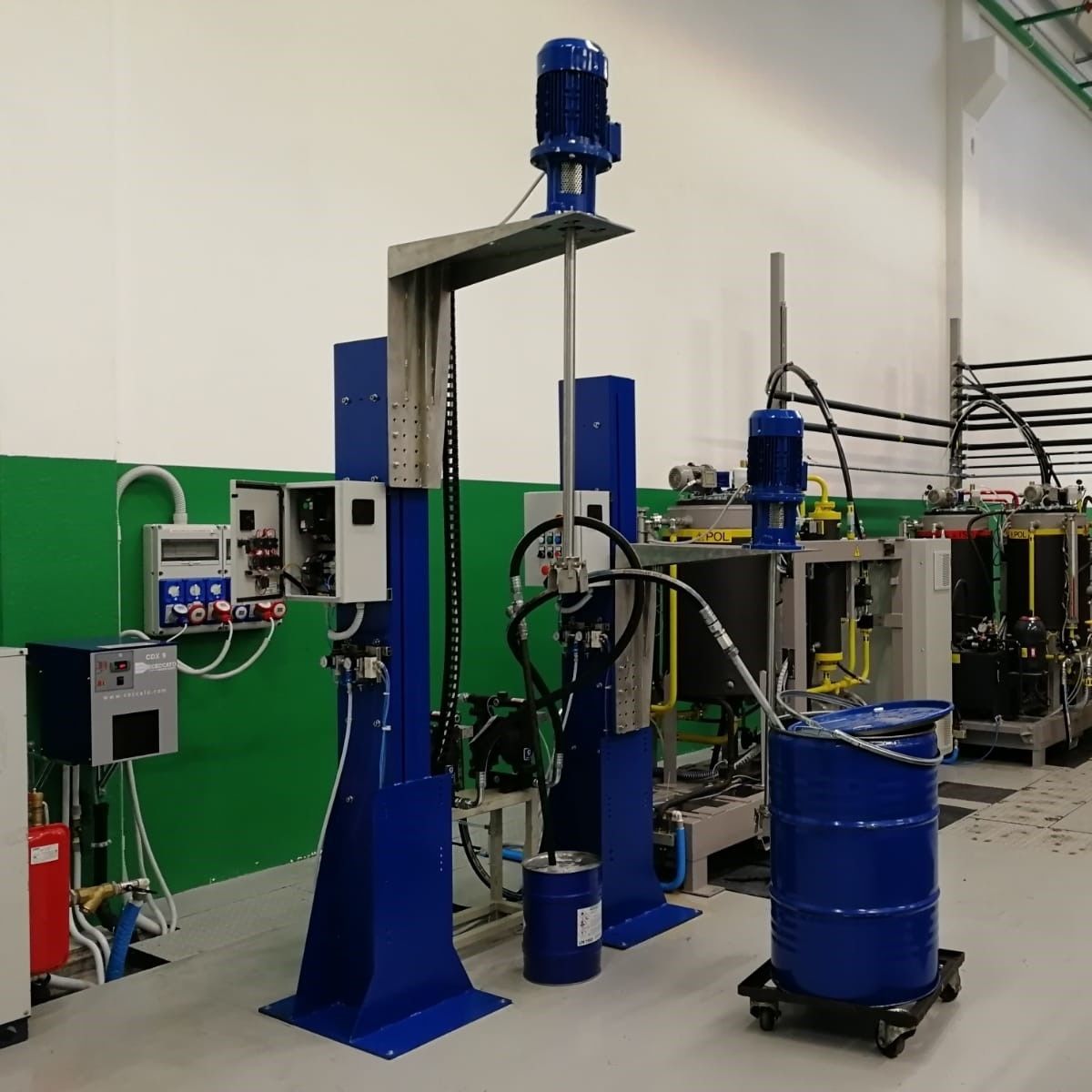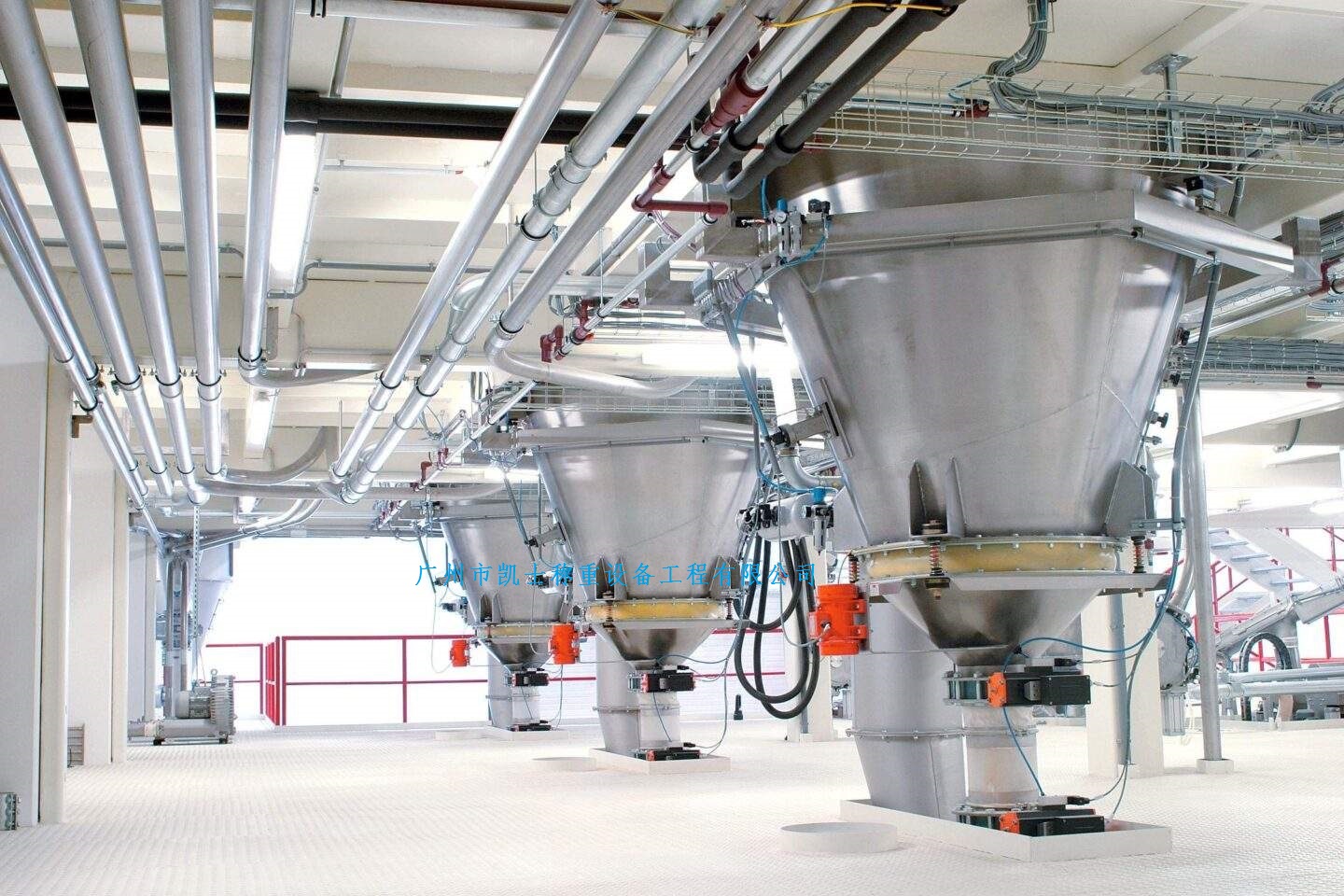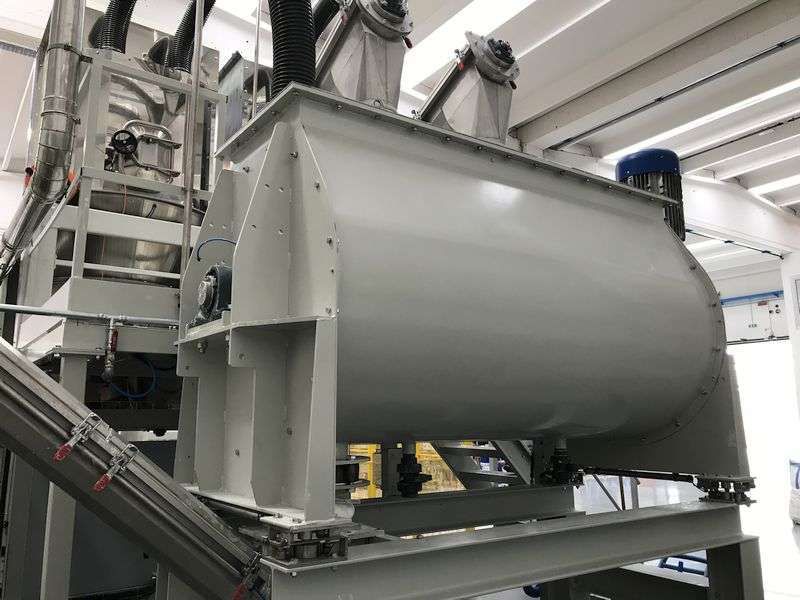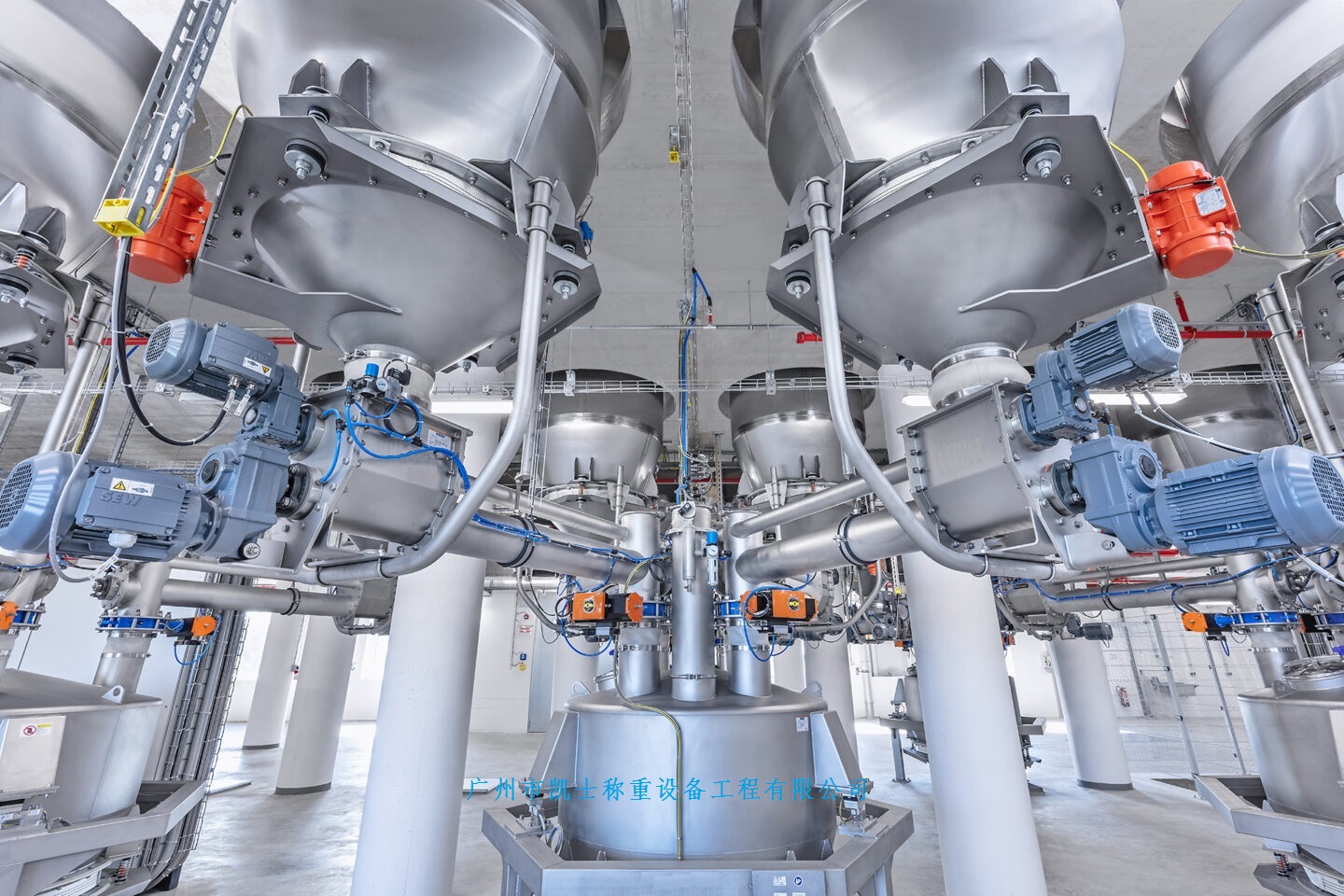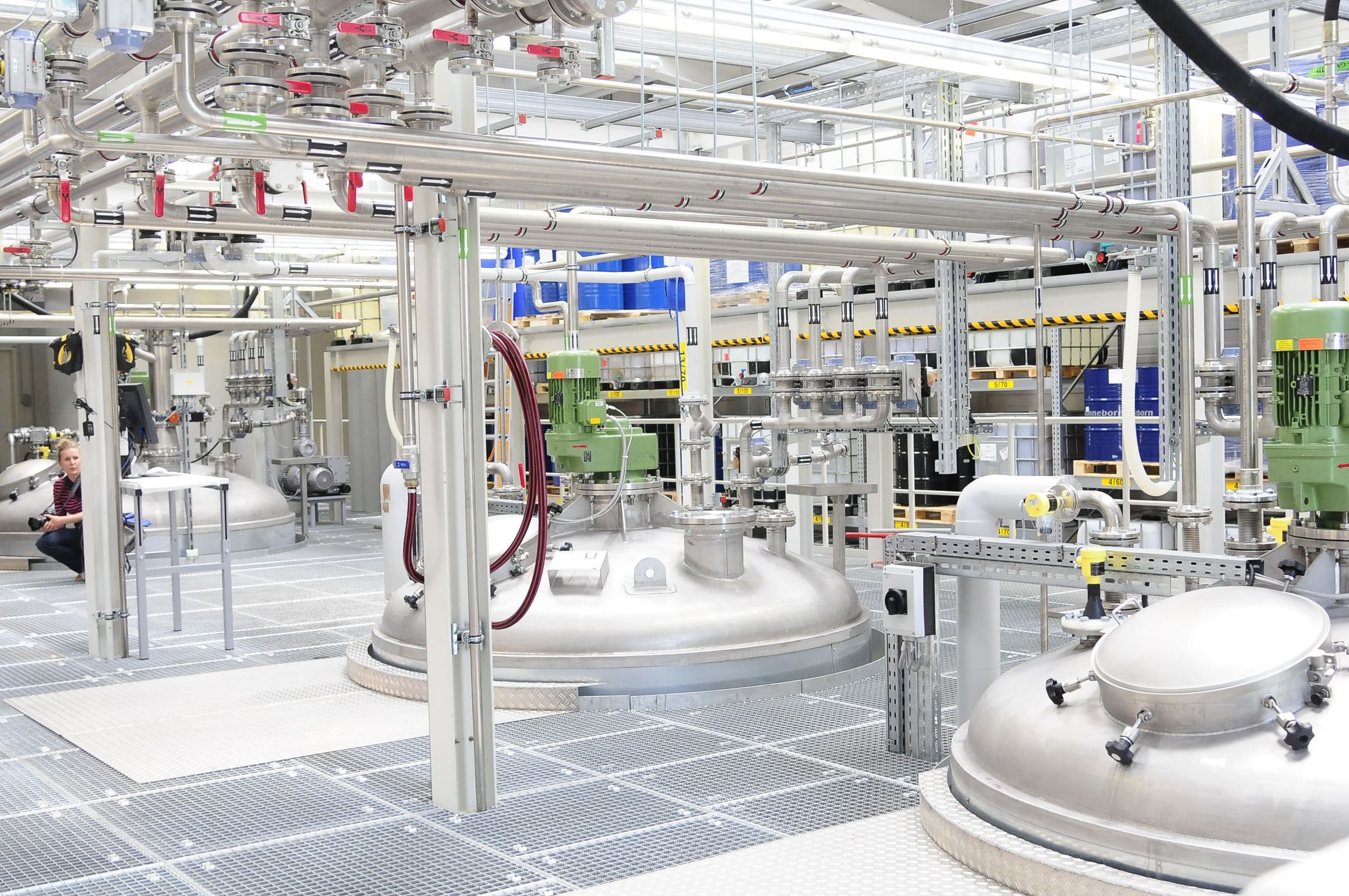


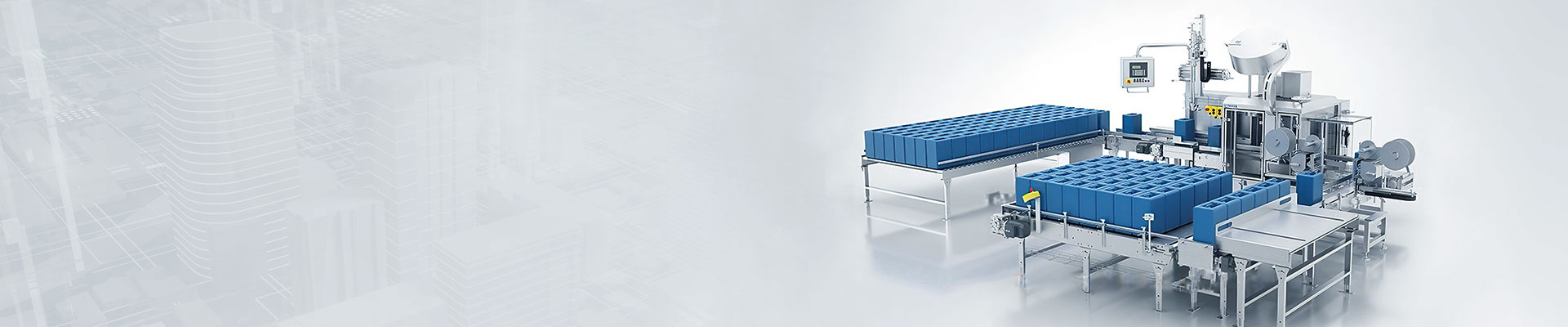


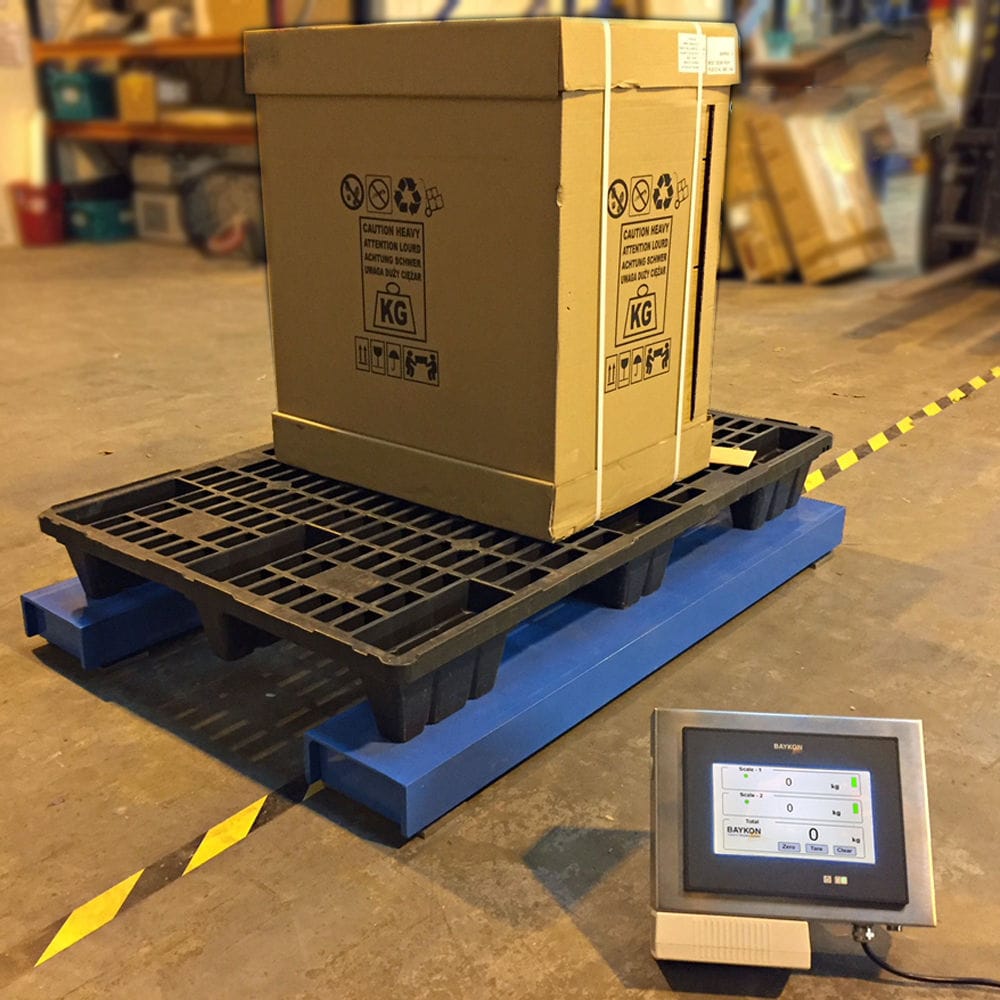


Ratio Batching scale to achieve material transfer, batching control, formula design, production data management and other functions. And it can realize the collection control of multiple ingredients through the network. With PLC as the next machine ingredients, once the production plan is completed in the entire production process, the computer will weigh each raw material according to the plan, no longer need manual intervention. In this process, the worker only takes the material, and the computer checks the weight through the data sent by the electronic weighing, which reduces the work burden of the worker and improves the work efficiency.

 020-34563445
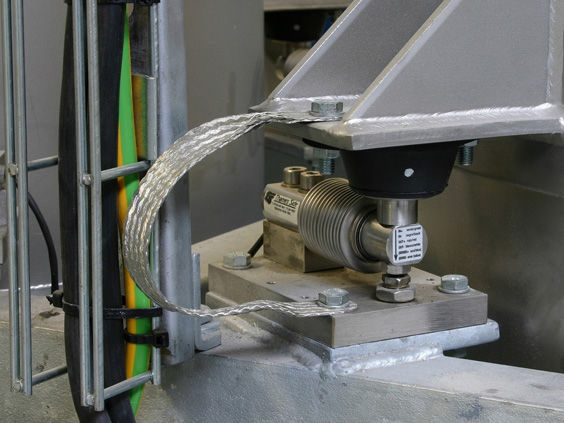
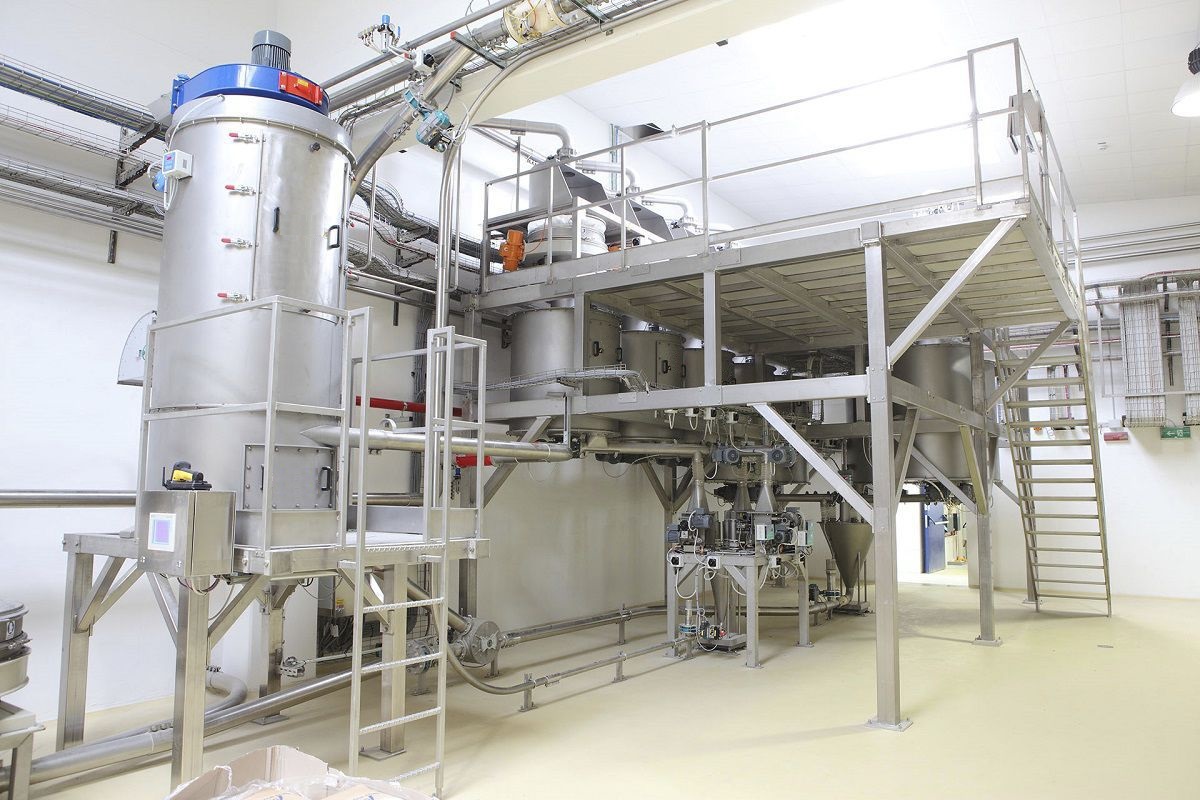
The proportion batching scale can be set, managed and optimized through process control for the production line, achieving control of batching, mixture control, material feeding and base layer material feeding, proportion adjustment, etc. The equipment mainly consists of Weighing modules and speed-weighting modules, weighing instruments, equipment speed control devices, bin level detection equipment, as well as redundant PLCs, upper computers, and their software. It uses the Siemens S7300 series and ET200 modules, and the software uses the Siemens STEP7 series and WINCC series. Raw materials are proportionally mixed according to the process requirements, and the feeding system is given based on the material level information of each bin. The automatic Batching system control can perform ratio control based on the weight and chemical composition of the raw materials. Currently, domestic manufacturers mainly use the weight ratio method for batching.
The batching scale controls the raw material weighing and feeding devices. Based on the flow of the weighing and feeding devices, the PLC system sets the ratio of raw materials and the total feeding amount, and follows the arrangement order of the raw material bins. The flow of each bin is set through communication with the upper computer. After the system starts, the weight signal and speed signal are sent to the secondary weighing instrument, which is amplified and converted by A/D, calculating the instantaneous flow and cumulative amount, and displayed on the on-site weighing instrument. The weighing instrument transmits the signal to the PLC module. The analog input module of the PLC collects the weight signal and speed signal from the feeding device, performs self-tuning operations according to the user-defined parameters. If the set value differs from the current value, the PLC analog module will output a standard signal (4-20mA) to the frequency converter for the equipment to be adjusted, and the frequency converter will change the speed of the equipment in real time. For circular discs, the feeding is reduced or increased, and for each speed-adjustable scales, the material flow is reduced or increased, so that the system has a stable state.
After the batching machine operates normally for a certain period of time, the material level in the mixing bin will fluctuate due to the distribution situation. When the layer thickness of the transport vehicle is stable, the PLC adjusts the flow of each discharge port in the batching bin according to the material level measured by the weighing module of the mixing bin, ensuring the balance of material intake and discharge in the mixing tank. This mainly involves adding liquid control and electrical interlocks for the two mixings. The purpose of the first mixing is to homogenize, and based on the total amount of the mixed material before the first mixing and the calculation of adding liquid according to a certain percentage, the flow is adjusted by controlling the electric regulating valve of the first mixing. The current values of each discharge port in the batching bin are accumulated and calculated to mix the material, and the material flow is shared with the automatic liquid addition control of the mixing material. Based on the total amount of the material and the liquid percentage before entering the first mixing, the amount of liquid to be added to the first mixing is calculated, providing a liquid addition benchmark for the automatic liquid addition of the first mixing.